FRCS Engages With UK National Crime Agency to Enhance Transnational Crime Enforcement

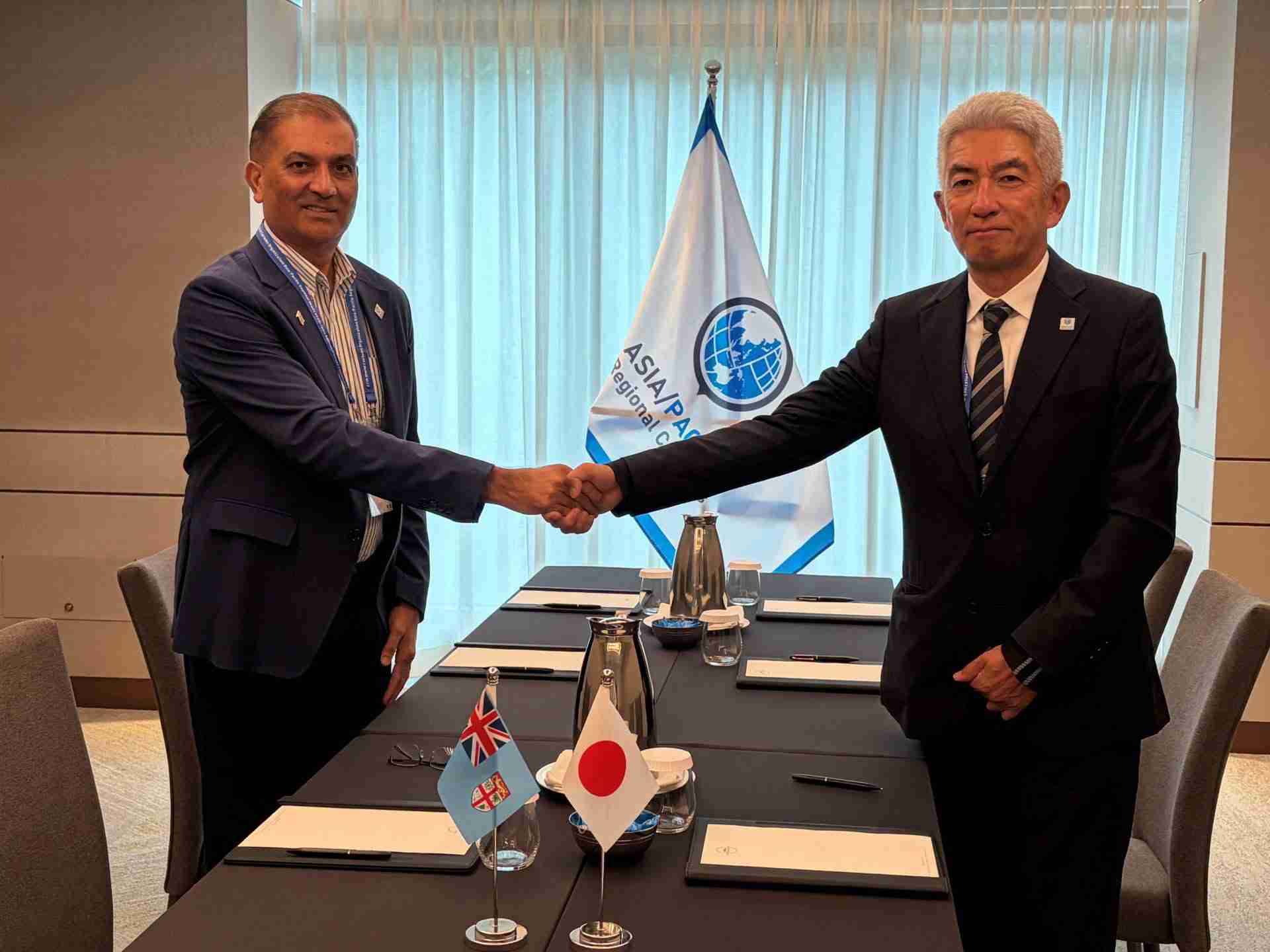
Senior representatives from the United Kingdom’s National Crime Agency (NCA), executives Daniel Newell and Laura Boon, accompanied by a senior official from the British High Commission, met with officials of the Fiji Revenue and Customs Service (FRCS) at the FRCS headquarters to discuss enhanced cooperation in combating transnational, serious, and organized crime.

The meeting provided a platform for substantive dialogue on strengthening institutional networks and operational linkages between Fiji and the United Kingdom’s law enforcement agencies. Both parties recognized the critical importance of sustained collaboration in addressing the increasingly complex and cross-border nature of organized crime.

The discussions further provided a valuable opportunity to explore and deepen cooperative efforts across several key priority areas. These encompassed the investigation of environment exploitation, cybercrime prevention, incident of increase seizures of drugs, and the establishment of robust intelligence sharing frameworks. In addition, discussions were held regarding the forthcoming implementation of the FRCS Yacht Management System (YMS), which is anticipated to play a significant role in enhancing maritime oversight and regulatory compliance within the region.

Furthermore, the FRCS emphasized that tackling drug infiltration at the border requires a collective partnership between law enforcement agencies, regulators, and industry stakeholders through a unified strategic drive. It was noted that Fiji’s border control agencies have a strong capability to maintain pressure across Fiji’s maritime domain to advance and protect the sovereignty. The NCA team assured their support in information and intelligence sharing with FRCS to curb transnational organized crime and their networks.

FRCS assured that their continuous seizures is a significant step in strengthening the security, resilience and enforcement of legitimate trade and travel across their borders. FRCS under the WCO SAFE framework will continue to work with its international partners to exchange information and build capability to deter, detect and dismantle the crime network through effective partnership and capital investment in areas of border security.

FRCS also expressed its strong commitment to engaging with international partners in pursuit of shared security objectives. The FRCS further conveyed its sincere appreciation for the continued support extended by the British Government, implemented in conjunction with the United Nations Office on Drugs and Crime (UNODC), in advancing Fiji’s law enforcement capacity and regional security efforts.

FRCS Enhances Outreach to Sigatoka Market Vendors

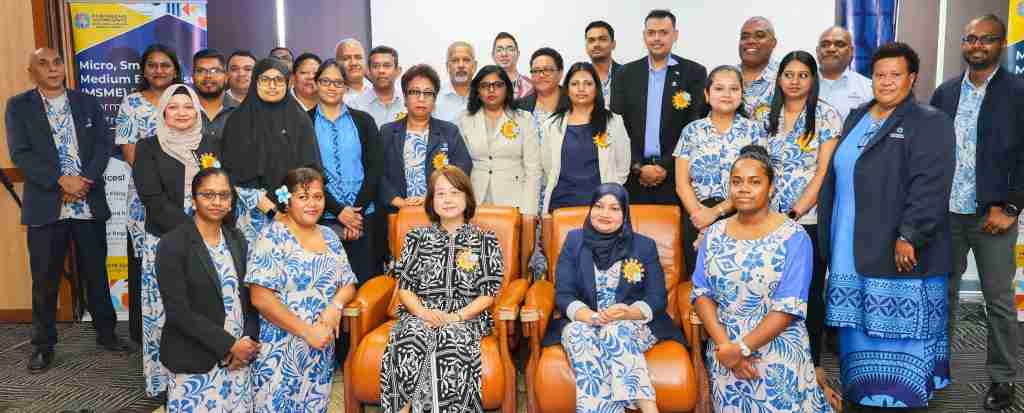
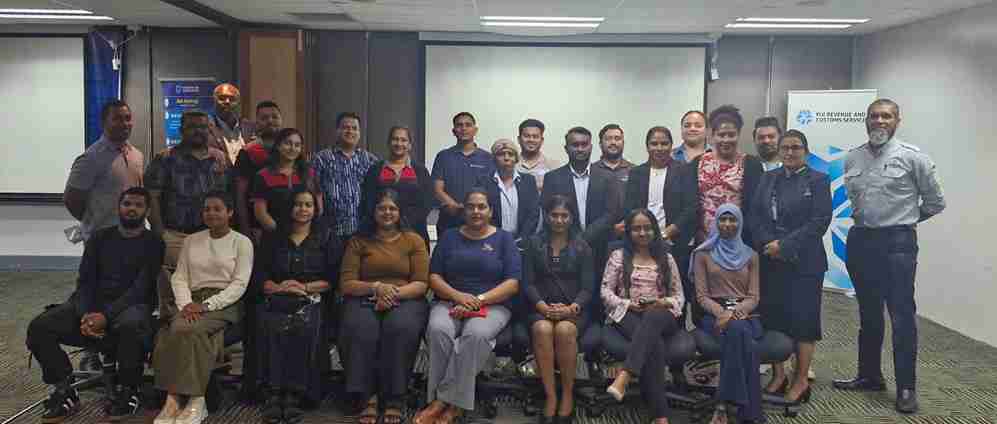
FRCS, through its Micro, Small and Medium Enterprises (MSME) Team, recently conducted an outreach visit to the Sigatoka Market to engage directly with produce suppliers, middlemen, and vendors. The initiative aimed to raise awareness and provide practical guidance on essential tax and compliance requirements.

During the visit, vendors received hands-on education on key areas including business registration, record keeping, filing obligations, and general tax processes. This proactive engagement underscores FRCS’s ongoing commitment to supporting small business operators by delivering services in a manner that is accessible, practical, and minimally disruptive to their daily operations.

By taking its services directly to the marketplace, FRCS ensured that vendors were able to receive compliance support without interrupting normal trading hours. This people-cantered approach not only strengthens vendor confidence but also promotes inclusivity and encourages sustainable and responsible business practices across Fiji’s marketplace economy.

FRCS remains committed to empowering micro, small, and medium enterprises with the knowledge and tools they need to succeed, while fostering a culture of compliance, transparency, and long-term economic resilience.

Fiji–UK Security Partnership Strengthened Through Advanced Border Equipment Handover

The Fiji Revenue and Customs Service (FRCS) welcomed the receipt of advanced border security equipment from the Government of the United Kingdom, marking a significant milestone in strengthening Fiji’s border control capabilities. The Right Honourable Seema Malhotra, Member of Parliament, and Minister of State for the Indo Pacific, formally handed over the equipment at the FRCS Headquarters in Suva to FRCS Board Director, Mr. Jitoko Tikolevu.

The donation includes state of the art handheld devices such as TruNarc analysers, 1064 First Defender instruments, and pocket drug testing kits. These tools will substantially enhance the operational effectiveness of FRCS frontline officers by enabling rapid, real-time detection and identification of high-risk substances. The technology will support efforts to detect, disrupt, and deter the smuggling of controlled drugs, including methamphetamine, cocaine, ketamine, MDMA, fentanyl, and other chemical precursors across Fiji’s borders.

The equipment represents a tangible outcome of the strong collaboration between FRCS and the Government of the United Kingdom, delivered in partnership with the United Nations Office on Drugs and Crime (UNODC). The support has been provided through the Passenger and Cargo Control Programme (PCCP), which integrates technical expertise with targeted donor assistance to strengthen frontline border operations.

Mr. Tikolevu expressed his sincere appreciation to the Government of the United Kingdom for its continued and strategic support, noting that the donation goes beyond the provision of equipment. He emphasized that it represents a long-term investment in Fiji’s border security capacity through intelligence led operations, advanced technology, and strengthened institutional capability.

FRCS also extends its gratitude to UNODC for its ongoing technical assistance, expertise, and steadfast partnership in supporting border control efforts across Fiji.

FRCS and UNODC Strengthen Collaboration on Waste Management and Border Control

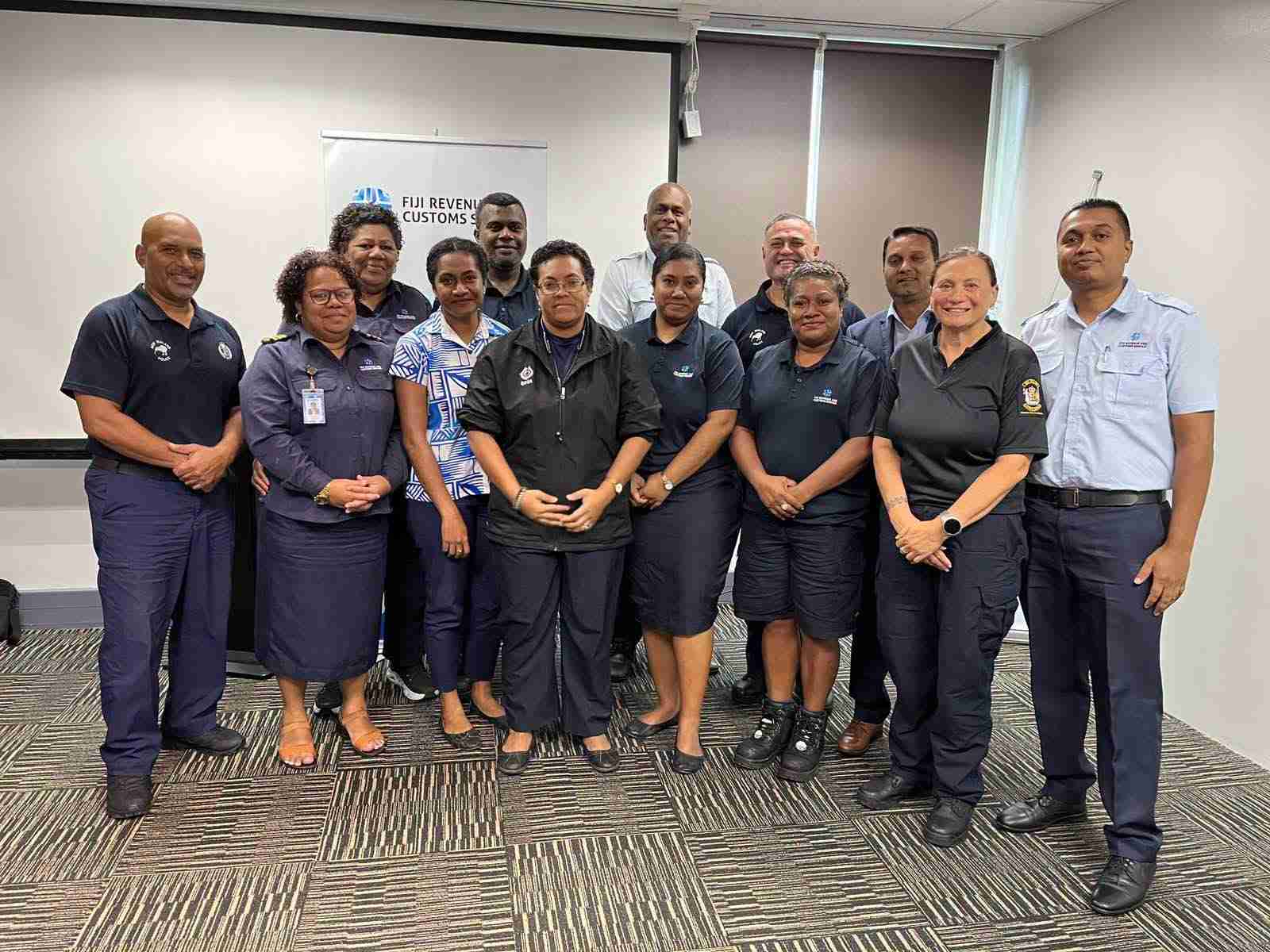
The Fiji Revenue and Customs Service (FRCS) last week hosted officials from the United Nations Office on Drugs and Crime (UNODC) under its Passenger and Cargo Control Programme (PCCP) as part of a technical mission focused on countering illegal hazardous waste trafficking.

The engagement brought together technical experts and frontline officers to assess current border control frameworks, identify operational gaps, and explore practical strategies to strengthen Fiji’s capacity in managing and monitoring hazardous waste movements across its borders.

Throughout the mission, FRCS provided strong institutional support, including facilitating high-level discussions, technical consultations, and coordinated port visits. These engagements enabled a comprehensive assessment of existing systems and reinforced the importance of intelligence-led, risk-based border management in addressing emerging environmental threats.

UNODC acknowledged the professionalism, cooperation, and technical contributions of FRCS officers, noting that their active participation significantly enhanced the quality and outcomes of the mission.

This collaboration reflects FRCS’s continued commitment to safeguarding Fiji’s borders and environment, while aligning with global efforts to combat transnational environmental crime. Strengthened partnerships such as this ensure that Fiji remains proactive in addressing complex challenges such as illegal hazardous waste trafficking, which poses serious risks to public health, ecosystems, and national security.

FRCS looks forward to building on this partnership with UNODC and advancing coordinated national and regional efforts to strengthen border controls, enhance information-sharing, and promote sustainable waste management practices across Fiji and the wider Pacific region.

FRCS Engages Fuel and Bus Operators to Mitigate Impact of Rising Fuel Costs

The Fiji Revenue and Customs Service (FRCS) last week convened a high-level consultation with key fuel suppliers and public transport operators to develop coordinated solutions aimed at easing the impact of rising fuel costs on the Fijian economy.

This engagement forms part of Government’s proactive response to global market disruptions arising from the ongoing geopolitical conflict, which continues to exert upward pressure on fuel prices internationally. Recognising the direct and indirect effects on businesses and households, FRCS is working collaboratively with industry stakeholders to identify practical, targeted interventions.

A central focus of the discussions was to safeguard the public transport sector as an immediate priority. Given its critical role in supporting daily mobility, employment access, and economic activity, stakeholders agreed that ensuring the sustainability of bus operators, without passing undue burden onto commuters, is essential.

The first phase of the proposed approach therefore centres on ensuring that public transport providers are not disproportionately affected by escalating fuel costs. This includes exploring mechanisms to stabilise operational costs and maintain fare affordability for the public.

These proposals have been deliberated in close consultation with the Ministry of Finance, ensuring alignment with broader fiscal policy and national economic priorities. The collaborative framework reflects a whole-of-government and whole-of-industry approach to managing external economic pressures.

FRCS Chief Executive Officer Mr. Udit Singh noted that: “This engagement underscores our commitment to working alongside industry to develop balanced, responsive solutions. In times of global uncertainty, strong partnerships and coordinated action are critical to protecting both economic stability and the welfare of our people.”

FRCS will continue to facilitate ongoing dialogue with stakeholders as further phases of the response are refined and implemented. Additional measures may be considered as global conditions evolve, with a continued focus on equity, sustainability, and economic resilience.

FRCS Foils Drug Smuggling Attempt, Seizes Five Kilograms of Methamphetamine

The Fiji Revenue and Customs Service (FRCS) has successfully intercepted approximately five (5) kilograms of methamphetamine at Nadi International Airport, demonstrating its steadfast resolve to combat transnational crime, secure Fiji’s borders, and protect the safety and well‑being of its communities. The accused has been charged and has made a court appearance. The matter remains before the court.

The detection was made through coordinated risk profiling, intelligence‑led targeting, and thorough examination processes undertaken by FRCS officers. This outcome reflects the strength of FRCS’s integrated border management approach, where multiple operational units work seamlessly together to identify and intercept high‑risk passengers and illicit goods.

The concealment method involved sophisticated attempts to evade detection; however, through vigilance, professionalism, and strict adherence to established procedures, officers were able to uncover the illicit substances concealed within passenger baggage.

The individual concerned, along with the seized substances, has been formally handed over to the Fiji Police Force, including the Criminal Investigations Department (CID) and forensic teams, for further investigation and legal proceedings.

FRCS Chief Executive Officer, Mr. Udit Singh, emphasized that the interception highlights the critical role Customs plays not only in revenue collection, but also as a frontline defense against transnational organized crime.

“This detection is a clear demonstration of FRCS’s operational readiness, capability, and commitment to protecting Fiji and the wider Pacific region from the devastating impacts of illicit drugs. Every interception of this scale prevents harmful substances from reaching our communities and saves countless lives,” Mr. Singh said.

Mr. Singh further acknowledged the importance of strong collaboration within FRCS and with partner border agencies, noting that such partnerships are essential to maintaining effective border security while facilitating legitimate trade and travel.

FRCS remains steadfast in its dual mandate of enabling economic growth while ensuring the security and integrity of Fiji’s borders. The Service will continue to strengthen its operational capabilities, partnerships, and intelligence frameworks to respond to evolving threats.

Members of the public are encouraged to support national efforts by remaining vigilant and reporting any suspicious activities to the relevant authorities.

FRCS Hosts National Trade Facilitation Committee Meeting to Advance Trade Reforms

The Fiji Revenue and Customs Service (FRCS) recently hosted a meeting of the National Trade Facilitation Committee (NTFC) at its Headquarters in Nasese, Suva.

The NTFC serves as Fiji’s national coordinating body responsible for planning, coordinating, and overseeing trade facilitation reforms, particularly in support of Fiji’s commitments under the World Trade Organisation (WTO) Trade Facilitation Agreement (TFA).

During the meeting, members received updates on the Time Release Study (TRS), including developments relating to postal sector processes. The Committee was also briefed on progress in the implementation of the National Single Window by the World Bank, as well as updates from FRCS on the establishment of the Project Management Unit (PMU).

Discussions further focused on priority areas moving forward, including the WTO e-commerce moratorium. Members considered recent developments, potential implications for Fiji, and strategic considerations informing Fiji’s position going forward.

A Story of Service Beyond the Counter: FRCS Ba Team Makes a Difference

At FRCS, we pride ourselves on going beyond transactions. We serve people, families, and communities. A recent experience at our Ba office beautifully reflects this commitment.

Recently, 63 year old Ilikini Ratavo arrived to renew his JOINT ID Card. Mr. Ratavo, who is elderly and visually impaired, had travelled all the way from Nadarivatu, a remote highland community more than 90 kilometres from Ba Town. The journey itself takes about 2.5 hours along steep, winding mountain roads which is a challenging trip even for the young and able-bodied.

Mr. Ratavo had brought his ID with him, but not his birth certificate, which is required for the renewal. When our team explained the requirement, he shared his concern that due to his disability and the long travel distance, he would not be able to return to Nadarivatu to retrieve the document. He urgently needed his JOINT ID Card for bank purposes, and going back home without it would cause further hardship.

Recognizing the situation, our Ba team immediately stepped into problem-solving mode. As Mr. Ratavo was on social welfare assistance, the team reached out to the Ministry of Social Welfare in Ba and Tavua. In the true spirit of partnership and community support, their officers promptly assisted and provided a copy of Mr. Ratavo’s birth certificate.

With the required documents in hand, our team successfully processed his JOINT ID Card renewal.

Mr. Ratavo left the office smiling, relieved, grateful, and empowered. This experience is a powerful reminder of what service means at FRCS. It is not just about meeting requirements but is about listening, understanding real-life challenges, and working together to make a difference.

The Ba team exemplified our values through:

 Collaboration

 Empathy

 Going the extra mile for our customers

Their actions ensured that one of our elderly citizens received not just a card, but dignity, support, and a positive experience. This is the FRCS spirit in action, Serving our community with heart.

#Service # FRCSNews #Partnership#ServiceWithSmile