Fiji has officially joined the Group of Twenty (G20)/ Organisation for Economic Co-operation and Development (OECD) Inclusive Framework on Base Erosion and Profit Shifting (BEPS), a global initiative to fight tax avoidance and ensure fair tax practices. This move aligns Fiji with 146 countries working together to promote tax transparency and equity.
Joining the Inclusive Framework helps Fiji improve its international tax reputation. It enhances our chances of being removed from the European Union’s (EU) list of non-cooperative tax jurisdictions, known as the EU Blacklist.
The Fiji Revenue and Customs Service (FRCS), supported by the Fijian Government, is dedicated to implementing the necessary standards and initiatives for greater tax fairness.
As a member of the Inclusive Framework, Fiji has also committed to addressing the tax challenges arising from the economy’s digitalization. Fiji will participate in the Two-Pillar Solution, which aims to reform international tax rules to ensure that multinational enterprises pay a fair share of tax wherever they operate.
OECD Secretary-General Mathias Cormann welcomed Fiji to the framework during its 16th meeting in Paris on May 28, 2024.
FRCS CEO Mr. Udit Singh speaking virtually to the OECD conference this week, emphasised that Fiji’s membership will give the country a stronger voice in global tax discussions and support its national goal of combating tax avoidance.
This step equips Fiji with better tools to ensure profits are taxed where earned, fostering a fairer and more transparent tax system.
ABF Assists FRCS to strengthen legal and policy framework for customs licencing.
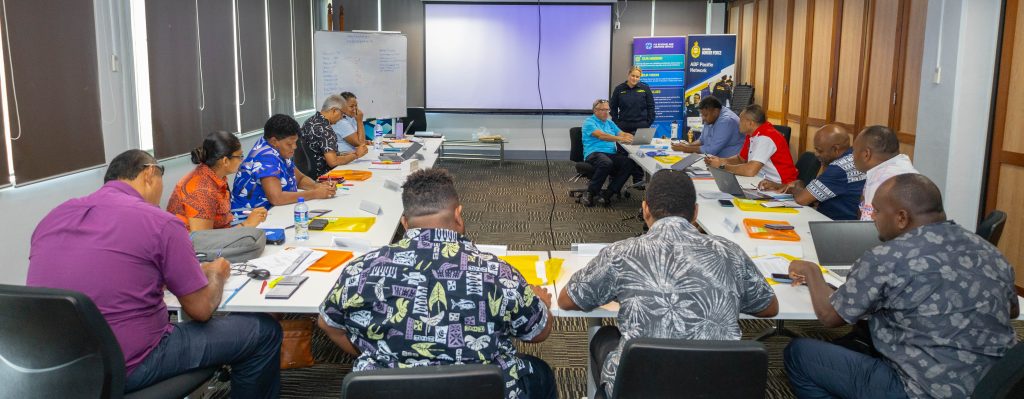
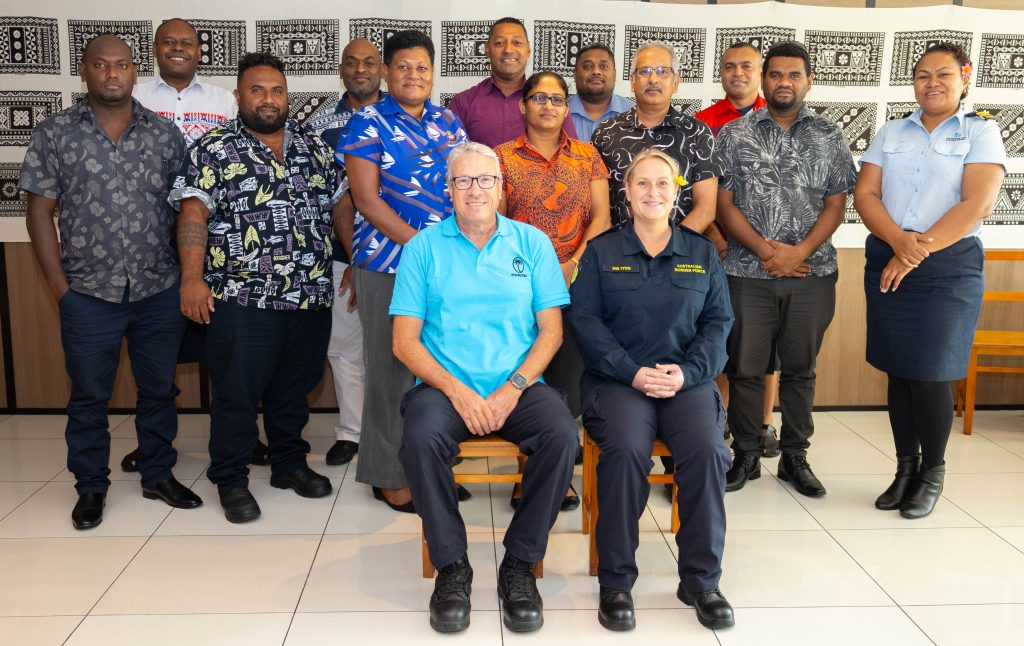
In a five-day workshop, the Australian Border Force (ABF) assisted our Customs team to further strengthen the legal and policy framework on Customs licencing.
At the end of the workshop, our Customs team intends to:
Develop Customs Broker Demerit Points System.
Strengthen the current licencing regime.
Develop the continuous professional development program for the brokers.
The workshop allows all participants to engage in a conducive and learning environment where challenges can be discussed, and solutions brainstormed. FRCS appreciates its partnership with the ABF.
LTA, FRCS URGE IMPORTERS OF USED GOODS VEHICLES TO OBTAIN CLEARANCE FOR MODIFICATIONS
The Land Transport Authority (LTA) has urged all importers of used goods vehicles including Hiace, Vannette and similar vehicles, to acquire prior clearance from the Fiji Revenue and Customs Service (FRCS) when modifying it from a goods to a passenger vehicle, and its subsequent registration with the Authority.
This directive comes amidst the concern on the practice of fitting additional seats on the imported goods vehicles post-Customs clearance, thereby circumventing established controls for passenger vehicles.
LTA and FRCS highlighted that the crux of the matter revolved around the significant disparity in duty rates and import permit restrictions between passenger vehicles and goods vehicles. Passenger vehicles, subject to stringent regulations, are bound by specific criteria, including age restrictions (8 years old) and emission standards (Euro 4). Contrarily, goods vehicles adhere only to Euro 4 emission standards, presenting a loophole that certain entities exploit.
This deceptive practice not only undermines existing regulatory mechanisms but also poses potential safety hazards and tax evasion risks. By masquerading goods vehicles as passenger vehicles post-Customs clearance, importers evade the higher duty rates and stricter import permit restrictions applicable to passenger vehicles.
“The illegal modification of goods vehicles into passenger vehicles without prior approval from FRCS and LTA compromises safety standards, as these vehicles may not undergo the requisite inspections and assessments mandated for passenger vehicles,” said LTA Acting Chief Executive Officer, Mr. Irimaia Rokosawa.
In response to these concerns, Mr Rokosawa said the Authority would uphold its commitment in maintaining the integrity of Fiji’s transportation regulations and safeguard public safety. The Authority will intensify its monitoring efforts to scrutinise the registration of all imported Hiace Vannette goods vehicles and similar variations to it.
“Any attempt to transform these vehicles into passenger vehicles without prior clearance from the FRCS will be met with stringent enforcement measures. The illicit conversion of goods vehicles into passenger vehicles not only jeopardises public safety but also undermines the fairness and transparency of our regulatory framework.
“The LTA is steadfast in working in partnership with the FRCS to curb these illicit activities and uphold the highest standards of compliance and safety within Fiji’s transportation sector,” Mr Rokosawa said.
FRCS Chief Executive Officer, Mr. Udit Singh also urged importers and stakeholders to adhere to regulatory protocols and ensure full compliance with Customs and transportation regulations.
“As the governing body of motor vehicle import permit, FRCS is in full support of the collaboration with the LTA in the improvement of trade compliance in relation to motor vehicles in Fiji,” Mr Singh said.
He said any attempt to manipulate the classification of vehicles for personal gain would be met with stringent penalties and legal repercussions.
The Fiji Revenue and Customs Service (FRCS) officially launched its 2024-2027 Debt Management Strategy this afternoon which will enable FRCS Debt Management team to deliver excellence in debt collection contributing towards national revenue by partnering with the taxpayer community.
Speaking at the launch FRCS CEO, Mr. Udit Singh stated that the Debt Management Strategy was a working document to assist FRCS in having effective collaboration with the taxpayers in assisting them to fulfil their tax obligations promptly.
The Strategy has been developed with the assistance from the Australian Taxation Office (ATO) under the ATO Technical Assistance Program to FRCS.
“On behalf of the FRCS, we value the strong partnership we have established with ATO through the ATO Technical Assistance Program for FRCS, and we appreciate the capacity-building efforts we have received from the ATO over the years,” Mr Singh said.
According to Mr. Singh, Fiji needs all taxpayers to pay the right amount of tax, in full by their due date.
“While our intention is to minimise our debt collection, we also want to be a responsible creditor with our commitment to giving our customers a service that is professional and based on respect and integrity. This also means that we clearly articulate the options and consequences to the taxpayers, especially people who are in problem debt.”
Acknowledging the dedication and effort of all those involved in developing the Debt Management Strategy, Ms. Rebecca Brown, First Secretary, Governance at the Australian High Commission in Fiji stated that the Strategy focused on making it easy for the taxpayers to understand and fulfill their responsibilities and working collaboratively with taxpayers to manage any outstanding tax and customs debt.
“I trust this Strategy will support FRCS to deliver excellence in revenue collection by working the Fijian community, investing in staff, systems and being data driven,” Ms. Brown said.
“The strong and effective partnership between the FRCS and the ATO, has helped to support Fiji in its goal of reducing debt, deliver ongoing economic recovery and joining the global community on Tax Policy and Administration (OCED).”
ATO’s Director International Relations, Capacity Building and Transparency Ms. Gabrielle Jackson highlighted that the debt strategy represented a holistic approach to financial management and compliance.
“It will lead to improved revenue collection, by strengthening customer service and compliance education and support increased voluntary compliance whilst continuing to deliver quality service to FRCS clients and partners. By embracing a data-driven approach, FRCS can enhance its decision-making processes and optimize resource allocation,” Ms. Jackson said.
Seaport and Vessel Search Training Yields Dividends in Fiji
A two-week seaport and border control training in Nadi has yielded immediate results, participants intercepting a vessel carrying narcotics while it was entering the Fijian waters.
The training, which was spearheaded by the Fiji Revenue Customs Service (FRCS) with support from the United Nations Development Programme (UNDP) Pacific Office in Fiji, saw 85 participants from FRCS, the Fiji Police Force, Republic of Fiji Navy, Fiji Immigration Department, Ministry of Fisheries, Maritime Safety Authority of Fiji (MSAF), and the Biosecurity Authority of Fiji enhance essential knowledge and skills for vessel searches. This included safety at sea, boarding operations, boarding access systems, and in-water survival techniques.
The five-day intensive training also included a set of mock exercises that focused on vessel searches and seizures, with participants searching yachts, barges, and container ships, amongst others.
On the final day of the training, the participants conducted a live search on a yacht where the officials discovered marijuana onboard. The seizure highlighted the practical efficacy of the training, as the border officials tracked the vessel due to suspicious activities before the successful interception.
Under the leadership of FRCS, these nationwide training initiatives bring together a diverse range of border control agencies, fostering collaboration, and promoting the exchange of best practices. Through this concerted effort, FRCS aims to strengthen the capabilities of all participating agencies, ensuring a unified and robust approach to border security that aligns with Fiji’s strategic goals for national defense and protection.
The Attorney-General and Minister for Justice, Hon. Siromi Turaga commended the diligent efforts and collaborative spirit demonstrated by the border agencies.
“The successful interception of narcotics underscores the critical importance of such training initiatives and the synergy among our dedicated officials. By working together seamlessly, we strengthen our ability to combat illicit activities and protect our maritime borders. I extend my appreciation to all participants for their commitment to ensuring the safety and security of Fiji’s waters and territories,” said Hon. Turaga.
“The Pacific has a strong reliance on its seaports, not only for the import and export of goods, but for tourism and additional economic activity. World Bank data shows that in 2022, the importation of goods and services to Fiji accounted for 69.2 percent of the country’s gross domestic product; this figure underscores the critical need for robust controls and capacity building to be put in place”.
Applauding the efforts for the successful interception, FRCS CEO, Mr. Udit Singh stated that the seizure is a demonstration of the effectiveness of the Seaport Vessel Search training.
“I commend our officers for carrying out their duties diligently in ensuring our borders are protected from the infiltration of illicit drugs and thank UNDP and the Government of Japan for further enhancing the knowledge and skills of our officers in fighting against border threats,” Mr. Singh said.
FRCS Chief Customs Officer, Mr. Osea Dakai, said the training and subsequent live vessel search has further enhanced Fiji’s capacity to combat illicit activity in protection of the Blue Pacific Continent:
“The recent seizure during the training program exemplifies the project’s effectiveness in fortifying Fiji’s border security. Our dedication to border control and law enforcement goes beyond pronouncements; it’s a proven reality. FRCS, together with our border management partners, remains steadfast in safeguarding our maritime territory from criminal activity.”
UNDP’s Integrated Border Management Project is supported by the Government of Japan.
Pacific Polytech Students and Lecturers Urged to Sign Up for our Online Portal
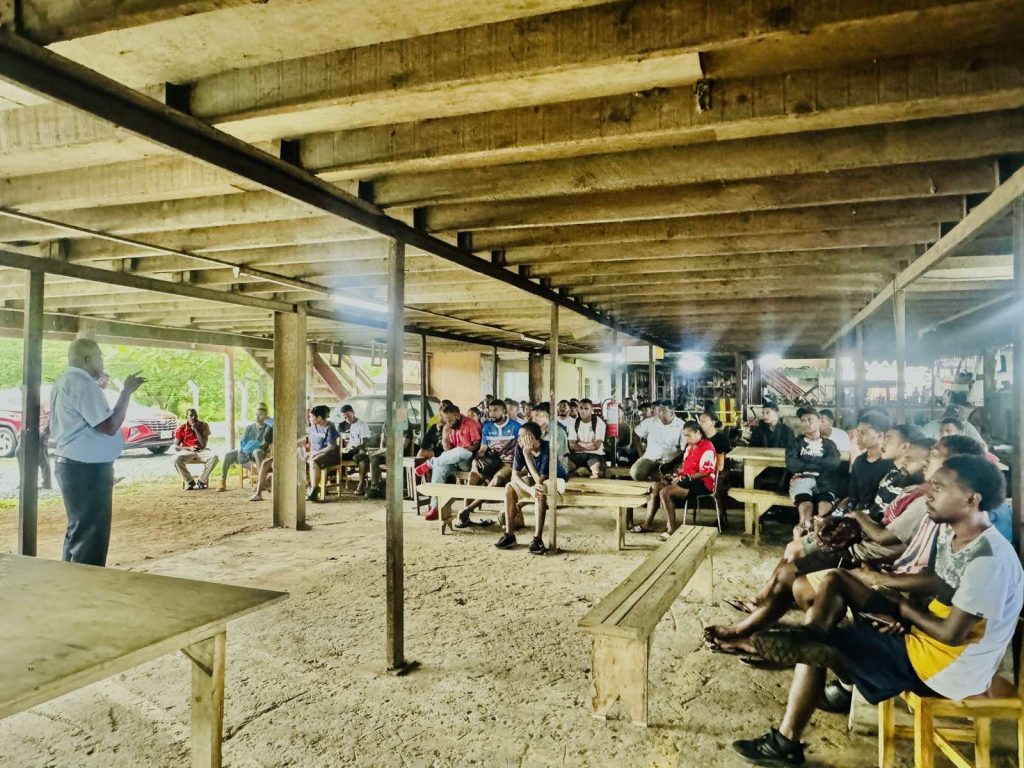
In a recent education and awareness session at the Pacific Polytech Institute of Technology in Labasa, our team urged the students and lecturers to sign up on our Taxpayer Online Service (TPOS) for convenience and ease of conducting business with FRCS.
Our Team has increasingly enhanced tax literacy around the country. At the Pacific Polytech Institute, they informed the students and lecturers about the vital role that the FRCS plays in Fiji’s economic development, tax compliance, VAT,
how to sign up on TPOS and its benefits and other tax related issues.
It was an interactive session where our team answered all queries. Should you need any assistance with tax and customs education and awareness programs, please contact us on 3243000 or 1326 or info@frcs.org.fj.
Pacific Polytech Students and Lecturers Urged to Sign Up for our Online Portal
In a recent education and awareness session at the Pacific Polytech Institute of Technology in Labasa, our team urged the students and lecturers to sign up on our Taxpayer Online Service (TPOS) for convenience and ease of conducting business with FRCS.
Our Team has increasingly enhanced tax literacy around the country. At the Pacific Polytech Institute, they informed the students and lecturers about the vital role that the FRCS plays in Fiji’s economic development, tax compliance, VAT, how to sign up on TPOS and its benefits and other tax related issues. It was an interactive session where our team answered all queries. Should you need any assistance with tax and customs education and awareness programs, please contact us on 3243000 or 1326 or info@frcs.org.fj.
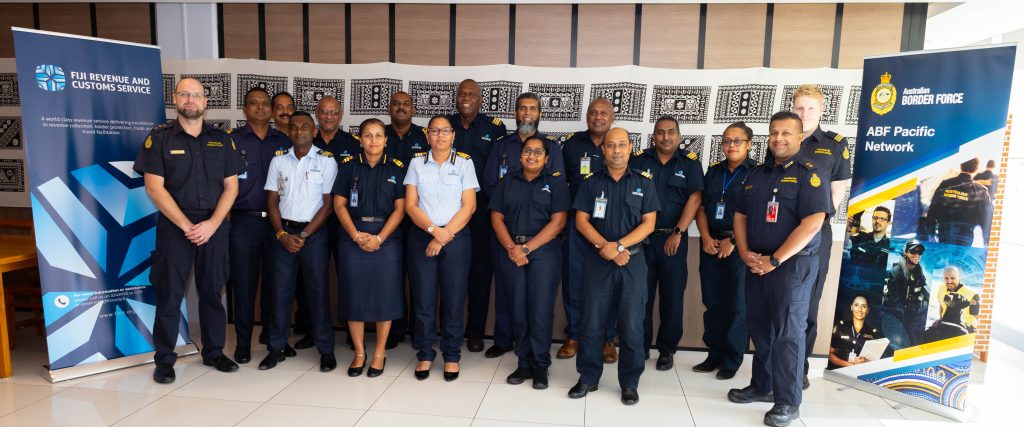
The Australian Border Force (ABF) in Fiji, in partnership with the ABF College (Compliance, Investigations & Trade Faculty) delivered an Operational Command Training Course at FRCS, as part of the ABF’s priority to support the Pacific on enhancing and strengthening border security in the region, by providing capacity building and mentoring support.
The Course is aimed to provide participants with a sound understanding of the operational command principles, the appreciation process for planning operations and enforcement responses, risk assessments, delivering operational orders and understanding the pressures of working within an operational environment.
It provides officers with the knowledge and tools to plan, lead and execute operations in a border enforcement environment.
Participants will be equipped with a generic set of operational planning principles to help their organisation to work effectively in both routine matters and planned and unplanned operations.
They will be provided with a toolkit for operational planning and practices, which supports border agencies to manage operations and incidents. Having officers from a range of different agencies including FRCS, Fiji Police Force, Republic of Fiji Navy, Fiji Transnational Crime Unit, Solomon Islands Customs and Excise Division and Solomon Islands Immigration Division provided the agencies with the opportunity to network and understand various operational approaches and the importance of whole of government coordination and international cooperation.
ABF Superintendent (Pacific Offshore Network) Uriah Turner said: ‘we are excited to partner with the FRCS on this training program. We are continually working together to enhance our partnerships and operational planning and border security is a priority focus for the Governments of Australia and Fiji as referenced in the Vuvale Partnership. We look forward to working with Fiji on future initiatives to help reinforce the integrity of our borders.’

 In a five-day workshop, the Australian Border Force (ABF) assisted our Customs team to further strengthen the legal and policy framework on Customs licencing.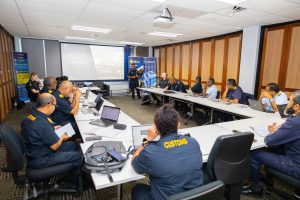
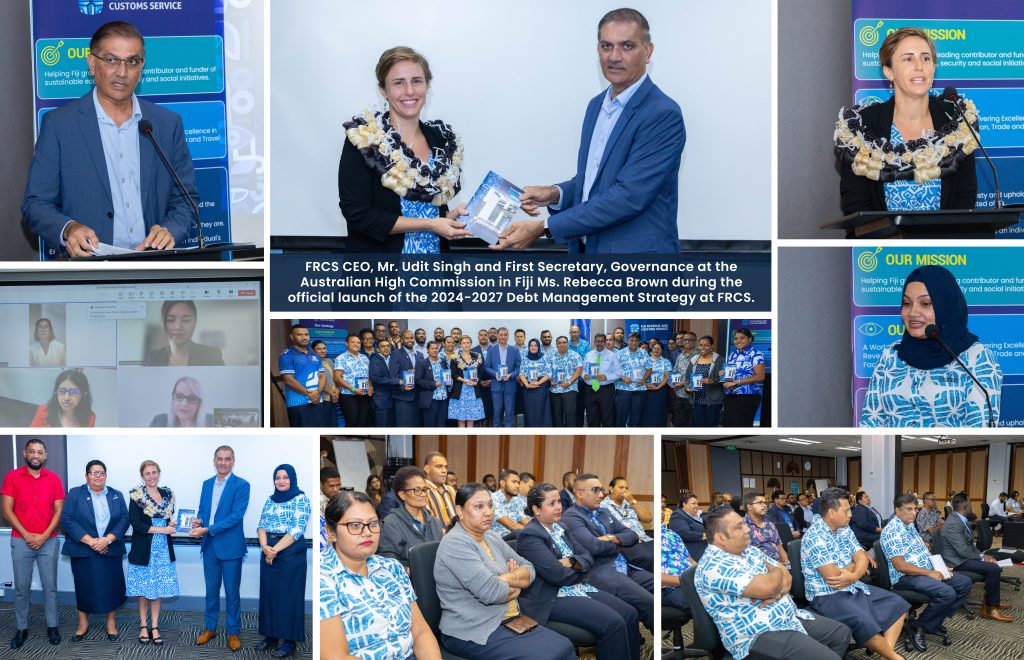 The Fiji Revenue and Customs Service (FRCS) officially launched its 2024-2027 Debt Management Strategy this afternoon which will enable FRCS Debt Management team to deliver excellence in debt collection contributing towards national revenue by partnering with the taxpayer community.
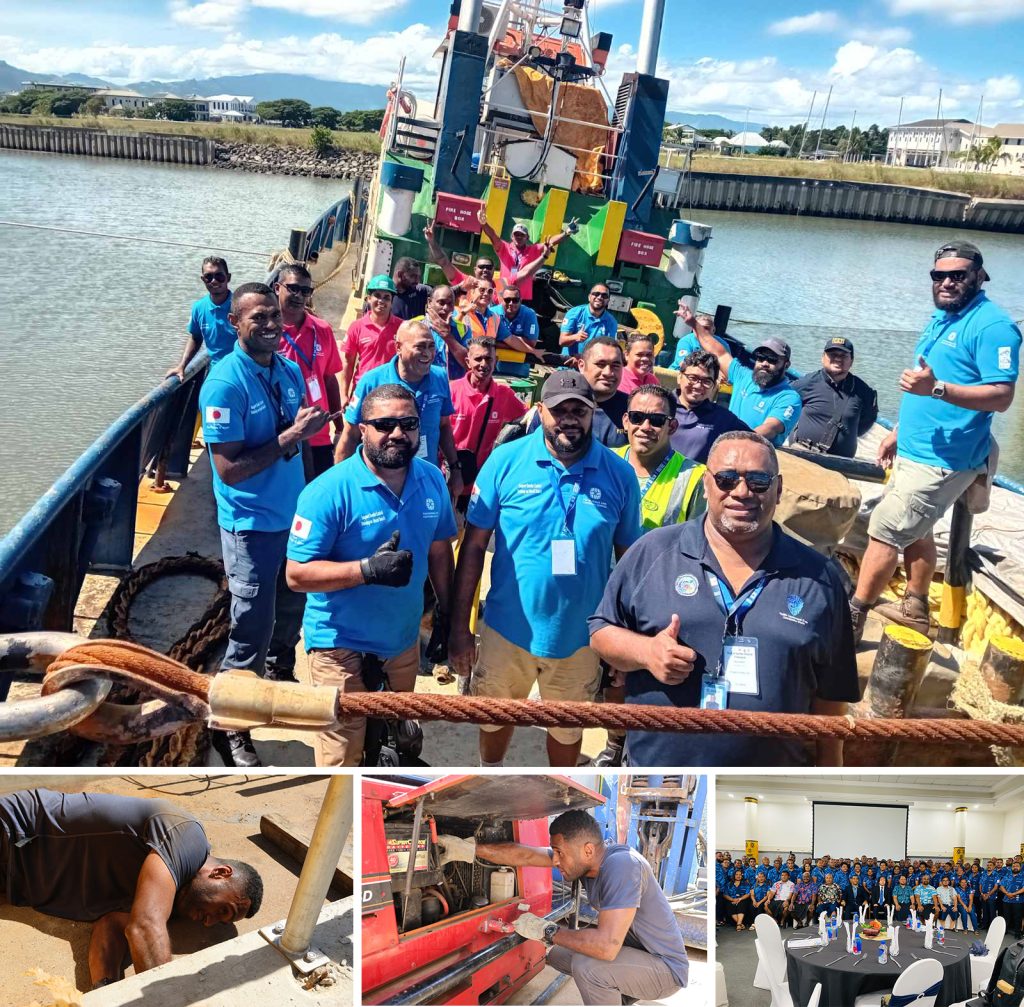 A two-week seaport and border control training in Nadi has yielded immediate results, participants intercepting a vessel carrying narcotics while it was entering the Fijian waters.
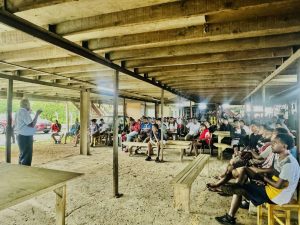 In a recent education and awareness session at the Pacific Polytech Institute of Technology in Labasa, our team urged the students and lecturers to sign up on our Taxpayer Online Service (TPOS) for convenience and ease of conducting business with FRCS.
 In a recent education and awareness session at the Pacific Polytech Institute of Technology in Labasa, our team urged the students and lecturers to sign up on our Taxpayer Online Service (TPOS) for convenience and ease of conducting business with FRCS.