FRCS Launches the National Time Release Study Report 2025 for Airfreight Clearance

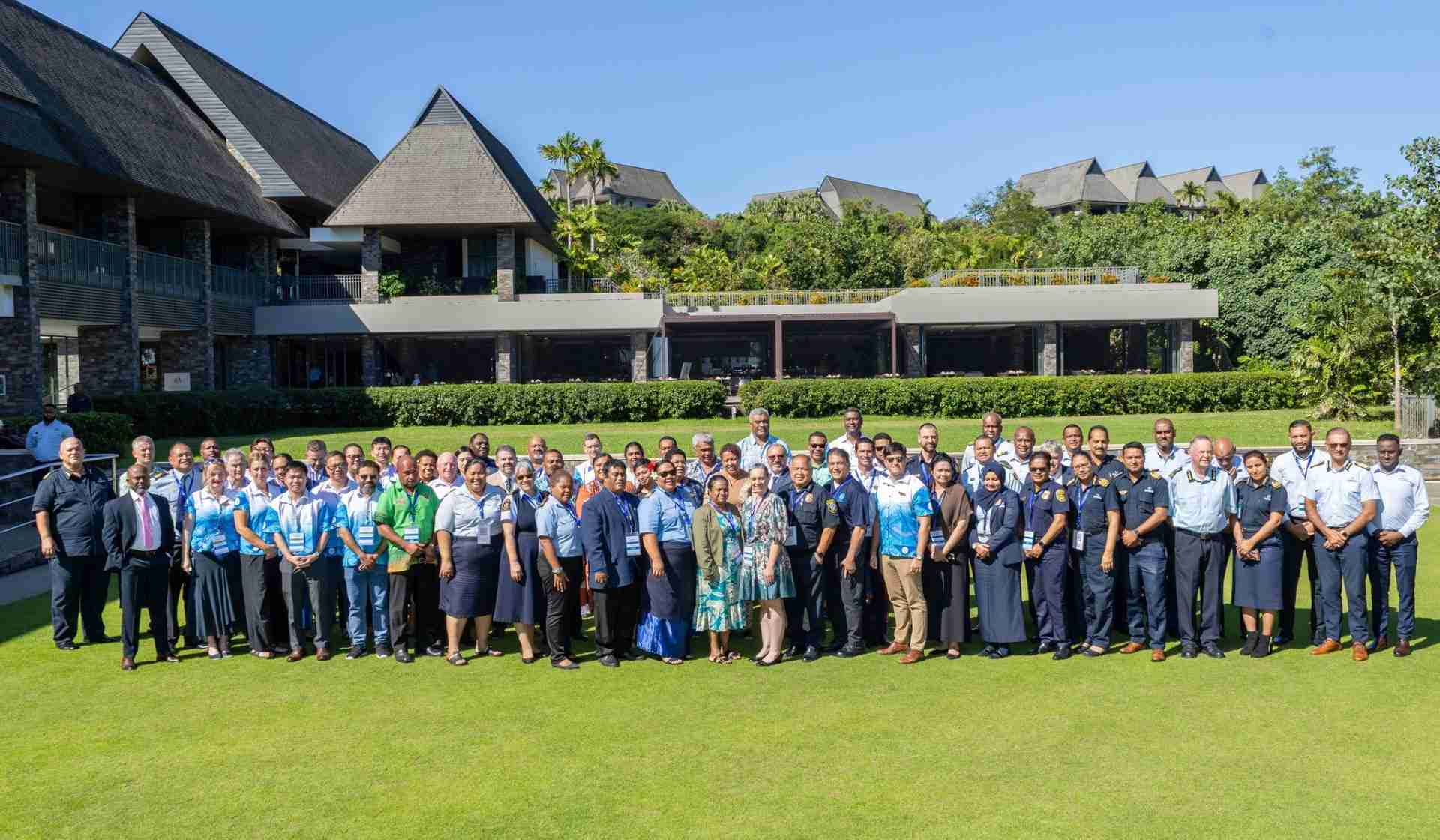
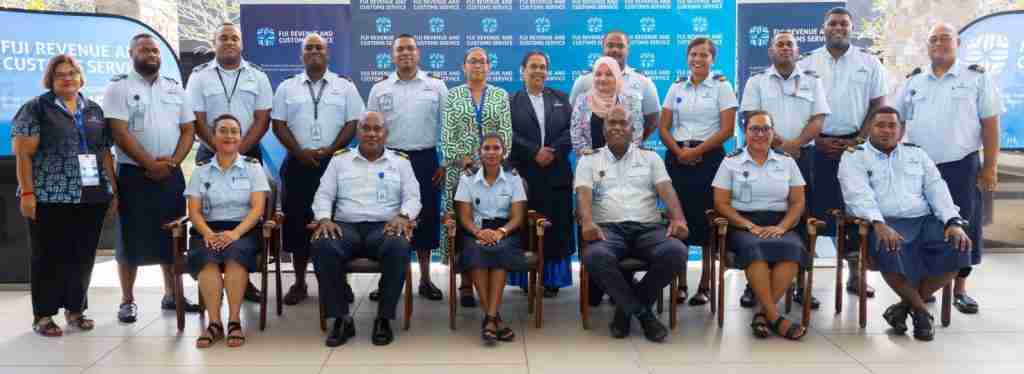
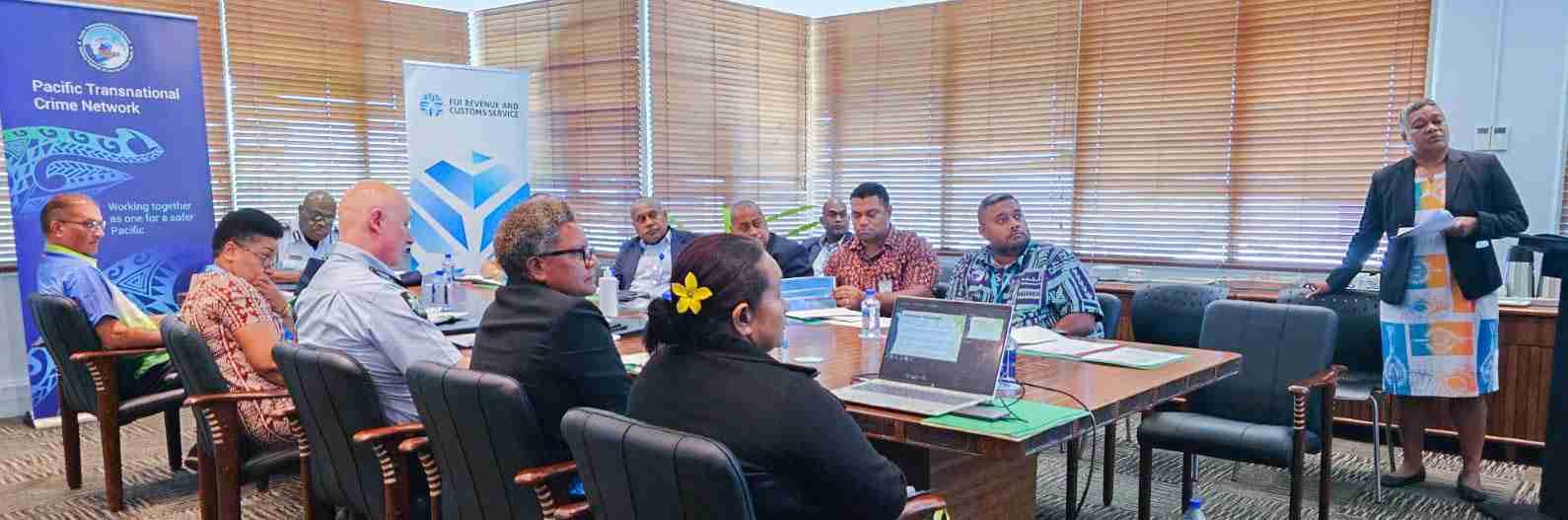
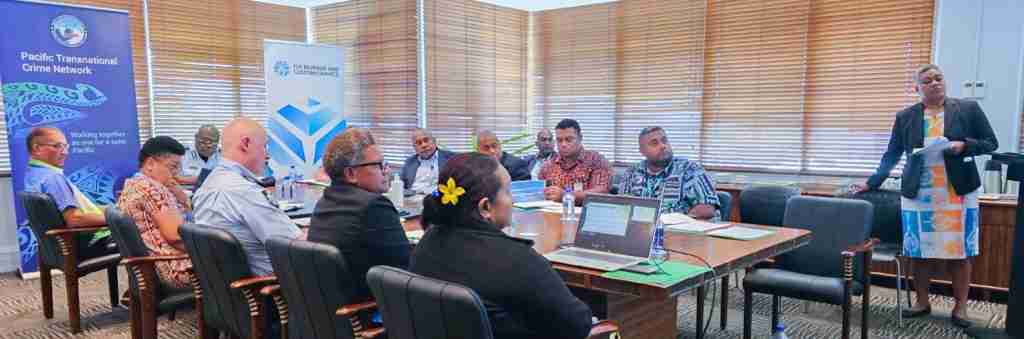
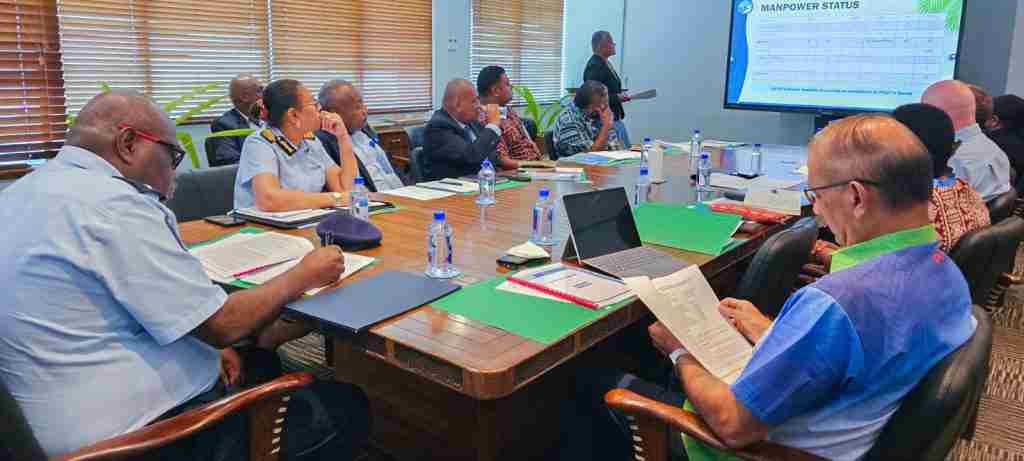
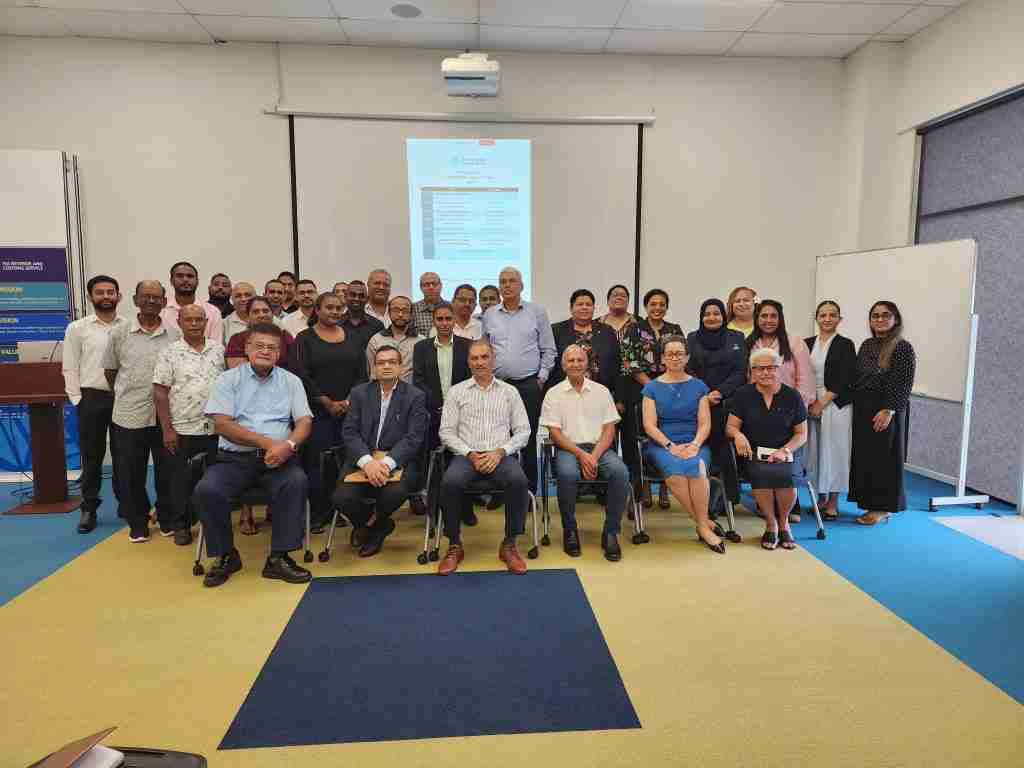
The Fiji Revenue and Customs Service (FRCS) officially launched the National Time Release Study (TRS) Report 2025 for Airfreight Clearance on Friday, 27 February 2026, at its office in Votualevu, Nadi.

FRCS led a joint-agency TRS in collaboration with border agencies and industry stakeholders at Nadi Airport to measure the time required for the release and clearance of imported goods.

During the launch, FRCS Chief Executive Officer, Mr. Udit Singh, emphasized that the TRS is a critical tool enabling FRCS and other border agencies to identify and address bottlenecks within the trade facilitation process.

He noted that airport operations function on a 24/7 basis, making efficient clearance procedures essential for time‑sensitive goods such as pharmaceuticals, perishable items, and high‑value consignments. Given that airfreight is generally more costly than sea freight, Mr. Singh highlighted that any delay or inefficiency can significantly increase costs for both industries and consumers.

Mr. Singh stated that the findings of the TRS will guide efforts to streamline processes, reduce delays, and align national procedures with international best practices. He added that these improvements will not only boost competitiveness but also strengthen Fiji’s reputation as a reliable trading partner within the global supply chain.

“This initiative represents a vital step toward enhancing the effectiveness and efficiency of border procedures, while maintaining the integrity of trade control measures. The TRS will also play a major role in improving the Ease of Doing Business, particularly in the trading‑across‑borders indicator. With the TRS in place, industries will benefit from the standardization of trade processes in Fiji, aligned with international standards,” Mr. Singh said.

He expressed appreciation to the World Customs Organization (WCO) and the World Bank Group expert teams for their technical assistance throughout the TRS 2025 implementation. Their collaboration with the TRS Working Group has been instrumental in strengthening cross‑border procedures and creating a more conducive environment for trade.

Mr. Singh also acknowledged the commitment of the TRS Working Group members and the cooperation of key stakeholders, including the Biosecurity Authority of Fiji (BAF), Air Terminal Services (ATS), the Ministry of Health and Medical Services (MOHMS), and various industry groups that contributed to data collection across airports and airfreight clearance points.

He further noted that the successful implementation of the TRS recommendations will reinforce Fiji’s trade facilitation framework, reduce costs, and support the growth of industries nationwide.

FRCS Partners with Ministry of Justice to Strengthen Tax Education for Non-Profit Organisations

FRCS recently collaborated with the Ministry of Justice to deliver a dedicated capacity-building session for Non-Profit Organisations (NPOs) as part of the Ministry’s NPO Awareness Workshop. The session aimed to equip NPOs with a clear understanding of their tax responsibilities and ensure they meet their obligations correctly and confidently.

NPOs contribute significantly to Fiji’s social and community landscape, supporting areas such as education, religion, sports, welfare initiatives, and broader community development. While Fiji’s tax framework provides exemptions for certain NPO income to help maximise their social impact, it is important to note that business or property income earned by NPOs does not fall under these exemptions and remains taxable.

FRCS Senior Education Manager, Mr. Vilimone Nailotei, led an in-depth presentation covering key topics essential for the effective administration and compliance of NPOs, including:

· Legislative foundations and the definition of NPOs under the Income Tax Act 2015

· Registration for the Taxpayer Online Service (TPOS)

· Taxpayer Identification Number (TIN) registration for NPOs

· Registration requirements for various tax types

· Filing and payment processes

. Proper record-keeping practices.

· Tax implications specific to NPO operations.

· Detailed clarification on Charitable Institutions and measures to address compliance risks.

The session was highly interactive, with NPO representatives seeking clarification on various issues, including customer service processes and operational requirements. FRCS acknowledges the Ministry of Justice for the invitation and the opportunity to support NPOs in strengthening their governance and compliance capacity.

FRCS remains committed to providing ongoing guidance to organisations across all sectors. NPOs requiring further support or information are encouraged to contact us on our toll-free number 1326 or email info@frcs.org.fj.

FRCS Officially Opens New Ba Office, Marking a Milestone in Service Excellence

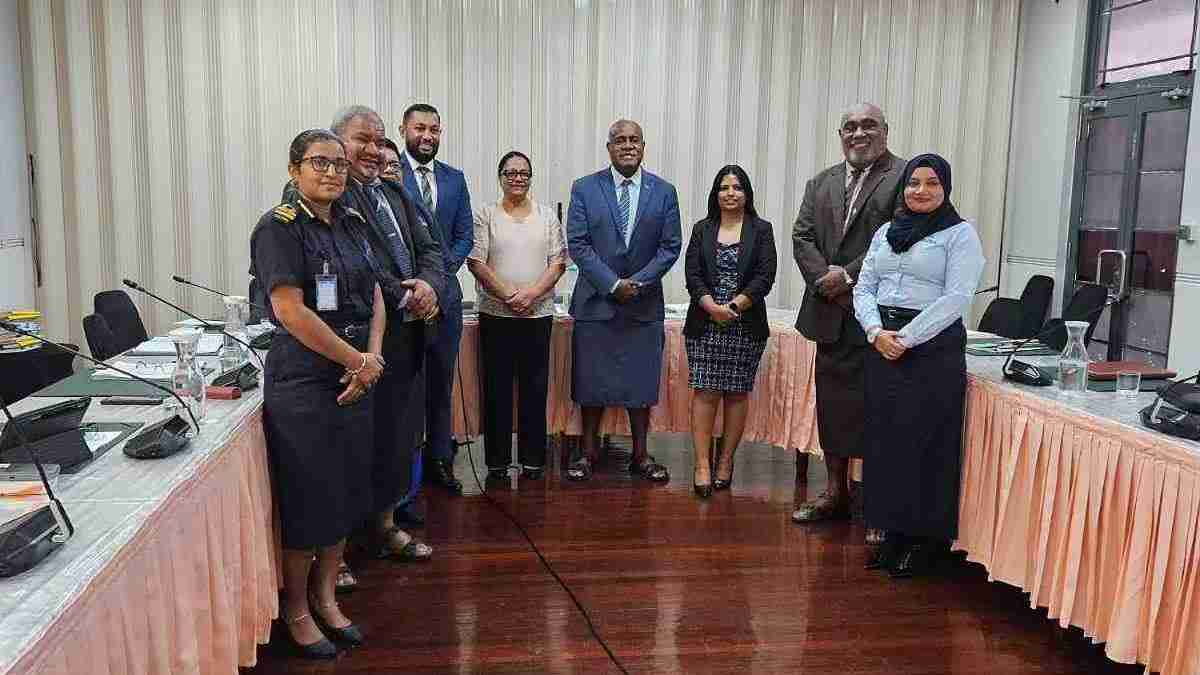
The Fiji Revenue and Customs Service (FRCS) was honoured to have the Minister for Finance, Commerce and Business Development, Hon. Esrom Immanuel, formally open its new Ba office located at FIFA Building, Level 1 (above Bank of South Pacific), Lot 1 & 2 Ganga Singh Street, Ba.

Hon. Immanuel described the opening as a significant milestone that underscores FRCS’s ongoing commitment to service excellence and national development.

“This evening’s opening is more than a physical upgrade. It represents the remarkable progress that FRCS has achieved in recent years. FRCS continues to modernise its systems, strengthen leadership capability, and enhance compliance frameworks, all with the goal of serving taxpayers more efficiently and fairly. These improvements reflect FRCS’s vision of becoming a transparent, responsive, and performance driven organisation,” the Hon. Minister stated.

He further highlighted that FRCS’s progress is also demonstrated on the global stage through Fiji’s recent removal from the European Union list of non-cooperative jurisdictions for tax purposes (EU Blacklist). This achievement followed extensive reforms led by FRCS in tax transparency, governance, and international compliance.

“I wish to acknowledge and thank the Fiji Revenue and Customs Service for the considerable work undertaken to reach this milestone. It required sustained technical expertise, discipline, and commitment over the past three years. This achievement is a strong endorsement of the organisation’s professionalism and integrity, and it reinforces global confidence in Fiji’s tax system. It shows that FRCS is not only enhancing service delivery at the community level, as seen here in Ba today, but also meeting the highest international standards,” he added.

FRCS Board Director, Mr. Jitoko Tikolevu, reaffirmed FRCS’s commitment to being a customer centric and service driven organisation, noting that this principle lies at the core of every strategic initiative.

Mr. Tikolevu emphasised that the new Ba office represents an investment in FRCS customers, staff, and the nation, reflecting the organisation’s dedication to delivering efficient, transparent, and high quality services to the people of Fiji.

FRCS Chief Executive Officer, Mr. Udit Singh, expressed gratitude to stakeholders, the business community, and the people of Ba and surrounding areas for their trust and continued partnership.

“The new Ba office is here to serve you better and to support economic growth and development within the region. This opening is not just about a new facility. It reflects teamwork, partnership, and a shared commitment to strengthening service to our nation,” he said.

Fiji Removed from European Union Blacklist Following Comprehensive Tax Reforms

The Fiji Revenue and Customs Service (FRCS) is pleased to announce that Fiji has officially been removed from the European Union list of non-cooperative jurisdictions for tax purposes (EU Blacklist).

Fiji was first placed on the EU blacklist in March 2019. Fiji was required to address issues related to tax transparency, fair taxation, and the implementation of Base Erosion Profit Shifting (BEPS) minimum standards. Over the last few years, FRCS has undertaken extensive legislative, policy, and institutional reforms to ensure Fiji is successfully removed from the EU Blacklist.

The removal from the EU blacklist restores confidence in Fiji’s tax framework, strengthens Fiji’s international reputation, and demonstrates the country’s commitment to global cooperation and responsible tax governance.

The Minister of Finance, Honourable Esrom Immanuel, stated that removal from the EU Blacklist enhances our international relationship, in particular with countries under the European Union Forum, as this will restore confidence with foreign investors, trading partners and major development partners. This will further enhance our free trade with European Union countries under the EU-Pacific Interim Economic Partnership Agreement.

During the submission of the FRCS 2021–2022 Annual Report to the Standing Committee on Foreign Affairs and Defence on 2 April 2025, the Chief Executive Officer made a commitment that Fiji will secure removal from the EU blacklist within 12 to 18 months. This commitment has now been honoured in 10 months.

The Chief Executive Officer, Mr. Udit Singh, stated that the work undertaken by the FRCS team for the removal of Fiji from the EU blacklist is commendable as it required extensive technical expertise, consistency, and commitment in achieving this important milestone for Fiji. Mr. Singh also expressed his sincere appreciation to the Government of Fiji, the Honourable Ministers for Finance, the Ministry of Finance team, and the Ministry of Foreign Affairs for their continued support and coordination throughout the reform process.

Mr. Singh also acknowledges the technical assistance and continued support provided by the Organisation for Economic Co-operation and Development in ensuring the implementation of required international tax standards for the benefit of the Fijian economy.

FRCS remains committed to maintaining compliance with international standards and will continue with reforms that maximise tax revenue collection, promote tax transparency, fairness, tax compliance and economic resilience.

FRCS Strengthens Tax Awareness Through Radio and Television Outreach

As part of our ongoing commitment to taxpayer education, the FRCS team continued its outreach on key tax issues through popular radio and television programs. Our representatives featured on FBC’s Domo-ni-Vanua and Drishtikon radio talk-back shows, as well as Fiji TV’s Nai Katalau and Na Ketekete Nei Nau.

These sessions covered a broad spectrum of important topics, including Value Added Tax (VAT), the VAT Monitoring System (VMS), Capital Gains Tax (CGT), Pay As You Earn (PAYE), and the critical importance of timely tax filing, payment, and compliance.

Regular appearances on radio and television remain a cornerstone of FRCS’s education and awareness initiatives. Our goal is to empower taxpayers with clear, practical information to help them understand different tax types, how they operate, and what is required to remain compliant.

The radio talk-back programs were highly interactive, with our team addressing questions from listeners in real time. This engagement underscores our commitment to transparency and accessibility.

FRCS also offers free tax education programs covering a wide range of tax and customs topics.

Take the next step toward compliance and confidence! If you have questions or need assistance, please contact us on 324 3000 or 1326, or email info@frcs.org.fj

Our team is here to help you understand your obligations and make the most of available incentives.

FRCS Officers and Key Partners Honoured with WCO Certificates of Merit for Exemplary Service

The Fiji Revenue and Customs Service (FRCS) proudly congratulates twenty of its officers and external stakeholders who have been awarded the prestigious World Customs Organization (WCO) Certificate of Merit during the 2026 International Customs Day celebrations.

The WCO Certificates of Merit recognise individuals and partners who embody the highest standards of Customs service, demonstrating vigilance, integrity, professionalism, and an unwavering commitment to safeguarding society.

FRCS Director Border and Customs, Ms. Shelini Kumar, while announcing the award recipients, emphasised that the honourees were selected not only for exceptional individual performance but for their collective leadership, impact, and strong partnerships across the broader border ecosystem.

She highlighted that the awardees were chosen through a rigorous, merit‑based process assessing demonstrated contributions to trade facilitation, border protection, and revenue integrity. These individuals consistently exceeded their core responsibilities, delivering meaningful outcomes grounded in service excellence.

Ms. Kumar noted that the recognitions include officers who have been instrumental in major interdictions, intelligence‑driven operations, and complex compliance and enforcement initiatives.

“Several recipients were honoured for their sustained excellence over many years, their adaptability across diverse operational settings, and their leadership under pressure. Others were acknowledged for their mentorship, teamwork, and willingness to step up in demanding situations to advance organisational objectives,” she said.

She further underscored the significance of recognising four external partners, noting that this reflects the reality that effective border security is a shared responsibility.

“These external awardees were selected for their outstanding collaboration with Customs—demonstrating proactive information sharing, operational support, and a steadfast commitment to joint enforcement outcomes. Their efforts have strengthened inter‑agency coordination, enhanced compliance systems, and contributed to successful operations that protect communities and safeguard national interests,” Ms. Kumar added.

The inclusion of external partners highlights the essential role of trust, collaboration, and shared accountability across the border management landscape. Together, the internal and external recipients exemplify the professionalism, partnership, and vigilance that modern Customs administrations require to address evolving challenges and risks.

FRCS warmly congratulates all award recipients and extends its deepest appreciation for their exemplary service and dedication.

The recipients includes: Emitai Cabealawa, Kolinio Rokosuka, Solomone Muakalou, Jai Prakash, Jonacani Tamanivalu, Joana Duabaubau, Rauwate Tadai, Selema Rokodurucoko, Lusiana Kunabuli, Poonam Singh, Tokasa Maiwaikatakata, Kelera Rauluni, Ravneel Ram, Deepak Kumar, Alipate Tukana, Mohammed Shahid, Lanieta Bainiua, Viliame Kanawale, Deepika Singh, Razik Khan.

FRCS Commemorates International Customs Day 2026

The Fiji Revenue and Customs Service (FRCS) marked the 2026 International Customs Day (ICD) with an official ceremony at its Headquarters in Nasese, officiated by the Minister for Finance, Commerce and Business Development, Hon. Esrom Yosef Immanuel. The Minister was honoured with a full traditional welcome by FRCS Customs officers.

Observed globally on 26 January, International Customs Day celebrates the essential role Customs administrations play in facilitating trade, securing borders, and protecting communities.

This year’s theme— “Customs: Protecting Society Through Vigilance and Commitment”—underscores the critical responsibility Customs officers hold in safeguarding citizens, ensuring secure and lawful trade, and responding proactively to emerging border threats.

Hon. Immanuel highlighted the significance of this year’s theme, noting that Customs operations have evolved far beyond revenue collection. “Customs today is undeniably a frontline guardian of society. Across the world, and here at home, Customs officers work at the intersection of border security and trade facilitation. Every container examined, every passenger screened, and every document verified represents a decision with national impact. Vigilance is not optional—it is the foundation of our work.”

He noted that increasingly complex global supply chains, expanding criminal networks, and emerging security threats have amplified the importance of Customs.

“Illicit drugs, prohibited weapons, counterfeit goods, environmental crimes, and transnational fraud seek to exploit border vulnerabilities. Customs is our first—and often last—line of defence,” Hon Immanuel. stated.

FRCS Board Chair, Mr. Malakai Naiyaga, reinforced the pivotal national role that Customs plays.

According to Mr. Naiyaga, from a governance perspective, Customs is one of Fiji’s most consequential public institutions. “The decisions made at our borders influence economic confidence, public safety, and the nation’s global reputation, “he stated.

He commended Customs officers for their professionalism and integrity: “Our officers consistently balance firmness with fairness, ensuring enforcement while enabling legitimate trade. Their work protects communities and supports Fiji’s broader development ambitions.”

Mr. Naiyaga also emphasized that effective border management demands strong partnerships across government agencies, private-sector stakeholders, regional counterparts, and the international community.

“These partnerships are essential. Risks today are shared, and so too must be our solutions. We thank all our partner agencies—local and international—for their continued support.”

He also acknowledged the commitment of FRCS leadership and staff navigating an environment of rapid change and evolving challenges. “Progress requires vision, discipline, and a willingness to adapt while holding firm to core principles. That balance is not easy, but it is being pursued with purpose.”

Addressing Customs officers directly, he added: “Your work matters. Your professionalism matters. Above all, your integrity matters. The nation is safer, stronger, and more resilient because of your commitment.”

During the ceremony, twenty FRCS officers and stakeholders were recognised with the World Customs Organization (WCO) Certificate of Merit for their contribution to trade facilitation, border protection, and revenue integrity.

FRCS also introduced the Yacht Management System (YMS) as part of its broader digital transformation agenda.

FRCS Chief Executive Officer, Mr. Udit Singh, noted the global shift toward digital, paperless Customs environments.

“Around the world, Customs administrations are moving decisively toward paperless processes, Single Window systems, and intelligence-led border management—not as optional reforms, but as necessities. Fiji is equally committed to this transformation.”

Introducing the YMS, Mr. Singh highlighted its significance: “The Yacht Management System marks a shift from manual, fragmented processes to a digital, integrated, and risk-based approach. It supports Single Window processing, reduces duplication, and enhances information-sharing across agencies.”

He added that digitisation enables Customs officers to prioritise risk-based interventions.

“By reducing paper-based processing, we improve efficiency, lower costs for government and industry, and allow our officers to focus on intelligence-driven decision-making. As yacht movements increase, this system ensures Customs remains agile, cost‑effective, and secure.”

The YMS reflects FRCS’s commitment to smart regulation, balancing facilitation of legitimate trade with strengthened border security.

FRCS Strengthens Collaboration Through Successful Customs Brokers Forum

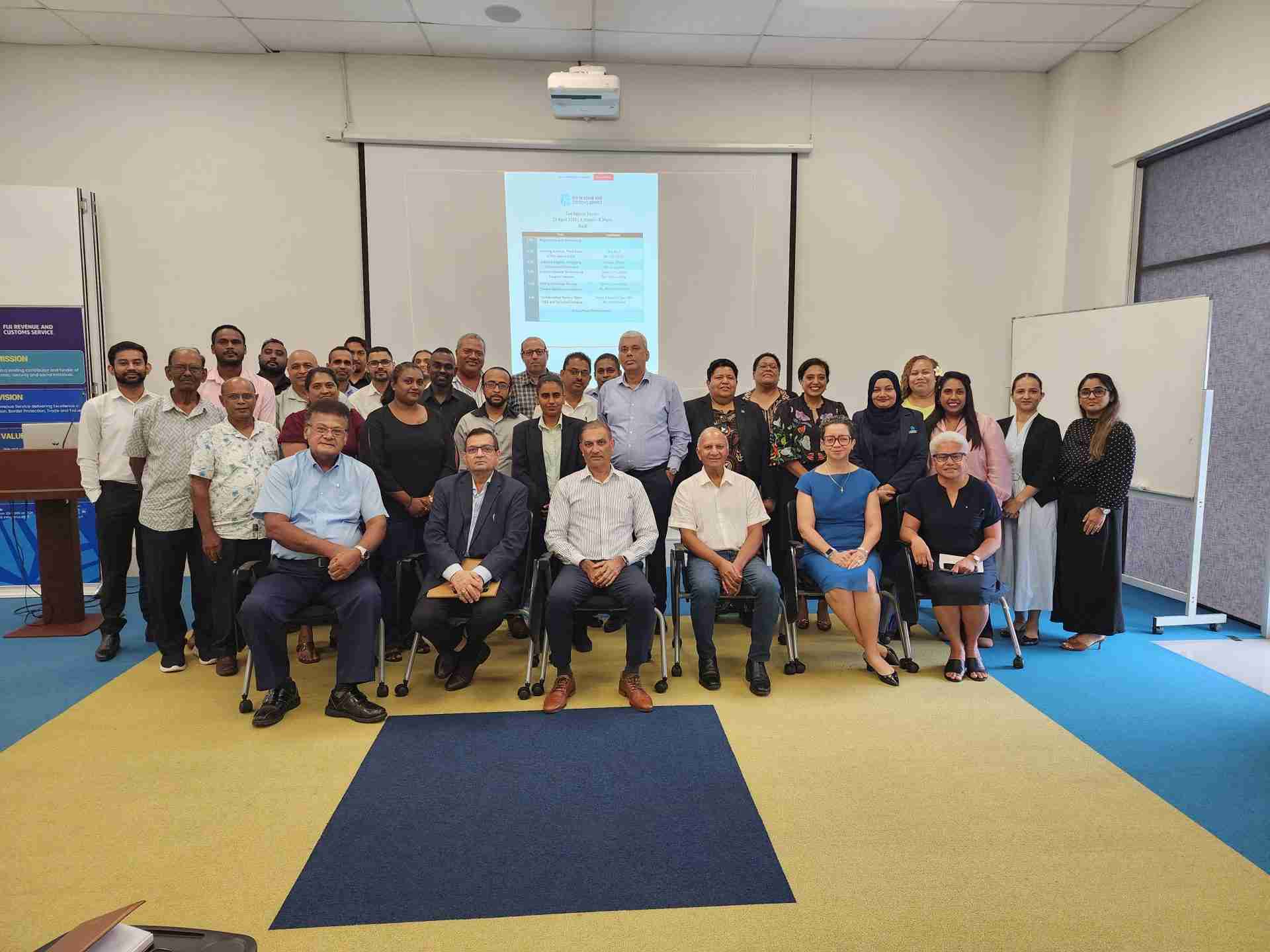
The Fiji Revenue and Customs Service (FRCS) successfully convened a Customs Brokers Forum aimed at updating brokers on key developments in Customs operations, including advance registration of cargo manifests, customs trade analysis, trade standards, the penalty matrix, and other critical regulatory matters.

Customs brokers remain essential partners of FRCS, playing a pivotal role in ensuring that Fiji’s import–export processes function efficiently, transparently, and in full compliance with national laws.

In welcoming participants, FRCS Chief Executive Officer Mr. Udit Singh emphasized the importance of partnership in achieving national economic goals.

“Today, we stand together as partners in a shared mission to facilitate legitimate trade, safeguard our borders, and strengthen the economic prosperity of our nation,” he stated.

Mr. Singh reaffirmed the indispensable contribution of customs brokers, freight forwarders, and authorized clerks, acknowledging them as frontline professionals who uphold the integrity of Fiji’s trade systems.

He highlighted that their diligence not only supports businesses but also reinforces the trust of communities and international trading partners.

Mr. Singh further noted that FRCS’s success is closely linked to its collaboration with industry stakeholders.

“We cannot achieve our mandate in isolation. Collaboration, dialogue, and partnership are essential to building a customs environment that is fair, efficient, and responsive to global trade demands,” he said.

Mr. Singh reiterated FRCS’s commitment to transparency, accountability, service excellence, and continued digital transformation, emphasizing that modernisation efforts are vital to strengthening border protection and enhancing Fiji’s competitiveness.

He thanked the brokers for their professionalism and ongoing support, acknowledging that their active engagement would help shape improvements and innovations in customs processes for the benefit of both trade and society.

The President of the Customs Brokers and Forwarders Council of Fiji (CBFCF), Mr. Ruwel Lal , expressed appreciation to FRCS for hosting the forum and recognizing the value of collaboration between regulators and industry professionals.

He stated that the combined efforts of FRCS and customs brokers are building a stronger, more transparent, and more efficient trade environment for Fiji.

Mr. Lal emphasized the critical responsibility brokers carry as trusted intermediaries in the global supply chain, noting that their work extends well beyond documentation.

He encouraged members to uphold the highest standards of professionalism, transparency, and accountability while embracing innovation, automation, and digital transformation to keep pace with international trade developments.

The forum concluded with an interactive session, allowing participants to ask questions, provide feedback, and share ideas.

FRCS reiterated its commitment to learning from the insights of customs brokers and strengthening this longstanding partnership as part of its commitment to continuous improvement and stakeholder engagement.