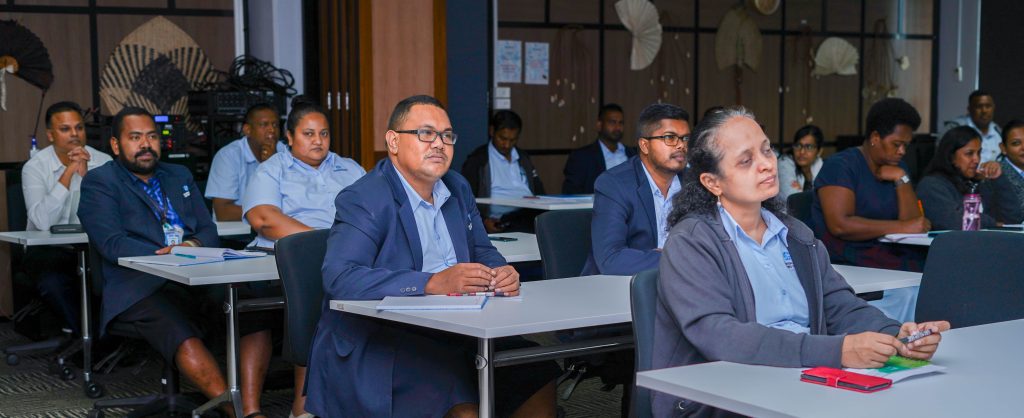
OECD BEPS Minimum Standards and Two Pillar Solution Workshop at FRCS
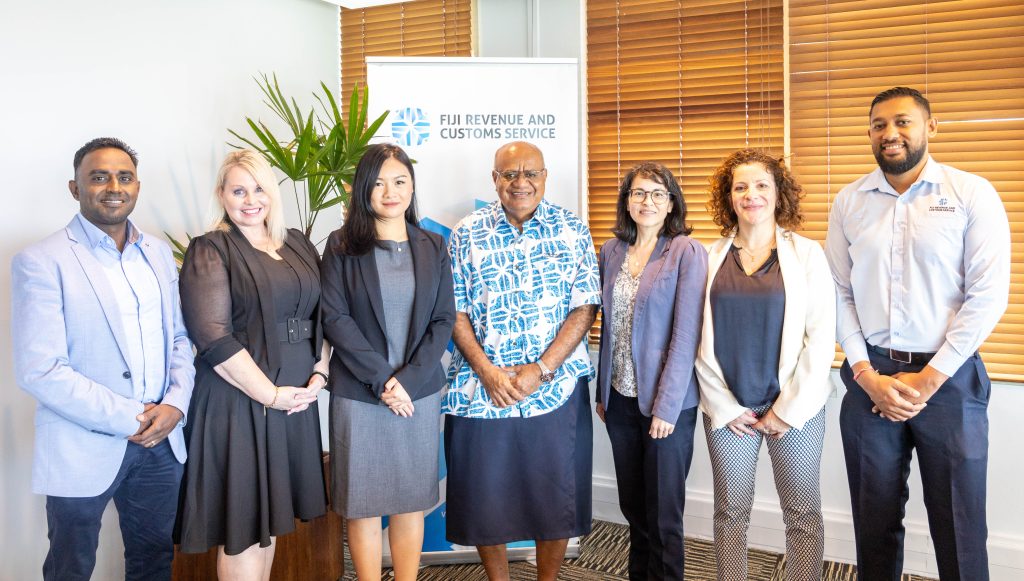
 

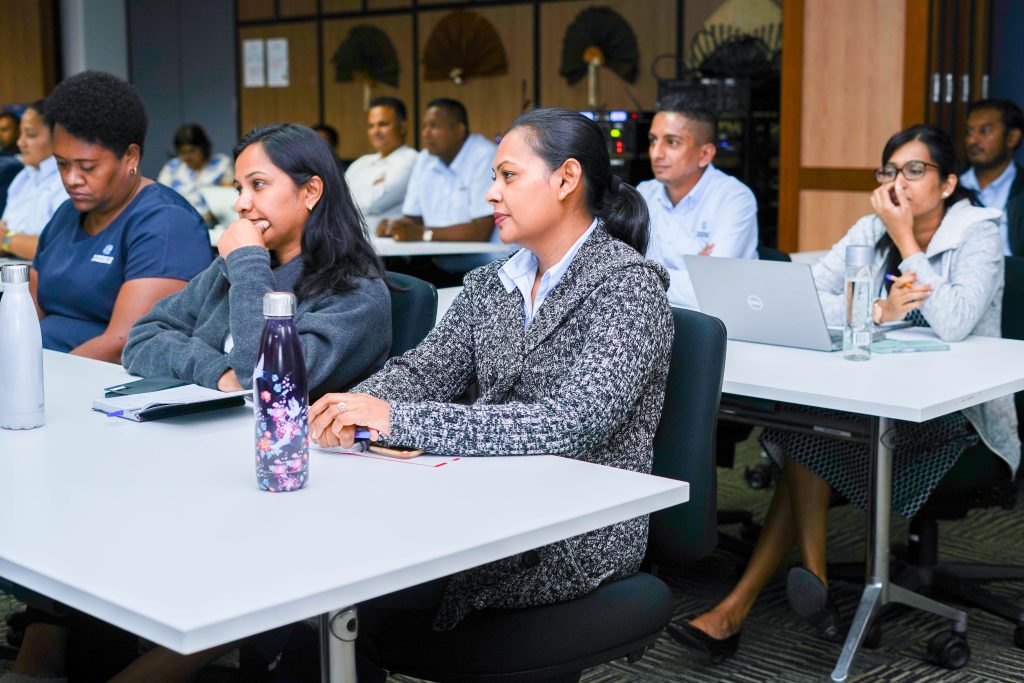
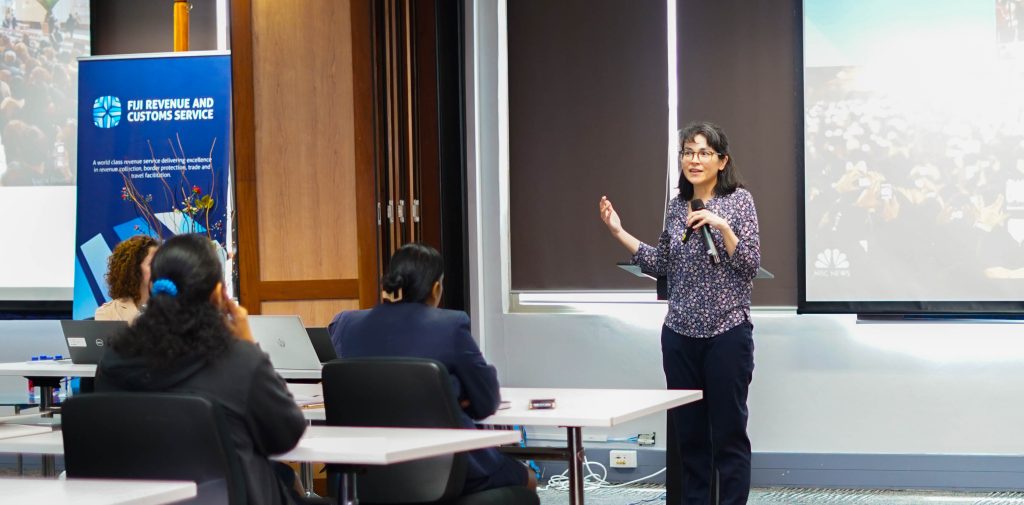
The Organisation for Economic Co-operation and Development (OECD) held the Base Erosion and Profit Shifting (BEPS) minimum standards and two pillar solution  workshop for FRCS staff.

The OECD/G20 BEPS Project aims to create a single set of consensus-based international tax rules to address BEPS, and hence to protect tax bases while offering increased certainty and predictability to taxpayers.

Attended by auditors, technical analysts, policy officers, risk profilers, technical specialists, lawyers and managers from the operations, Intelligence, Compliance and Investigations, Corporate and Taxation team, the BEPS workshop mainly focused on the overview of the BEPS project and the BEPS Inclusive Framework , its objectives, role and governance. The workshop also highlighted the obligations and commitments associated with BEPS Inclusive Framework membership, as well as its benefits.

Discussions during the workshop also included the topics of harmful tax practices, description of the elements of Country- by- Country (CbC) reporting standards and the requirements to be met in order to start receiving CbC data, overviews of the two pillar solutions and peer reviews on harmful tax practices, CbC reporting and treaty abuse.

We would like to thank OECD Secretariat and the facilitators Ms. Melinda Brown and Ms. Laura Stefanelli for this workshop.
 

Master Trainers Programme Strengthens Development of Customs Trainers in the Pacific

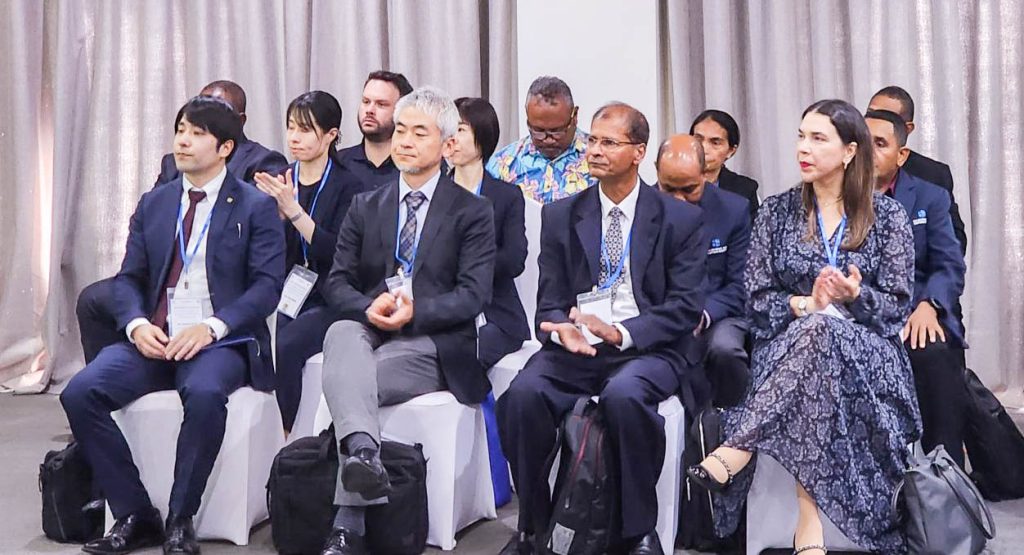
The World Customs Organization – Organisation Mondiale des Douanes (WCO), in corporation with the Japan International Cooperation Agency (JICA) held the fifth Working Group Activity of the Master Trainers Programme (MTP) on the Customs Valuation (CV) and HS classification at the Nalagi Hotel in Nadi, Fiji.
 
This Programme is for the Pacific Islands Customs Administrations including Fiji, Papua New Guinea (PNG), Samoa, Timor-Leste, Tonga and Vanuatu and was attended by 25 participants. The fifth Working Group consisted of two sessions. The first week was to certify the MTP Working Group members as Master Trainers through a practice training session, i.e. conducting a training session using the training materials that the MTP members have been developing, with the experts evaluating their performance.
 
The second week will be dedicated to a WCO Pre-Accreditation Workshop, allowing participants the opportunity to become WCO pre-accredited experts and later, they will be certified as fully accredited experts once they successfully co-facilitate a WCO field mission. Thereafter, they will be expected to deliver capacity-building activities worldwide on behalf of the WCO.
 
The MTP is a joint endeavor under WCO/JICA to develop sustainable and self-contained training capacity within the Customs Administrations by developing a pool of well-experienced trainers and regionally tailor-made training materials and programs to be used by these trainers.
 
During the course of the of the Working Group Activity, the participants enhanced their training skills as well as expertise in Customs Valuation and HS classification necessary to conduct training as the expert trainer. Participants’ active contribution resulted in the successful Working Group Activity. The exchanges during the group activity seemed very promising for the progression of the MTP and its application. All participants expressed their appreciation to the WCO and JICA.
 
Upon completion of the MTP, successful alumni are expected to become a common asset and contribute to the sustainable economic development of Pacific region through Customs modernization.


FRCS participates with BusinessNOW Talanoa Session with MTCSMEC

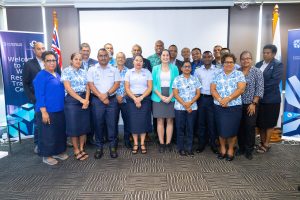
FRCS was invited by the Deputy Prime Minister and Minister for Trade, Cooperatives, Small and Medium Enterprises and Communications, Hon. Manoa Kamikamica to participate in a talanoa session on businessNOW Fiji—the Fiji Government’s Ease of Doing Business Project.
 
The businessNOW portal has been designed to serve as Fiji’s comprehensive platform for entrepreneurs and investors, simplifying the intricacies associated with establishing a business in our country. This portal streamlines the two critical pillars of doing business in Fiji—starting a business and investing in construction projects, which will expand to other services.
 
The Hon. Deputy Prime Minister has embarked on a series of talanoa sessions to engage with the relevant agencies and organizations, including FRCS on the Ease of Doing Business Project.
The talanoa session with FRCS provided an excellent opportunity for our team to have a direct dialogue with the Hon. Deputy Prime Minister, addressing concerns, sharing thoughts, and exploring a way forward.

MOU To Strengthen Collaboration Between FRCS and FPCL

The Fiji Revenue and Customs Service (FRCS) signed a Memorandum of Understanding (MOU) with the Fiji Ports Corporation Limited (FPCL) to establish a framework for collaboration and cooperation in delivery of services in Fiji within the vicinity of seaport entry.

Under the MOU both parties will consult and assist each other on sharing of relevant information and resources, develop and implement enforcement strategies and strengthen capacity building activities such as joint operations or training to ensure both parties are able to carry out their respective mandated and legislated functions and operations.

The FRCS will offer training sessions to FPCL officers covering taxation, customs, and border control matters. Additionally, it will collaborate with FPCL by exchanging pertinent customs border data, offering advice on the technical aspects of collaborative operations, and keeping FPCL informed about any updates or changes to FRCS policies or laws. In return, FPCL is tasked with sharing necessary information, such as vessel schedules and details of FPCL-owned facilities, essential for FRCS to fulfill its border-related duties effectively. FPCL is also committed to sustaining its support for FRCS in terms of fostering partnerships and maintaining business continuity.

The MOU was signed by FRCS Acting CEO Mr. Malakai Naiyaga and FPCL CEO Mr. Vajira Piyasena at the FRCS Headquarters in Nasese, Suva.

“Maritime transport accounts for almost 80% of the global trade volumes. Hence, maritime stakeholders, including FPCL are FRCS’s key strategic partners in border management. Strengthening cooperation between FRCS and FPCL will significantly enhance the efficiency and effectiveness of both FRCS and FPCL in facilitating and controlling the transportation and movement of goods across borders which are critical to the development of our national economy and for economic growth,” Mr. Naiyaga said.

“Working together closely will enable FRCS and FPCL to ensure that necessary inspections and formalities are completed in a timely and efficient manner, and in protecting our major seaports from any breaches. Given the nature of our borders and resource challenges that we have, I cannot overstress the importance of effective collaboration amongst relevant agencies in our border protection. The signing of the MOU is a step forward towards that,” he stated.

WCO Mission on AEO in Fiji

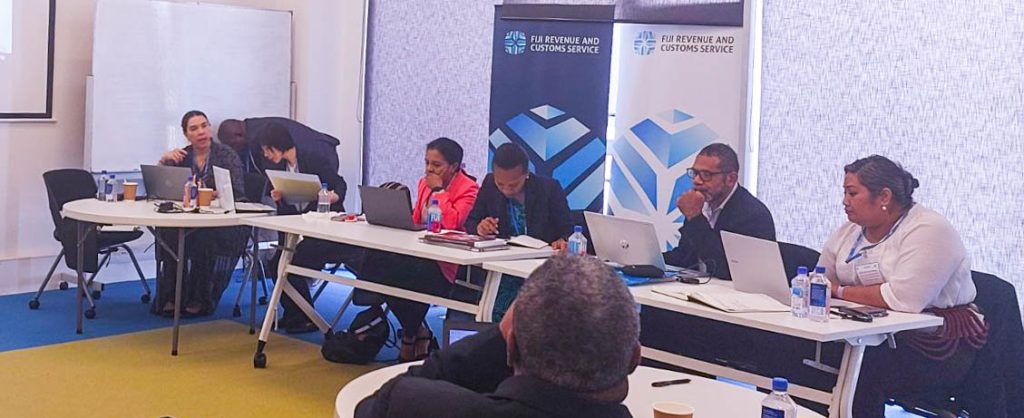
We were pleased to have the World Customs Organization – Organisation Mondiale des Douanes (WCO) mission to support the Authorised Economic Operator (AEO) Programme that was implemented in Fiji in 2018.
 
The AEO concept is based on the Customs-to-Business partnership introduced by the WCO. The programme aims to enhance international supply chain security and to facilitate legitimate trade.
The benefits of AEO include faster processing and clearance of cargo, deferred payment of duty, direct port delivery/entry, and benefits under Mutual Recognition arrangements (MRA).
The Fiji AEO Framework was established in 2018 and is managed by our Gold Card Services. Currently FRCS has seven AEO certified companies.
The objective of the WCO mission was to:
 
  • Enhance the knowledge of Customs officers on the AEO Programme
  • Reform the current AEO programme in Fiji
  • Consider how other supply chain actors can be included in our AEO programme.
  • Discuss the steps that need to be taken to sign a Mutual Recognition Agreement with other Customs administrations.
 
As an outcome of the mission, FRCS will review their current AEO programme to see how it can be extended to other players in the supply chain. We are grateful for the support provided by the WCO.