
Board of Management Meeting Strengthens Fiji’s Border Security Framework

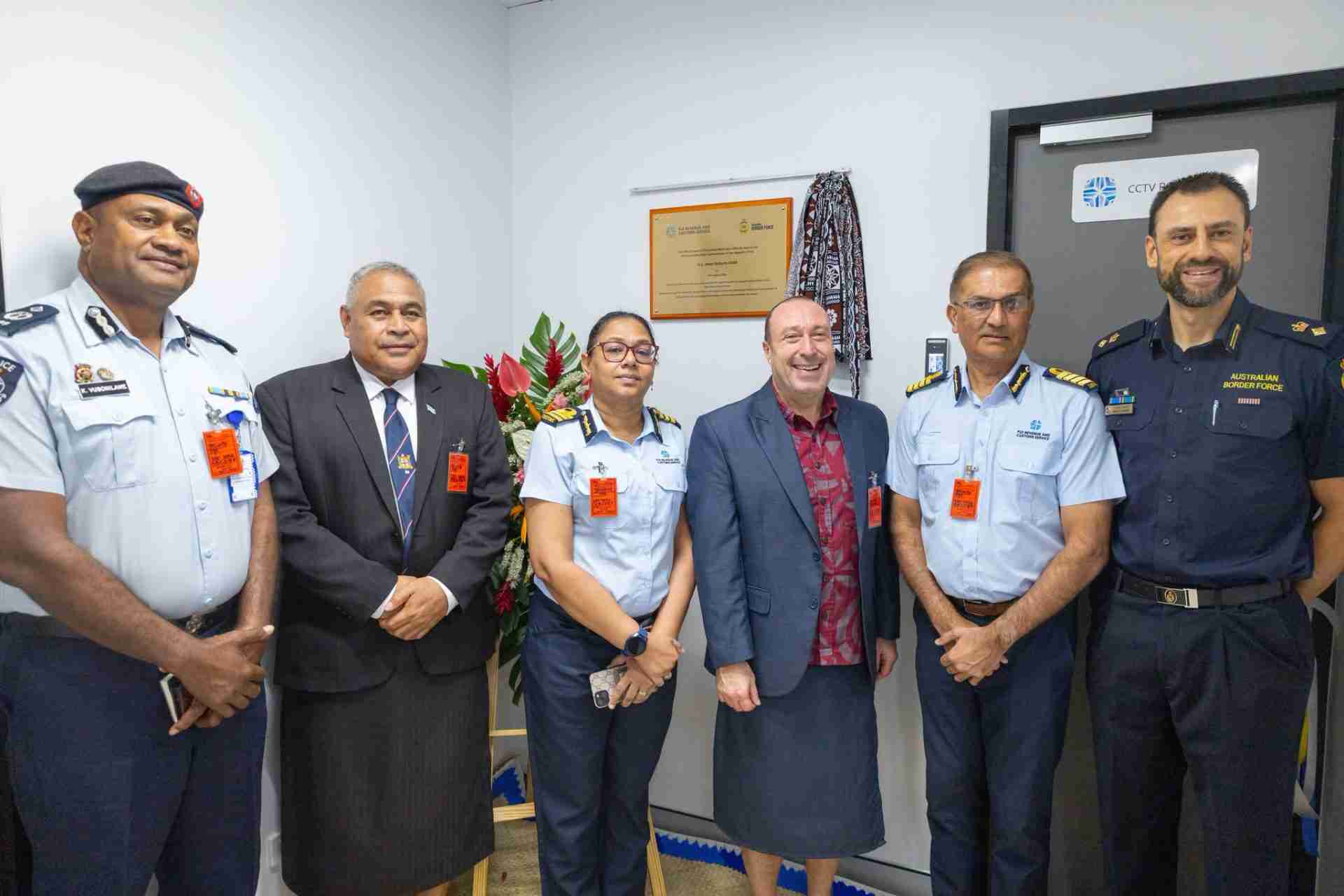
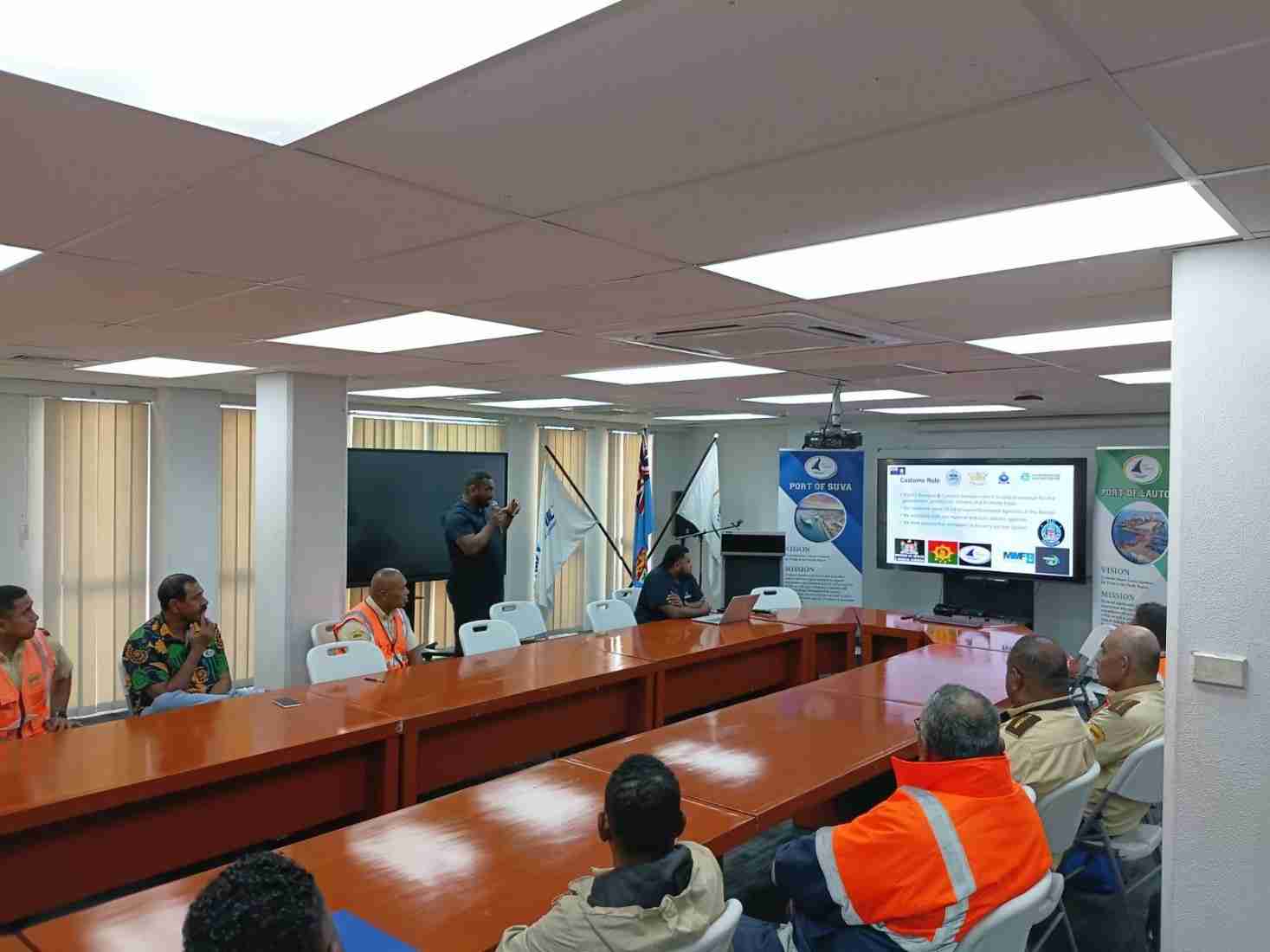
FRCS hosted a Board of Management (BOM) meeting in Suva, chaired by the Commissioner of Police (COMPOL), Mr. Rusiate Tudravu. Also present at the meeting were the CEO of FRCS, the Acting Director of Immigration, senior officials from Police, Immigration, and FRCS, along with representatives from the Australian Federal Police (AFP).

The meeting focused on discussions around the review of the Memoranda of Understanding (MOUs), Standard Operating Procedures (SOPs), Joint SOPs, and Terms of Reference. These deliberations form part of a broader effort to revamp the BOM platform, ensuring stronger governance, clearer coordination, and more effective collaboration across agencies.

The engagement highlighted Fiji’s recognition that modern border management requires not only operational capacity but also robust frameworks for intelligence sharing, joint enforcement, and accountability. The participation of the AFP underscored the importance of international partnerships in tackling organized crime, drug trafficking, money laundering, and cyber-enabled threats.

By focusing on the review and modernization of these foundational instruments, Fiji is reinforcing its commitment to proactive, intelligence-led border security. The BOM meeting demonstrated the collective resolve of national and international agencies to safeguard Fiji’s borders, enhance regional stability, and contribute meaningfully to global security efforts.

FRCS Reports Strong Financial Performance and Advances in Compliance Transformation

FRCS Executive Leadership Team (ELT) presented its 2023–2024 Annual Report to the Standing Committee on Economic Affairs, highlighting a year of significant achievement and strategic progress.

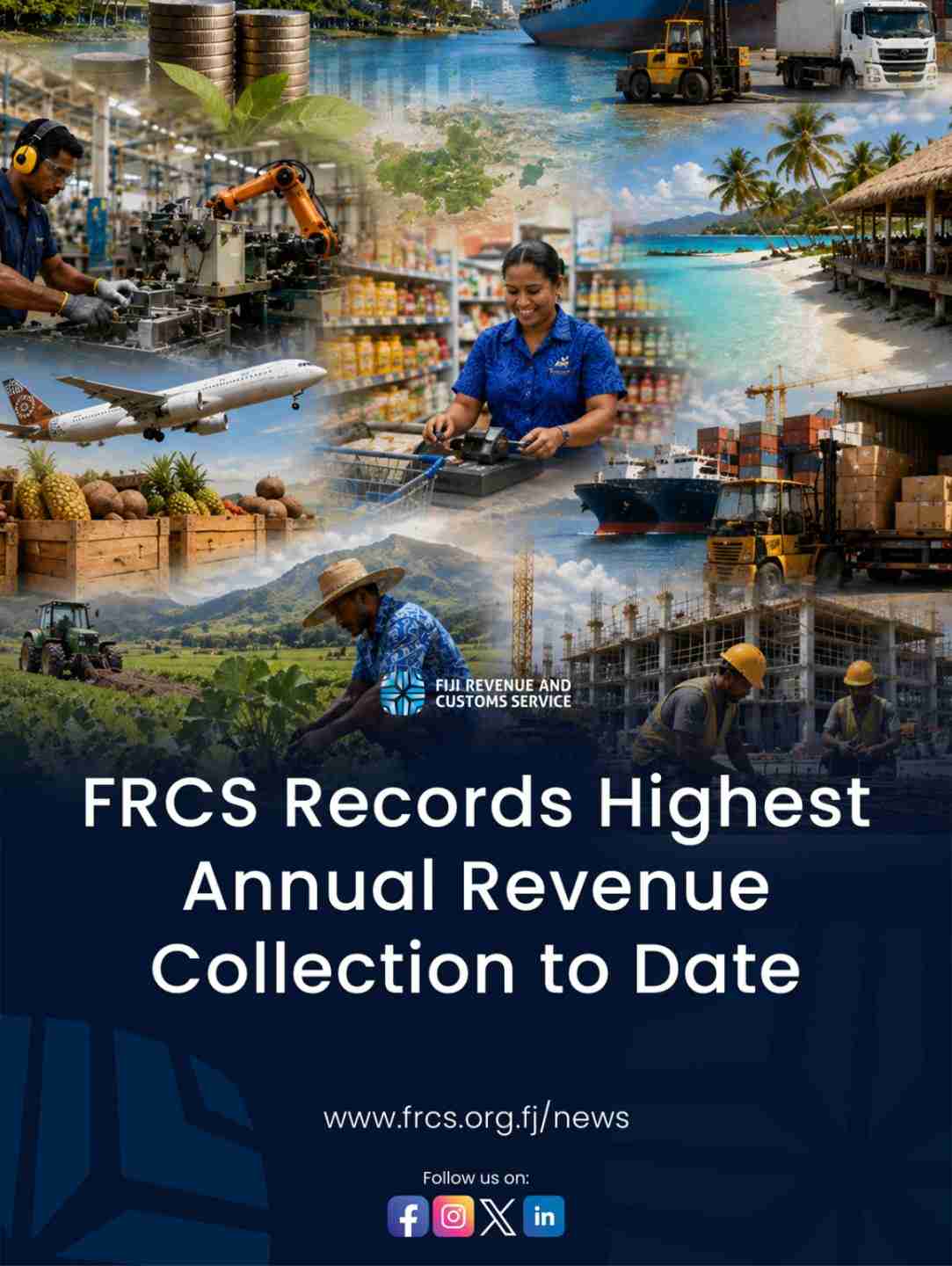
Chief Executive Officer, Mr. Udit Singh, described the 2023–2024 financial year as a milestone for FRCS, with the organisation delivering a record $3.1 billion in revenue, an exceptional growth of 35.8 percent. This marked the first time FRCS surpassed the $3 billion revenue benchmark, reflecting strong national economic recovery.

Mr. Singh noted that this performance was driven by a broad-based rebound in tourism consumption and trade, alongside a growing contribution from Value Added Tax (VAT), which accounted for approximately 44 percent of total revenue. He also emphasised FRCS’s continued shift toward data-driven compliance, supported by enhanced digital systems such as the Taxpayer Online Service (TPOS).

“These results demonstrate a strong rebound and an evolving revenue structure that reflects consumption-led growth,” Mr. Singh said. “They also highlight the importance of strengthening compliance systems and operational capabilities to sustain long-term performance.”

He acknowledged that the year also brought valuable insights into areas requiring further enhancement, including the management of refund liabilities, system capacity during digital transitions, and risks associated with informal sector activities and illicit trade. These insights have informed FRCS’s strategic priorities moving forward.

Mr. Singh informed the Committee that in the 2024–2025 fiscal year, FRCS has made targeted progress in addressing these areas. Revenue increased further to $3.48 billion, with growth moderating to a sustainable 12.3 percent. Strategic compliance initiatives have delivered measurable outcomes, including the identification of $45 million in tax liabilities, with approximately $30 million already collected.

The Tax Amnesty Programme also achieved strong results, generating $75 million in collections and facilitating the filing of over 40,000 tax returns. In parallel, FRCS has made substantial progress in reducing refund backlogs, stabilising digital systems, and strengthening both service delivery and enforcement capabilities.

“In summary, FRCS is transitioning from a recovery-driven phase to a more stable, compliance-led and digitally enabled revenue system,” Mr. Singh stated. “Our focus remains on building resilience and addressing structural risks identified during the 2023–2024 financial year.”

Mr. Singh highlighted that FRCS is making strategic investments in the development of a Single Window System, an integrated digital platform that will allow traders to submit all import, export, and regulatory documentation through a single entry point. This initiative is expected to streamline and standardise border processes, improve efficiency and turnaround times, strengthen inter-agency coordination, and reduce compliance costs for businesses. Importantly, it will enhance transparency and enable data-driven decision-making, significantly strengthening risk management capabilities to better detect and deter illicit trade. In the context of evolving border security challenges, this system will play a critical role in safeguarding Fiji’s borders while facilitating legitimate trade in a more secure and controlled environment.

He further noted that the implementation of the FRCS Yacht Management System has already improved the management of yacht arrivals and departures through a streamlined digital platform. The system simplifies clearance processes, enhances service delivery, and reduces administrative burdens for both officers and stakeholders. At the same time, it strengthens monitoring and compliance by providing greater visibility over vessel movements, thereby contributing to stronger border control, and supporting Fiji’s overall maritime security framework.

Deputy Chair of the Standing Committee on Economic Affairs, Ms. Premila Kumar, commended FRCS for its performance, noting the positive feedback received from customers regarding service improvements. Ms. Kumar highlighted the impact of TPOS in enhancing accessibility and convenience for taxpayers and praised FRCS as a benchmark for customer service across government agencies.

“We have started using FRCS as a benchmark when assessing improvements in customer service within government departments. This is a commendable achievement,” she said. She also congratulated FRCS on its role in supporting Fiji’s removal from the European Union (EU) blacklist, recognising this as a significant milestone for the nation.

FRCS Hosts Tax Agents Forum in Nadi to Strengthen Collaboration and Tax Administration

FRCS successfully hosted the Tax Agents Forum in Nadi recently, bringing together registered Tax Agents, senior FRCS leadership, and members of the Tax Agents Board for a constructive and forward-looking dialogue on Fiji’s tax administration landscape.

This forum marked the first occasion on which the Tax Agents Forum was convened with the participation of the Tax Agents Board, underscoring a shared commitment to strengthened collaboration, transparency, and continuous improvement within the tax profession.

The Chief Executive Officer of FRCS and Chairman of the Tax Agents Board, Mr. Udit Singh outlined the evolving role of Tax Agents and shared perspectives on the future direction of tax agency services in Fiji.

Participants also benefited from:

• Industry insights on addressing operational challenges faced by Tax Agents.

• A strategic update from FRCS on the modernisation of taxation services and enhancements to service delivery.

• A compliance-focused overview highlighting shared responsibilities and practical outcomes.

• An open question-and-answer session and technical discussion, facilitating meaningful engagement and the exchange of views between Tax Agents and FRCS officials.

FRCS extends its sincere appreciation to all speakers, members of the Tax Agents Board, and participating Tax Agents, both in person and online, for their valuable contributions and active engagement.

FRCS also looks forward to building on the outcomes of these discussions as it continues to work collaboratively with Tax Agents towards seamless compliance and a stronger, more efficient tax system for Fiji.

FRCS Engages With UK National Crime Agency to Enhance Transnational Crime Enforcement

Senior representatives from the United Kingdom’s National Crime Agency (NCA), executives Daniel Newell and Laura Boon, accompanied by a senior official from the British High Commission, met with officials of the Fiji Revenue and Customs Service (FRCS) at the FRCS headquarters to discuss enhanced cooperation in combating transnational, serious, and organized crime.

The meeting provided a platform for substantive dialogue on strengthening institutional networks and operational linkages between Fiji and the United Kingdom’s law enforcement agencies. Both parties recognized the critical importance of sustained collaboration in addressing the increasingly complex and cross-border nature of organized crime.

The discussions further provided a valuable opportunity to explore and deepen cooperative efforts across several key priority areas. These encompassed the investigation of environment exploitation, cybercrime prevention, incident of increase seizures of drugs, and the establishment of robust intelligence sharing frameworks. In addition, discussions were held regarding the forthcoming implementation of the FRCS Yacht Management System (YMS), which is anticipated to play a significant role in enhancing maritime oversight and regulatory compliance within the region.

Furthermore, the FRCS emphasized that tackling drug infiltration at the border requires a collective partnership between law enforcement agencies, regulators, and industry stakeholders through a unified strategic drive. It was noted that Fiji’s border control agencies have a strong capability to maintain pressure across Fiji’s maritime domain to advance and protect the sovereignty. The NCA team assured their support in information and intelligence sharing with FRCS to curb transnational organized crime and their networks.

FRCS assured that their continuous seizures is a significant step in strengthening the security, resilience and enforcement of legitimate trade and travel across their borders. FRCS under the WCO SAFE framework will continue to work with its international partners to exchange information and build capability to deter, detect and dismantle the crime network through effective partnership and capital investment in areas of border security.

FRCS also expressed its strong commitment to engaging with international partners in pursuit of shared security objectives. The FRCS further conveyed its sincere appreciation for the continued support extended by the British Government, implemented in conjunction with the United Nations Office on Drugs and Crime (UNODC), in advancing Fiji’s law enforcement capacity and regional security efforts.

FRCS Enhances Outreach to Sigatoka Market Vendors

FRCS, through its Micro, Small and Medium Enterprises (MSME) Team, recently conducted an outreach visit to the Sigatoka Market to engage directly with produce suppliers, middlemen, and vendors. The initiative aimed to raise awareness and provide practical guidance on essential tax and compliance requirements.

During the visit, vendors received hands-on education on key areas including business registration, record keeping, filing obligations, and general tax processes. This proactive engagement underscores FRCS’s ongoing commitment to supporting small business operators by delivering services in a manner that is accessible, practical, and minimally disruptive to their daily operations.

By taking its services directly to the marketplace, FRCS ensured that vendors were able to receive compliance support without interrupting normal trading hours. This people-cantered approach not only strengthens vendor confidence but also promotes inclusivity and encourages sustainable and responsible business practices across Fiji’s marketplace economy.

FRCS remains committed to empowering micro, small, and medium enterprises with the knowledge and tools they need to succeed, while fostering a culture of compliance, transparency, and long-term economic resilience.

Fiji–UK Security Partnership Strengthened Through Advanced Border Equipment Handover

The Fiji Revenue and Customs Service (FRCS) welcomed the receipt of advanced border security equipment from the Government of the United Kingdom, marking a significant milestone in strengthening Fiji’s border control capabilities. The Right Honourable Seema Malhotra, Member of Parliament, and Minister of State for the Indo Pacific, formally handed over the equipment at the FRCS Headquarters in Suva to FRCS Board Director, Mr. Jitoko Tikolevu.

The donation includes state of the art handheld devices such as TruNarc analysers, 1064 First Defender instruments, and pocket drug testing kits. These tools will substantially enhance the operational effectiveness of FRCS frontline officers by enabling rapid, real-time detection and identification of high-risk substances. The technology will support efforts to detect, disrupt, and deter the smuggling of controlled drugs, including methamphetamine, cocaine, ketamine, MDMA, fentanyl, and other chemical precursors across Fiji’s borders.

The equipment represents a tangible outcome of the strong collaboration between FRCS and the Government of the United Kingdom, delivered in partnership with the United Nations Office on Drugs and Crime (UNODC). The support has been provided through the Passenger and Cargo Control Programme (PCCP), which integrates technical expertise with targeted donor assistance to strengthen frontline border operations.

Mr. Tikolevu expressed his sincere appreciation to the Government of the United Kingdom for its continued and strategic support, noting that the donation goes beyond the provision of equipment. He emphasized that it represents a long-term investment in Fiji’s border security capacity through intelligence led operations, advanced technology, and strengthened institutional capability.

FRCS also extends its gratitude to UNODC for its ongoing technical assistance, expertise, and steadfast partnership in supporting border control efforts across Fiji.

FRCS and UNODC Strengthen Collaboration on Waste Management and Border Control

The Fiji Revenue and Customs Service (FRCS) last week hosted officials from the United Nations Office on Drugs and Crime (UNODC) under its Passenger and Cargo Control Programme (PCCP) as part of a technical mission focused on countering illegal hazardous waste trafficking.

The engagement brought together technical experts and frontline officers to assess current border control frameworks, identify operational gaps, and explore practical strategies to strengthen Fiji’s capacity in managing and monitoring hazardous waste movements across its borders.

Throughout the mission, FRCS provided strong institutional support, including facilitating high-level discussions, technical consultations, and coordinated port visits. These engagements enabled a comprehensive assessment of existing systems and reinforced the importance of intelligence-led, risk-based border management in addressing emerging environmental threats.

UNODC acknowledged the professionalism, cooperation, and technical contributions of FRCS officers, noting that their active participation significantly enhanced the quality and outcomes of the mission.

This collaboration reflects FRCS’s continued commitment to safeguarding Fiji’s borders and environment, while aligning with global efforts to combat transnational environmental crime. Strengthened partnerships such as this ensure that Fiji remains proactive in addressing complex challenges such as illegal hazardous waste trafficking, which poses serious risks to public health, ecosystems, and national security.

FRCS looks forward to building on this partnership with UNODC and advancing coordinated national and regional efforts to strengthen border controls, enhance information-sharing, and promote sustainable waste management practices across Fiji and the wider Pacific region.

FRCS Engages Fuel and Bus Operators to Mitigate Impact of Rising Fuel Costs

The Fiji Revenue and Customs Service (FRCS) last week convened a high-level consultation with key fuel suppliers and public transport operators to develop coordinated solutions aimed at easing the impact of rising fuel costs on the Fijian economy.

This engagement forms part of Government’s proactive response to global market disruptions arising from the ongoing geopolitical conflict, which continues to exert upward pressure on fuel prices internationally. Recognising the direct and indirect effects on businesses and households, FRCS is working collaboratively with industry stakeholders to identify practical, targeted interventions.

A central focus of the discussions was to safeguard the public transport sector as an immediate priority. Given its critical role in supporting daily mobility, employment access, and economic activity, stakeholders agreed that ensuring the sustainability of bus operators, without passing undue burden onto commuters, is essential.

The first phase of the proposed approach therefore centres on ensuring that public transport providers are not disproportionately affected by escalating fuel costs. This includes exploring mechanisms to stabilise operational costs and maintain fare affordability for the public.

These proposals have been deliberated in close consultation with the Ministry of Finance, ensuring alignment with broader fiscal policy and national economic priorities. The collaborative framework reflects a whole-of-government and whole-of-industry approach to managing external economic pressures.

FRCS Chief Executive Officer Mr. Udit Singh noted that: “This engagement underscores our commitment to working alongside industry to develop balanced, responsive solutions. In times of global uncertainty, strong partnerships and coordinated action are critical to protecting both economic stability and the welfare of our people.”

FRCS will continue to facilitate ongoing dialogue with stakeholders as further phases of the response are refined and implemented. Additional measures may be considered as global conditions evolve, with a continued focus on equity, sustainability, and economic resilience.