Supporting the Fijian Diaspora Through Tax Awareness and Digital Services

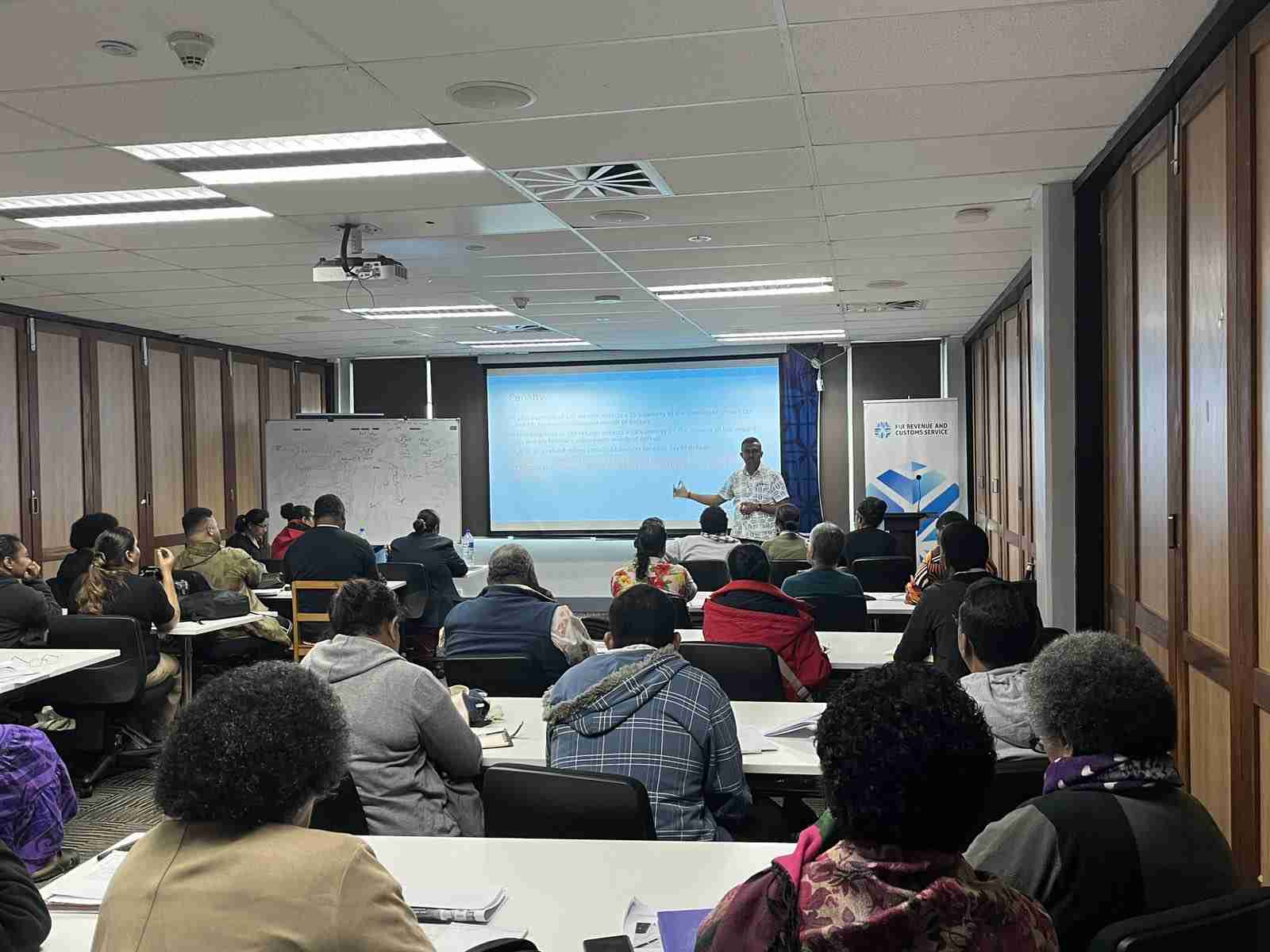
We were pleased to partner with the Fiji Trade Commission North America to deliver an online seminar focused on providing a general overview of Fiji’s tax system for the Fijian diaspora. The session guided participants through the process of registering for a Taxpayer Identification Number (TIN) using the Taxpayer Online Service (TPOS), while also highlighting key digital services offered by FRCS that support individuals pursuing investment and business opportunities in Fiji.

Our team covered important topics including updating taxpayer information on TPOS, business registration procedures, and the obligations of non-resident individuals. In addition, they addressed a range of other relevant tax matters and responded to participant queries during the session.

We appreciate the opportunity to engage with the diaspora and remain committed to supporting their understanding and compliance with Fiji’s tax system.

FRCS Reports Strong 11-Month Revenue Performance As Government Tracks Towards Annual Revenue Target

The Fiji Revenue and Customs Service (FRCS) has recorded net revenue collections of $3.226 billion for the first eleven months of the 2025–2026 financial year, placing Government revenue $156.9 million (5.1%) above the year-to-date forecast and $52.3 million (1.6%) ahead of the same period last year.

The Government’s net revenue target for the financial year ending 31 July 2026 is approximately $3.37 billion. With 95.7% of that target already achieved and one month remaining, FRCS is well positioned to meet, and potentially modestly exceed, the annual target, subject to normal revenue performance in July.

For the month of June alone, FRCS collected $430.1 million, exceeding the monthly forecast by $75.8 million (21.4%) and outperforming June 2025 collections by $49.6 million (13.0%).

Chief Executive Officer Udit Singh said the results demonstrate the resilience of Fiji’s revenue base and the effectiveness of FRCS’s compliance and revenue collection programs, despite a more challenging domestic and global economic environment.

“The Reserve Bank has recently highlighted a more cautious outlook for economic growth due to global uncertainty, higher fuel prices and geopolitical developments. Against that backdrop, these results are encouraging and reflect the resilience of Fiji’s taxpayers, businesses and the broader economy.”

The strongest contributors to revenue growth during the year were Company Income Tax, PAYE and Value Added Tax, supported by positive performances in Excise Duty, Capital Gains Tax and Departure Tax.

The continued strength in Company Income Tax reflects healthy profitability across many sectors of the economy, while PAYE collections indicate that employment and wages have remained resilient. Strong Domestic VAT collections also demonstrate that business activity and consumer spending remained relatively stable throughout much of the financial year.

Mr. Singh said the revenue performance reflects more than inflation alone.

“While imported inflation and higher prices have contributed to growth in some revenue lines, the overall performance has been driven by a combination of genuine economic activity, resilient businesses, sustained employment and stronger tax compliance. At FRCS, we have continued to strengthen intelligence-led compliance, debt recovery, audit programmes and digital risk management, ensuring a fairer and more effective tax system.”

FRCS also continued to process legitimate taxpayer refunds efficiently, with refunds representing 8 percent of gross revenue, supporting business cash flow while maintaining the integrity of the revenue system.

Looking ahead, Mr Singh said FRCS will continue to monitor domestic and international economic developments closely.

“The coming months will provide a clearer picture of how businesses and households respond to recent fuel supply challenges and ongoing global headwinds. While the economic outlook remains cautious, the strength of revenue collections over the first eleven months provides confidence that Fiji enters the new financial year from a solid fiscal position.”

Mr. Singh acknowledged the contribution of Fiji’s taxpayers, employers, importers, exporters, customs brokers, and the wider business community for their continued commitment to voluntary compliance.

“These results reflect the partnership between FRCS and Fiji’s taxpayers. Every dollar collected supports essential public services, national infrastructure, education, healthcare and economic development. We thank all compliant taxpayers for the important role they play in building a stronger Fiji.”

Revenue Snapshot – 11 Months to June 2026

  • Annual Net Revenue Target (FY ending 31 July 2026): Approximately $3.37 billion
  • Year-to-Date Net Revenue: $3.226 billion (95.7% of annual target)
  • Above Year-to-Date Forecast: $156.9 million (+5.1%)
  • Above Same Period Last Year: $52.3 million (+1.6%)
  • June 2026 Net Revenue: $430.1 million
  • June Above Forecast: $75.8 million (+21.4%)
  • June Above June 2025: $49.6 million (+13.0%)

FRCS Clarifies Departure Prohibition Order Process

The Fiji Revenue and Customs Service (FRCS) wishes to clarify several factual matters regarding the recent departure of a taxpayer who was subject to a Departure Prohibition Order (DPO).

On 26 March 2026, FRCS issued a Departure Prohibition Order under Section 31 of the Tax Administration Act 2009 in relation to Company A and transmitted the order to the Department of Immigration for implementation within the Integrated Border Management System (IBMS).

Following further compliance activities and legal review, FRCS prepared and signed, on 13 April 2026, a revised suite of DPO documents to administratively transition the DPO from Company A to Company B through the simultaneous revocation of the original DPO and the immediate issuance of a new DPO.

This administrative transition ensured that the DPO remained legally valid, active, and enforceable under the correct legal entity.

On 14 April 2026 at 9:57 am, FRCS transmitted the revised DPO documentation to the Department of Immigration for implementation.

At 11:00 am, the Department of Immigration confirmed in writing that the revised DPO had “been actioned.” Further confirmation was received at 11:35 am that the revised Departure Prohibition Order relating to Company B had been successfully activated within the Immigration system.

At approximately 2:00 pm on the same day (14th April), the taxpayer was personally served with the revised Departure Prohibition Order and acknowledged receipt by signing the notice.

Despite these actions, the taxpayer departed Fiji at 11.55 pm that evening.

FRCS wishes to reiterate that at all times, according to the documentation issued by FRCS to the Ministry of Immigration, an active DPO was always in place.

FRCS has requested the Department of Immigration to undertake a comprehensive review of the matter, including a full audit trail of all actions undertaken within the Integrated Border Management System, to establish the sequence of events and determine how the taxpayer was able to depart despite the existence of a valid Departure Prohibition Order.

FRCS remains committed to protecting the integrity of Fiji’s tax system and will continue working closely with the Department of Immigration and other law enforcement agencies to strengthen inter-agency enforcement processes.

As this matter is currently under active investigation, it would be inappropriate to comment further until the investigation is complete.

Strengthening Border Security: FRCS Frontline Officers Enhance Detection Skills Through New Zealand-Led Clan Lab Awareness Training

Frontline officers of the Fiji Revenue and Customs Service (FRCS) have strengthened their capabilities in identifying illicit drug manufacturing activities following a specialized Clan Lab Awareness training programme delivered by New Zealand Customs Service, in partnership with the New Zealand Police and supported by the Ministry of Foreign Affairs and Trade (MFAT).

The initiative forms part of ongoing regional cooperation to combat transnational organized crime, particularly the growing threat of methamphetamine production and trafficking across the Pacific.

Designed specifically for frontline border personnel, the awareness sessions focused on equipping officers with the knowledge and practical skills needed to detect indicators of clandestine laboratories (“clan labs”) and related criminal activity. The training highlighted how seemingly ordinary environments, such as warehouse facilities inspected during routine cargo examinations, could potentially be used for illicit drug production.

Participants were guided through the identification of everyday items and imported goods that may be associated with the manufacture of methamphetamine. This included recognizing chemicals, equipment, and materials that, while legitimate in isolation, could signal suspicious activity when found in certain combinations or quantities.

The sessions also explored the various pathways through which illicit substances and precursor materials are smuggled into the country. Officers received targeted insights into risks across cargo shipments, mail streams, unaccompanied baggage, freight consignments, and passenger movements. A key component of the training examined concealment techniques used by criminal networks, with real-life examples demonstrating how methamphetamine can be hidden in unconventional ways.

Visual case studies formed an important part of the programme, including examples from New Zealand. Officers reviewed images and scenarios involving substances concealed in picture frames, impregnated fabrics, and other atypical items. These practical illustrations were aimed at sharpening officers’ ability to identify anomalies and apply risk-based judgement during inspections.

Delivered through interactive presentations and supported by a question-and-answer session, the workshop provided an engaging and informative platform for knowledge exchange. The content underscored the importance of vigilance and informed decision-making at the border, particularly as drug trafficking methods continue to evolve.

The Clan Lab Awareness workshop was conducted at the request of Fiji, reflecting the country’s proactive approach to strengthening border protection measures. It also builds on the strong and longstanding partnership between New Zealand Customs and FRCS. In recent years, this collaboration has included capacity-building initiatives such as intelligence-gathering workshops and the Pacific Leadership Programme delivered in both Nadi and Suva.

New Zealand Customs reaffirmed its commitment to supporting FRCS and acknowledged the value of the close working relationship between the two agencies. Through continued cooperation and shared expertise, both countries aim to enhance regional resilience against organised crime and safeguard the Pacific’s borders.

FRCS expressed its sincere appreciation to New Zealand Customs, the New Zealand Police, and the Government of New Zealand for their continued support and partnership. FRCS acknowledged the significant value of not only the Clan Lab Awareness initiative, but also the broader range of capacity-building programmes delivered in recent years, which have played a critical role in strengthening Fiji’s border security capabilities and advancing regional collaboration.

FRCS Strengthens National Reach by Delivering Essential Services to Remote Naitasiri Communities

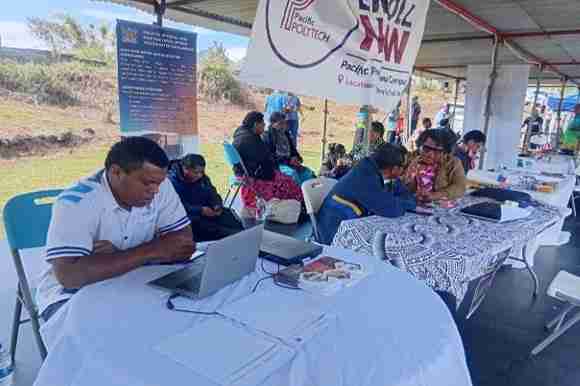
FRCS was proud to participate as one of the key service delivery agencies in the Naitasiri Community Outreach Program, led by the Fiji National Provident Fund (FNPF). This initiative underscored a shared commitment to extending essential services to rural and remote communities, ensuring inclusivity and accessibility for all Fijians.

As part of this outreach, FRCS conducted a series of Talanoa sessions across five villages including Nasava, Nasauvere, Tubarua, Matawailevu, and Korovou and providing vital services while fostering greater awareness and understanding of taxation and business obligations. Notably, this engagement represents a significant milestone for FRCS, marking the first time services have been delivered in the interior regions of Naitasiri, reaching communities that have traditionally had limited access due to geographical constraints.

Services Provided:

• Taxpayer Identification Number (TIN) registrations

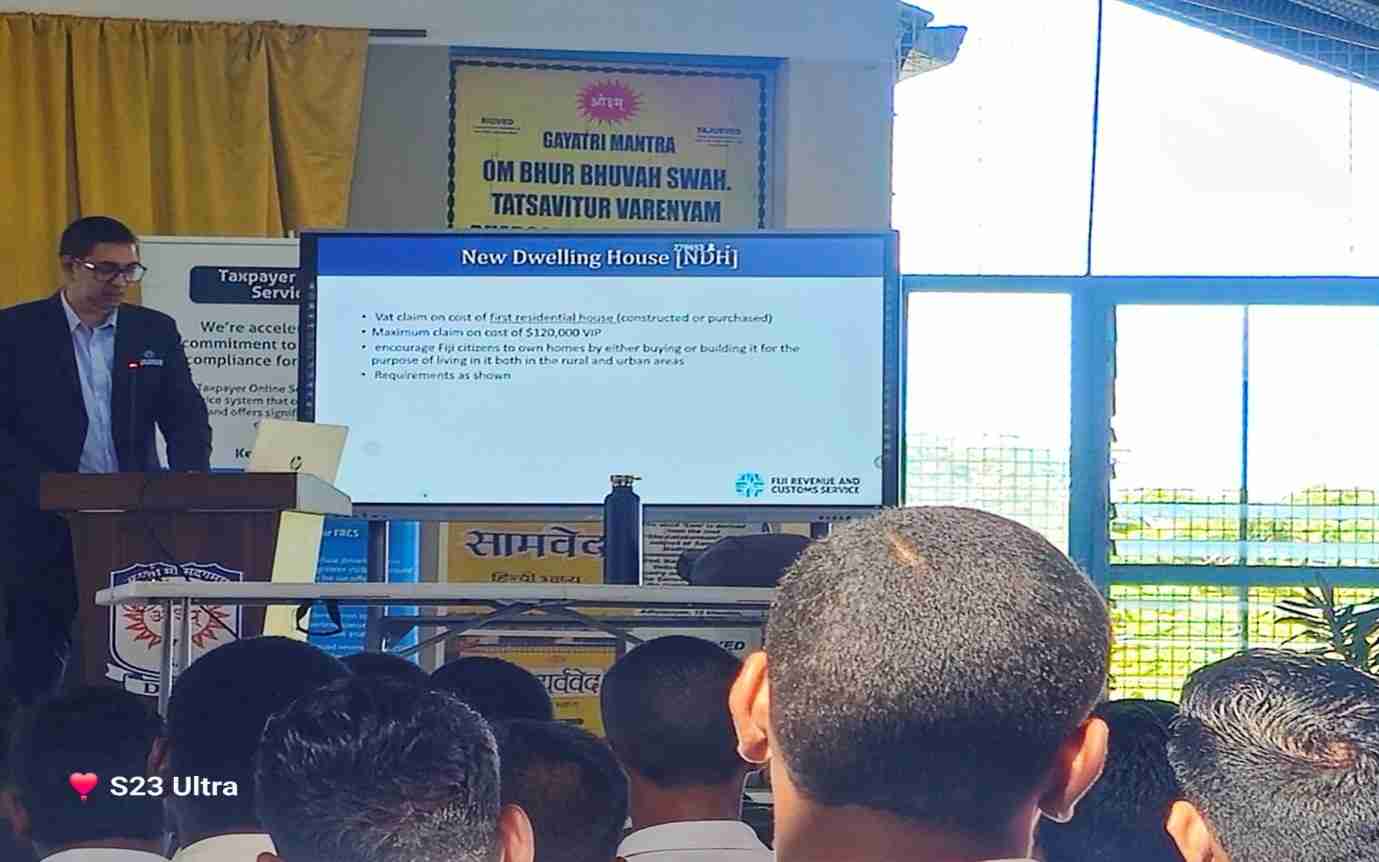
• Guidance on New Dwelling House (NDH) refund requirements

• Assistance with business registration inquiries

• Support for online tax return filing

• General taxation advice and information

Key Advisory to Business Owners:

• Register their businesses with the Registrar of Companies (RoC)

• Complete registration with FRCS

• Maintain accurate records to support online tax filing.

• Understand requirements related to TIN and NDH refunds.

The village halls in the five villages served as central venues, ensuring accessibility and convenience for participants from surrounding areas.

Despite the logistical challenges, including multiple river crossings on foot to access interior villages without formal road networks, the team remained committed to delivering services to these communities. The outreach also highlighted the need for improved internet connectivity to support systems such as TPOS.

Additionally, community members were guided on the importance of safeguarding their joint cards, noting that replacement fees are now set at $20. Clarifications were also provided to address common misunderstandings, particularly for sole traders, emphasizing that registration with the RoC is only the initial step and must be followed by FRCS registration and the submission of tax returns, regardless of whether income falls below the $30,000 threshold.

Overall, the outreach program reflects FRCS’s ongoing dedication to bridging service gaps and empowering communities through direct engagement, education, and accessible service delivery in even the most remote parts of Fiji.

FRCS extends its sincere appreciation to its valued partners, whose collaboration has been instrumental in supporting our initiatives. We acknowledge the FNPF, Ministry of iTaukei Affairs (Vola ni Kawa Bula), the Ministry of Justice (Births, Deaths and Marriages), HFC Bank, the Naitasiri Provincial Council, and Naitasiri Community Policing for their continued partnership and commitment. Their collective efforts have greatly contributed to the successful delivery of services and strengthened engagement within the community.

Pacific Customs Leaders Unite to Strengthen Regional Border Security and Cooperation

Customs administrations from 21 Pacific countries have jointly adopted a communiqué pledging strengthened, coordinated efforts to combat transnational crime operating across regional borders. This commitment was formalized at the close of the 28th Oceania Customs Organisation (OCO) Annual Conference, held from 2 – 4 June 2026 at the InterContinental Fiji Golf Resort and Spa in Natadola.

Convened by the FRCS, the conference brought together Heads of Customs and appointed delegates representing 21 Pacific Island countries and territories. The forum served as an important opportunity to reinforce collective approaches to border protection, enhance cooperation in trade facilitation, and advance ongoing customs modernisation initiatives across the region.

In reaffirming Fiji’s strong commitment to the OCO and shared regional priorities, FRCS Chief Executive Officer and outgoing OCO Chair, Mr. Udit Singh, highlighted Fiji’s leadership role during its tenure. “As Chair of the OCO, Fiji has sought to lead by example by championing regional training initiatives, leadership development, and Customs modernisation,” Mr. Singh stated. “We recognise that our collective strength is determined by the capacity of each member administration. Hosting this conference reflects Fiji’s continued commitment to partnership, cooperation, and shared progress across the Pacific.”

Mr. Singh emphasised that Pacific Customs administrations are united by a clear and forward-looking vision. He underscored the importance of strengthening regional partnerships, enhancing intelligence-sharing frameworks, and expanding capacity-building initiatives for customs officers across the region. He also called for accelerated adoption of advanced technologies and modern border management systems to improve operational efficiency and effectiveness. “Above all, we must emerge with a unified Pacific Customs voice, one that is strong, coordinated, and influential on both regional and global platforms,” he added. “The challenges before us are significant, but so too are the opportunities. By working together, we can build a safer Pacific, foster a more secure and efficient trading environment, and develop stronger, more resilient economies for our people.

Reflecting on the conference proceedings, Mr. Singh noted that participants engaged in an intensive and highly productive programme of dialogue and collaboration. Discussions were marked by a high level of engagement and knowledge exchange among member administrations and development partners.

“The depth and quality of deliberations have been commendable,” he said. “These exchanges have provided valuable insights into the evolving landscape of customs administration, border security, and trade facilitation across Oceania. Importantly, they have enabled us to collectively assess emerging challenges, identify shared priorities, and shape a more coordinated, forward-looking approach to regional cooperation.

Mr. Singh also extended his congratulations to the newly appointed OCO leadership, welcoming Mr. Tekaie Ititaake, Comptroller of Customs for Kiribati, as the incoming Chair, and Mr. Jose Mafnas of the Commonwealth of the Northern Mariana Islands as Vice Chair. The successful hosting of the 28th OCO Conference by the FRCS has been widely acknowledged as a significant achievement, reinforcing Fiji’s leadership role and commitment to advancing regional customs cooperation and security.

OCO Members and Partners Discuss a Coordinated Regional Approach to Protect Pacific Economies

Day Two of the 28th OCO Annual Conference brought together 60+ delegates from across the Pacific and beyond for an open session on strengthening Customs’ commitment to our Pasifika communities.

Delegates shared key updates, priorities, and opportunities for greater regional collaboration, while partners highlighted the vital role of Customs in maritime security, trade transparency, and tackling organized crime.

A key takeaway: the need for a stronger, intelligence-led and coordinated regional approach — with OCO members united through cooperation, knowledge sharing, and capacity building to protect our people, economies, and the future of our Blue Pacific.

Uniting Pacific Customs: 28th OCO Conference Gets Underway

Delegates and partners have officially arrived for the 28th Oceania Customs Organisation (OCO) Annual Conference, and everything is set for day one! Leaders from Customs agencies across 24 Pacific countries are in Fiji from 2–4 June 2026 for this key gathering.

The event brings together Heads of Customs, senior government officials, development partners, and international organisations, all coming together to share ideas and strengthen efforts to keep communities safe, secure borders, boost trade, and support sustainable growth across the Pacific.

Fiji is hosting the conference in its role as OCO Chair, with this year’s theme focused on “Scaling Up the Commitment of Customs to Protect and Grow our Pasifika Communities.”