FRCS Intercepts Undeclared Imports During Inspection at a Commercial Site in Vatukoula

The Fiji Revenue and Customs Service (FRCS) has successfully intercepted a consignment containing undeclared items during a scheduled inspection at a commercial facility in Vatukoula. The goods comprised a mix of industrial components, primarily associated with heavy-duty operations, and consumer products, including packaged food and tobacco.

This incident represents a clear contravention of Section 137(a) of the Customs Act, which prohibits the importation of dutiable goods that are not declared or documented in official import records.

Among the items seized were cigarettes, which are classified as high-revenue goods due to their significant duty rates.  Undeclared goods or smuggling contribute to revenue leakage, undermining the lawful collection of duties that support essential public services and national development initiatives.

FRCS enforcement personnel remain vigilant in their efforts to detect and disrupt illicit importation activities. The Customs team continues to strengthen our border control mechanisms to ensure full compliance with customs legislation and to protect government revenue.

Travellers, shipping agents, and all stakeholders involved in the movement of goods are reminded of their legal obligation to make accurate and complete declarations upon arrival. Failure to comply will result in enforcement action, including penalties and possible prosecution under the relevant laws.

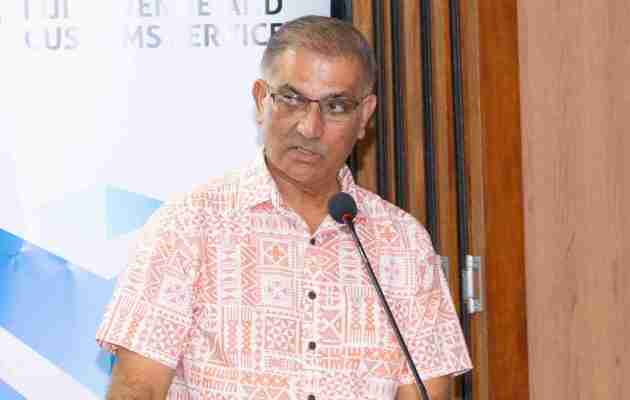
FRCS Chief Executive Officer, Mr. Udit Singh, stated that this operation underscores the vital role FRCS plays in securing Fiji’s borders and preserving the integrity of our revenue system.

“The unlawful importation of goods not only deprives the nation of essential funds needed for development but also disadvantages compliant businesses and individuals. We remain resolute in our enforcement efforts and will continue to implement robust measures to uphold transparency, fairness, and full compliance across all entry points,” Mr. Singh said.

FRCS remains committed to maintaining the highest standards of operational integrity and ensuring that all imports are processed in accordance with national laws and international best practices.


UK High Commissioner Pays Courtesy Visit to FRCS

The United Kingdom High Commissioner to Fiji, His Excellency Mr. Kanbar Hossein-Bor, paid a courtesy visit to the Fiji Revenue and Customs Service (FRCS), where he met with Chief Executive Officer Mr. Udit Singh and members of the FRCS Executive Leadership Team.

The visit provided an opportunity for a constructive exchange on shared priorities, particularly in the areas of border security, enforcement capability, trade facilitation, and institutional strengthening. Discussions explored avenues to further enhance cooperation between FRCS and the British High Commission, noting the long-standing relationship and the value of continued technical partnership.

FRCS conveyed its deep appreciation for the support provided by the United Kingdom through the United Nations Office on Drugs and Crime (UNODC) and other collaborative programs aimed at building capacity across Fiji’s border ecosystem. This assistance has contributed to strengthening Fiji’s risk-management systems, intelligence-led operations, and compliance frameworks, ensuring that FRCS remains aligned with international best practices.

The CEO reaffirmed FRCS’s commitment to strengthening partnerships with like-minded countries and development partners, highlighting that sustained cooperation is essential to tackling emerging border risks, improving operational readiness, and supporting Fiji’s long-term economic resilience.

The courtesy visit concluded with both parties expressing confidence in the continued growth of the FRCS–UK partnership and the mutual pursuit of stronger, more secure borders for the benefit of Fiji and the region.

Strengthening Fiji’s International Tax Cooperation through Exchange of Information (EOI) and Tax Transparency Training

The Fiji Revenue and Customs Service (FRCS) recently conducted two sessions of EOI training for more than 40 FRCS officials across key divisions, including Auditors, Audit Managers, Transfer Pricing Specialists, Legal Officers, Objection Auditors and Risk Profilers. The training was held from 28–31 October and 10–12 November 2025 in Suva.

Exchange of information (EOI) is the cross‑border sharing of information for tax purposes between tax administrations to detect and prevent tax evasion, to ensure the correct application of a jurisdiction’s domestic tax legislation and the provisions of an international bilateral (e.g. DTA) or multilateral tax agreement (e.g. Multilateral Convention on Mutual Administrative Assistance in Tax Matters or the MAAC) providing for reciprocal assistance in tax matters in effect in Fiji and to foster domestic tax compliance.

We extend our sincere appreciation to the Global Forum team, as the two trainers who conducted these sessions are part of the Train the Trainer program. The Train-the-Trainer program equipped the trainers with the necessary knowledge and skills on EOI to effectively deliver this training to the FRCS officials. Through the EOI training sessions, tax officials gained a deeper understanding of key elements of EOI, including the principle of foreseeable relevance, the importance of confidentiality, the concept of beneficial ownership, and the practical steps involved in drafting an effective EOI request.

This training marks another important step in building Fiji’s capacity to meet international standards and foster transparency in cross-border taxation.

FRCS Hosts Strategic Forum for Gold Card Members on Post-2025/2026 Budget Implications and VMS

We were pleased to host a dedicated forum for its Gold Card Members, focusing on the implications of the post-2025/2026 National Budget and the implementation of the VAT Monitoring System (VMS).

Established in 2012, the Gold Card Membership is a premium recognition and service initiative designed to honour companies that consistently demonstrate exemplary compliance with tax and customs regulations.

In her opening remarks, FRCS Director of Taxation, Ms. Momina Beg, acknowledged the presence of Gold Card Members as a reflection of their commitment to remaining informed and actively engaged with Fiji’s evolving economic landscape. She noted that many members were unaware of the wide range of existing incentives, tax deductions, and tariff concessions available These opportunities could significantly benefit their businesses.

Ms. Beg emphasized FRCS’s intention to work closely with Gold Card Members to ensure they are well-positioned to leverage these opportunities, thereby fostering a mutually beneficial partnership.

The forum also featured a comprehensive presentation on the VAT Monitoring System. Ms. Beg highlighted the importance of VMS in promoting regulatory compliance, ensuring fair competition, and enhancing financial management and operational transparency for businesses.

“We must create a level playing field for all Fijians. It is fundamentally unfair to compliant taxpayers like yourselves, who consistently meet your obligations, if we do not enforce compliance among those who evade taxes or delay filings. The VMS is not merely a tax tool; it is a system designed to support your growth and safeguard your business,” she stated.

FRCS encourages all eligible businesses to take a proactive approach in implementing the VMS. For assistance, Gold Card Members are invited to contact their dedicated relationship officers or reach out via email at suvagoldcardservices@frcs.org.fj or gcsnaditax@frcs.org.fj.

FRCS remains committed to fostering transparency, compliance, and collaboration with its Gold Card Members, and looks forward to continued engagement that supports sustainable business growth and national development.


FRCS and Partner Agencies Sign Landmark MOU to Strengthen Tax Crime Enforcement

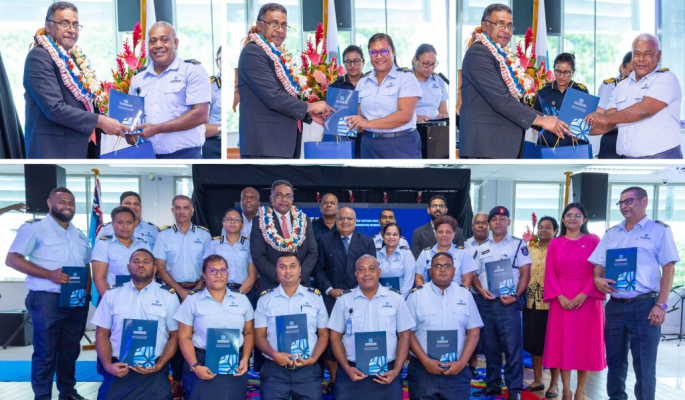
The Fiji Revenue and Customs Service (FRCS), together with key partner agencies of the Tax Crimes Taskforce, has signed a Memorandum of Understanding (MOU, a significant milestone in formalizing inter-agency collaboration to combat tax crime and financial misconduct in Fiji.

The Tax Crimes Taskforce is a multi-agency initiative designed to strengthen enforcement against serious tax evasion and financial crimes, while promoting integrity and fairness within Fiji’s tax system. Since its inception, the Taskforce has achieved notable progress, including the referral of several high-profile cases to the Fiji Independent Commission Against Corruption (FICAC) for prosecution.

The signing ceremony was officiated by the Minister for Finance, Commerce and Business Development, Hon. Esrom Immanuel, who emphasized the MOU as a critical step in national efforts to enhance compliance, transparency, and safeguard the integrity of Fiji’s financial and revenue systems.

Hon. Immanuel reaffirmed the Government’s commitment to equipping institutions to detect, deter, and disrupt financial crimes, tax evasion, and other illicit activities that undermine the economy and public trust.

“This multi-agency approach reflects our understanding that no single institution can address these challenges in isolation. The complexity and transnational nature of financial crimes demand a coordinated response. One that leverages the strengths, expertise, and intelligence of all relevant stakeholders,” he stated.

In addition to FRCS, the Taskforce comprises the Ministry of Justice, Ministry of Immigration, Land Transport Authority (LTA), FICAC, Fiji Police Force, Office of the Director of Public Prosecutions (ODPP), and Fiji Financial Intelligence Unit (FFIU).

Taskforce Chair Mr. Nitin Gandhi highlighted the progress made since inception, including intelligence sharing, relationship building, and enforcement enhancements.

“Several significant cases have been formally referred to FICAC for prosecution. The Taskforce also utilizes the whistleblower avenue to encourage confidential reporting and protect those who come forward in the interest of justice. Confidentiality remains a cornerstone of this work,” Mr. Gandhi said.

FRCS CEO Mr. Udit Singh expressed gratitude to all partner agencies for their commitment.

“Your dedication reflects the strength of our national institutions and the shared responsibility we hold in safeguarding Fiji’s economic integrity. Through this collaboration, we aim to improve intelligence sharing, streamline investigations, and ensure timely prosecution of tax-related offences. This initiative will not only help recover lost revenue but also serve as a deterrent to future tax crimes, reinforcing public trust in our systems,” he stated.


FRCS Engages Tourism Sector in Post-2025/2026 Budget Forums

FRCS recently hosted two strategic forums for members of the Fiji Hotel and Tourism Association (FHTA) in Suva and Nadi, focusing on the Post-2025/2026 National Budget Implications for the tourism industry. These forums were held under the broader objective of strengthening collaboration between FRCS and key stakeholders in one of Fiji’s most vital economic sectors.

FRCS Chief Executive Officer, Mr. Udit Singh, led a delegation comprising executive leadership and senior managers to provide clarity on budgetary measures impacting the tourism industry, including the implementation of the VAT Monitoring System (VMS). The sessions offered a platform for open dialogue, technical insights, and mutual understanding of fiscal policies.

Fiji’s tourism industry remains a cornerstone of the national economy, contributing significantly to employment, foreign exchange earnings, and GDP. As one of the largest and most dynamic sectors, tourism supports a wide range of industries from hospitality and transport to agriculture and retail, making it essential for inclusive and sustainable economic growth.

The forums featured comprehensive presentations on the 2025/2026 Budget Policies, the VMS rollout, and panel discussions involving representatives from FRCS, FHTA, and Grant Thornton Fiji. These engagements allowed FHTA members to raise sector-specific concerns, explore practical solutions to tax and customs challenges, and gain expert guidance directly from FRCS officials.

FRCS acknowledges and appreciates the continued commitment of FHTA members to fulfilling their tax and customs obligations. The high level of engagement and constructive dialogue during the forums reflects the strength of this partnership and the shared goal of fostering a transparent, responsive, and growth-oriented fiscal environment for Fiji’s tourism sector.


Empowering MSMEs Through Accessible Tax and Customs Support

Our Micro, Small and Medium Enterprises (MSME) team  was delighted to witness the enthusiastic participation of small business owners during the MSME Community Day held at the Suva Market this week. The event showcased the proactive spirit of our MSME community in seeking support and guidance on tax and customs-related matters.

As part of our commitment to making services more accessible, our MSME teams established mobile booths in areas heavily populated by small business operators. This initiative was designed to minimize disruption to their daily operations while ensuring they could conveniently access our services. Beyond service delivery, the Community Day also served as a valuable platform for building relationships, gathering feedback, and understanding the evolving needs of MSMEs.

Throughout the day, our team provided hands-on assistance with a range of services including:

  • Registration on the Taxpayer Online Services (TPOS) portal
  • Filing of income tax returns
  • Applications for tax compliance certificates
  • Tax registrations
  • Resolution of various tax and customs-related queries

In addition to these outreach efforts, FRCS continues to offer support through the MSME Support Centre, which provides free guidance to help MSMEs understand their tax obligations and achieve compliance.

We encourage all MSMEs seeking assistance with tax or customs matters to reach out to us via phone at 3243000 or 1326 or email us at msme@frcs.org.fj.


FRCS Hosts Strategic Industry Forum in Fiji’s Northern Division

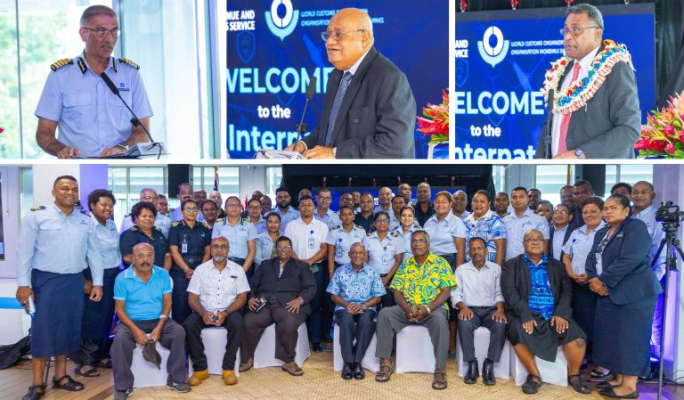
The Fiji Revenue and Customs Service (FRCS) recently convened an industry forum at the Fiji Football Association Academy in Labasa, under the theme “Strengthening Partnership Between Stakeholders and FRCS.”  This initiative aimed to foster greater collaboration and dialogue between FRCS and key industry players operating in the Northern Division.

In his opening remarks, FRCS Chief Executive Officer, Mr. Udit Singh, acknowledged the Northern Division’s growing importance in Fiji’s economic landscape. He highlighted the region’s increasing development momentum, infrastructure investments, and expanding business activities as critical contributors to national growth.

FRCS Board Chair, Mr. Malakai Naiyaga, further emphasized that as investment continues to shift toward the North, its contribution to Fiji’s GDP, revenue generation, and regional development is becoming increasingly significant. This positions the Northern Division as a vital engine of national prosperity.

The forum featured a presentation by FRCS Director Corporate Services/Chief of Staff, Mr. Shavindra Nath, who outlined key elements of the 2025/2026 National Budget Policies, including trends in revenue, Value Added Tax (VAT), and the use of e-wallets. He also elaborated on available incentives, tax deductions, and tariff structures designed to support business growth.

FRCS Director Compliance, Ms. Kelerayani Dawai, presented on the Compliance Improvement Strategy (CIS) and the VAT Monitoring System (VMS), reinforcing FRCS’s commitment to transparency and accountability.

Participants had the opportunity to engage directly with FRCS Board members, executive leaders, and senior managers, gaining valuable insights and clarifications on tax and compliance matters.

Hosting such forums in the Northern Division not only strengthens stakeholder relationships but also ensures that businesses in remote regions are well-informed, empowered, and aligned with national regulatory frameworks. These engagements promote inclusive economic development, encourage investments and support sectors such as agriculture, tourism, and cooperatives, ultimately contributing to a more balanced and resilient national economy.

FRCS remains committed to conducting similar forums across Fiji to ensure consistent outreach and support for all regions.