
FRCS Connects Beqa Island to Tax and Compliance Services

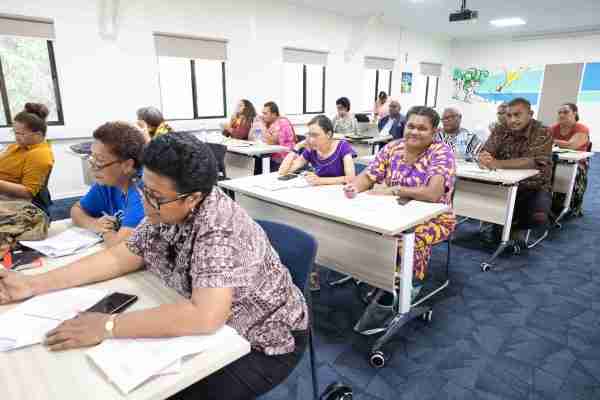
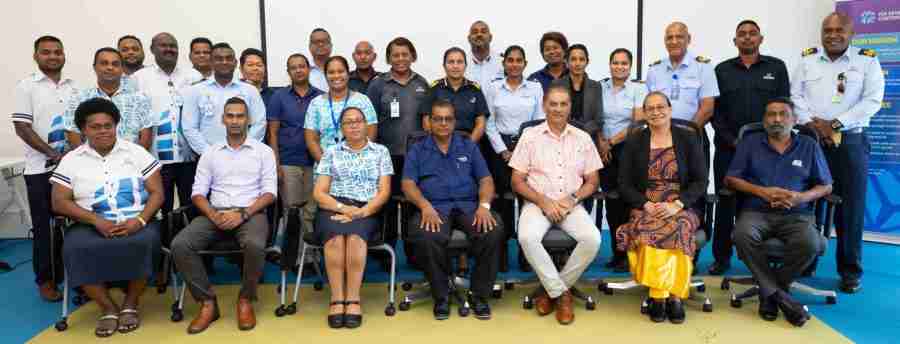
In a significant effort to improve access to essential government services for remote communities, the Civil Registration and Vital Statistics (CRVS) team led a multi-agency outreach program to Beqa Island in Fiji’s Central Division. The initiative brought together key stakeholders, including the Fiji Revenue and Customs Service (FRCS), Births, Deaths & Marriages, Ministry of Health and Medical Services, Ministry of Immigration, Ministry of iTaukei Affairs, and other partners, to deliver a comprehensive range of services directly to residents.

The outreach aimed to bridge service gaps and promoted economic inclusion by making critical services accessible without the need for costly travel to urban centers. FRCS played a central role in this initiative by providing Taxpayer Identification Number (TIN) registrations, supporting the issuance of Joint ID cards, and offering business registration and advisory services. These efforts helped individuals understand their tax obligations, guided entrepreneurs on compliance and record-keeping, and highlighted the benefits of joining the formal economy, such as access to government support and financial services.

Represented by Laisa Draunibaka and Eremasi Lolo, FRCS also collaborated with partner agencies to ensure accurate TIN verification during Joint ID card issuance. In addition, the team conducted interactive awareness sessions on taxation and its role in national development, addressing community questions and fostering trust in government processes. By empowering residents with knowledge and resources, FRCS reinforced its commitment to financial inclusion and sustainable economic growth.

This outreach not only streamlined access to essential services but also strengthened community confidence in government institutions. By bringing tax and compliance services closer to remote communities, FRCS and its partners are helping build a foundation for inclusive development. The initiative underscores the government’s commitment to ensuring that no community is left behind, regardless of geographic challenges.


Fiji Champions Regional Trade Modernization: A Bold Step Toward a Digitally Connected Pacific

In an era where global competitiveness hinges on speed, transparency, and innovation, Fiji is leading the charge to transform trade facilitation across the Pacific. By hosting the World Bank Group’s landmark workshop in Nadi, Fiji reaffirmed its commitment through the Fiji Revenue and Customs Service (FRCS) to spearhead digital solutions that will redefine how Pacific nations engage in international trade.

From November 25–26, 2025, the World Bank Group (WBG) convened a pivotal regional workshop under the theme “Accelerating Trade Facilitation in the Pacific.” This gathering marked a significant milestone in the region’s journey toward modernizing trade processes through the implementation of the National Single Window (NSW) Project, a World Bank–financed initiative designed to streamline trade documentation and clearance across borders.

The workshop convened delegations from six Pacific nations actively engaged in the NSW project: Fiji, Kiribati, Solomon Islands, Tonga, Tuvalu, and Vanuatu. Each country was represented by senior officials from Customs Administrations, Biosecurity agencies, and Trade departments, ensuring a holistic approach to trade facilitation. This diverse participation highlighted the critical role of cross-sectoral collaboration in building a unified digital trade ecosystem for the Pacific.

At the heart of the discussions was the National Single Window (NSW) Project, a transformative, World Bank, financed initiative aimed at streamlining trade documentation and clearance procedures. By digitizing border processes, the NSW will enable faster, more transparent, and cost-effective trade, positioning Pacific economies for greater competitiveness in global markets.

Key Themes and Strategic Priorities

Over two intensive days, participants explored the foundational pillars for successful NSW implementation, including:

  • Shared Vision and Strategic Direction – Establishing a regional roadmap to enhance efficiency, transparency, and competitiveness.
  • Governance Framework – Defining institutional roles and oversight mechanisms for accountability and sustainability.
  • Financial Model – Developing cost-sharing strategies and ensuring long-term viability.
  • Operational Design – Crafting workflows and technical integration for seamless trade processes.
  • Legal Harmonization – Aligning national legislation to provide a robust legal foundation for NSW operations.

These discussions reinforced the complexity and significance of digitizing border procedures which is a  bold step toward modernizing trade in the Pacific.

Outcomes and Regional Impact

The workshop delivered tangible outcomes:

  • Regional Alignment on NSW vision and governance.
  • Knowledge Sharing among countries, fostering mutual learning and best practices.
  • Foundation for Harmonization of systems and processes to reduce costs, improve transparency, and accelerate trade.

For small island economies, trade facilitation is more than a technical upgrade. It is a strategic imperative for economic growth, resilience, and global integration. By embracing the NSW framework, Pacific nations are unlocking new opportunities for investment, strengthening compliance with international standards, and advancing sustainable development.

Fiji and FRCS at the Forefront

Hosting this workshop in Fiji reflects the country’s pivotal role in shaping the future of Pacific trade. FRCS’s leadership and commitment to modernization signal a strong national and regional resolve to build a more connected, efficient, and competitive trade environment.

The World Bank Group’s initiative was not merely a technical consultation, but it was a regional pledge to cooperation and progress. As Fiji and its Pacific partners move forward with NSW implementation, the partnerships and insights forged in Nadi will serve as a cornerstone for a digitally empowered Pacific economy.

FRCS Strengthens Stakeholder Engagement with Gold Card Awareness Session in Nadi

FRCS recently hosted an interactive awareness session for our esteemed Gold Card members in Nadi.
 
The session provided valuable insights into key developments, including the 2025/2026 Budget Policy and the VAT Monitoring System (VMS), initiatives designed to strengthen compliance and enhance service delivery.
 
This engagement reflects our unwavering commitment to fostering transparency, building trust, and working collaboratively with stakeholders. By creating these platforms for dialogue, we aim to deliver exceptional service and drive positive outcomes for businesses and the wider community.
 
Together, we continue to shape a stronger partnership that supports growth and sustainability across Fiji.

FRCS Hosts 4th National Trade Facilitation Committee Meeting to Advance Fiji’s Trade Reforms

The Fiji Revenue and Customs Service (FRCS) successfully hosted the fourth meeting of the National Trade Facilitation Committee (NTFC) at its headquarters in Suva this week, reaffirming Fiji’s drive toward a more modern, efficient, and predictable trading environment.

Established in 2017 under Article 23.2 of the World Trade Organization (WTO) Trade Facilitation Agreement (TFA), the NTFC brings together government agencies and private-sector partners to coordinate and implement reforms that simplify cross-border trade. The Committee is co-chaired by FRCS and the Customs Brokers and Freight Forwarders Association — a structure that ensures national reforms are shaped through genuine public-private collaboration.

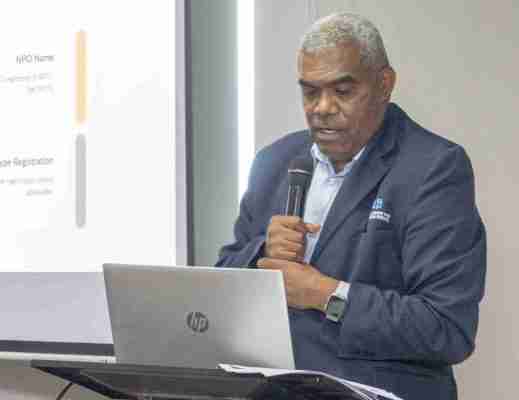
FRCS Chief Executive Officer, Mr. Udit Singh, highlighted the importance of Fiji’s commitment to the TFA, describing it as a foundation for reducing trade costs and strengthening transparency.

“The TFA focuses on simplifying, modernizing, and harmonizing export and import procedures. For Fiji, this translates to reduced red tape, faster clearance times, and improved predictability. These are benefits that directly support our business community, especially MSMEs,” Mr. Singh said.

He noted that coordinated border management, risk-based controls, and digital transformation — including the National Trade Portal and the upcoming National Single Window — are central to Fiji’s reform efforts. These initiatives enhance transparency and consistency, ultimately boosting investor confidence and improving Fiji’s competitiveness in regional and global markets.

Mr. Singh further emphasized that the NTFC’s work is aligned with Fiji’s National Development Plan, which prioritizes streamlined and modernized trade processes.

“Whether through digitalization, process re-engineering, or better inter-agency coordination, our reforms are guided by national priorities and the needs of our private-sector partners,” he added.

The NTFC also contributes to the regional Trade Facilitation Strategy endorsed by Pacific Island Leaders, underscoring that efficient and transparent trade processes are essential for regional resilience, cooperation, and economic growth. Fiji’s progress, therefore, carries benefits beyond national borders.

Recognizing the vital role of private-sector engagement, Mr. Singh reaffirmed that trade facilitation is a shared responsibility.

“Real transformation happens when government and industry work hand in hand. Our co-chairmanship model is proof that Fiji’s trade reform agenda is being driven collaboratively, inclusively, and with a shared sense of purpose,” he concluded.

#FRCS #NationalTradeFacilitationCommittee #NTFC #TradeFacilitation #WTO #TradeReforms #TFA #CrossBorderTrade #FijiEconomy #EaseOfDoingBusiness #ModernizingTrade #DigitalTransformation #NationalSingleWindow #NationalTradePortal #RiskBasedControls #CustomsReform #CoordinatedBorderManagement #PublicPrivatePartnership #TradeEfficiency #MSMEs #FijiBusiness #InvestorConfidence #RegionalIntegration #PacificTrade #EconomicGrowth #TradeTransparency #CustomsBrokers #FreightForwarders #FijiGovernment

FRCS Reminds the public and businesses of TIN requirements for mobile wallet accounts

The Fiji Revenue and Customs Service (FRCS) wishes to remind all individuals and businesses of the new requirements relating to Mobile Wallet (e-wallet) accounts, as announced in the 2025–2026 National Budget Promulgation.

Mandatory TIN Requirement for All Individuals and Businesses

A valid Taxpayer Identification Number (TIN) is now a mandatory requirement when registering for a Mobile Wallet account. FRCS strongly encourages all individuals and businesses to ensure they have a valid TIN and to update their details with their respective e-wallet service providers well in advance of the deadline.

The deadline to register and update e-wallet accounts with the TIN is 31 December 2025.

Additional Requirement for Businesses

In addition to the general TIN requirement, all businesses must maintain a separate e-wallet account exclusively for business transactions. Businesses are urged to ensure that these accounts are correctly registered with a valid TIN and used solely for business purposes.

Under the new provisions of the Tax Administration Act, non-compliance may attract a fine not exceeding $25,000 or imprisonment for a term not exceeding 10 years, or both.

Non-compliance may also lead to a suspension of services from the e-wallet service providers.

Implementation Support

FRCS continues to work closely with all licensed e-wallet service providers to facilitate the smooth rollout of these requirements. FRCS strongly encourages individuals and businesses to take timely action to avoid service disruptions and potential penalties.

FRCS thanks all taxpayers for their cooperation in supporting national efforts to enhance financial transparency and compliance.

For further information and assistance, please contact us on our toll-free line 1326 or 3243000 or email at info@frcs.org.fj.

FRCS Facilitates Dialogue with Indian Delegation on Trade Opportunities

We were delighted to host Mr. Pradeep Menon, Second Secretary (Consular & Commerce) at the High Commission of India, who visited alongside a distinguished business delegation organized by the Trade Promotion Council of India (TPCI).

The delegation comprised leading Indian Food and Beverage (F&B) enterprises specializing in food processing, packaging, and allied technologies, all seeking opportunities to introduce their products to the Fijian market.

During the visit, FRCS Chief Executive Officer, Mr. Udit Singh, together with the Customs leadership team, provided a comprehensive briefing on the necessary permits, documentation, and customs procedures required for market entry. This engagement reaffirmed FRCS’s commitment to facilitating legitimate trade while safeguarding border integrity.

FRCS looks forward to strengthening collaboration with the High Commission of India and the Trade Promotion Council of India (TPCI) to enhance trade cooperation and foster high-value commercial partnerships between our two nations.

FRCS and Australian Border Force (ABF) Deepen Strategic Border Security Partnership

FRCS was pleased to host the ABF–FRCS Quarterly Meeting, reaffirming a strong and enduring partnership with the Australian Border Force, one that continues to elevate Fiji’s border security, enforcement capability, and trade facilitation standards.

The meeting featured a comprehensive dialogue covering key priorities such as progress under the ABF–FRCS Joint Work Program, the review of the existing Memorandum of Understanding, updates on the Container Examination Facility project, support on the gifting of vessels to strengthen maritime readiness, enhancement of integrity frameworks, ongoing capacity-building initiatives, and updates on BMS/PNR/API systems that underpin modern passenger screening and risk management.

FRCS emphasised that it deeply values this strategic partnership, acknowledging ABF as a trusted and long-standing ally in advancing border modernisation, intelligence-driven operations, and capability uplift across Fiji’s frontlines. Through consistent engagement and shared commitment, both agencies remain aligned in strengthening border resilience, combating transnational risks, and ensuring secure, efficient, and compliant trade and travel flows.

FRCS looks forward to continued collaboration as both agencies work together to safeguard Fiji’s national interests and enhance the collective security of our region.

FRCS Intercepts Undeclared Imports During Inspection at a Commercial Site in Vatukoula

The Fiji Revenue and Customs Service (FRCS) has successfully intercepted a consignment containing undeclared items during a scheduled inspection at a commercial facility in Vatukoula. The goods comprised a mix of industrial components, primarily associated with heavy-duty operations, and consumer products, including packaged food and tobacco.

This incident represents a clear contravention of Section 137(a) of the Customs Act, which prohibits the importation of dutiable goods that are not declared or documented in official import records.

Among the items seized were cigarettes, which are classified as high-revenue goods due to their significant duty rates.  Undeclared goods or smuggling contribute to revenue leakage, undermining the lawful collection of duties that support essential public services and national development initiatives.

FRCS enforcement personnel remain vigilant in their efforts to detect and disrupt illicit importation activities. The Customs team continues to strengthen our border control mechanisms to ensure full compliance with customs legislation and to protect government revenue.

Travellers, shipping agents, and all stakeholders involved in the movement of goods are reminded of their legal obligation to make accurate and complete declarations upon arrival. Failure to comply will result in enforcement action, including penalties and possible prosecution under the relevant laws.

FRCS Chief Executive Officer, Mr. Udit Singh, stated that this operation underscores the vital role FRCS plays in securing Fiji’s borders and preserving the integrity of our revenue system.

“The unlawful importation of goods not only deprives the nation of essential funds needed for development but also disadvantages compliant businesses and individuals. We remain resolute in our enforcement efforts and will continue to implement robust measures to uphold transparency, fairness, and full compliance across all entry points,” Mr. Singh said.

FRCS remains committed to maintaining the highest standards of operational integrity and ensuring that all imports are processed in accordance with national laws and international best practices.