Master Trainers Programme Strengthens Development of Customs Trainers in the Pacific

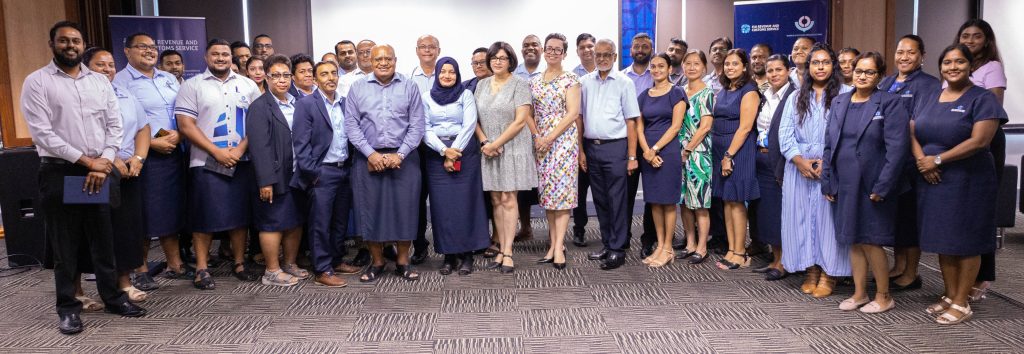
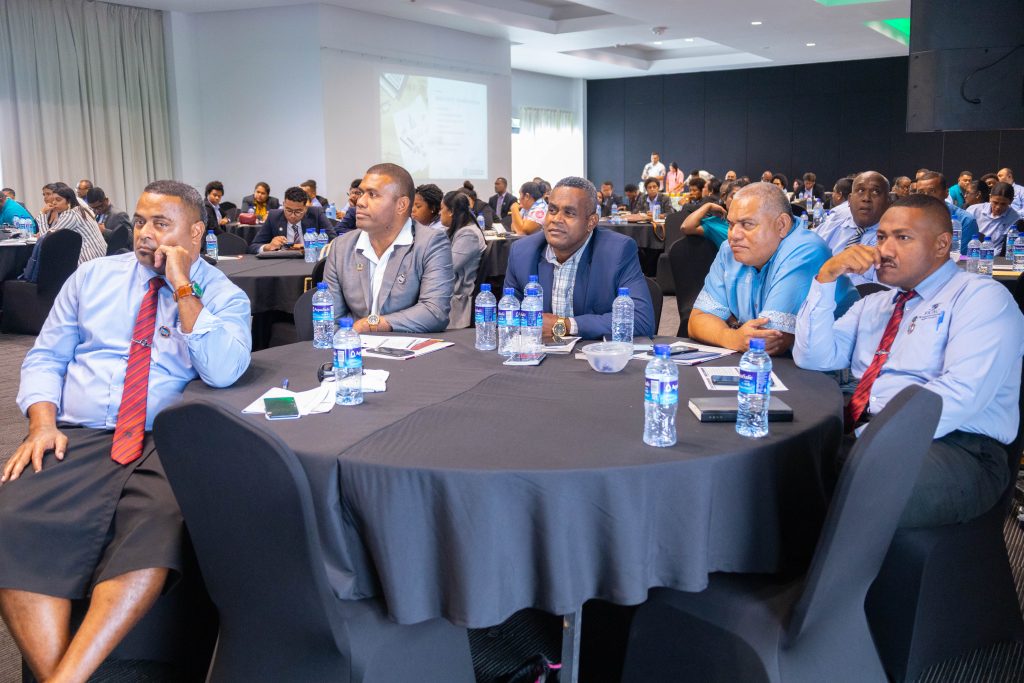
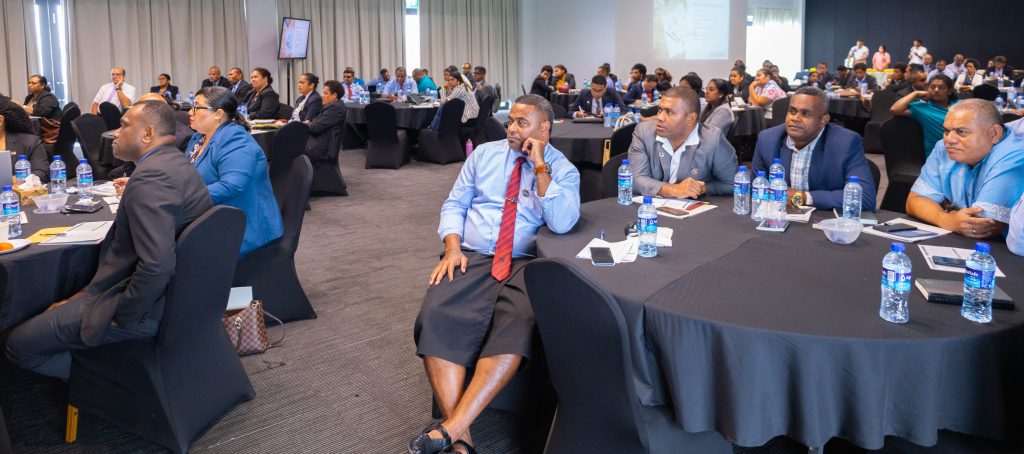
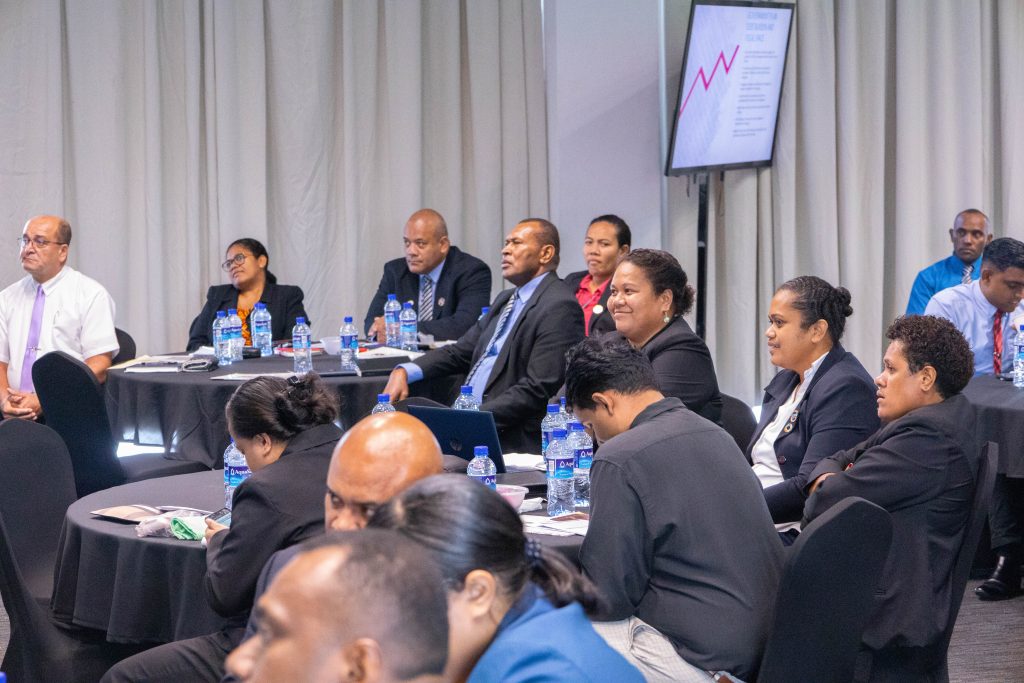
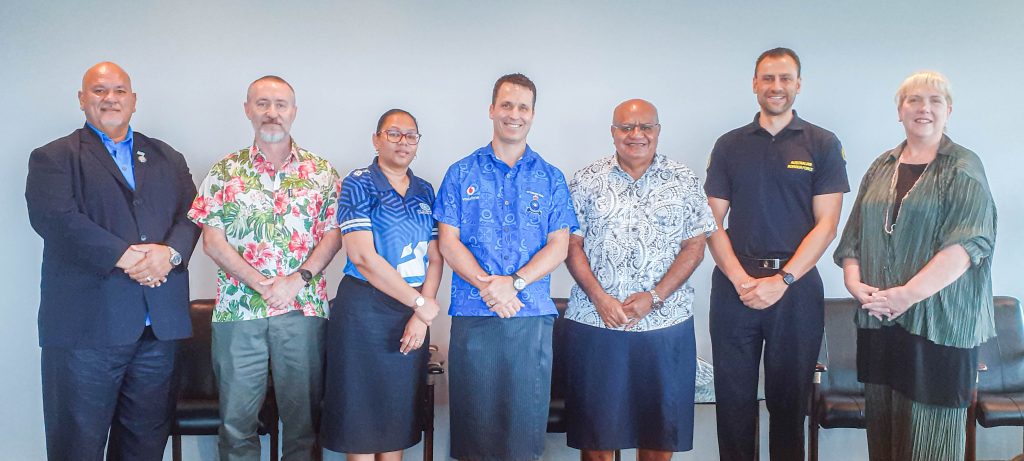
The World Customs Organization – Organisation Mondiale des Douanes (WCO), in corporation with the Japan International Cooperation Agency (JICA) held the fifth Working Group Activity of the Master Trainers Programme (MTP) on the Customs Valuation (CV) and HS classification at the Nalagi Hotel in Nadi, Fiji.
 
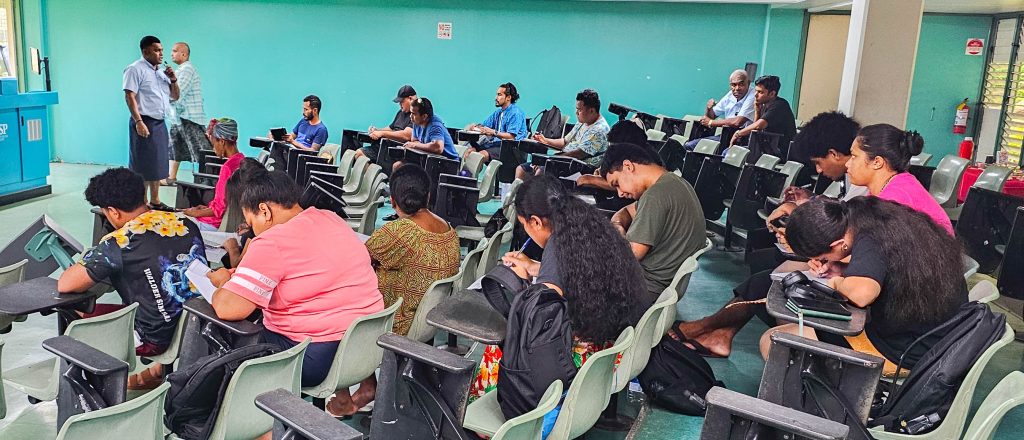
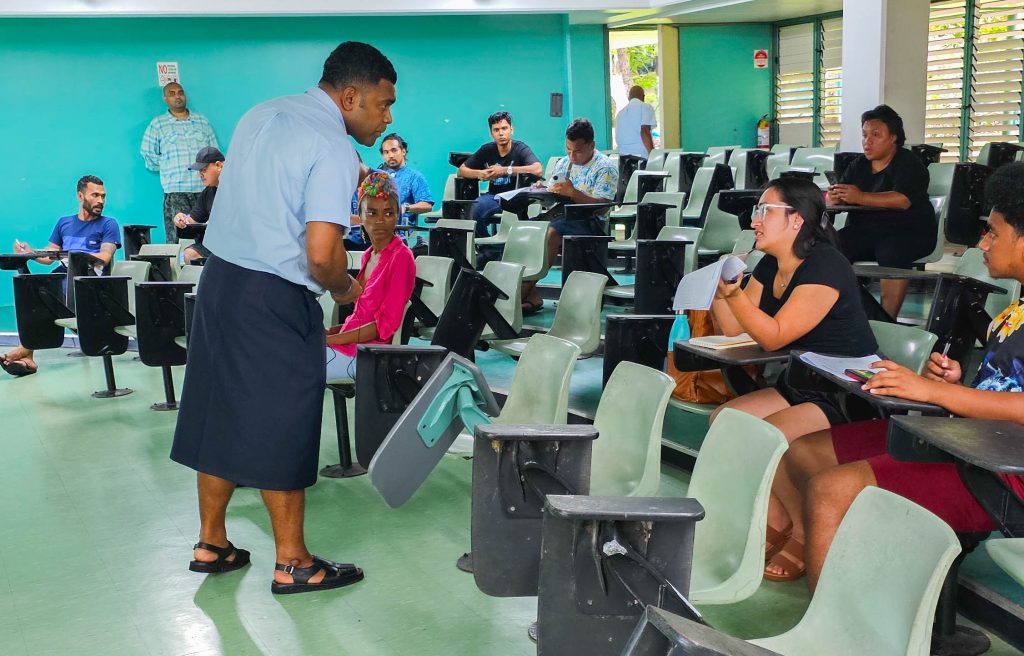
This Programme is for the Pacific Islands Customs Administrations including Fiji, Papua New Guinea (PNG), Samoa, Timor-Leste, Tonga and Vanuatu and was attended by 25 participants. The fifth Working Group consisted of two sessions. The first week was to certify the MTP Working Group members as Master Trainers through a practice training session, i.e. conducting a training session using the training materials that the MTP members have been developing, with the experts evaluating their performance.
 
The second week will be dedicated to a WCO Pre-Accreditation Workshop, allowing participants the opportunity to become WCO pre-accredited experts and later, they will be certified as fully accredited experts once they successfully co-facilitate a WCO field mission. Thereafter, they will be expected to deliver capacity-building activities worldwide on behalf of the WCO.
 
The MTP is a joint endeavor under WCO/JICA to develop sustainable and self-contained training capacity within the Customs Administrations by developing a pool of well-experienced trainers and regionally tailor-made training materials and programs to be used by these trainers.
 
During the course of the of the Working Group Activity, the participants enhanced their training skills as well as expertise in Customs Valuation and HS classification necessary to conduct training as the expert trainer. Participants’ active contribution resulted in the successful Working Group Activity. The exchanges during the group activity seemed very promising for the progression of the MTP and its application. All participants expressed their appreciation to the WCO and JICA.
 
Upon completion of the MTP, successful alumni are expected to become a common asset and contribute to the sustainable economic development of Pacific region through Customs modernization.


FRCS participates with BusinessNOW Talanoa Session with MTCSMEC

FRCS was invited by the Deputy Prime Minister and Minister for Trade, Cooperatives, Small and Medium Enterprises and Communications, Hon. Manoa Kamikamica to participate in a talanoa session on businessNOW Fiji—the Fiji Government’s Ease of Doing Business Project.
 
The businessNOW portal has been designed to serve as Fiji’s comprehensive platform for entrepreneurs and investors, simplifying the intricacies associated with establishing a business in our country. This portal streamlines the two critical pillars of doing business in Fiji—starting a business and investing in construction projects, which will expand to other services.
 
The Hon. Deputy Prime Minister has embarked on a series of talanoa sessions to engage with the relevant agencies and organizations, including FRCS on the Ease of Doing Business Project.
The talanoa session with FRCS provided an excellent opportunity for our team to have a direct dialogue with the Hon. Deputy Prime Minister, addressing concerns, sharing thoughts, and exploring a way forward.

MOU To Strengthen Collaboration Between FRCS and FPCL

The Fiji Revenue and Customs Service (FRCS) signed a Memorandum of Understanding (MOU) with the Fiji Ports Corporation Limited (FPCL) to establish a framework for collaboration and cooperation in delivery of services in Fiji within the vicinity of seaport entry.

Under the MOU both parties will consult and assist each other on sharing of relevant information and resources, develop and implement enforcement strategies and strengthen capacity building activities such as joint operations or training to ensure both parties are able to carry out their respective mandated and legislated functions and operations.

The FRCS will offer training sessions to FPCL officers covering taxation, customs, and border control matters. Additionally, it will collaborate with FPCL by exchanging pertinent customs border data, offering advice on the technical aspects of collaborative operations, and keeping FPCL informed about any updates or changes to FRCS policies or laws. In return, FPCL is tasked with sharing necessary information, such as vessel schedules and details of FPCL-owned facilities, essential for FRCS to fulfill its border-related duties effectively. FPCL is also committed to sustaining its support for FRCS in terms of fostering partnerships and maintaining business continuity.

The MOU was signed by FRCS Acting CEO Mr. Malakai Naiyaga and FPCL CEO Mr. Vajira Piyasena at the FRCS Headquarters in Nasese, Suva.

“Maritime transport accounts for almost 80% of the global trade volumes. Hence, maritime stakeholders, including FPCL are FRCS’s key strategic partners in border management. Strengthening cooperation between FRCS and FPCL will significantly enhance the efficiency and effectiveness of both FRCS and FPCL in facilitating and controlling the transportation and movement of goods across borders which are critical to the development of our national economy and for economic growth,” Mr. Naiyaga said.

“Working together closely will enable FRCS and FPCL to ensure that necessary inspections and formalities are completed in a timely and efficient manner, and in protecting our major seaports from any breaches. Given the nature of our borders and resource challenges that we have, I cannot overstress the importance of effective collaboration amongst relevant agencies in our border protection. The signing of the MOU is a step forward towards that,” he stated.

WCO Mission on AEO in Fiji

We were pleased to have the World Customs Organization – Organisation Mondiale des Douanes (WCO) mission to support the Authorised Economic Operator (AEO) Programme that was implemented in Fiji in 2018.
 
The AEO concept is based on the Customs-to-Business partnership introduced by the WCO. The programme aims to enhance international supply chain security and to facilitate legitimate trade.
The benefits of AEO include faster processing and clearance of cargo, deferred payment of duty, direct port delivery/entry, and benefits under Mutual Recognition arrangements (MRA).
The Fiji AEO Framework was established in 2018 and is managed by our Gold Card Services. Currently FRCS has seven AEO certified companies.
The objective of the WCO mission was to:
 
  • Enhance the knowledge of Customs officers on the AEO Programme
  • Reform the current AEO programme in Fiji
  • Consider how other supply chain actors can be included in our AEO programme.
  • Discuss the steps that need to be taken to sign a Mutual Recognition Agreement with other Customs administrations.
 
As an outcome of the mission, FRCS will review their current AEO programme to see how it can be extended to other players in the supply chain. We are grateful for the support provided by the WCO.

Fiji Joins Global Forum on Transparency and Exchange of Information for Tax Purposes

In recognition of the importance of global tax transparency, Fiji officially joined the Global Forum on Transparency and Exchange of Information for Tax Purposes on November 16, 2023, becoming its 169th member.

The Global Forum is the leading international body working on the implementation of global transparency and exchange of information standards around the world. Since the end of banking secrecy in 2009, the international community has achieved great success in the fight against offshore tax evasion. Working through the Global Forum, countries have implemented robust standards that have prompted an unprecedented level of transparency in tax matters along with increased tax revenues and fairness in the tax system.

Becoming a member of the Global Forum marks a pivotal measure in addressing concerns related to the European Union (EU) Blacklisting. This move is aligned with the key requirement of the EU Code of Conduct, which mandates participation in the Global Forum and the establishment of cross-border information-sharing channels.

The Chair of Global Forum, Mr. Gaël Perruad was very pleased to welcome Fiji as the latest Global Forum member. Mr. Perruad stated Fiji’s adhesion perfectly demonstrates the joint resolve to enhance and optimize international collaboration in the fight against tax evasion and avoidance.

Like all other members, Fiji will participate in the decisions of the Global Forum on an equal footing and will engage in combatting offshore tax evasion through the implementation of the internationally agreed standards of Exchange of Information on Request and Automatic Exchange of Financial Account Information.

Fiji will take part in the extensive capacity-building program initiated by Global Forum to implement the required transparency standards and will receive assistance to make the best use of cross-border information-sharing channels.

The Acting CEO of FRCS, Mr. Malakai Naiyaga, echoed similar sentiments.

Mr. Naiyaga affirmed ‘that the decision to join the global forum is a major step towards achieving one of our strategic objectives for the year to remove Fiji from the EU blacklist. With government backing, we have successfully achieved this specific milestone’.

Mr Naiyaga further added ‘that the team at FRCS are dedicated to removing Fiji from the EU blacklist. Having progressed through various crucial EU requirements, we have a well-defined plan to address the other outstanding obligations. Joining the forum will also enhance our international collaboration against tax evasion and avoidance’.

FRCS Surpasses Revenue Target for First Quarter of 2023-2024 Fiscal Year

The Revenue and Customs Service (FRCS) has surpassed its first quarter fiscal year revenue target by collecting a total net revenue of $742.1 million for the quarter ended 31 October 2023, exceeding the forecast by $9.3 million, equivalent to 1.3%. This represented a significant 28.6% ($164.9 million) growth over the same period last year.

The favorable outcome can be attributed to the exceptional performance in October, where a net revenue of $269.0 million was achieved, exceeding the monthly forecast by a remarkable $26.0 million, representing a 10.7% positive variance. The overall revenue collections for the 2023-2024 financial year are projected at $3.1 billion, an increase of $855.4 million compared to the 2022-2023 fiscal year.

FRCS Acting CEO, Mr. Malakai Naiyaga, credited the favorable cumulative collection to the performance of key tax categories such as Value Added Tax (VAT), which contributed $332.1 or 44.8% towards the total collections, Income taxes contributed $216.1m or 29.1%, Trade Taxes contributed $132.6m or 17.9% and other taxes and levies contributed $61.2m or 8.2% of the tax mix.

“The positive collections are indicative of a broad-based economic recovery across all sectors leading to increased revenue. This recovery signifies higher profits for businesses, increased individual income, and a surge in consumer spending. Notably, the improvements observed in these collections indicate a notable economic upturn compared to the previous year,” Mr Naiyaga said.

“This resurgence is attributed to several key factors, including the services sector benefiting from increased tourism, enhanced income tax payments due to improved turnover and profits by companies, and an upsurge in VAT collections driven by pent-up consumer demand. These collective elements have played a crucial role in driving the economic upswing, reflecting a positive revenue collection trend across various sectors,” he said.

Mr. Naiyaga added that the strong revenue performance has provided a solid foundation for the remainder of 2023-2024 fiscal year, now at 23.9% of the $3.1b annual target.

“FRCS is committed to partnering with stakeholders and taxpayers to foster a culture of tax compliance. We are assisting taxpayers with filing and paying taxes and our team is also conducting awareness campaigns and stakeholder forums aligned with the 2023-2024 National Budget goals,” he said.

FRCS Launches the VAT Guide

VAT is a consumption tax which is administered by FRCS and contributes approximately 40 to 45 percent of the Government revenue.

The objective of the VAT Guide is to support voluntary compliance as it will provide practical guidance on the application of the VAT laws and allow taxpayers to implement the VAT legislation more effectively.  FRCS is grateful for the technical assistance provided by the Asian Development Bank (ADB) Domestic Resources Mobilization Trust Fund for developing the VAT Guide.


While launching the VAT Guide, our Acting Chief Executive officer Mr. Malakai Naiyaga, said the VAT Guide has been designed to simplify the understanding and application of the VAT legislation, particularly for those who do not have much technical knowledge on VAT.


Mr. Naiyaga said that the VAT Guide has the relevant information that is supported through practical examples for emerging businesses, sole traders, Micro, Small and Medium Enterprises (MSMEs) and for anyone who is planning to become a VAT-registered taxpayer.


“To highlight the importance of VAT, allow me to briefly share some of the budget figures. In this financial year’s budget 2023-2024, the Government is forecasting $3.1billion in revenue to be collected by FRCS. Of this amount, VAT accounts for $1.53billion which represents about 50% of the total revenue,” he said.


“Therefore, a dedicated focus on improving VAT Compliance is fundamental to successful revenue collection. Our approach is shifting towards collaboration, partnership, awareness, and education as necessary in building a national tax compliance culture.”


The Regional Director of ADB Pacific Subregional Office Mr. Aaron Batten was pleased to join us this morning for yet another important milestone in Fiji’s taxation system; with the launching of the new VAT Guide.


According to Mr. Batten, VAT contributes around 40 percent of the Government’s revenue, and an efficient and credible VAT system is one of the most important pillars of Fiji’s taxation systems.

FRCS Reviews Requirements for Tax Clearance

The Fiji Revenue and Customs Service (FRCS), in consultation with the Reserve Bank of Fiji (RBF), has increased the financial limit for obtaining tax clearance from FJ$10,000 to FJ$20,000 effective from 6th October 2023. This excludes payment for services of any amount. Individuals and businesses will not require Tax Clearance Certificate (TCC) for remittances (except for service payments) that are valued at less than FJ$20,000.
 
FRCS Acting Chief Executive Officer, Mr. Malakai Naiyaga attributed the increased financial limit of FJ$20,000 as a positive initiative that will really benefit banks, businesses, and individuals as it will significantly reduce the number of small transactions requiring TCC.
 
According to Mr. Naiyaga, this transition will also improve efficiency and ease of doing business in Fiji. The following are exempt from tax clearance:
 
1. Education funds paid to educational institutions for student’s fees.
2. Payments made for medical bills.
3. Import payments:
• Goods already landed and cleared by FRCS (inclusive of freight and insurance for shipment).
• Prepayment of term bills for goods already landed and cleared by FRCS.
• 3rd Party payments for goods landed and cleared by FRCS.
4. Merchanted goods – payments of goods which are facilitated via Fiji for other Pacific Island countries.
5. Payments for imports of fuel/oil and lubricants.
 
“We wish to inform our customers that we will continue to work closely with other agencies in the review of our operational policies and practices to bring in more efficiency and improvements in our service delivery as per our strategic objective,” Mr. Naiyaga said.
 
For further information or assistance, taxpayers can contact our team on 3243000 or 1326 or email on info@frcs.org.fj or taxclearance@frcs.org.fj. The Gold Card customers can email at goldcardservices@frcs.org.fj.