FRCS presents at the USP Entrepreneurial Fair 2024
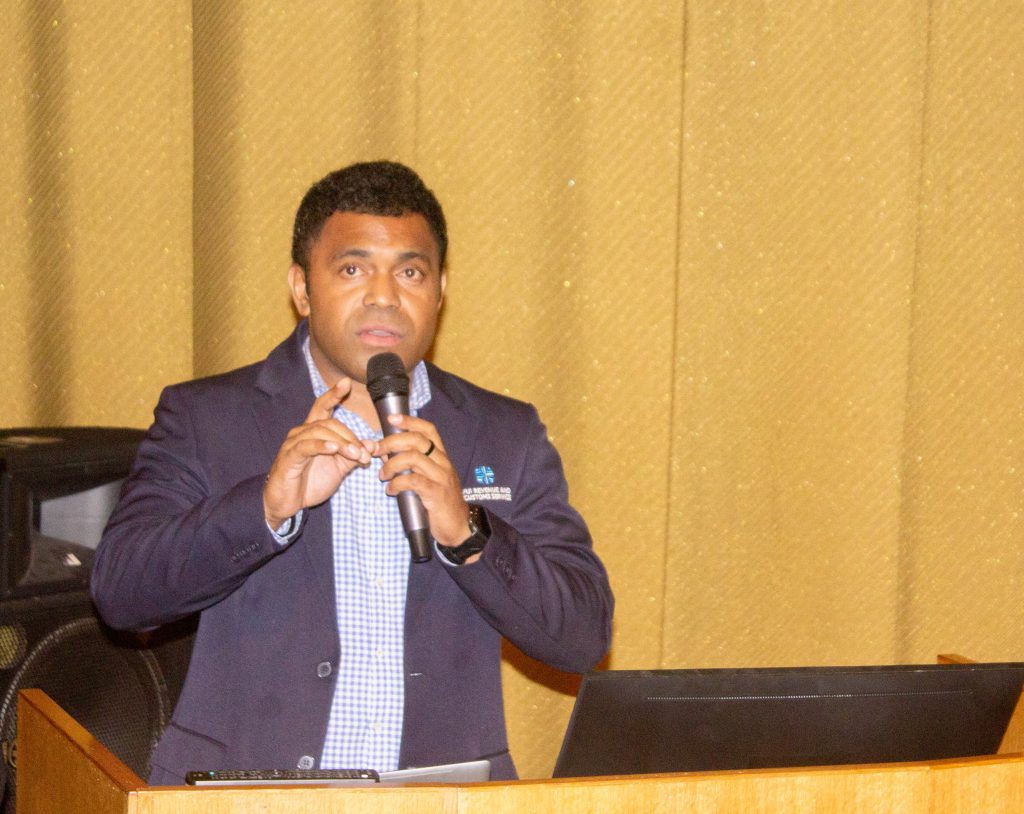
FRCS was invited to present on the theme “Innovate to Elevate: A Symphony of Entrepreneurial Brilliance” The University of the South Pacific (USP) Entrepreneurial Fair 2024.
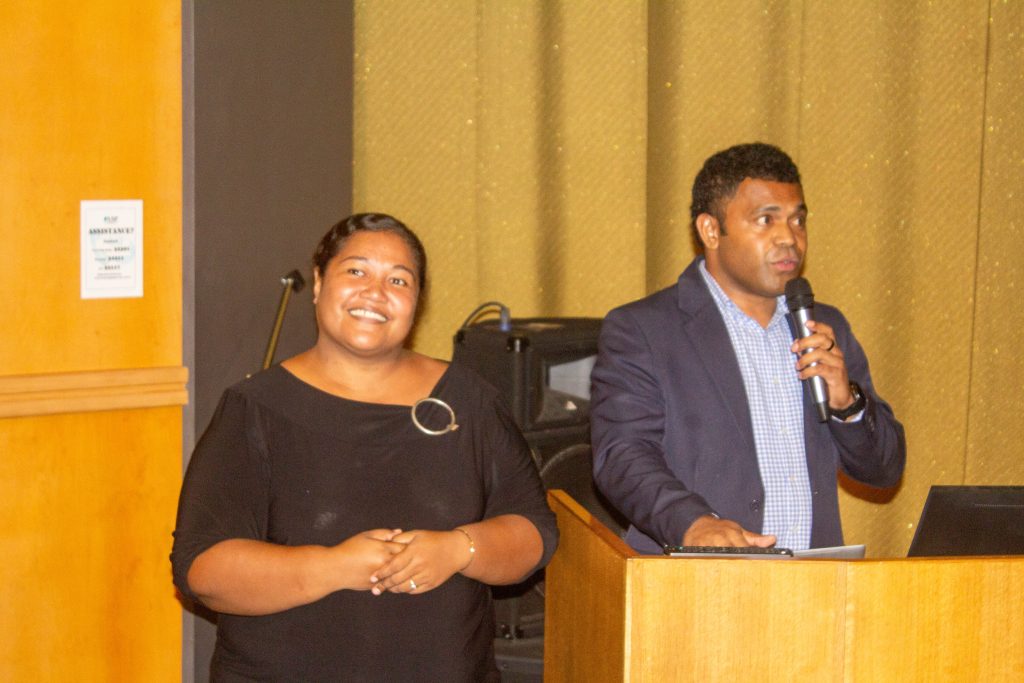
FRCS Senior Education Specialist Mr. Esala Vukinavanua spoke on the Tax Regulatory Requirements for Businesses.
Mr. Vukinavanua provided insights into the tax registration processes, taxpayer obligations as well as initiatives undertaken by FRCS. Additionally, he also provided advice to young people intending to launch, fund, sustain and grow a small and medium sized business.
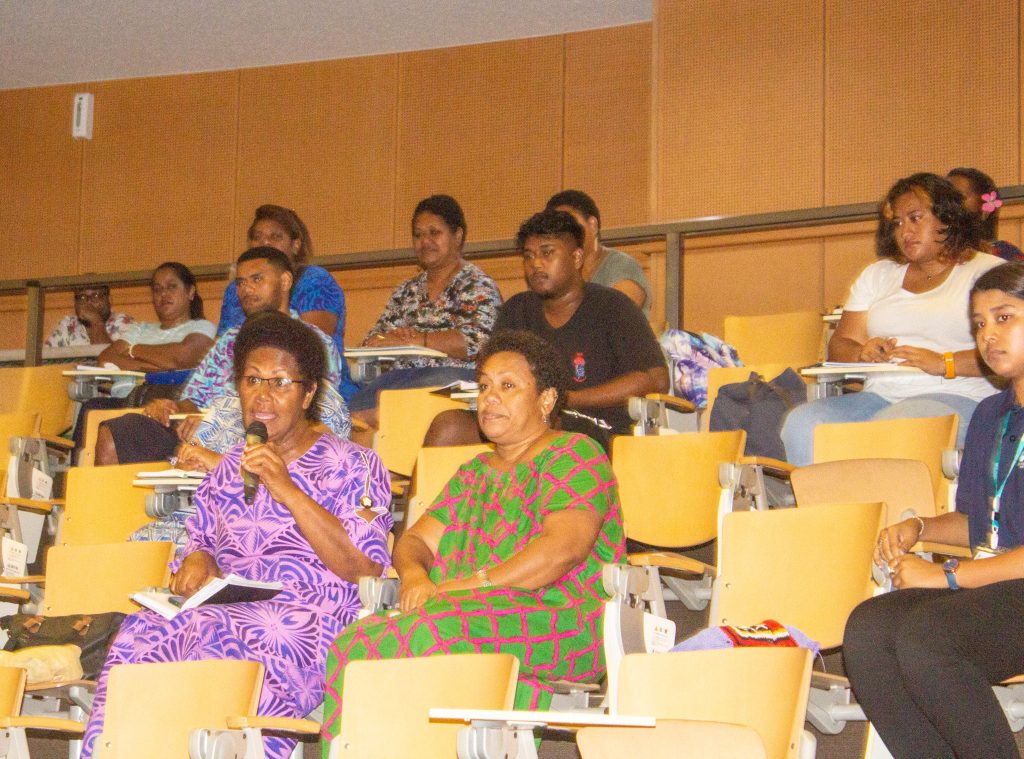
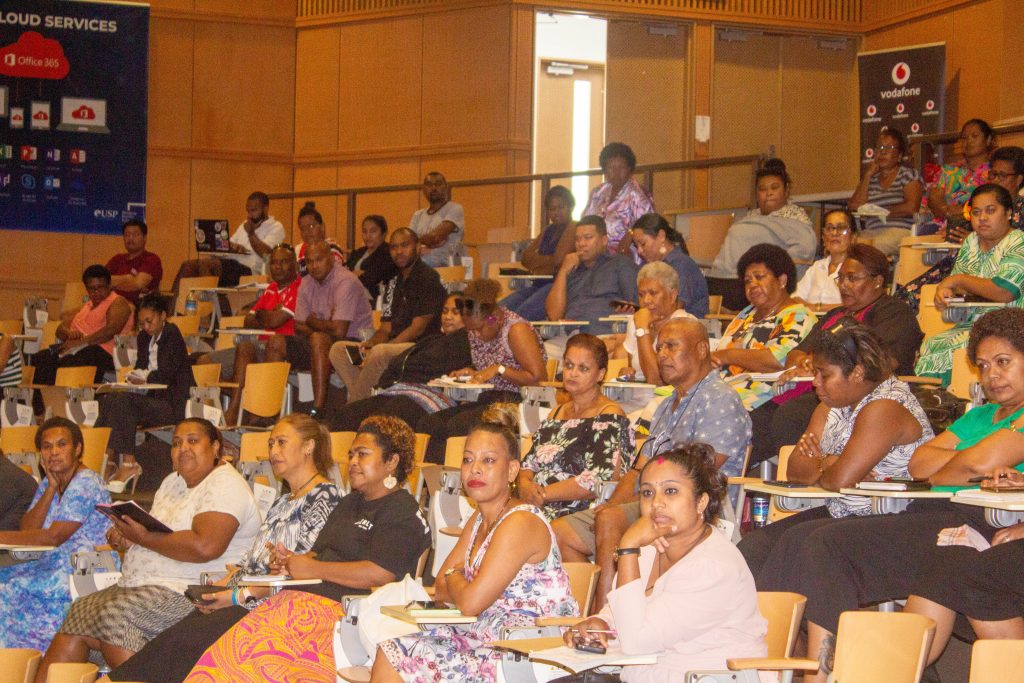
The session was very interactive with questions asked by the participants on the Taxpayer Online Service (TPOS), Value Added Tax (VAT), filing of tax, penalties and business registration.
The USP Entrepreneurial Fair is a yearly event organised to improve the mindset, build skills and introduce participants into entrepreneurship and owning your own business. It helps public and private stakeholders to share insights, lessons and next steps when it comes to launching and sustaining a business.
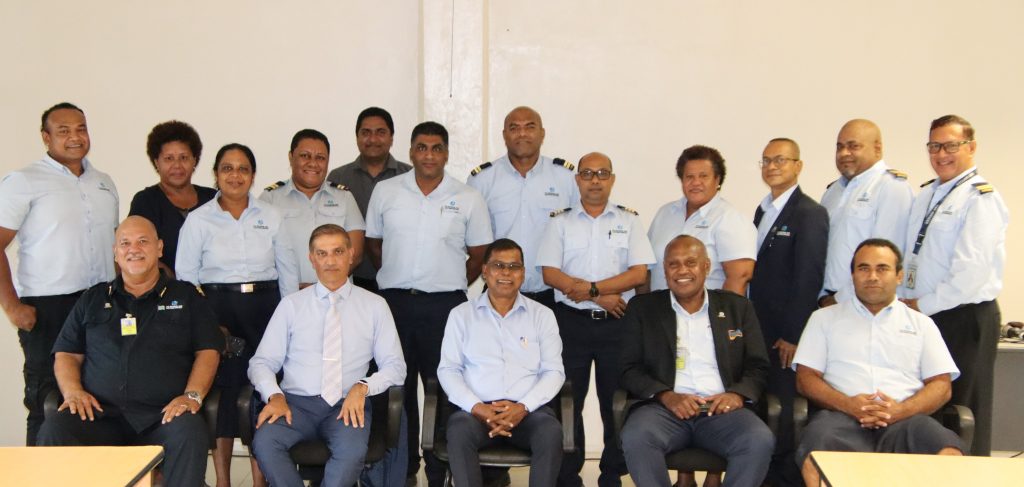
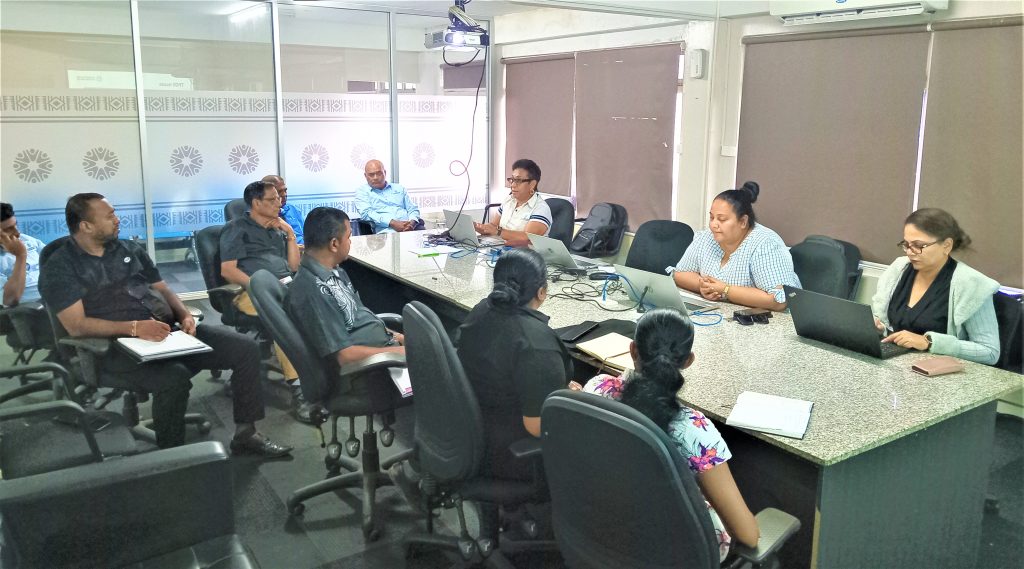
Recently, FRCS held a forum for the registered tax agents in the Northern Division as part of our continuous efforts to build and maintain constructive and sustainable relationship with the tax agents.
During the forum, we updated the tax agents on the compliance requirements in accordance with the Tax Agent’s Code of Conduct 2018, recent enhancements to the tax system processes and on current tax matters. The forum is the first face to face event that FRCS has held in the Northern Division, and it was well attended.
It also provided an excellent opportunity for the tax agents to discuss their tax issues and challenges with our tax experts and how FRCS and the tax agents can work together on pragmatic solutions.
FRCS will also hold a forum for registered tax agents in the Western division on 16th May 2024.
Our CEO, Mr. Udit Singh participated in the 25th Regional Heads of Customs Administration (RHCA) Conference held in Sydney, Australia from 15th to 18th April 2024.
The Conference brought together 35 member countries of the Asia/Pacific (AP) region as well as the Regional Office for Capacity Building (ROCB), and the Regional Intelligence Liaison Office (RILO). The focus was on supporting and strengthening the collective Customs administrations’ effort to promote growth, security, unity and prosperity in the AP.
It also provided an insight into the update of WCO policy and initiatives, ROCB and RILO updates, AP 2024-2026 regional strategic plan and terms of reference, WCO AP communique for gender equality and diversity, and sharing of best practices by other regional Customs. These included WCO modernization, resolution on strengthened customs-industry resilience and canine experts working group.
RHCA Conference not only convened to discuss matters of customs administration but also served as a platform for strengthening relations and partnerships with neighboring countries willing to support Fiji. Amongst discussions on trade facilitation and border management, delegates also took the opportunity to reaffirm their commitment to collective progress and solidarity in the face of shared challenges.
Field Visit by the Participants of the WCO TENTACLE AML/CTF Sub-regional Workshop
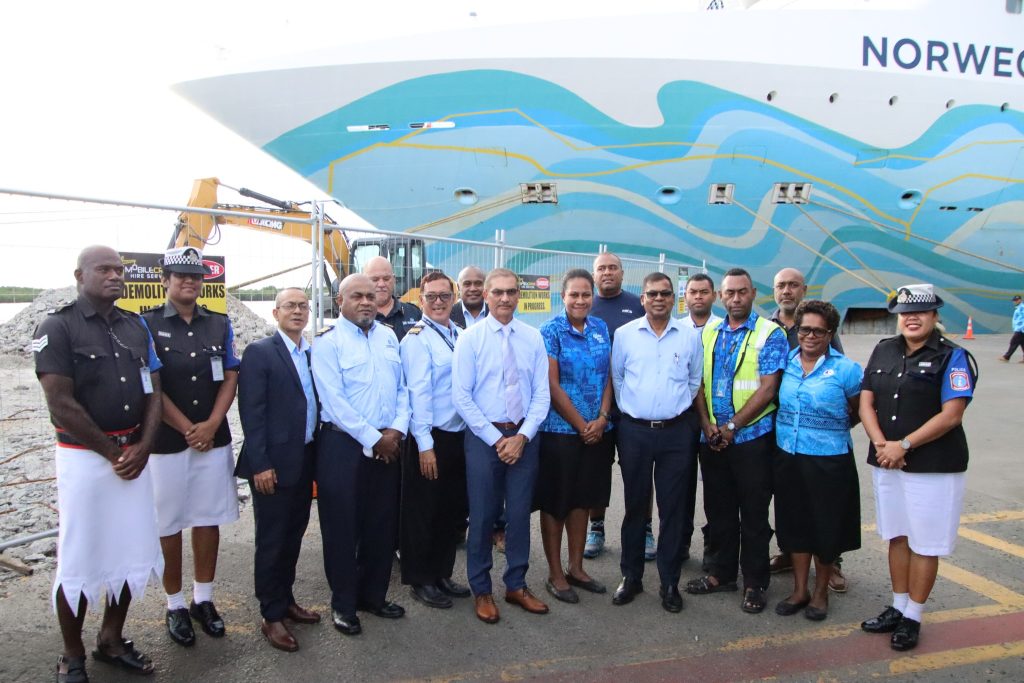
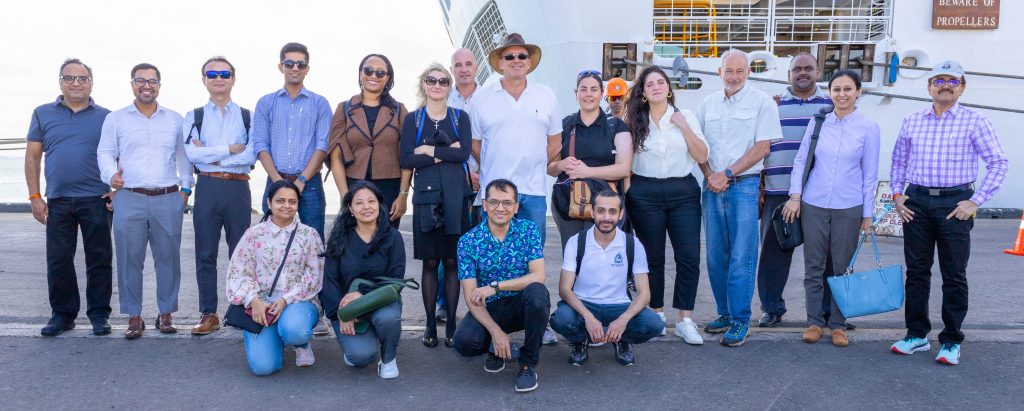
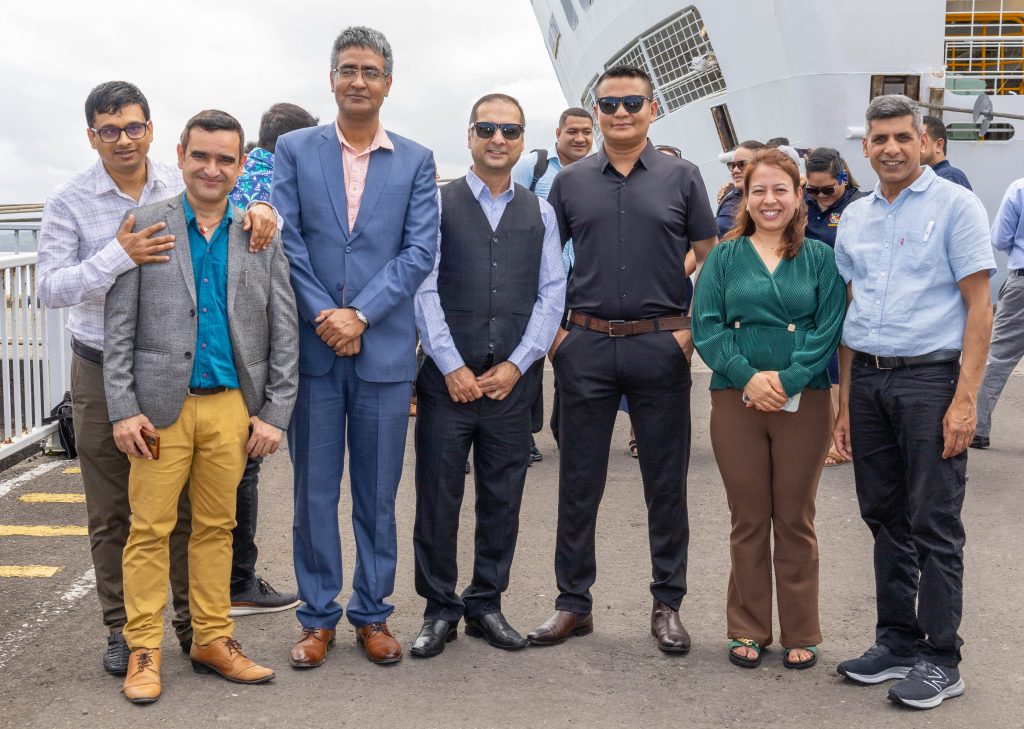
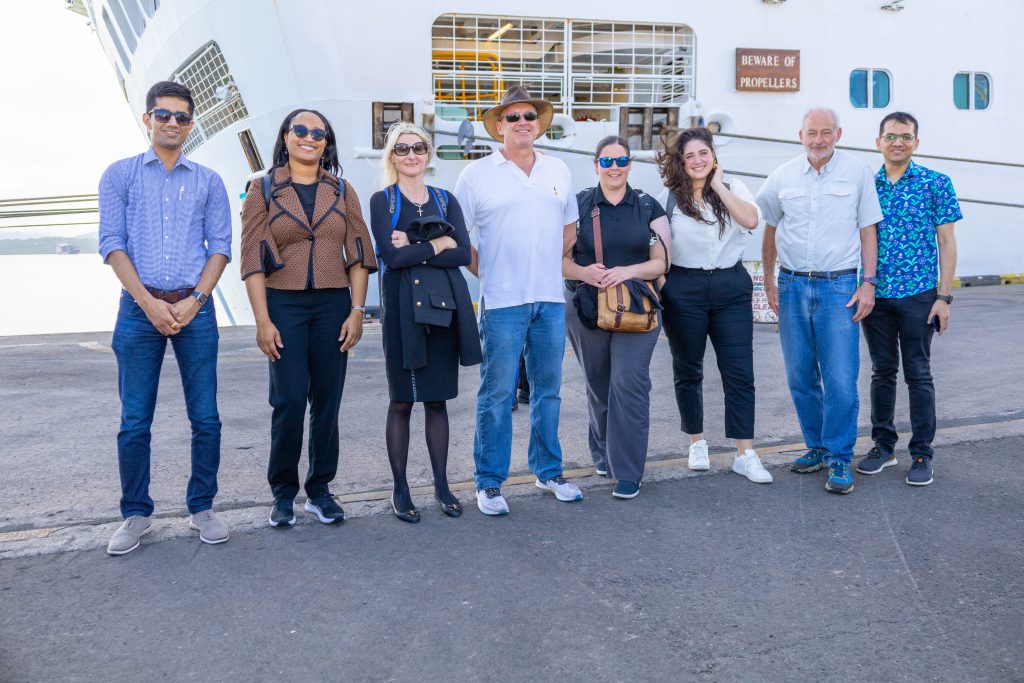
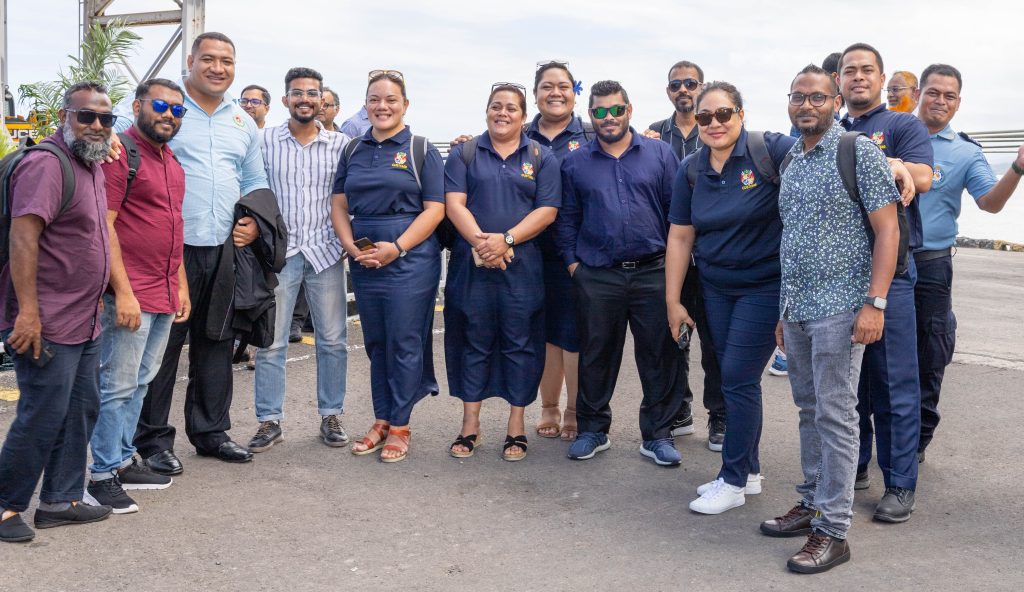
The 74 participants currently attending the World Customs Organisation (WCO) Anti-money Laundering and Counter Terrorism Financing (AML/CTF) Workshop visited the FRCS facility at the Suva Wharf. This was an opportunity for the delegates to see the Customs operations at the Wharf.
The AML/CTF is part of the WCO’s TENTACLE-Asia/Pacific Sub-regional Workshop series. FRCS is proud to host the largest WCO AML/CTF Workshop to date. For more images, visit our Facebook Page on this LINK .
FRCS Hosts Landmark WCO TENTACLE AML/CTF Sub-regional Workshop in Fiji
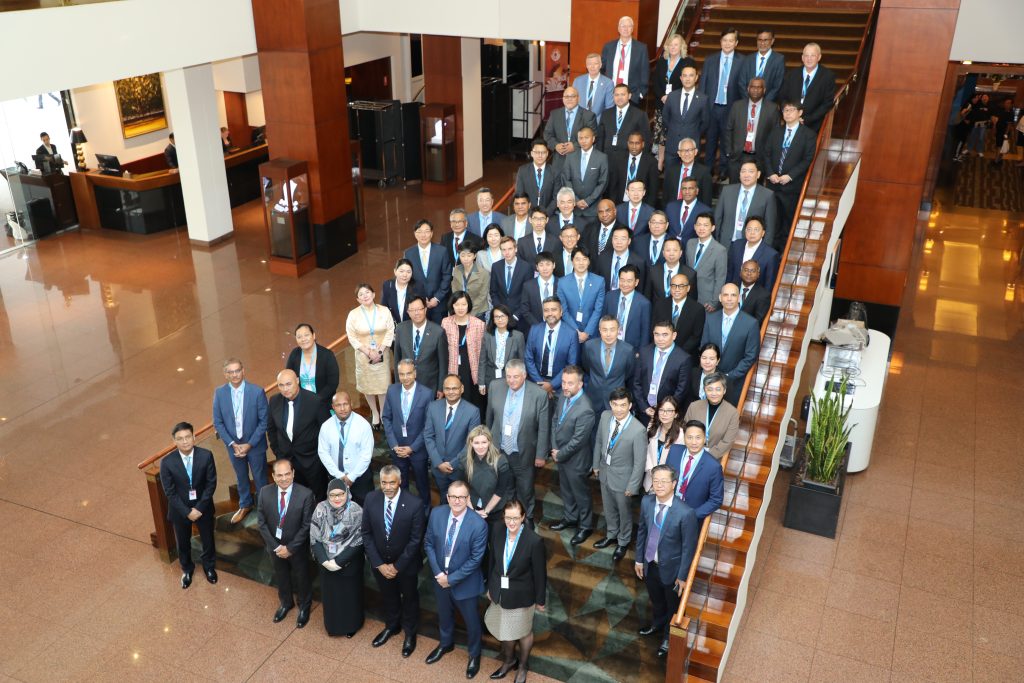
In a significant step towards reinforcing the integrity of trade and financial systems in the Asia-Pacific region, the Fiji Revenue and Customs Service (FRCS) is proudly hosting the largest World Customs Organization’s (WCO) Anti-money Laundering and Counter Terrorism Financing (AML/CTF) workshop to date. This milestone event, part of the WCO’s TENTACLE-Asia/Pacific Sub-regional Workshop series, took place at the FRCS Headquarters in Suva.
Project TENTACLE is the WCO’s focused initiative against bulk cash smuggling, including the illegal trade of gems and precious metals. The project underscores the commitment of WCO members to bolster efforts in curbing money laundering and terrorism financing within the Customs sphere.
The workshop brings together 74 delegates representing 10 Customs administrations, 6 Financial Intelligence Units (FIUs), 6 Police administrations, as well as representatives from INTERPOL, the EGMONT Group of FIUs and the Regional Liaison Officers in Asia Pacific (RILO AP). The forum is instrumental in augmenting the capacity of participants to fight the laundering of money and financing of terrorism in the customs arena.
While inaugurating the Workshop, FRCS CEO, Mr. Udit Singh described the Workshop as a testament to the collective commitment to safeguarding the integrity of Asia- Pacific sub region’s financial systems and protecting our societies from illicit activities.
According to Mr. Singh, the threats posed by money laundering and terrorism knew no boundaries and he was proud that FRCS had a proactive approach to counter these illicit activities.
“They undermine the stability of economies, fund criminal enterprises, and pose a significant risk to national and international security. As leaders and experts in our respective fields, it is incumbent upon us to work together, share knowledge, and implement best practices to combat these threats head-on,” he said.
Applauding Fiji’s diligent efforts, a WCO representative, acknowledged Fiji’s unwavering dedication to security.
“Customs authorities have an essential role to play in anti-money laundering activities due to their unique positioning at all border areas. The WCO reiterates its commitment to use its expertise to enhance the ability of Asian and Pacific nations to fight money laundering and safeguard the welfare of their people and countries against criminal threats.”
With Customs officers forming the frontline defense at national frontiers, they play a crucial role in impeding the transit of unlawful commodities.
The comprehensive week-long TENTACLE Workshop provided a platform for expert presentations and discussions on numerous facets of anti-money laundering and counterterrorism by WCO AML/CTF experts and country delegates.
The FRCS and the WCO extend their gratitude to all attendees and contributors for their dedication and collaborative spirit. Together, the workshop has laid down a stronger foundation for future endeavors against economic and security threats posed by laundering operations.
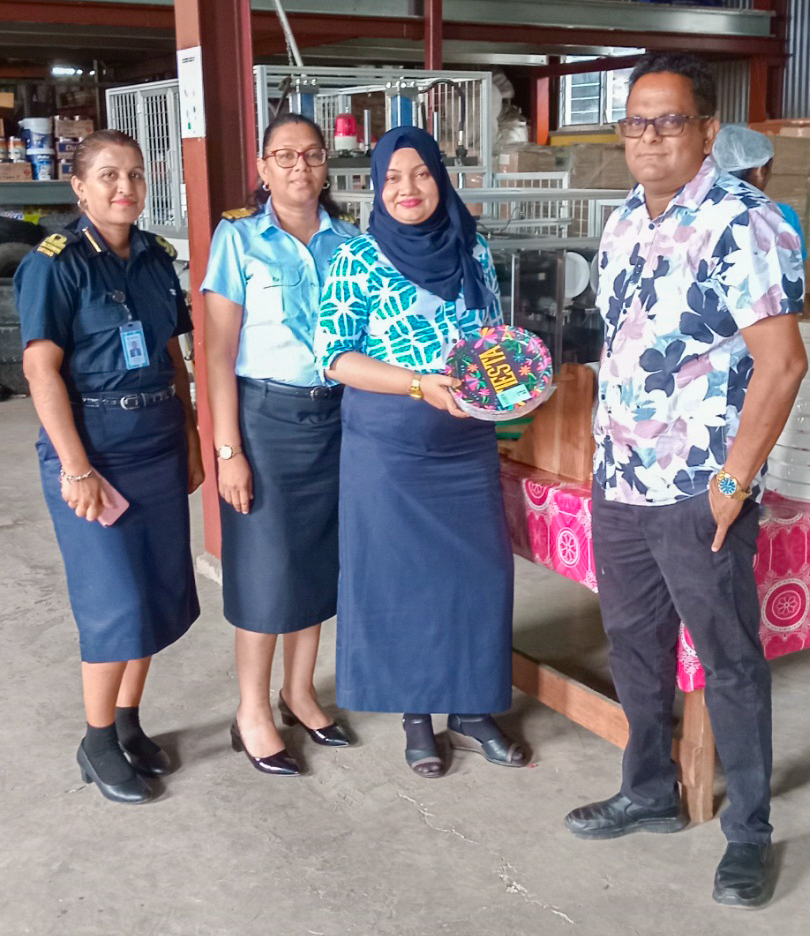
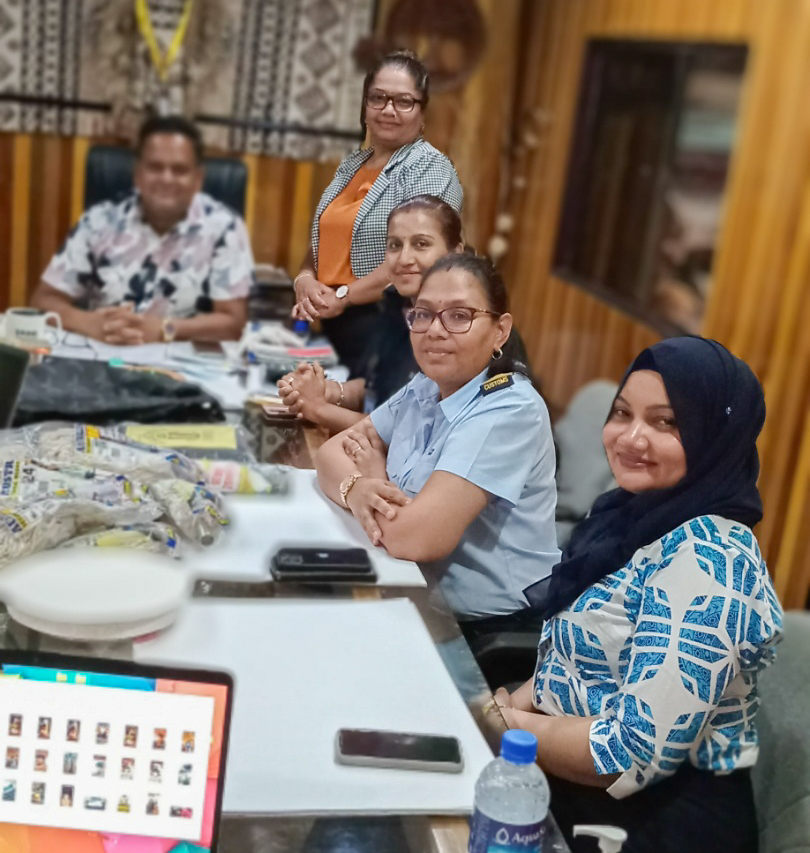
In line with our strategic objective to maintain our focus on being a customer-centric organisation, we have been actively building partnerships with all our clients, customers and business partners.
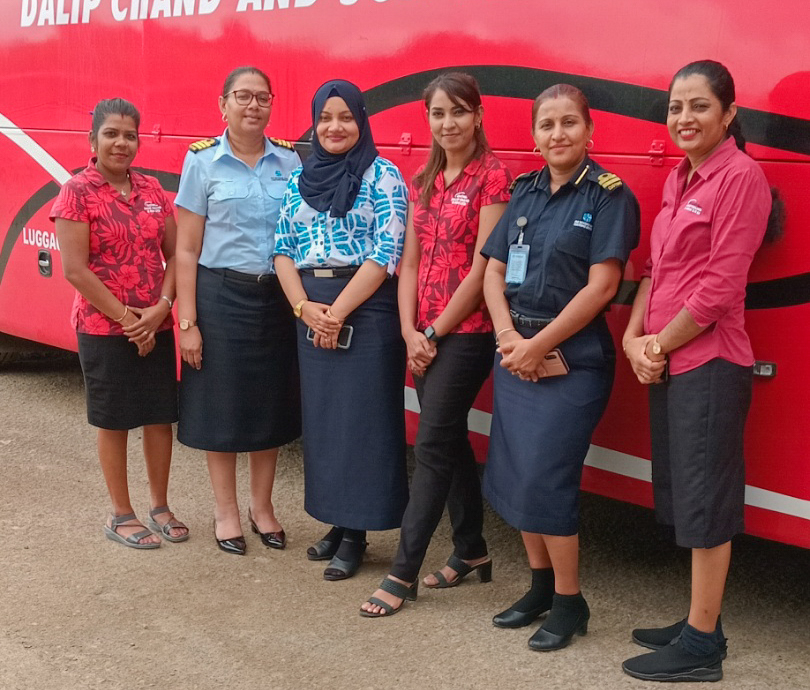
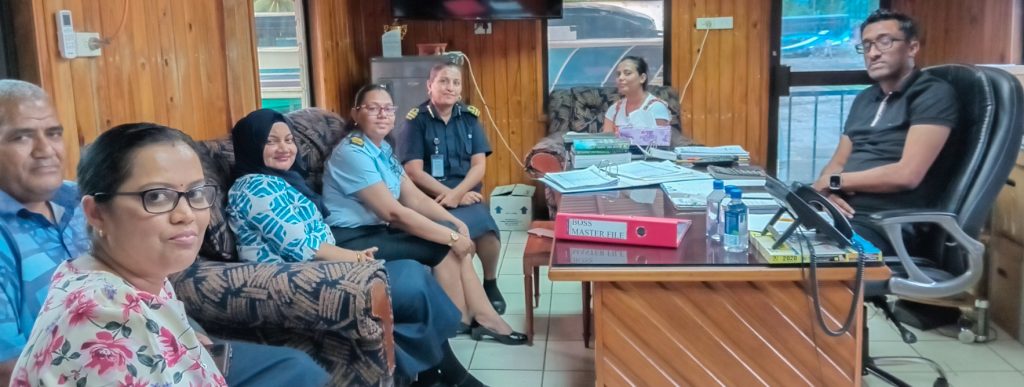
Recently, our executive team and senior managers held consultations with the bus and manufacturing industries in the Northern Division on tax incentives, customs concessions and Harmonized System (HS) Codes (a standardised numerical method of classifying traded products).
The 2023/2024 National Budget provides a 10 cents per liter fuel rebate to bus companies operating in the Vanua Levu and Taveuni. Our team discussed with the stakeholders on compliance requirements, advised them on what needs to be done to be compliant and attended to all their queries. Both the bus industry and the manufacturing sector are important components of the Fijian economy.
FRCS strives to ensure every taxpayer gets a concierge service and as such will consult widely and genuinely listen to customer feedback on ways to enhance our business.
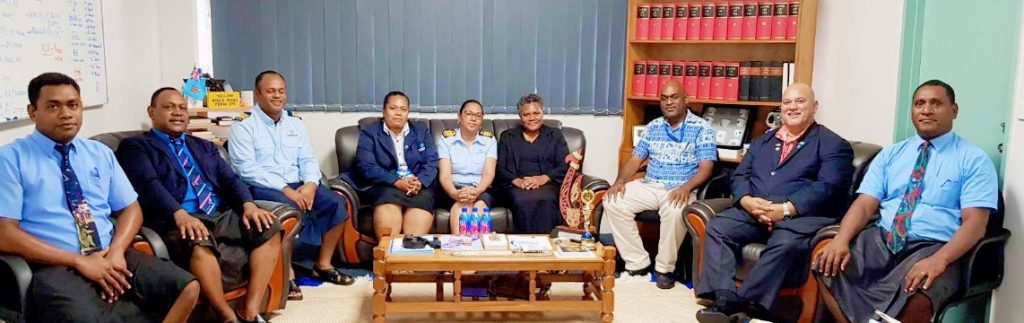
FRCS Meets with the Director of the Crime Investigation Department
In the ongoing pursuit of safeguarding our borders and communities against illicit trade, illegal movement of cargo, and human trafficking, partnership and collaboration have emerged as vital pillars. Recognizing this imperative, the Fiji Revenue and Customs Service (FRCS) met with the Director of the Criminal Investigation Department (CID) and her team on Wednesday, 13th March. The objective was to explore avenues for reinforcing partnerships and bolstering efforts to fortify our nation’s border security.
Border security stands at the forefront of national priorities, encompassing a multifaceted approach that demands seamless coordination and cooperation among various stakeholders. The meeting underscores the commitment of both entities to synergize their efforts and address the evolving challenges posed by transnational crime and illicit activities.
At the heart of effective border security lies the power of collaboration. By joining forces, customs agencies, law enforcement bodies, and other relevant authorities can pool resources, intelligence, and expertise to combat threats effectively. FRCS recognizes the critical role played by the CID in combating cross-border crimes, and thus, seeks to forge closer ties to enhance information sharing and joint operations.
During the meeting, discussions centred on identifying areas of mutual interest and exploring strategies to optimize existing partnerships. Both parties deliberated on innovative approaches to intelligence gathering, risk assessment, and enforcement activities aimed at disrupting illicit trade networks and preventing the unlawful movement of goods and individuals across our borders.
As Fiji is seen as a gateway to the world, ensuring robust border security is paramount not only for safeguarding economic interests but also for protecting our communities from the adverse impacts of transnational crime. By fostering strong partnerships and collaboration, the FRCS and the CID demonstrate their unwavering commitment to upholding the integrity of our borders and safeguarding the well-being of our citizens.
The meeting also served as a testament to the shared determination to confront the challenges posed by illicit activities directly. Through strengthened partnerships, enhanced cooperation, and a unified approach, we can fortify our defences and build a safer, more secure future for Fiji and its people.
Fiji’s Deputy Prime Minister and Minister for Finance and Strategic Planning, National Development, and Statistics, Hon. Prof. Biman Prasad Visits FRCS Offices in West
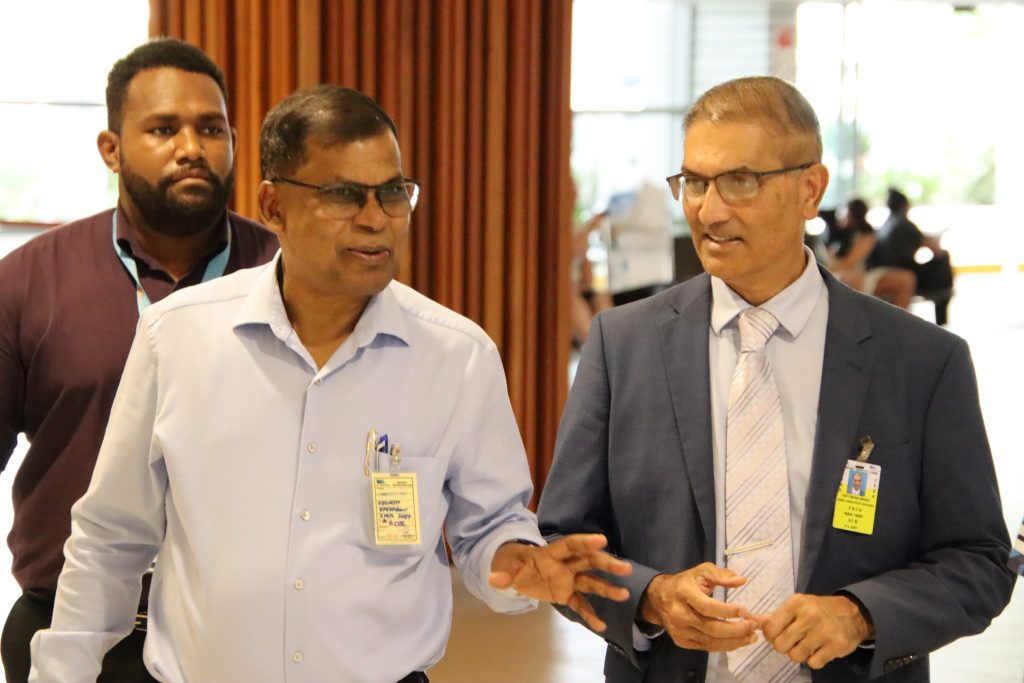
Deputy Prime Minister and Minister for Finance, Professor Biman Prasad visited the Fiji Revenue and Customs Service (FRCS) offices in Nadi and Lautoka, the Nadi International Airport, and the Lautoka Wharf, alongside the newly appointed FRCS CEO, Mr Udit Singh.
The visit aimed to address pressing issues concerning border control, tax compliance, staff challenges, and fostering a positive relationship with taxpayers. Discussions also revolved around combatting Fiji’s significant drug problem through strengthened border control measures.
Professor Prasad emphasized the urgency of curbing this growing concern, stating, “Effective border control mechanisms are essential in combating the alarming drug issue plaguing our nation. We must work tirelessly to ensure our borders remain secure.”
Professor Prasad reiterated the importance of tax compliance, stating, “Those who should pay tax must pay tax. Income generation is pivotal in sustaining government services and ensuring uninterrupted progress within our society.”
Acknowledging the Coalition Government’s focus remains on fiscal consolidation and reducing the debt to GDP ratio, Professor Prasad emphasized the ongoing importance of revenue collection.
He said “our work does not end here. Revenue collection remains a critical component in our efforts to sustain economic stability and provide essential services to our citizens.”
During the visit, FRCS staff had the opportunity to voice their concerns directly to the Deputy Prime Minister.
In response to the concerns raised, Professor Prasad affirmed, “The well-being of FRCS staff is paramount. We are committed to addressing the challenges faced by our dedicated employees and ensuring they have the support they need to carry out their duties effectively.”

 FRCS was invited to present on the theme “Innovate to Elevate: A Symphony of Entrepreneurial Brilliance” The University of the South Pacific (USP) Entrepreneurial Fair 2024.
 Recently, FRCS held a forum for the registered tax agents in the Northern Division as part of our continuous efforts to build and maintain constructive and sustainable relationship with the tax agents.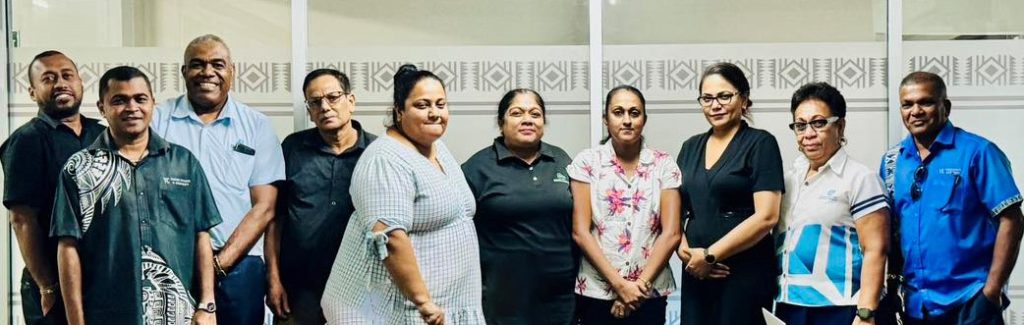
 In a significant step towards reinforcing the integrity of trade and financial systems in the Asia-Pacific region, the Fiji Revenue and Customs Service (FRCS) is proudly hosting the largest World Customs Organization’s (WCO) Anti-money Laundering and Counter Terrorism Financing (AML/CTF) workshop to date. This milestone event, part of the WCO’s TENTACLE-Asia/Pacific Sub-regional Workshop series, took place at the FRCS Headquarters in Suva.