FRCS Promotes Tax Awareness Through FBC Radio Talk-Back Shows
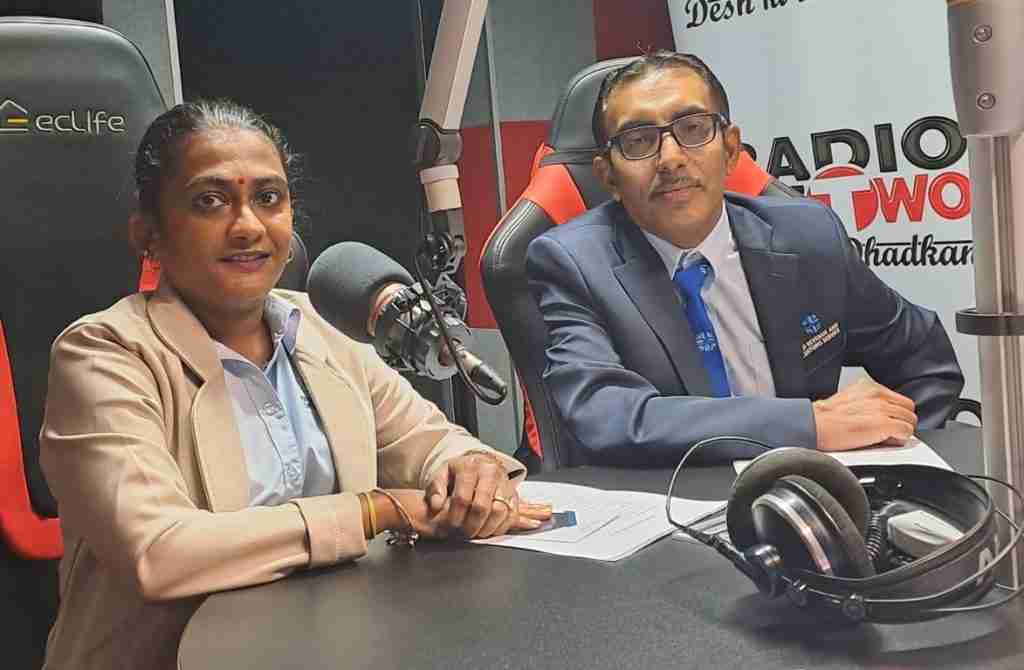
FRCS was pleased to participate in FBC’s Domo-ni-Vanua and Drishtikon radio talk-back shows this week, as part of its ongoing public education and awareness initiatives. The focus of the discussion was the VAT on New Dwelling House (NDH) incentive which is a tax refund scheme introduced under Section 70 of the Value Added Tax Act 1991. This initiative is designed to support Fijian citizens in acquiring or constructing their first home by allowing them to claim a refund on VAT paid.
During the program, FRCS representatives provided detailed information on eligibility criteria, the maximum VAT-inclusive price allowable for claims, required documentation, and the step-by-step process for submitting claims through the Taxpayer Online Services (TPOS) platform.
FRCS’s regular participation in radio talk-back shows reflects its strong commitment to taxpayer education and public engagement. By simplifying complex tax concepts and addressing real-time queries, FRCS empowers individuals and businesses to better understand their tax obligations and encourages voluntary compliance.
The sessions were highly interactive, with the team responding to a wide range of questions from listeners. FRCS continues to offer free tax education programs covering various aspects of tax and customs administration. For further assistance or to learn more about upcoming training opportunities, please contact us at 3243000, 1326, or email info@frcs.org.fj.
FRCS Promotes Tax Awareness Through FBC Radio Talk-Back Shows
FRCS was pleased to participate in FBC’s Domo-ni-Vanua and Drishtikon radio talk-back shows this week, as part of its ongoing public education and awareness initiatives. The focus of the discussion was the VAT on New Dwelling House (NDH) incentive which is a tax refund scheme introduced under Section 70 of the Value Added Tax Act 1991. This initiative is designed to support Fijian citizens in acquiring or constructing their first home by allowing them to claim a refund on VAT paid.
During the program, FRCS representatives provided detailed information on eligibility criteria, the maximum VAT-inclusive price allowable for claims, required documentation, and the step-by-step process for submitting claims through the Taxpayer Online Services (TPOS) platform.
FRCS’s regular participation in radio talk-back shows reflects its strong commitment to taxpayer education and public engagement. By simplifying complex tax concepts and addressing real-time queries, FRCS empowers individuals and businesses to better understand their tax obligations and encourages voluntary compliance.
The sessions were highly interactive, with the team responding to a wide range of questions from listeners. FRCS continues to offer free tax education programs covering various aspects of tax and customs administration. For further assistance or to learn more about upcoming training opportunities, please contact us at 3243000, 1326, or email info@frcs.org.fj.
FRCS Intercepts Illicit Substances Onboard Cruise Vessel Norwegian Sun
The Fiji Revenue and Customs Service (FRCS) reiterates its commitment to robust border enforcement following the interception of illicit substances onboard the cruise vessel Norwegian Sun.
Acting on credible intelligence, FRCS Customs officers conducted a targeted search of a passenger’s cabin, resulting in the discovery of prohibited substances. The individual was subsequently referred to the Fiji Police Force for further investigation.
The matter was brought before the court, where the passenger was formally charged and penalised in accordance with the law. This outcome underscores the seriousness with which such offences are treated under Fiji’s legal framework.
Commenting on the incident, FRCS CEO, Mr. Udit Singh stated: “This interception reflects the vigilance and professionalism of our border enforcement teams. FRCS remains unwavering in its duty to protect Fiji’s borders and uphold the integrity of our customs operations. We urge all travellers to comply with Fiji’s laws and respect the regulations in place to ensure the safety and wellbeing of our communities.”
FRCS continues to emphasise its role in safeguarding Fiji’s borders, ensuring the safety of all travellers, and protecting the wellbeing of the Fijian public. The Service reminds all visitors and members of the public that the possession and trafficking of illicit substances are criminal offences that attract severe penalties.
FRCS is pleased to host the Tax Administration Diagnostic Assessment Tool (TADAT) Assessment Team, who are currently conducting a standardized, evidence-based evaluation of key components of our tax administration system. This assessment will assist FRCS in identifying areas for improvement and prioritizing reforms that align with international best practices, ultimately strengthening our service delivery and operational efficiency.
The assessment is led by Ms. Margaret Cotton, Deputy Division Chief, Revenue Administration Division, Fiscal Affairs Department at the International Monetary Fund (IMF) in Washington D.C. She has also worked for the Pacific Financial Technical Assistance Centre (PFTAC).Throughout the assessment, the TADAT team has been engaging with various FRCS departments including tax, compliance, governance and risk, people and culture, finance and corporate services to gather data and insights across critical areas of tax administration.
This marks the second TADAT assessment for Fiji, with the first conducted in 2015. Since then, FRCS has undergone significant transformation. The current assessment will benchmark our progress, highlight opportunities for further improvement, and guide future reforms. It also reinforces FRCS’s commitment to strengthening core tax administration functions, enhancing revenue collection, and improving service delivery to taxpayers.
The other TADAT Assessment Team includes distinguished experts:
Mr. Stephen Vesperman, former Deputy Commissioner of the Australian Taxation Office (ATO)
Mr. Yuhei Chiba, Public Sector Specialist (Taxation), Asian Development Bank
Mr. Vincent de Paul Koukpaizan, Senior Economist, IMF Fiscal Affairs Department
Ms. Katrina Williams, Resident Advisor, IMF Pacific Financial and Technical Assistance Centre (PFTAC)
FRCS extends its sincere appreciation to the Government of Japan and the Asian Development Bank (ADB) for funding this assessment and acknowledges the continued support and partnership of the IMF’s Revenue Administration Division, the TADAT Secretariat, and PFTAC.
FRCS to Conduct National Time Release Study (TRS) at Nadi Airport
The Fiji Revenue and Customs Service (FRCS), with the support of the World Bank Group and the World Customs Organization (WCO), will be conducting a Time Release Study (TRS) to assess the efficiency of commercial cargo importation processes at Nadi International Airport.
The TRS is a globally recognized WCO tool designed to measure the actual time required for the release and clearance of goods from the moment of arrival until the physical release of cargo. This provides valuable insights into the efficiency of border procedures and highlights areas for improvement.
The study aims to identify bottlenecks and congestion in trade flow processes, enabling border agencies to take targeted measures that will enhance the effectiveness and efficiency of cargo clearance at Fiji’s borders. The TRS is referenced under Article 7.6 of the World Trade Organization (WTO) Trade Facilitation Agreement (TFA), which encourages members to measure and publish the average release time of goods. The last air cargo TRS at Nadi Airport was conducted in 2014.
Globally, TRS has become a key instrument for strategic planning and sequencing the implementation of WTO TFA measures in line with National Trade Facilitation Committees (NTFC). In recent years, the WCO and WTO, with support from the World Bank Group, have mobilized technical experts and resources to help countries streamline supply chains and adopt best practices for assessing, evaluating, and improving trade facilitation.
The 2025/2026 TRS will specifically focus on imported commercial cargoes and will commence in the second quarter of the financial year. The study will be undertaken in partnership with Air Terminal Services (ATS), the Biosecurity Authority of Fiji (BAF), and the Ministry of Health and Medical Services (MHMS).
FRCS CEO, Mr. Udit Singh said: that the TRS is not only about measuring time but it is about measuring progress.
“By identifying delays and inefficiencies, we can create smarter solutions that benefit traders, agencies, and the economy as a whole. This study reflects our commitment to transparency, accountability, and aligning Fiji with international best practices in trade facilitation,”Mr. Singh said.
This initiative reinforces Fiji’s commitment to strengthening border efficiency, improving trade facilitation, and supporting economic growth through streamlined processes.
FRCS Participates in Study Visit to Australian Border Force
Six Customs officers from various divisions of FRCS recently participated in a three-day study visit to the Australian Border Force (ABF). This collaborative initiative was jointly organized by the United Nations Office on Drugs and Crime (UNODC) and ABF, with technical funding support provided by the UK Government.
Led by Acting Chief Customs Officer Mr. Robeen Chand, the FRCS delegation engaged in an in-depth exploration of emerging border-related crimes, including serious non-compliance and criminal activities within the trade environment and the challenges that continue to impact FRCS operations. The visit aimed to enhance FRCS’s capabilities in virtual profiling and targeting, managing border risks associated with both known and unknown entities in the supply chain, and improving the integrity of cargo reporting. A key objective was to strengthen the detection of criminal networks operating within international trade.
Participants were also introduced to advanced border control technologies, including large-scale x-ray container scanners equipped with image analysis capabilities. These tools enable Customs officers to identify inconsistencies in cargo, detect anomalies, and mitigate associated risks. At ABF’s modern facility in Brisbane, the team was provided with extensive research opportunities into various border risks, including methods used by criminal networks such as the “Rips Method,” “Dope on a Rope,” the use of duplicate container seals, and insider threats within trusted networks.
The study visit offered valuable insights into evolving trade patterns and border crime trends, allowing officers to trial alternative targeting approaches and methodologies aimed at enhancing trade enforcement capabilities.
FRCS remains committed to its ongoing collaboration with UNODC and ABF to continuously build capacity, re-skill its workforce, and strengthen intelligence-sharing with regional partners. These efforts are geared towards developing a more agile, intelligence-led risk management framework and leveraging Non-Intrusive Inspection Equipment (NIIE) to detect, disrupt, and dismantle transnational organized crime.
Looking ahead, FRCS is confident in expanding its operational capabilities through both intrusive and non-intrusive methods, which will be instrumental in the establishment of the upcoming Container Examination Facility (CEF).
FRCS extends its sincere appreciation to the UK Government for its generous support of this initiative, and to our technical border partners including UNODC and ABF for their continued engagement and contribution to resource development.
Strengthening Public Understanding of VAT Reforms and VMS Implementation
The FRCS team continues to play a pivotal role in enhancing public education and awareness on key tax reforms, particularly the recent changes to the Value Added Tax (VAT) as announced in the 2024/2025 National Budget. These include the reduction in the VAT rate from 15% to 12.5%, as well as other VAT-related adjustments and the ongoing implementation of the VAT Monitoring System (VMS).
As part of our outreach efforts, our Senior Education Specialist, Mr. Esala Vukinavanua, recently appeared on Fiji TV’s Na Ketekete Nei Nau program. During the segment, Mr. Vukinavanua provided a comprehensive overview of what consumers should expect when purchasing goods and services following the VAT rate reduction. He also explained how FRCS is collaborating with other agencies to ensure that the revised VAT rate is accurately reflected in pricing, and shared updates on Phase 3 of the VMS rollout.
This engagement offered an invaluable opportunity for viewers to gain clarity on matters that directly affect their daily lives. By simplifying complex tax concepts and highlighting consumer rights, FRCS is empowering individuals and businesses to make informed decisions.
We remain committed to ongoing education and outreach initiatives to ensure that all Fijians are well-informed and supported. For further assistance or inquiries, members of the public are encouraged to contact us via our toll-free number 1326, direct line 3243000, or email info@frcs.org.fj
FRCS Honours Over 40 Entrepreneurs for Tax and Customs Compliance During MSME Day Celebrations in the Western Division
FRCS today marked a significant milestone in its ongoing commitment to empowering Micro, Small, and Medium Enterprises (MSMEs) with a vibrant celebration of MSME Day 2025 in the Western Division. This event, held for the first time in the West, took place at the FRCS Nadi Office, and was graced by the Honourable Minister for Women, Children and Social Protection, Ms. Sashi Kiran, as Chief Guest.
In recognition of their dedication to business development and regulatory compliance, more than 40 MSMEs members of the FRCS MSME Business Community were awarded certificates. These businesses have successfully completed the first and second years of FRCS’s training and coaching programme in tax and customs, positioning themselves as independent, tax and customs-compliant enterprises.
“The trainings delivered by FRCS have enabled MSMEs to better understand their tax obligations, access available incentives, and navigate complex customs procedures that are critical to their growth and expansion. These initiatives are not only about promoting compliance butthey are about building capacity, enhancing transparency, and fostering economic empowerment,” stated Honourable Minister Kiran.
She further emphasized the Fiji Government’s unwavering commitment to the growth and sustainability of the MSME sector. Through various programmes under the Ministry of Trade, Co-operatives, SMEs and Communications, the Government continues to provide financial support, training, market access, and digital tools to help MSMEs scale up. Efforts are also underway to simplify regulatory processes to create an enabling environment for small businesses to thrive.
According to FRCS data, there are currently:
28,570 active registered women taxpayers in the Micro Entrepreneur category (annual turnover up to $50,000),
3,110 women in the Small Entrepreneur category (annual turnover between $50,000 and $300,000), and
357 women operating at the Medium Entrepreneur level (annual turnover between $300,000 and $1.25 million).
“These figures reflect the depth of women’s participation in the business sector and the immense potential for further growth through sustained and strategic support,” added Honourable Minister Kiran.
FRCS Chief Executive Officer, Mr. Udit Singh, highlighted that over 6,000 MSMEs have been trained by FRCS in tax and customs processes.
“This initiative is not solely about compliance, but it is about building a stronger, more resilient economy. MSMEs are the backbone of our communities, and when they thrive, Fiji thrives,” Mr. Singh stated.
He emphasized that tax and customs literacy is essential for MSMEs to grow sustainably, access new markets, and contribute meaningfully to national development. “By equipping MSMEs with the tools and knowledge they need, we are not only supporting their success but also strengthening the economic fabric of our nation.”
The event also featured testimonials from MSME owners who shared how FRCS’s training transformed their businesses from informal operations into structured enterprises with clear financial records and strategic growth plans.
As the celebrations concluded, FRCS reaffirmed its commitment to supporting MSMEs through continued education, digital tools, and personalized coaching.

 The Fiji Revenue and Customs Service (FRCS) reiterates its commitment to robust border enforcement following the interception of illicit substances onboard the cruise vessel Norwegian Sun.
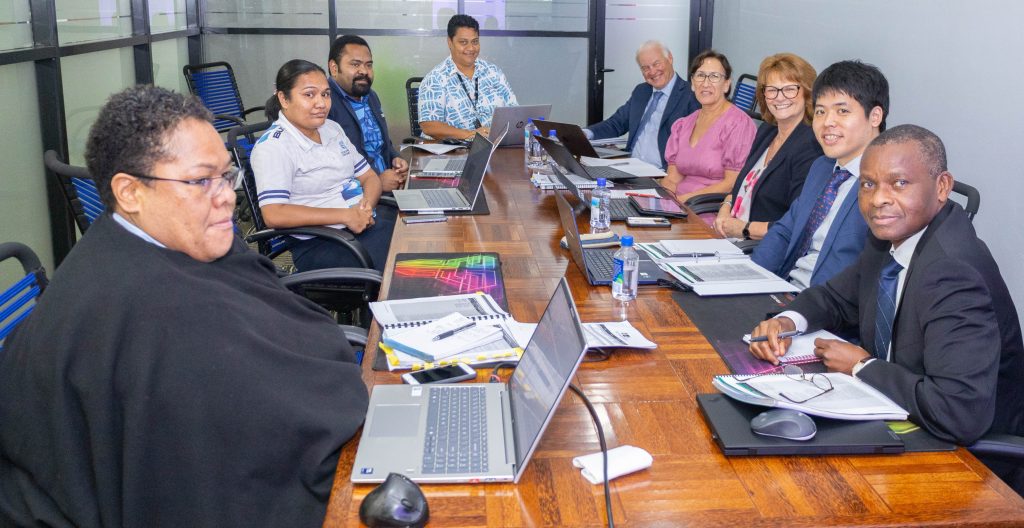 FRCS is pleased to host the Tax Administration Diagnostic Assessment Tool (TADAT) Assessment Team, who are currently conducting a standardized, evidence-based evaluation of key components of our tax administration system. This assessment will assist FRCS in identifying areas for improvement and prioritizing reforms that align with international best practices, ultimately strengthening our service delivery and operational efficiency.
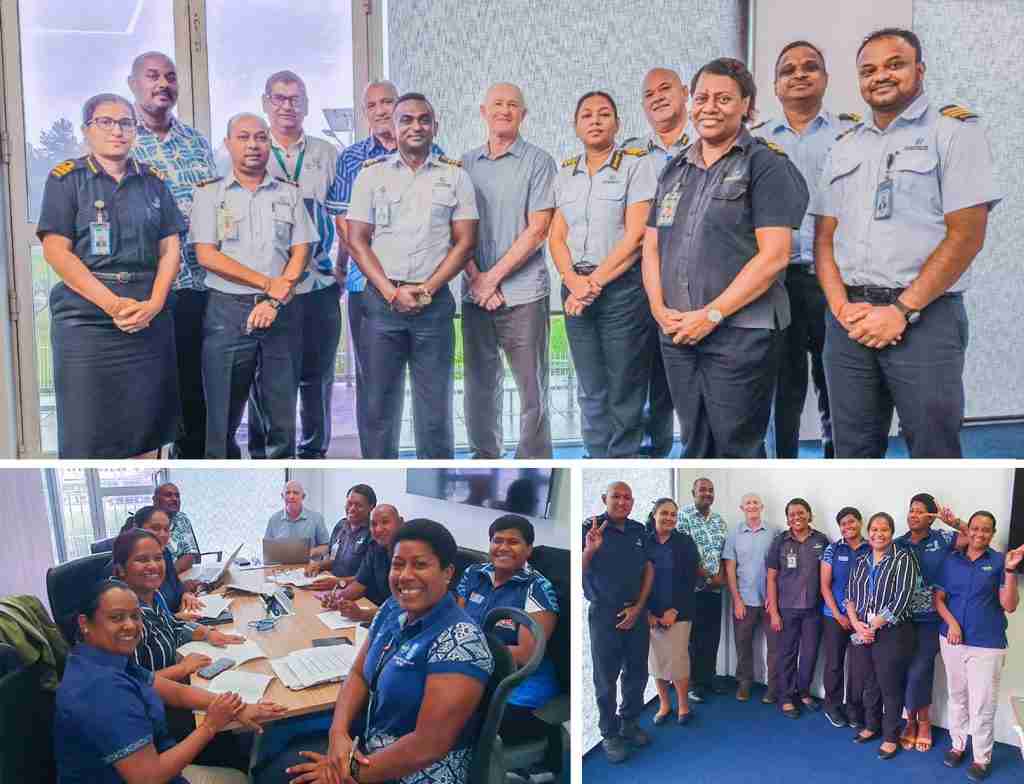 The Fiji Revenue and Customs Service (FRCS), with the support of the World Bank Group and the World Customs Organization (WCO), will be conducting a Time Release Study (TRS) to assess the efficiency of commercial cargo importation processes at Nadi International Airport.
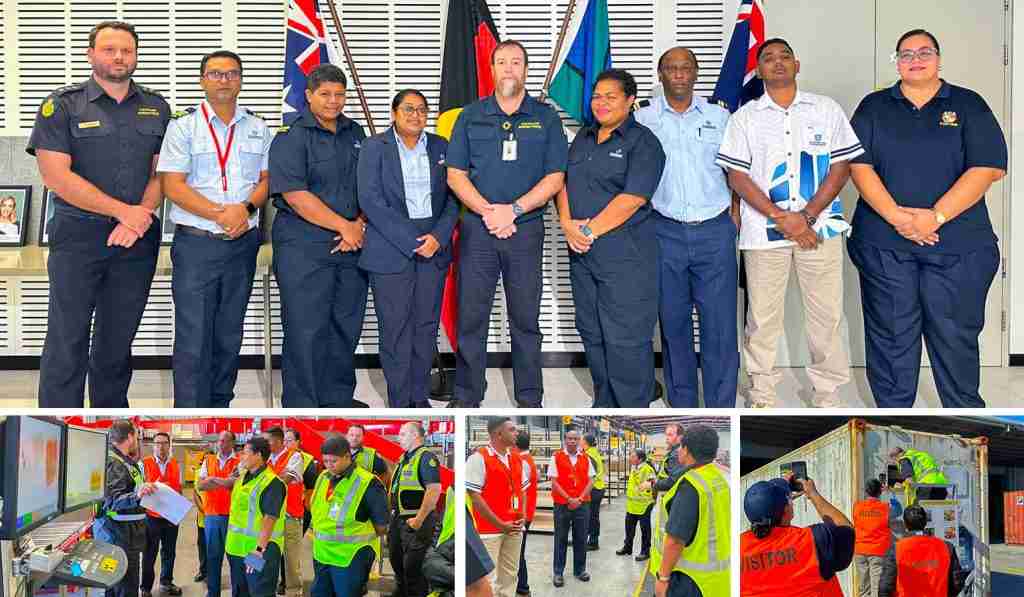 Six Customs officers from various divisions of FRCS recently participated in a three-day study visit to the Australian Border Force (ABF). This collaborative initiative was jointly organized by the United Nations Office on Drugs and Crime (UNODC) and ABF, with technical funding support provided by the UK Government.
 The FRCS team continues to play a pivotal role in enhancing public education and awareness on key tax reforms, particularly the recent changes to the Value Added Tax (VAT) as announced in the 2024/2025 National Budget. These include the reduction in the VAT rate from 15% to 12.5%, as well as other VAT-related adjustments and the ongoing implementation of the VAT Monitoring System (VMS).
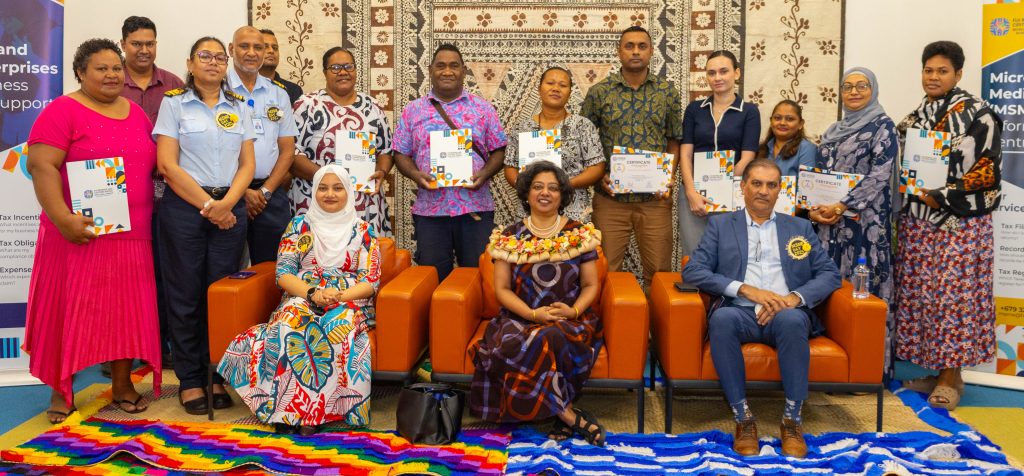 FRCS today marked a significant milestone in its ongoing commitment to empowering Micro, Small, and Medium Enterprises (MSMEs) with a vibrant celebration of MSME Day 2025 in the Western Division. This event, held for the first time in the West, took place at the FRCS Nadi Office, and was graced by the Honourable Minister for Women, Children and Social Protection, Ms. Sashi Kiran, as Chief Guest.