

The Accommodation & Food Service Activities Industry is a key driver of Fiji’s tourism economy, contributing nearly 10% of revenue and supporting thousands of businesses and workers across Fiji’s islands. International and domestic tourists alike drive high demand for both formal and informal accommodation, including hotels, resorts, guesthouses, homestays, and short-term rentals. To fully capitalize on emerging opportunities and maintain global competitiveness, tourism operators and related industries, including accommodation and food services require timely access to market trends and sector intelligence to inform their business and marketing strategies.
Short-term accommodation encompasses a variety of options such as hotels, resorts, guesthouses, homestays, and other temporary lodging. Complementing this are other accommodation types including caravan parks, lodges, dormitories, and hostels. Food services cover a broad spectrum of establishments like restaurants, cafés, caterers, takeaway outlets, food courts, and clubs. Distinct from these are beverage serving activities, typically found in bars, pubs, and taverns.
A growing area of concern is the rapid expansion of informal homestay operators. Many individuals and families now operate short-term rentals through online platforms without registering for tax, declaring income, or meeting VAT obligations. In many cases, these operators understate or fail to report earnings, contributing to substantial revenue leakage in a sector that should otherwise yield higher tax contributions.
Accomodation & Food Trend Analysis
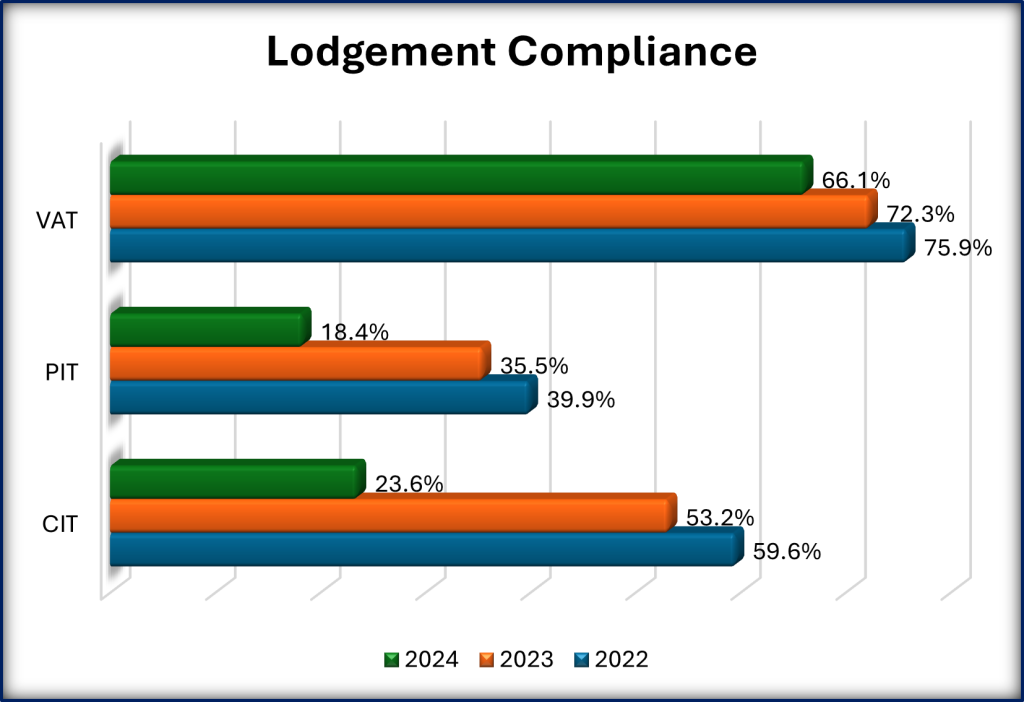
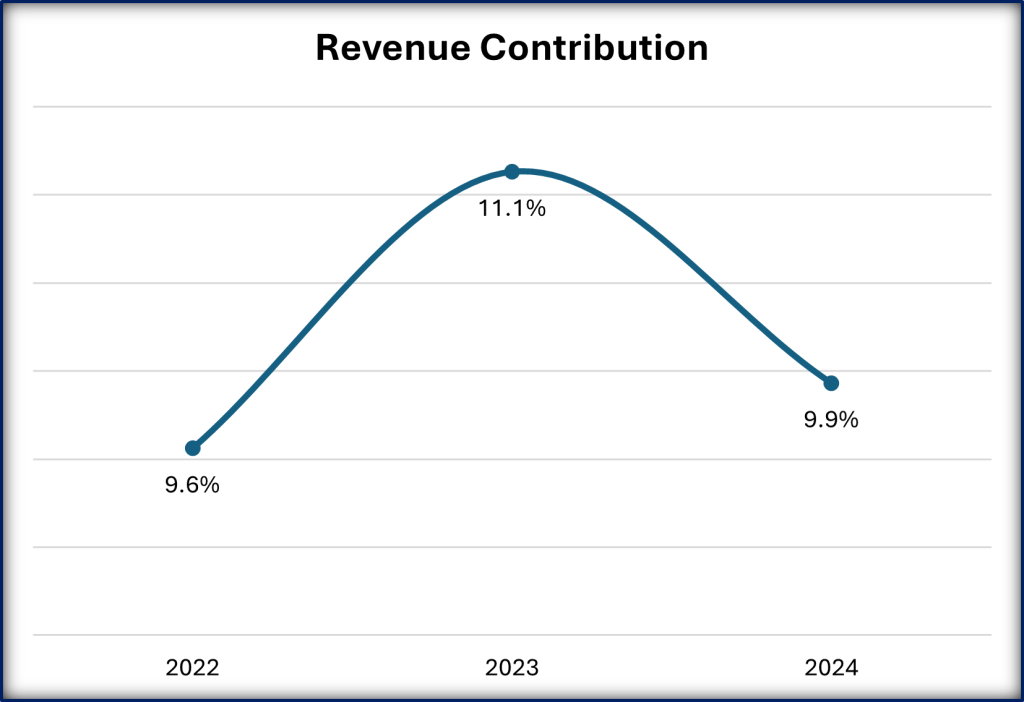
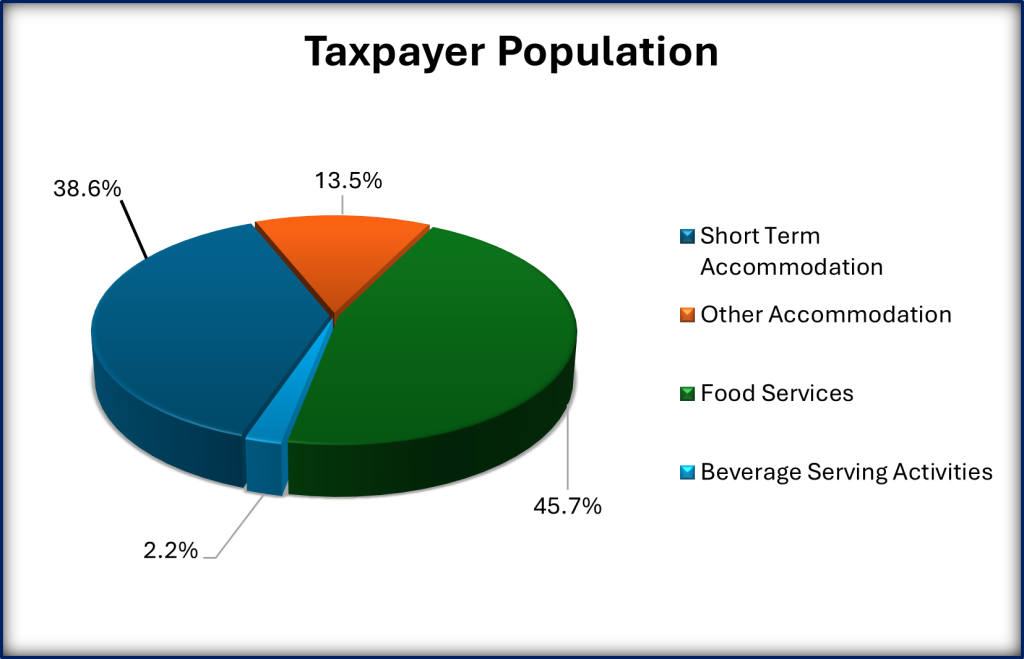
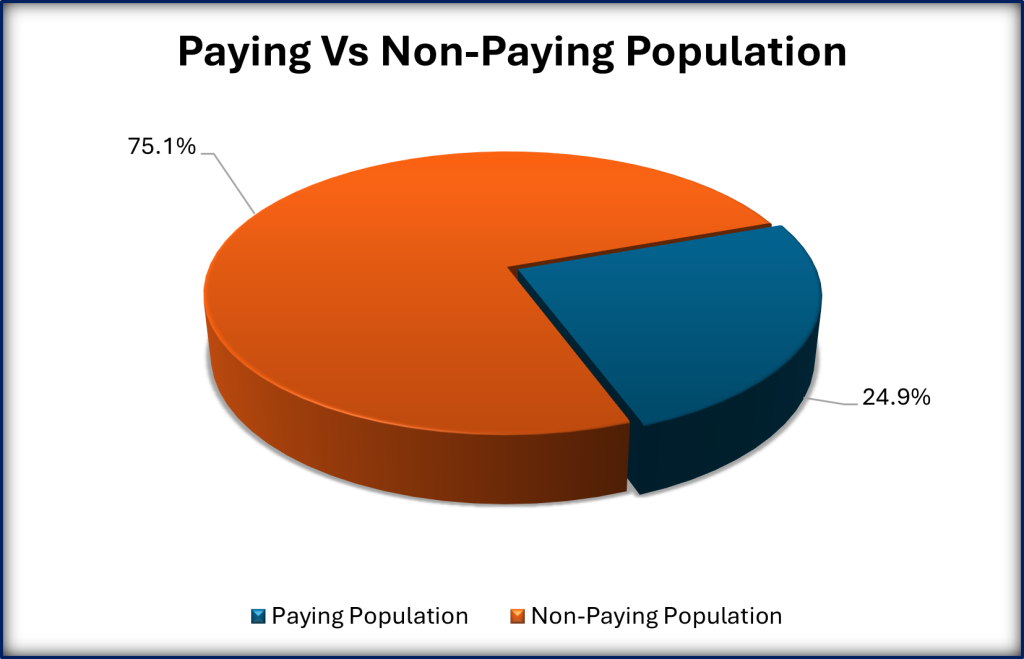
The Accommodation & Food Service Activities industry demonstrates resilience and remains crucial for tax revenue, especially with the tourism rebound. However, a slight reduction in 2024 signals growing compliance risks, particularly concerning VAT lodgement, income reporting, and the presence of unregistered operators like short homestays. This is further evidenced by a concerning decline in lodgement compliance for Corporate Income Tax (CIT), Personal Income Tax (PIT), and Value Added Tax (VAT), highlighting an urgent need for targeted interventions, including improved taxpayer education, stronger enforcement, and better filing support, especially given the expansion of informal operators. Only 25% of the total taxpayer population is actively contributing.
Risk Areas and Mitigation Strategies
FRCS recognizes the growing challenge of unregistered short-term accommodation (homestays) contributing to under-reported revenue in the Accommodation & Food Service sector. Addressing this risk is a key focus of FRCS’s 2025–2028 compliance strategy.
| Risk Area | Description | FRCS Mitigation Strategy |
|---|---|---|
| Underreported Revenue | Significant income under-reporting in formal and informal lodging and food services. | Use Risk Engine analysis + TPOS data + third-party platform data to identify under-reporting; audit high-risk operators. |
| Unregistered Homestay Operators | Many operators offer short-term rentals via online platforms (Airbnb, Booking.com, etc.) without tax registration or income declaration. | Work with platform operators, FFIU and bank data to match transactions; conduct targeted registration and enforcement campaigns; raise public awareness of obligations. |
| Cash-Based Transactions | High proportion of cash payments in food services and some lodging. | Promote digital payments; mandate electronic invoicing and fiscal devices in medium/large operators. |
| Informal Operators | Small homestays, mobile food vendors, and unlicensed B&Bs operating below the tax radar. | Launch registration drives; partner with Tourism Fiji and municipal councils to identify and register informal operators. |
| Employment Misreporting | Non-compliance in PAYE reporting, especially for casual and seasonal staff. | Cross-match with FNPF and Ministry of Labour data; targeted audits of payroll practices. |
| VAT Non-Lodgement | Persistent downward trend in VAT filing rates. | Automate reminders; send targeted enforcement notices; enhance Risk Engine VAT monitoring. |
| Low Effective Tax Rates | Income Tax and VAT rates remain well below potential. | Conduct focused tax audits; benchmark against comparable businesses; verify high-risk expense claims. |
Last Updated - April 27, 2026