
The Other Service Activities industry is one of the most diverse segments of Fiji’s economy, encompassing a wide array of personal, repair, community-based, and professional support services. It contributes essential services to both urban and rural communities and provides significant income opportunities for micro and small enterprises.


“Fair Tax, Clear Rules, Shared Responsibility.”
However, the sector remains highly fragmented, with many operators functioning informally or with limited tax engagement. Recent taxpayer analysis highlights several key sectors within the industry, each presenting unique compliance challenges and opportunities for targeted improvement.
Various service sectors contribute to the economy, including a stand-alone group for funeral and related activities. Hairdressing and beauty treatment is characterized by a large number of small service providers. Repair and maintenance covers a wide range of personal and household items, such as communication equipment, computers, consumer electronics, footwear, furniture, household appliances, and other personal or household goods. Additionally, there is a specialized segment for washing and cleaning services. The industry’s tax contribution remains low relative to its economic size.
However, the industry also presents significant tax compliance challenges:
- A high proportion of businesses operate informally or without proper registration.
- Financial record-keeping is often weak or non-existent.
- Income underreporting and VAT turnover fluctuations are common.
Other Service Activities Trend Analysis
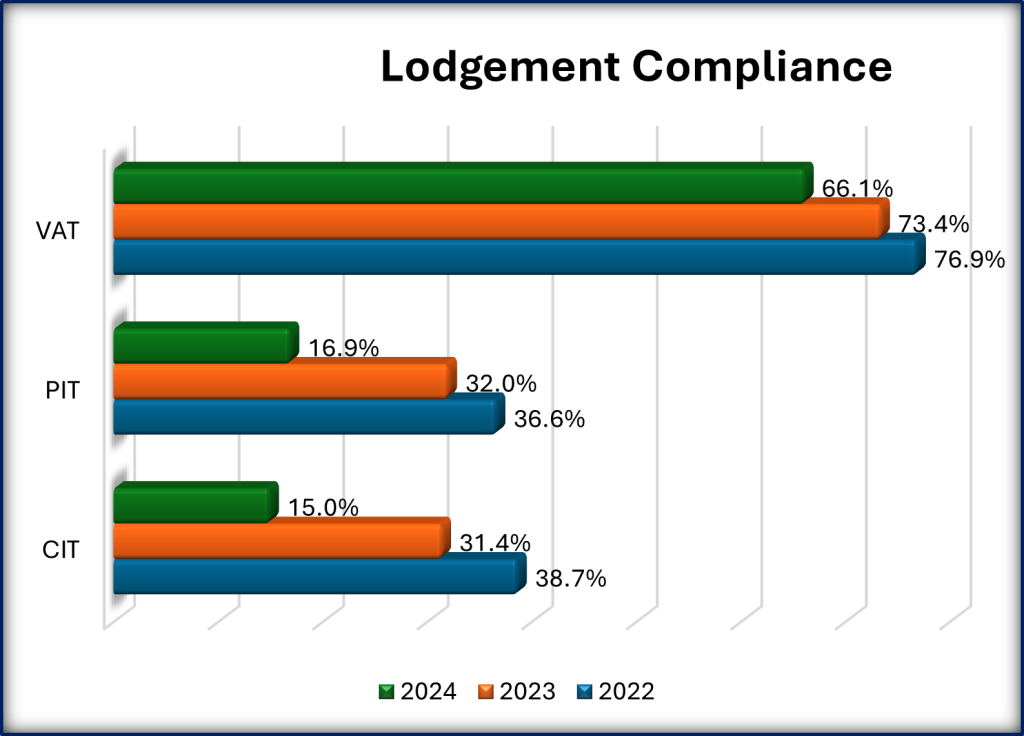
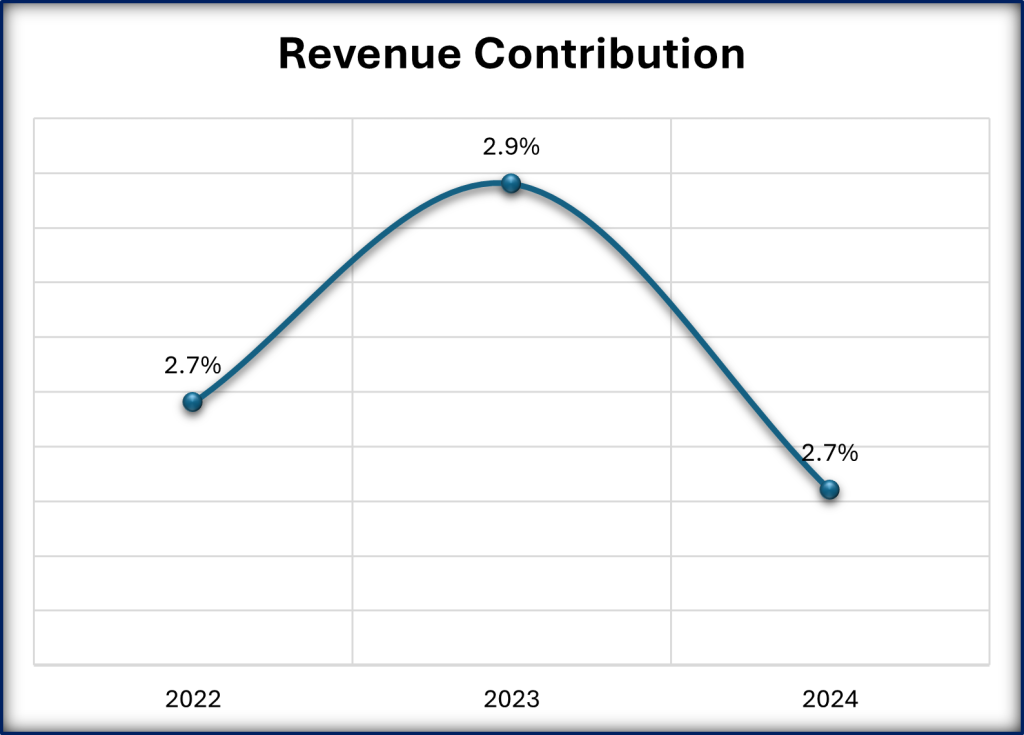
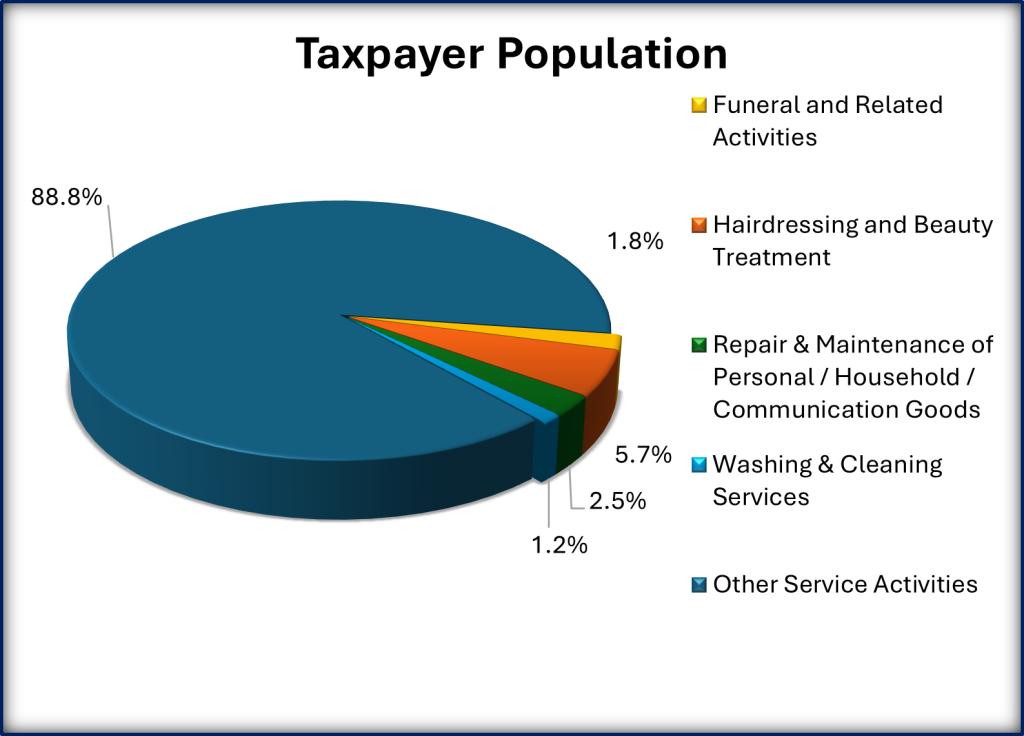
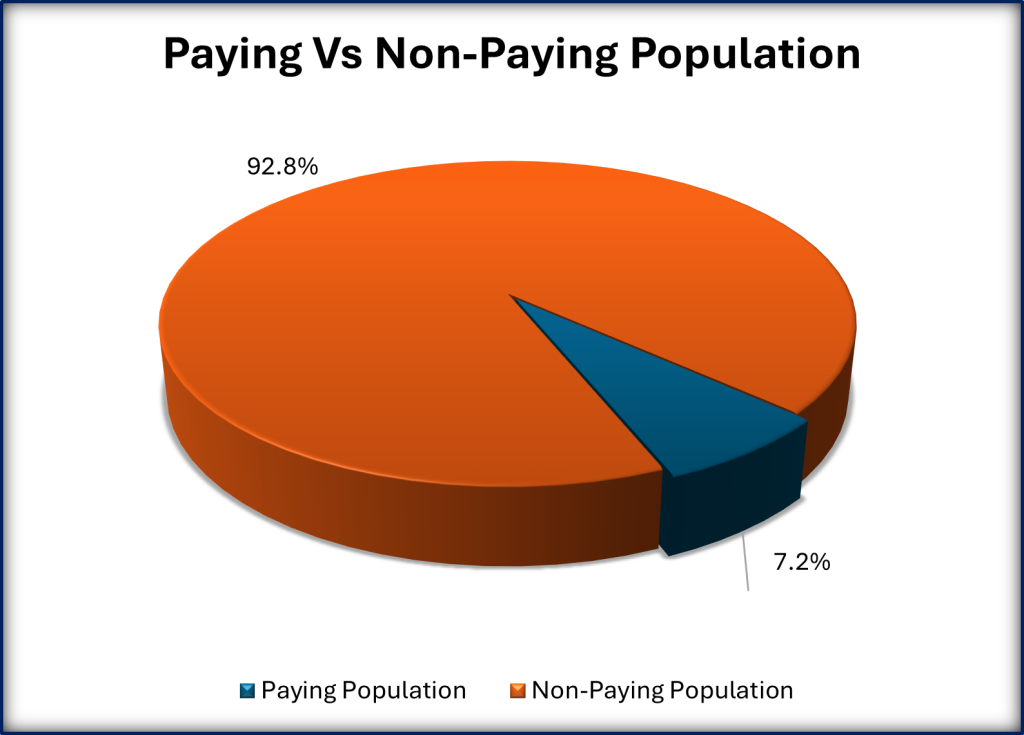
The Other Service Activities industry has shown an inconsistent tax revenue contribution over recent years, fluctuating around a similar percentage. This trend, combined with a noticeable decline in lodgement compliance rates for Value Added Tax, Personal Income Tax, and Corporate Income Tax between 2022 and 2024, underscores an urgent need for strengthened compliance efforts and enhanced reporting accuracy across the entire sector to mitigate potential revenue leakage. Only 7.2% of the total taxpayer population is actively contributing.
Risk Areas and Mitigation Strategies
Promoting fairness and transparency in Fiji’s diverse service industry, ensuring every business plays its part.
| Risk Area | Description | Mitigation Strategy |
|---|---|---|
| Underreported Income | Many businesses operate informally or under-declare true income, particularly in personal and repair services. | Expand industry-specific education workshops; targeted audits using third-party verification (bank data, suppliers). |
| VAT Turnover Fluctuations | Inconsistent VAT reporting and fluctuations suggest significant misreporting or non-declaration of sales. | Use Risk Engine predictive analytics to identify turnover anomalies; automate alerts in TPOS; and follow up with risk-based audits. |
| Informal Business Operations | Many businesses are unregistered or fail to maintain structured financial records, operating entirely in cash. | Strengthen cross-agency collaboration with business associations and regulatory bodies to increase formal tax registrations. Promote simplified digital recordkeeping through TPOS. |
| Low Filing / Lodgment Rates | Low compliance in CIT, PIT, and VAT filing within the industry. | Simplify TPOS filing for small businesses; set up Compliance Kiosks during trade fairs and business association events to improve awareness and provide assistance. |
| High-Risk Taxpayer Segments | 14.87% of taxpayers in this sector were flagged as high risk by Risk Engine analysis. | Leverage Risk Engine profiles for targeted enforcement; apply balanced penalties for non-compliance while offering structured relief programs to incentivize voluntary compliance. |
Last Updated - April 27, 2026