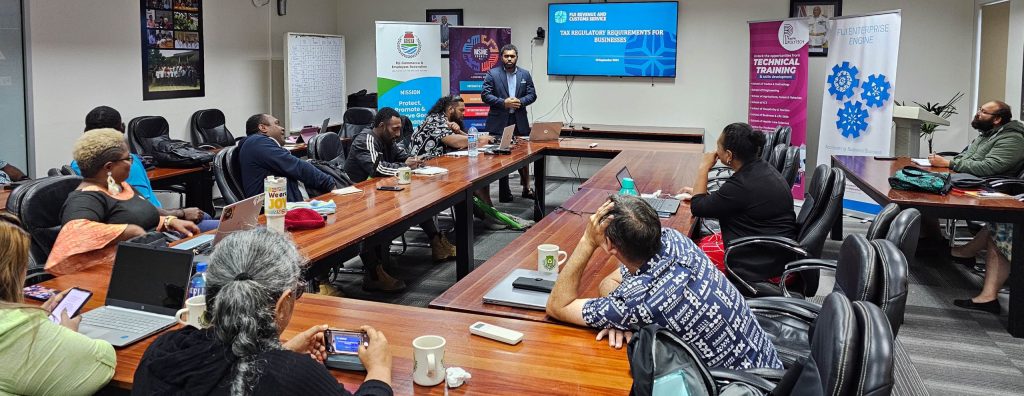
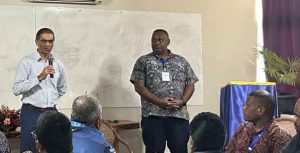
We were pleased to partner with the Fiji Enterprise Engine (FEE) to conduct awareness on tax regulatory requirements for businesses in Fiji for their Suva cohort. FEE is a business accelerator programme that is designed to scale up established Micro, Small and Medium Enterprises (MSMEs). It is housed under the Fiji Commerce and Employers Federation (FCEF).
The three-hour interactive training covered various topics including the Taxpayer Online Service (TPOS), Taxpayer Identification Number (TIN) and tax registration, taxpayer obligations, lodgement, calculation and payment of taxes, incentives, record keeping, different types of supplies and amendments to the 2024/2025 National Budget.
Each topic was presented comprehensively, and the participants left the training equipped with a deeper understanding of Fiji’s tax landscape and skills to navigate tax compliance effectively.
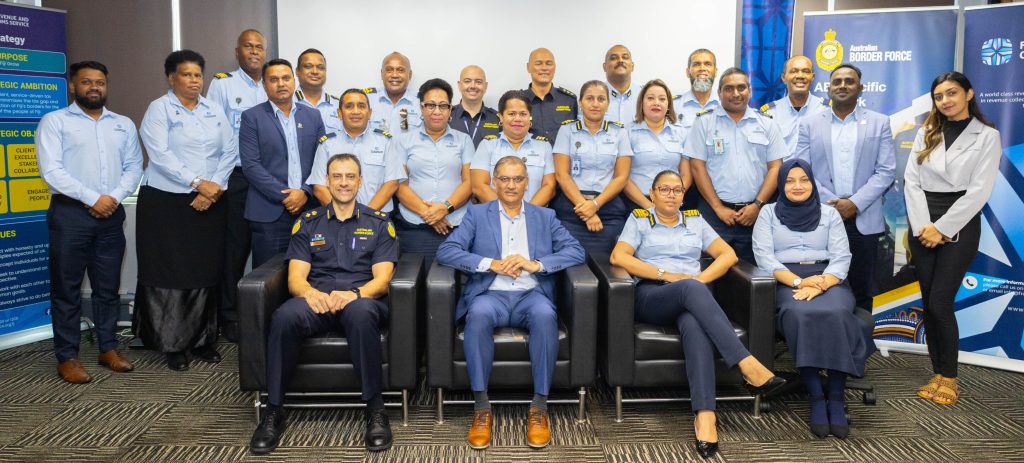
ATO/FRCS Training on Tax Crime Investigations and Debt/Customer Service
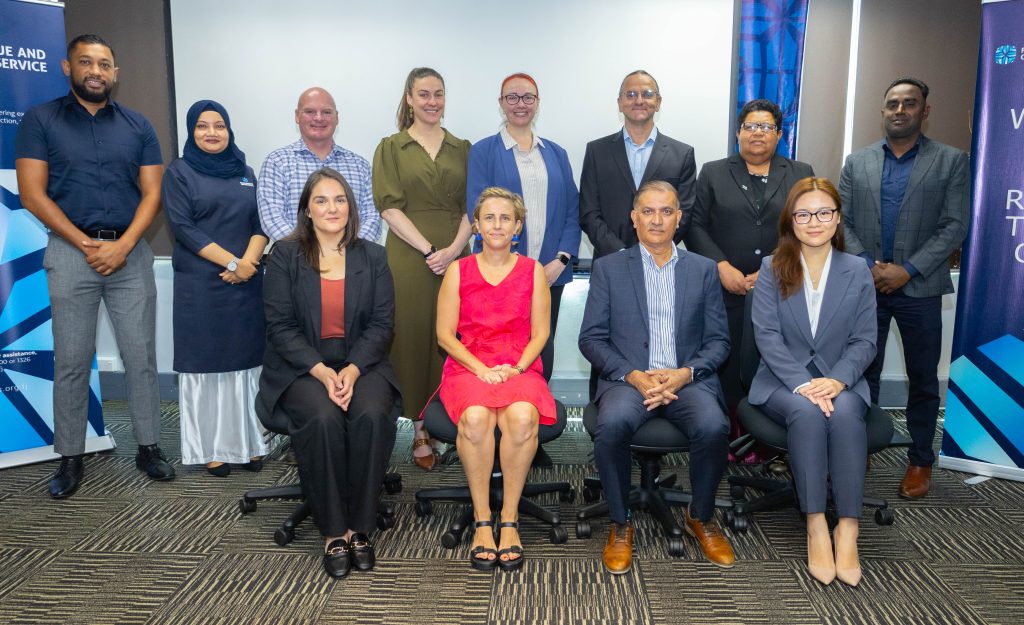
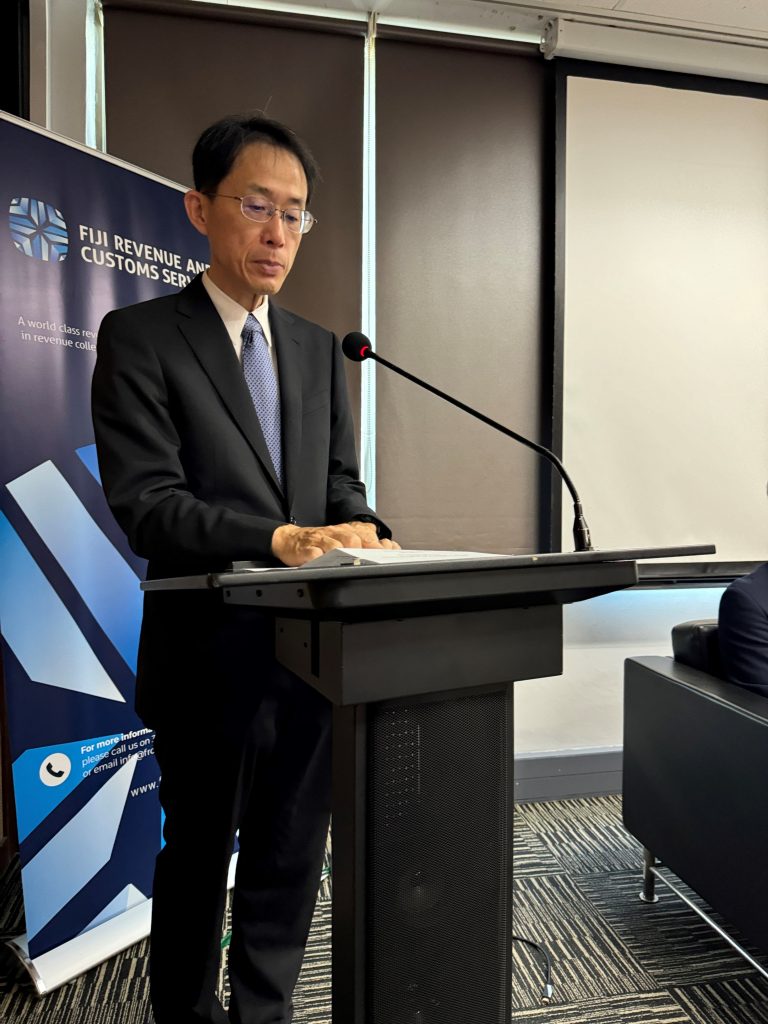
The Australian Tax Office (ATO) in partnership with the Fiji Revenue and Customs Service (FRCS) is conducting trainings on Tax Crime Investigations and Debt/Customer Service at the Regional Training Centre at FRCS Headquarters in Nasese. FRCS CEO, Mr. Udit Singh highlighted that the two trainings are important for FRCS as they are linked to our strategic objectives of improving revenue collection, ensuring compliance, providing excellent service to our clients and creating a high-performance culture at FRCS.
Mr. Singh also expressed gratitude to the Australian Government and ATO for their continuous support and assistance to FRCS through the Fiji-Australia Vuvale Partnership. “FRCS values the strong partnership we have established with the ATO through the ATO Technical Assistance Program for FRCS, and we are grateful for the capacity -building efforts such as this training that ATO is supporting us in,” he stated.
“Debt collection is an essential part of our work as it contributes to our revenue and as such it is imperative that our officers possess the necessary skills to manage the process effectively. “Similarly, intensive training on tax crime investigations will definitely assist our officers in developing and enhancing the necessary skills to detect and investigate financial crimes and recover applicable taxes,” Mr. Singh said.
ATO’s Fiji Program Manager Ms. Isabelle Hu stated that FRCS is an important partner to ATO.
“The relationship we’ve built stands as a model for how tax administrations can work together effectively. Our collaboration is based on mutual respect, trust and shared objectives to ensure fair tax systems and robust compliance,” Ms. Hu stated.
Under the ATO Technical Assistance Program, FRCS has received assistance on a number of projects including VAT gap analysis, Tertiary Entry Level Paid Program (TELPP), Alternative Dispute Resolution, Debt Management Strategy, Framework on Exchange of Information.
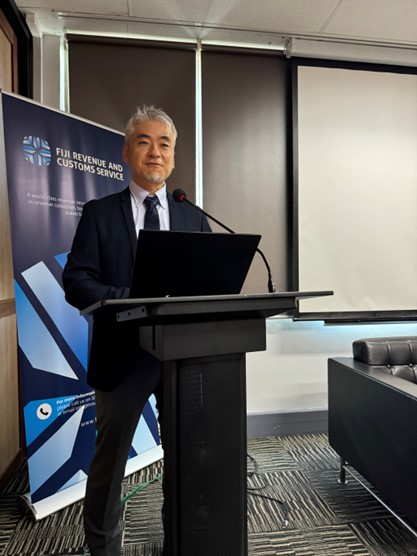
WCO Sub-Regional Workshop on Training Management for Members in the Pacific Islands
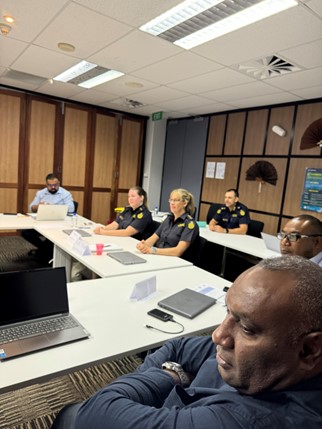
The World Customs Organisation (WCO) conducted a week-long workshop on training management for FRCS and other members in the Pacific Islands. The workshop aimed at establishing a comprehensive training policy to ensure the organisation’s commitment to employee development with a major focus on developing a training policy that outlines clear guidelines for managing training and securing the budget allocation for training.
During the workshop, the participants exchanged views on common issues and challenges related to Customs training and shared good practices for improvement. The Workshop also consisted of country presentations followed by 9 discussion topics and exercises including the training process, identification of training needs, developing annual training plans, quality of training, resources required and evaluation.
On the final day, all participants also prepared and shared their insights on how to integrate gender equality and diversity policy in training as well as any initiatives that could support the implementation of these policies within their organisation.
FRCS Education Team Conducts Awareness and Education Programmes with Youths
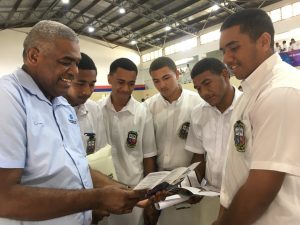
Our Education Team successfully wrapped up a series of education and awareness programs on tax and customs for students at the Sila Central High School in Nausori, Marist Brothers High School and Central Division Careers Expo in Fiji Latter Day Saints College Suva.
Over the past year, we have intensified interventions to improve tax education, awareness and compliance of young people in Fiji, as educating students about taxation will enable them to have basic knowledge and make informed decisions about their tax affairs. Increasing the level of taxpayers’ knowledge about taxes will result in an increase in the level of the country’s tax compliance rate and ultimately lead to an overall increase in government revenue.
However, despite its importance, there remains a gap in tax education which leaves many students unprepared for the real-world implications of tax laws and policies.
With the view that tax and customs literacy for students is an investment in the future, our team informed the students on the vital role of FRCS, importance of taxation and customs in accelerating the economic development, protecting our borders and its benefits to all Fijians.
They also educated them on how to sign up for the Taxpayer Online Service (TPOS), registration of Taxpayer Identification Number (TIN) and other tax processes, latest trends and best practices in taxation and customs and the job opportunities in FRCS. The team also responded to all queries raised by the students and teachers during the question-and-answer session and distributed information, education and communication (IEC) materials too.
Tax and Customs awareness and education for students and youths is one of the positives initiatives by FRCS to lay groundwork for informed and compliant citizens. For more information and assistance, please contact us on 3243000 or 1326 or info@frcs.org.fj
FRCS Conducts Harmonized System (HS) Training for Brokers
Our team conducted the first training on the Harmonized System (HS) code 2024 classification for the brokers for the 2024/2025 financial year to ensure uniform interpretation of HS and its periodic updating considering the developments in the trade process.
HS classifications are the World Customs Organisation (WCO)’s published nomenclature for the classification of goods that are traded across borders and contribute to the harmonization of Customs and trade procedures, and the non-documentary trade data interchange in connection with such procedures.
It is also extensively used for domestic taxes, trade policies, monitoring of controlled goods, rules of origin, freight tariffs, transport statistics, price monitoring, quota controls, compilation of national accounts, and economic research and analysis.
While opening the training, our Director Border and Customs, Ms. Shelini Kumar emphasised that classification was critical in international trade and as such capacity building in this area is extremely important.
During the training a wide range of HS-related issues were addressed, and the 80 participants were thoroughly informed about classification infrastructure and the fundamental principles and practicalities of HS classification to ensure correct and uniform application.
FRCS will continue with its capacity building trainings for brokers, traders, importers and exporters as part of its continuous development program to further enhance engagement and partnership with all stakeholders.
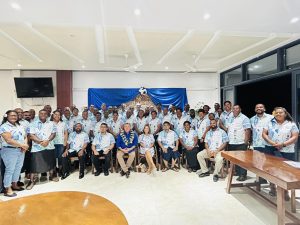
Recently, our border officers in collaboration with the teams from the Fiji Police Force, Republic of Fiji, Biosecurity Authority of Fiji (BAF), Fiji Immigration Department, Maritime Safety Authority of Fiji (MSAF) and the Cakaudrove Provincial Council engaged in a two-week coastal watch awareness program with 15 villages from the province of Tunuloa, Navatu, Vaturova, Kia and Saqani in Vanua Levu.
The comprehensive two-week coastal watch outreach program was supported by the United Nations Development Programme (UNDP) and the Government of Japan.
FRCS launched the Coast Watch Program in conjunction with maritime communities to increase awareness and reach on border security in maritime coastal communities.
Surveillance in coastal communities and seas is an ongoing challenge for FRCS and with the Coast Watch Program, FRCS aimed to partner with the coastal villages to assist us to monitor and report illegal or suspicious activities along sea and shorelines.
During the outreach, the team conducted awareness on various issues including the roles and responsibilities of the border agencies, yacht clearance and international border process, social impact of hard drugs, law and penalty applicable to possession of illicit drugs and practical solution to resolving hard drugs usage and issues in our communities.
Fiji’s vast and porous maritime borders and limited enforcement capabilities makes it vulnerable to drug trafficking and other transnational crimes. The Coast Watch Program requires the law enforcement agencies to conduct targeted awareness to maritime villages. This collaboration aims to foster a proactive approach in addressing border related issues in vulnerable areas accessible only to the maritime communities, enhance our enforcement capabilities and strengthen our partnership with these communities.
FRCS greatly appreciates the coordination and support provided by the Cakaudrove Provincial Office in ensuring that our teams achieved its set objective of border security awareness as scheduled.
All Fijians have a responsibility to help Fiji grow and report any illegal/criminal activities at our borders.
Strengthening Regional Ties: Australia and Fiji Sign 2024-2025 Joint Work Program
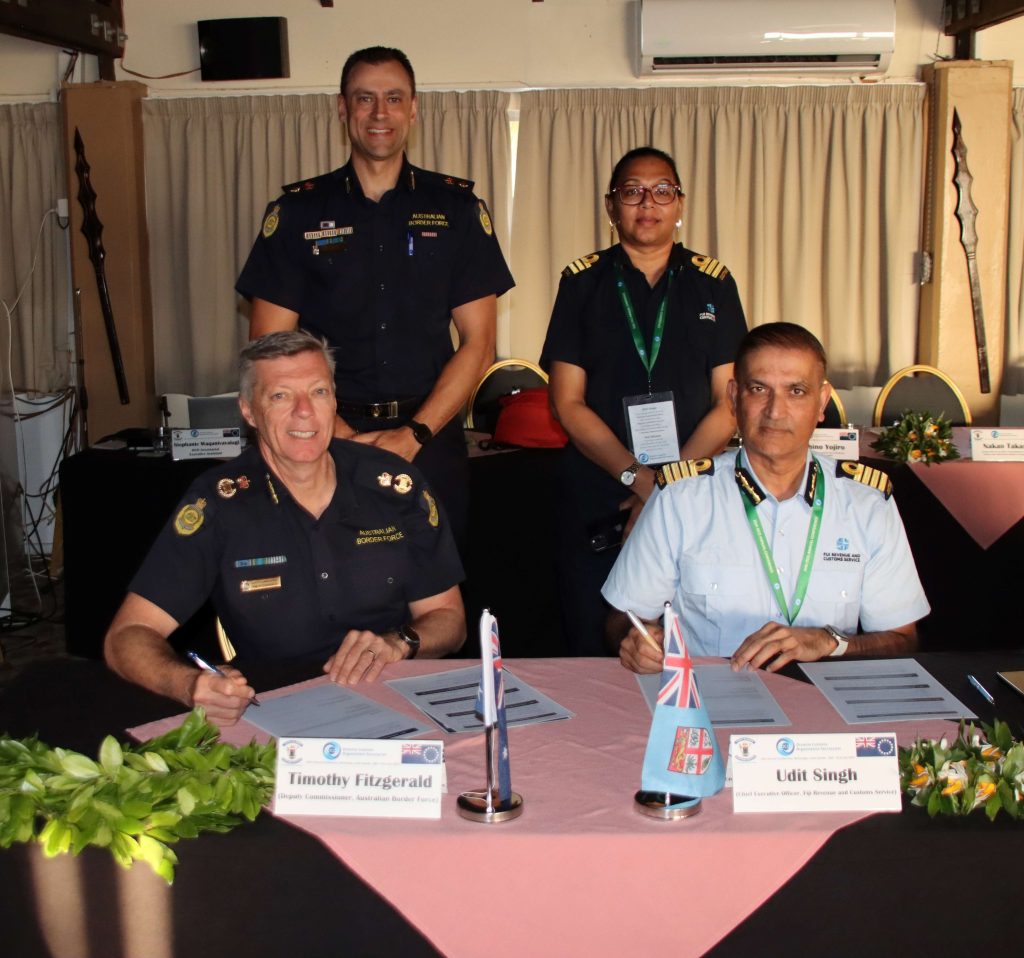
As part of the Fiji-Australia Vuvale Partnership, the Australian Border Force (ABF) and the Fiji Revenue and Customs Service (FRCS) have signed a new Joint Work Program, paving the way for strengthened collaboration on border security.
The 2024-2025 Joint Work Program, signed by ABF Deputy Commissioner Tim Fitzgerald and FRCS CEO Udit Singh, celebrates the first anniversary of the ABF’s presence in Fiji. This agreement not only underscores Fiji’s leadership in regional border security but also reflects the strong and enduring relationship between Australia and Fiji.
Over the past year, the Australian Border Force (ABF) has stationed two officers in Fiji as part of its Pacific Network. These officers have collaborated closely with local border agencies and the Oceania Customs Organisation, conducting in-country workshops, training sessions, and joint operations. Their efforts have significantly enhanced Fiji’s ability to manage emerging border risks in the maritime, aviation, and cargo sectors.
A key focus of this collaboration has been the fight against revenue leakage and the promotion of legitimate trade and travel, particularly through FRCS’s Gold Card initiative, a program that encourages compliant trade practices.
The ABF has also facilitated multi-agency visits to Australia, providing FRCS officials with firsthand experience of Australia’s border management practices, including interactions with Maritime Border Command, Container Examination Facilities and the ABF’s Detector Dog Program.
The new Joint Work Program strengthens these ongoing efforts by further advancing capabilities in key areas such as maritime security, intelligence, and targeting operations, along with improved screening processes for containers, cargo, and mail. It also places a strong emphasis on trade-related priorities within enforcement, revenue, and compliance.
Additionally, the ABF is committed to supporting FRCS’s leadership through various workplace culture initiatives, including gender equality programs, future leader mentoring, and the sponsorship of joint awards to recognize excellence in innovation and leadership.
Reflecting on the partnership, ABF Superintendent Uriah Turner praised the progress made over the past year but acknowledged the challenges ahead.
“While we’ve achieved a great deal together, there is still much work to be done. By form alising our partnership, we can ensure our efforts are focused and effective in addressing border security vulnerabilities, delivering the best outcomes for both nations. It has been a privilege to work alongside our FRCS colleagues, and we commend their dedication to protecting Fiji’s borders,” Superintendent Turner said.
FRCS CEO, Mr. Udit Singh expressed his appreciation for the outstanding support and commitment provided by the Australian Government and ABF in further enhancing Fiji’s border management and security.
“FRCS values the strong partnership we have established with ABF and thank the Australian Government and ABF for the support towards FRCS in the form of customs modernization, technical assistance and capacity building that has helped FRCS improve its core roles – border protection, security, trade facilitation, revenue and compliance,” Mr. Singh stated.
“We are immensely pleased with the formalization of our partnership, as this engagement and collaboration will further enhance FRCS in achieving its strategic objectives of protecting our borders from illicit activities and facilitating legitimate trade and travel.”
This week, the Coordinator of the Pacific Detector Dog Programme (PDDP), Inspector Todd Southall, along with Senior Project Officer Ms. Fiona McPhail, paid a courtesy visit to the Fiji Revenue and Customs Service (FRCS). During their visit, the PDDU team engaged in discussions with FRCS CEO Mr. Udit Singh, Director of Customs and Border Ms. Shelini Kumar, and Chief Customs Officer for Intelligence and Border Compliance Mr. Marika Vuniyayawa.
The meeting centred on the ongoing collaboration between the New Zealand PDDP and the FRCS, focusing on support for Fiji’s canine unit. Key topics included new training and capacity-building initiatives, the planned expansion of the canine unit in Nadi and Savusavu, and upcoming conference as well as other planned K9 operations.
The PDDP, funded by New Zealand’s Ministry of Foreign Affairs and Trade, is managed by New Zealand Police with support from the New Zealand Customs Service. The program enhances the detection capabilities of border agencies’ Detector Dog Units in Fiji and other Pacific Island nations. It provides comprehensive training for dog handlers, supplies trained canines, and builds capacity in leadership, systems, legal enforcement, and prosecution related to the interception of illicit materials, particularly drugs.
The programme has been highly successful, leading to significant drug seizures in recent years. Inspector Southall commended the Fiji Customs Detector Dog Unit for its exemplary display of the skills and competencies essential for a robust K9 facility.
Our CEO also thanked the PDDP team for their continuous support, guidance and partnership with FRCS.










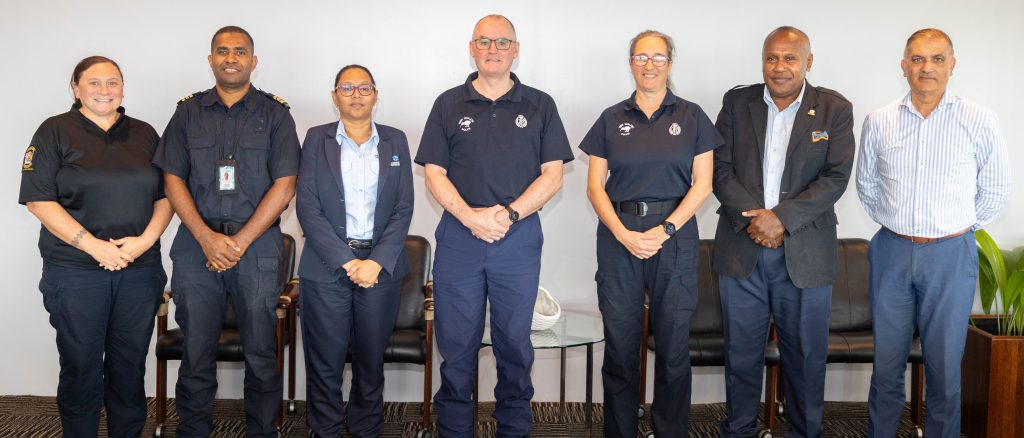 This week, the Coordinator of the Pacific Detector Dog Programme (PDDP), Inspector Todd Southall, along with Senior Project Officer Ms. Fiona McPhail, paid a courtesy visit to the Fiji Revenue and Customs Service (FRCS). During their visit, the PDDU team engaged in discussions with FRCS CEO Mr. Udit Singh, Director of Customs and Border Ms. Shelini Kumar, and Chief Customs Officer for Intelligence and Border Compliance Mr. Marika Vuniyayawa.