
Safeguarding Consumer Interests: FRCS Joins Forces with MoF, FCCC, and CCF for Coordinated Price Surveillance

FRCS, in close coordination with the Ministry of Finance (MoF), the Fijian Competition and Consumer Commission (FCCC), and the Consumer Council of Fiji (CCF), is actively engaged in monitoring market prices following the reduction of Value Added Tax (VAT) from 15% to 12.5% and customs duties on various items, as announced in the 2025–2026 National Budget.

This initiative is being carried out under the Joint Taskforce on Price Surveillance, which is committed to ensuring that the benefits of the reduction in VAT and customs duties are accurately reflected in final retail prices and that the Government’s intention to ease the cost of living is fully realized. The taskforce is conducting inspections and assessments to verify compliance and promote fair pricing practices.

Beyond enforcement, the taskforce aims to translate policy into tangible benefits for Fijians by fostering transparency and accountability. FRCS is working closely with businesses to provide guidance and support in implementing the new budget measures and ensuring full compliance with tax regulations.

Consumers are encouraged to remain vigilant and check that tax invoices or receipts issued by VAT registered businesses correctly reflect the 12.5% VAT rate.

For further assistance or clarification, members of the public can contact FRCS via the toll-free number 1326 or email info@frcs.org.fj.
Empowering Businesses: FRCS Leads Insightful Budget & VAT Monitoring Awareness Sessions

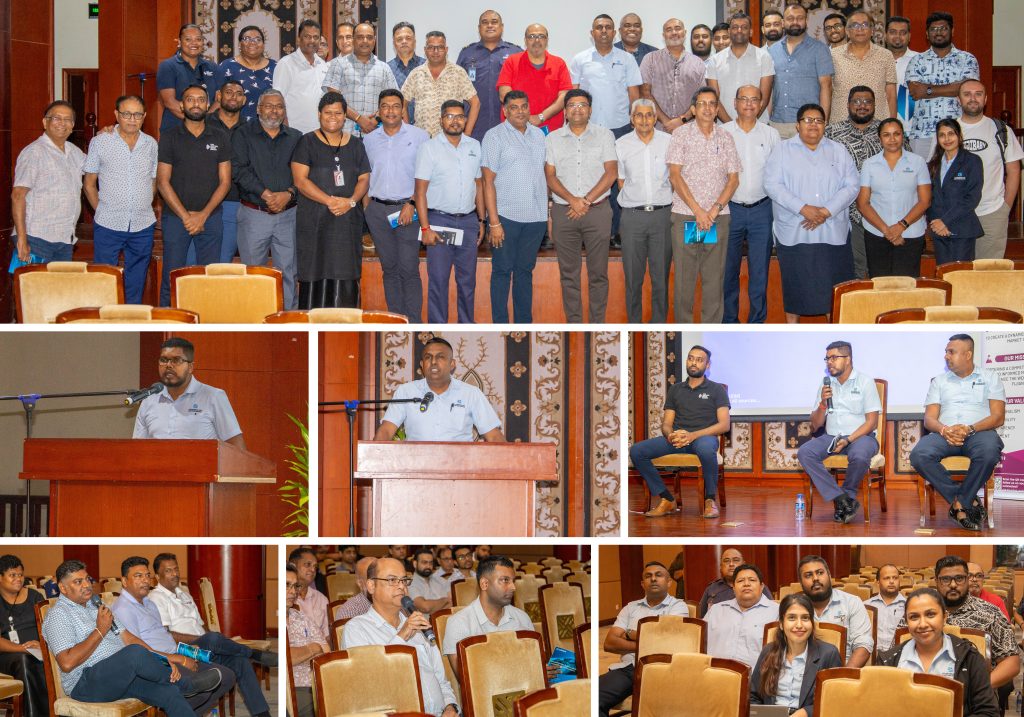
FRCS continues to champion transparency and collaboration through a series of impactful education and awareness sessions focused on the 2025–2026 National Budget, the VAT Monitoring System (VMS), and other key tax-related developments.
Recent sessions brought together members of the Suva Retailers Association, the Retail & Wholesale Council of the Fiji Commerce and Employers Federation (FCEF), and the Chinese Association of Fiji.

These engagements were led by FRCS’s Policy and VAT teams, who unpacked critical components of the national budget, including revenue policy themes, VAT updates, tariff adjustments, incentives, and tax deductions. Participants gained valuable insights into how these changes affect their business operations and compliance responsibilities.

The VAT team delivered a comprehensive overview of the VMS, covering Electronic Fiscal Device (EFD) Regulations, invoicing standards, registration procedures, and system architecture. Businesses were guided on how to seamlessly integrate VMS into their existing practices, with tools and support available to ensure a smooth transition.

Attendees had the opportunity to engage directly with FRCS officers, ask questions, and receive tailored advice. The sessions fostered a spirit of collaboration and mutual understanding between government agencies and the private sector.

FRCS remains committed to supporting businesses through ongoing awareness initiatives, ensuring they are well-informed and prepared for the successful implementation of the 2025–2026 National Budget and VMS.

FRCS Strengthens Stakeholder Engagement Through Awareness Session with FICA Members

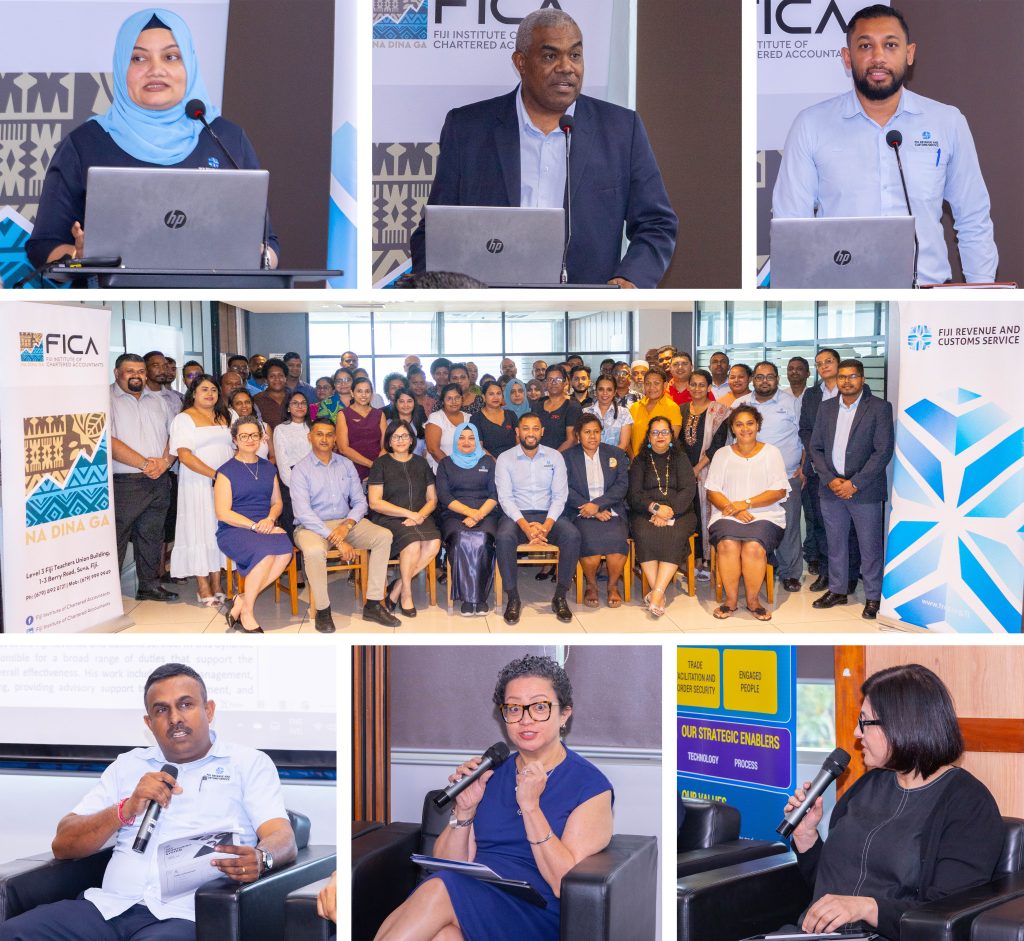
FRCS reinforced its commitment to transparency and collaboration through a high-impact awareness session with members of the Fiji Institute of Chartered Accountants (FICA). The session focused on key updates from the 2025–2026 National Budget and the VAT Monitoring System (VMS).
Mr. Shavindra Nath, FRCS Chief of Staff and Director Corporate Services, spearheaded the discussions on the 2025-2026 National Budget, delivering a strategic overview of budget reforms including VAT adjustments, tariff changes, and investment incentives. His insights provided clarity on how these changes will affect retailers and other stakeholders, emphasising compliance and forward planning.

FRCS Director Taxation, Ms. Momina Beg, highlighted the value of such forums in strengthening partnerships and fostering mutual understanding. Mr. Rohit Pillay, Manager VAT Compliance, presented on VMS implementation, covering EFD regulations and integration support.

A dynamic panel featuring Mr. Nath, Ms. Beg, Mr. Pillay, and FICA representatives Ms. Deepa Rathod and Ms. Lisa Apted enabled direct engagement with industry experts, encouraging dialogue on complex fiscal matters.

This initiative reflects FRCS’s proactive approach to stakeholder engagement and its dedication to building a well-informed taxpayer community. FRCS looks forward to expanding these sessions nationwide, with the next forum planned for the Western Division later this week.

NZ Customs Minister Visits Lautoka and Nadi Ports to Strengthen Regional Collaboration

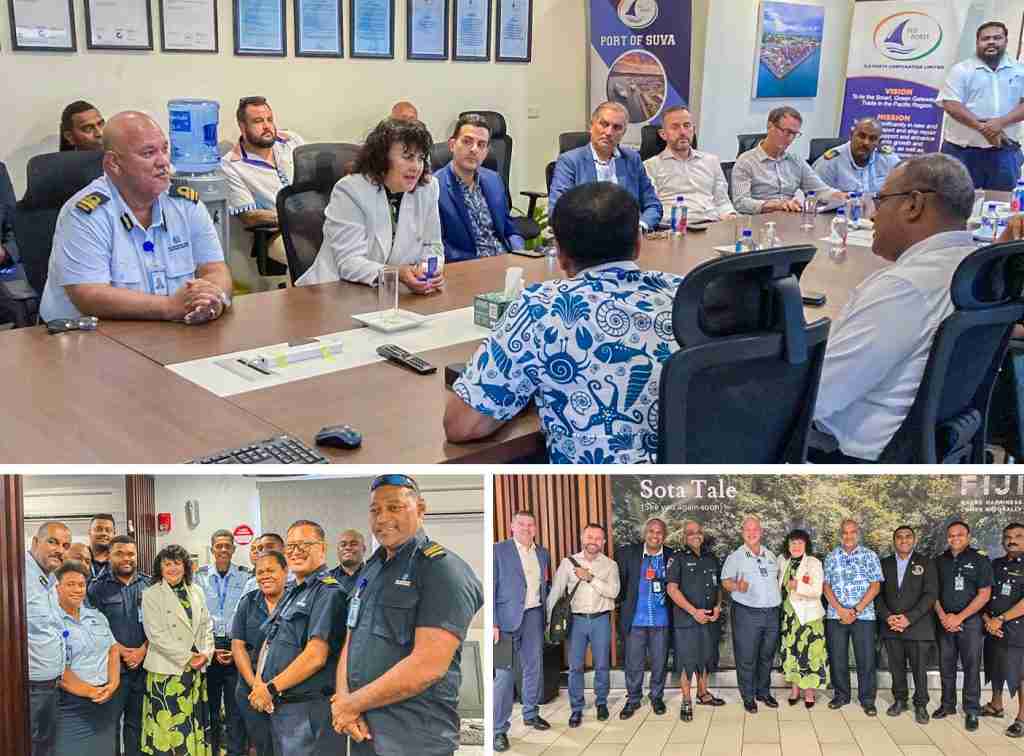
New Zealand Customs Minister, Hon. Cassey Castelo, recently visited Fiji’s western ports as part of her regional engagement efforts to strengthen customs cooperation and border security.
Her visit began at Lautoka Port, where she was warmly welcomed by representatives from Fiji Ports Corporation Limited (FPCL) and Fiji Ports Terminal Limited (FPTL) at the Ports boardroom. During the briefing, Minister Castelo was updated on port operations, infrastructure developments, and ongoing initiatives to enhance trade facilitation and border management.

Following the meeting, she toured the Customs office at Lautoka Port, engaging directly with officers on the ground. Minister Castelo took time to speak with staff, gaining insights into their daily operations and challenges. Her walk-through of the port allowed her to interact with all personnel present, reflecting her commitment to understanding the full scope of customs activities and fostering stronger ties with frontline teams.

Later in the day, Minister Castelo travelled to Nadi, where she conducted a walkthrough of both the arrivals and departures areas. Her visit provided an opportunity to observe passenger processing procedures and the integration of customs and border control systems at one of Fiji’s busiest international gateways.

Minister Castelo’s visit underscores the importance of regional collaboration in addressing emerging border security challenges and promoting efficient, secure trade across the Pacific. Her engagement with Fijian customs officers and port stakeholders highlights a shared commitment to capacity building, operational excellence, and mutual support.

FRCS Holds TADAT Pre-Assessment Workshop to Drive Tax Reform

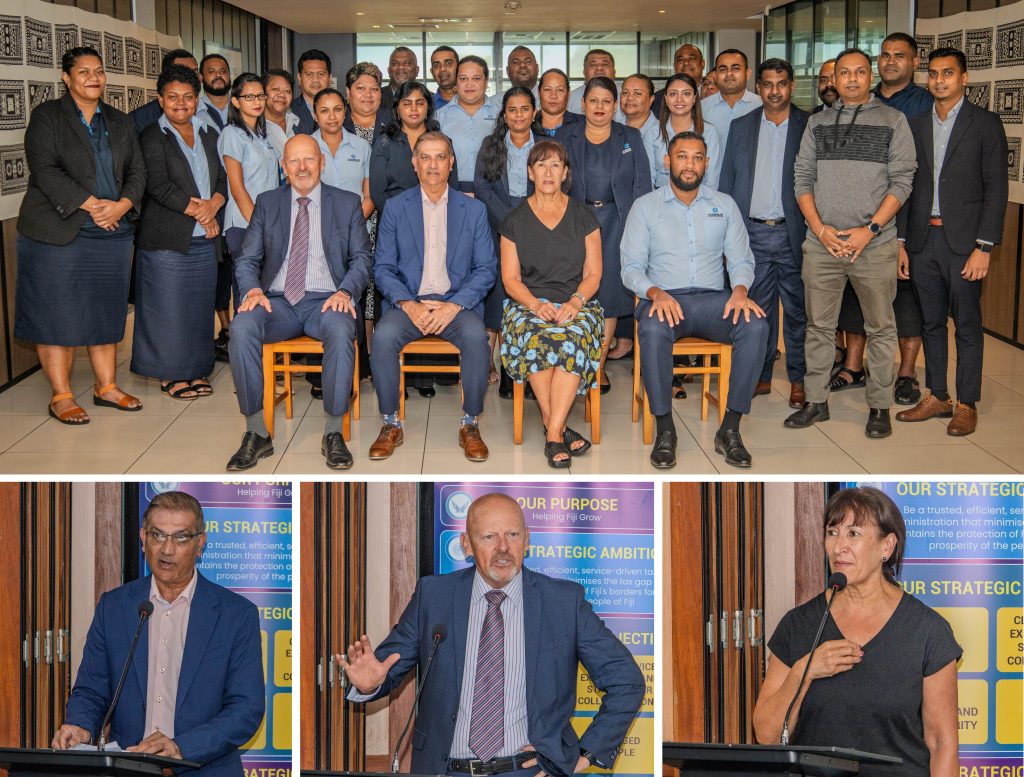
FRCS held the Tax Administration Diagnostic Assessment Tool (TADAT) Pre-Assessment Workshop, marking a pivotal moment in its journey toward modernizing tax administration and aligning with global best practices.
 FRCS CEO, Mr. Udit Singh welcomed participants and emphasized the strategic importance of the workshop.

“This is more than a training session. It is a strategic investment in our people,” Mr. Singh said.

He highlighted the important role of the workshop in preparing FRCS for its upcoming TADAT assessment in September 2025,

The last assessment was conducted in 2015, and since then, FRCS has undergone significant transformation. The new assessment will help benchmark current performance, identify areas for improvement, and guide future reforms.

Participants will be immersed in the TADAT framework, gaining deep insights into its Performance Outcome Areas. The workshop aims to certify participants as TADAT assessors and empower them to become champions of reform within FRCS.

“TADAT is not just a diagnostic tool,” the CEO noted.

 “It’s a catalyst for transformation which will help FRCS set clear priorities, coordinate support, and monitor progress,” Mr. Singh said.

The workshop also underscores FRCS’s commitment to strengthening core tax administration functions, improving revenue collection, and enhancing service delivery to taxpayers.

FRCS extended its gratitude to the Government of Japan and the Asian Development Bank for funding this assessment, the International Monetary Fund (IMF’s) Revenue Administration Division, Fiscal Affairs Department, TADAT Secretariat, and Pacific Financial Technical Assistance Centre (PFTAC) for their continued facilitation, support and partnership.

All participants were encouraged to engage fully, collaborate, and contribute to shaping the future of FRCS and Fiji’s tax system.

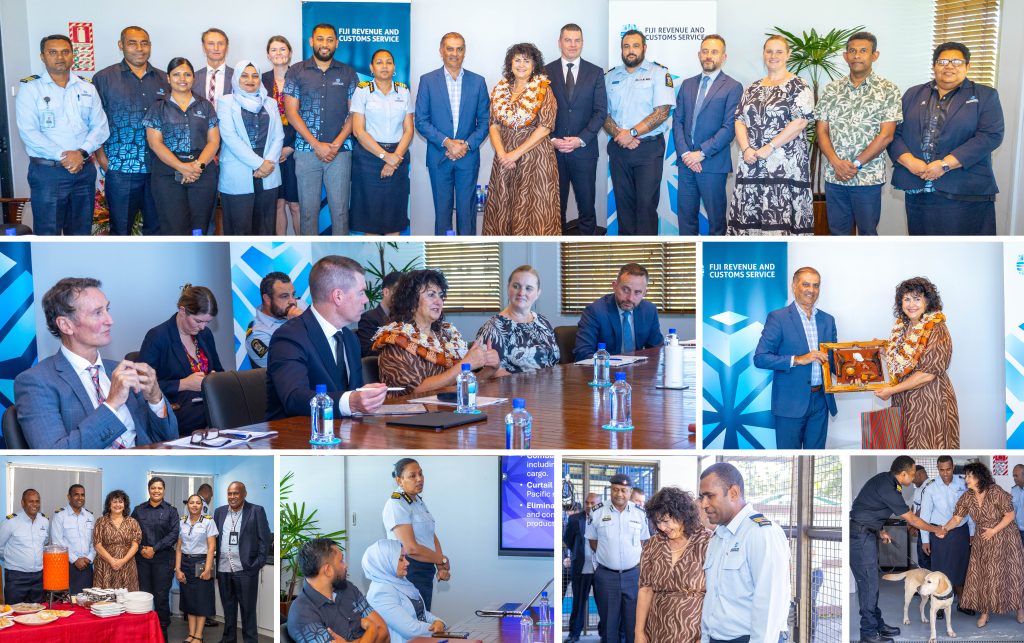
Strengthening Regional Partnerships: FRCS Welcomes New Zealand Minister of Customs

FRCS was honoured to host the New Zealand Minister of Customs, Hon. Casey Costello, during her courtesy visit to our headquarters in Suva.

 

In welcoming Hon. Costello and her delegation, FRCS Chief Executive Officer, Mr. Udit Singh, reaffirmed the enduring and collaborative relationship between FRCS and the New Zealand Customs Service.


Mr. Singh expressed sincere appreciation to the Government of New Zealand and the New Zealand Customs Service for their continued support of key initiatives that have significantly enhanced FRCS’s operational capabilities, most notably, the establishment and development of the Fiji Detector Dog Unit, which has played a vital role in strengthening border protection and security.


During her visit, Hon. Costello engaged with FRCS Executive Leaders and received a comprehensive briefing on Fiji’s customs operations from Director Border and Customs, Ms. Shelini Kumar.


FRCS also acknowledged the New Zealand Customs Service’s long-standing commitment to capacity building through the Pacific Leadership Program (PLP), which has been delivered to FRCS Executives and Senior Managers since 2012.


 The PLP equips leaders with practical tools to navigate everyday challenges and drive strategic outcomes. Hon. Costello met with several PLP alumni, including Director Taxation, Ms. Momina Beg, and Director Compliance, Ms. Kelerayani Dawai, who expressed their heartfelt gratitude to the New Zealand Government and New Zealand Customs Service for the transformative impact of the program. They also conveyed their hope for its continued implementation.


The visit concluded with a tour of the Fiji Detector Dog Unit, where Hon. Costello witnessed firsthand the success of this collaborative initiative.


FRCS extends its deepest thanks to Hon. Casey Costello, the New Zealand Government, and the New Zealand Customs Service for their unwavering support and partnership in advancing customs and border security in Fiji.

FRCS Launches 2025–2028 Compliance Improvement Strategy

Deputy Prime Minister and Minister for Finance, Strategic Planning, National Development and Statistics, the Honourable Professor Biman Prasad, officially launched the Fiji Revenue and Customs Service (FRCS) 2025–2028 Compliance Improvement Strategy (CIS).

This launch marks a significant milestone for FRCS, representing not only the introduction of a policy document but also a strategic commitment to fostering a fairer, more inclusive, and transparent tax system for all Fijians.

In his address, Honourable Professor Prasad emphasized that the CIS is founded on the principle of voluntary compliance, which he described as a cornerstone of national development.

“When taxpayers willingly fulfill their obligations, registering, filing, paying taxes on time, and reporting accurately, everyone benefits. Roads are built, schools are funded, health services are delivered, and our economy grows stronger,” he stated.

FRCS Chief Executive Officer, Mr. Udit Singh, highlighted the organization’s transformation in its operational approach.

“Our strategy is no longer solely focused on enforcement. It now encompasses service delivery, education, risk management, and strategic engagement. We aim to normalize voluntary compliance by making it simple, practical, and expected,” Mr. Singh said.

He further elaborated that the CIS 2025–2028 identifies four key areas for strengthening compliance: Registration, Filing, Accurate Reporting, and Payment. Additionally, it outlines 11 priority compliance segments that require tailored interventions. These efforts are underpinned by investments in technology, strategic partnerships, and data analytics.

FRCS Director Corporate Services and Chief of Staff, Mr. Shavindra Nath, described the CIS as a comprehensive roadmap designed to enhance taxpayer compliance through a risk-based, data-driven, and transparent approach.

“The CIS reflects FRCS’s shift toward smarter regulation and targeted interventions, leveraging technology and innovation. It will help build trust, ensure fairness, and ultimately improve revenue collection in a more efficient and equitable manner,” he said.

Mr. Nath reaffirmed FRCS’s commitment to supporting businesses, facilitating trade, and improving the ease of doing business.

“As we enter a new financial year, FRCS remains steadfast in its commitment to integrity and service. We will continue to protect our borders and revenue base, and while we are here to guide and support, we will act decisively in cases of non-compliance. Fairness requires firmness, and we are prepared to uphold the rules,” he stated.

He also expressed gratitude to Honourable Professor Prasad for his endorsement of key legal reforms in tax legislation, noting that this reflects a strong commitment to strengthening compliance and advancing national interests. The full 2025–2028 Compliance Improvement Strategy is available on the FRCS website: https://frcs.org.fj/about-us/cis-2025-2028/.


FRCS Honours 110 Entrepreneurs for Tax and Customs Compliance During the MSME Day Celebrations

FRCS today marked a significant milestone in its commitment to empowering Micro, Small, and Medium Enterprises (MSMEs) with a vibrant celebration of MSME Day 2025. The event, held in Suva, was graced by the Minister for Women, Children and Social Protection Hon. Sashi Kiran as Chief Guest, who commended the resilience and growth of Fiji’s MSME sector.

A total of 110 MSMEs who are members of the FRCS MSME Business Community were awarded certificates in recognition of their commitment to business development and compliance. Notably, 50 of these MSMEs have successfully completed a three-year training and coaching program, emerging as independent, tax- and customs-compliant businesses.

“Let me begin by commending the Fiji Revenue and Customs Service (FRCS) for its unwavering commitment to supporting MSMEs, not only through tax and customs facilitation, but also through its education, training, and awareness initiatives. Your efforts to equip small businesses with the knowledge and tools they need to thrive in the formal economy are truly commendable,” said Hon. Minister.

 “In particular, I want to acknowledge the various training programs and outreach activities FRCS has undertaken. These have helped MSMEs better understand their tax obligations, access available incentives, and navigate often complex customs processes critical to their growth and expansion. These efforts are not just about promoting compliance they are about building capacity, strengthening transparency, and advancing economic empowerment, “she said.

“We know that for many MSMEs, especially those in their early stages, the world of taxation and customs can seem complex and intimidating. That is why tax education and customs literacy are essential. When MSMEs are well-informed, they are empowered to make smarter decisions, access government support, and contribute more meaningfully to national development.”

The FRCS MSME Business Community initiative was designed to bridge the knowledge gap for small businesses, helping them navigate the complexities of tax filing, customs procedures, and regulatory compliance. The program has not only improved business practices but also contributed to the formalization of the MSME sector in Fiji.

FRCS CEO Mr. Udit Singh highlighted the broader impact of the initiative:

“Over the past year alone, FRCS has trained more than 6,000 MSMEs in tax and customs processes. This is not just about compliance. It is about building a stronger, more resilient economy. MSMEs are the backbone of our communities, and when they thrive, Fiji thrives,” Mr. Singh stated.

Mr. Singh emphasized that tax and customs literacy is essential for MSMEs to grow sustainably, access new markets, and contribute meaningfully to national development.

“By equipping MSMEs with the tools and knowledge they need, we’re not only helping them succeed but we’re strengthening the entire economic fabric of our nation.”

The event also featured testimonials from MSME owners who shared how the FRCS training transformed their businesses from informal operations to structured enterprises with clear financial records and growth strategies.

As the celebrations concluded, FRCS reaffirmed its commitment to supporting MSMEs through continued education, digital tools, and personalized coaching.