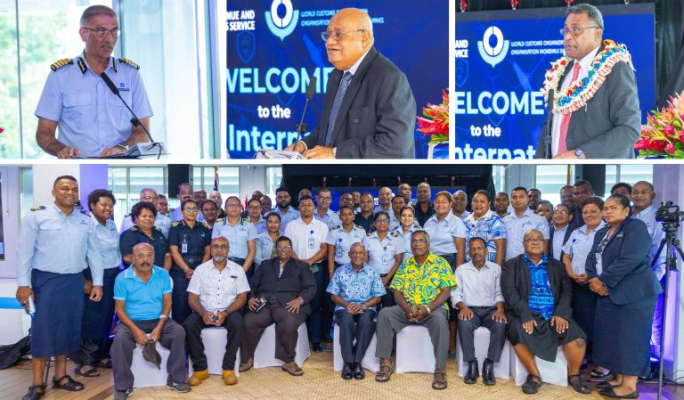
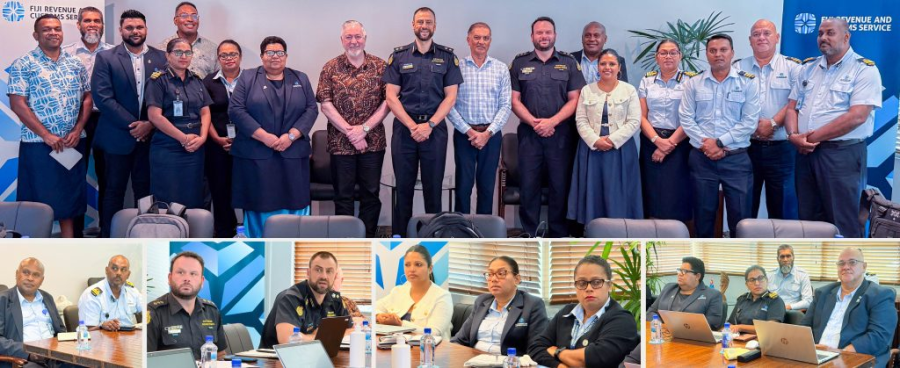
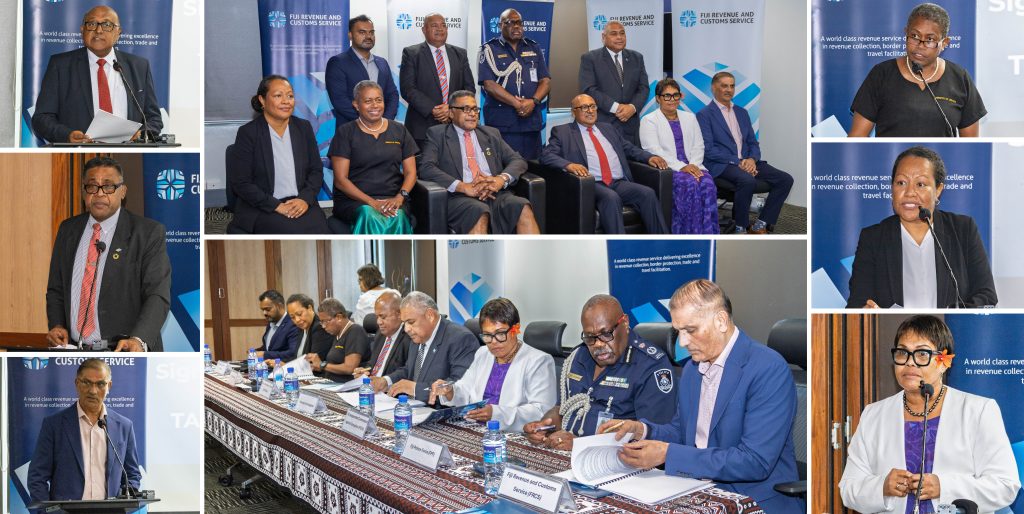
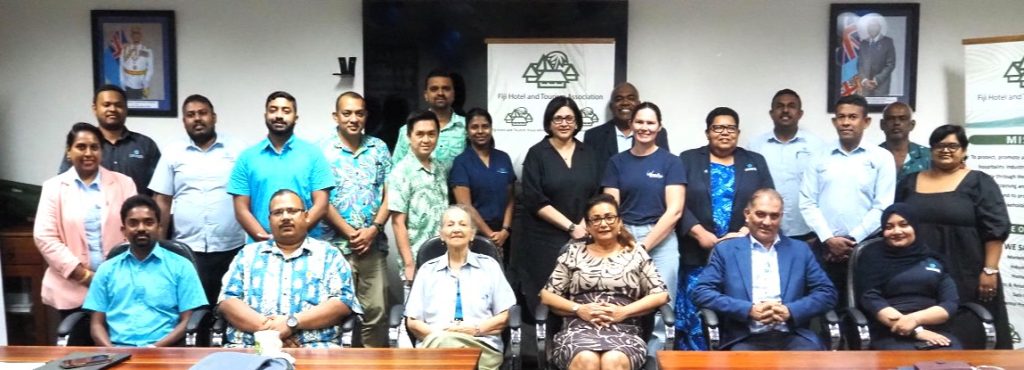
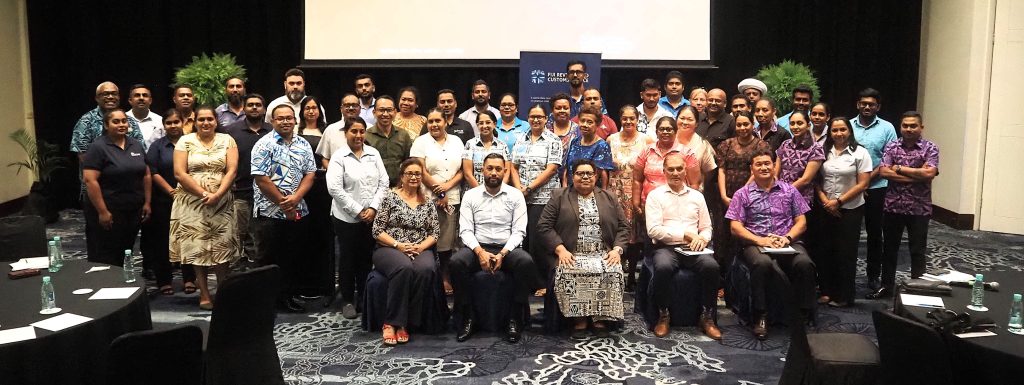
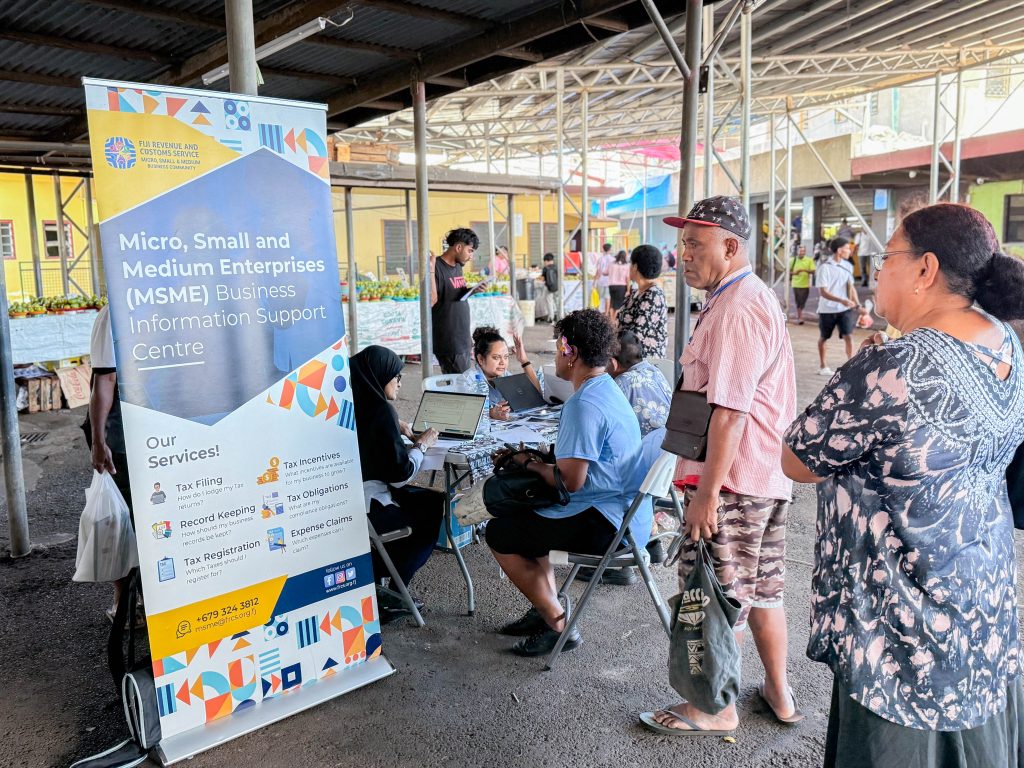
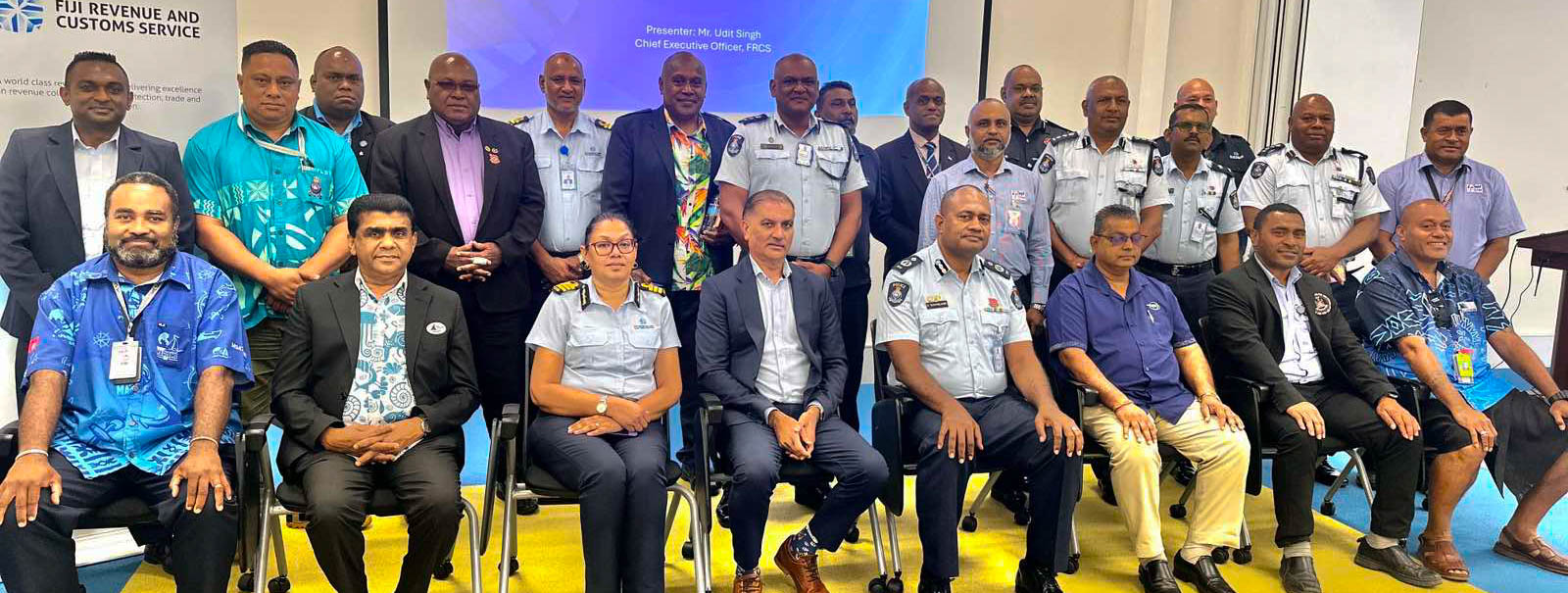
Fiji Strengthens Border Security with Launch of Advanced CCTV Capability and Multi-Purpose Facility at Nadi International Airport

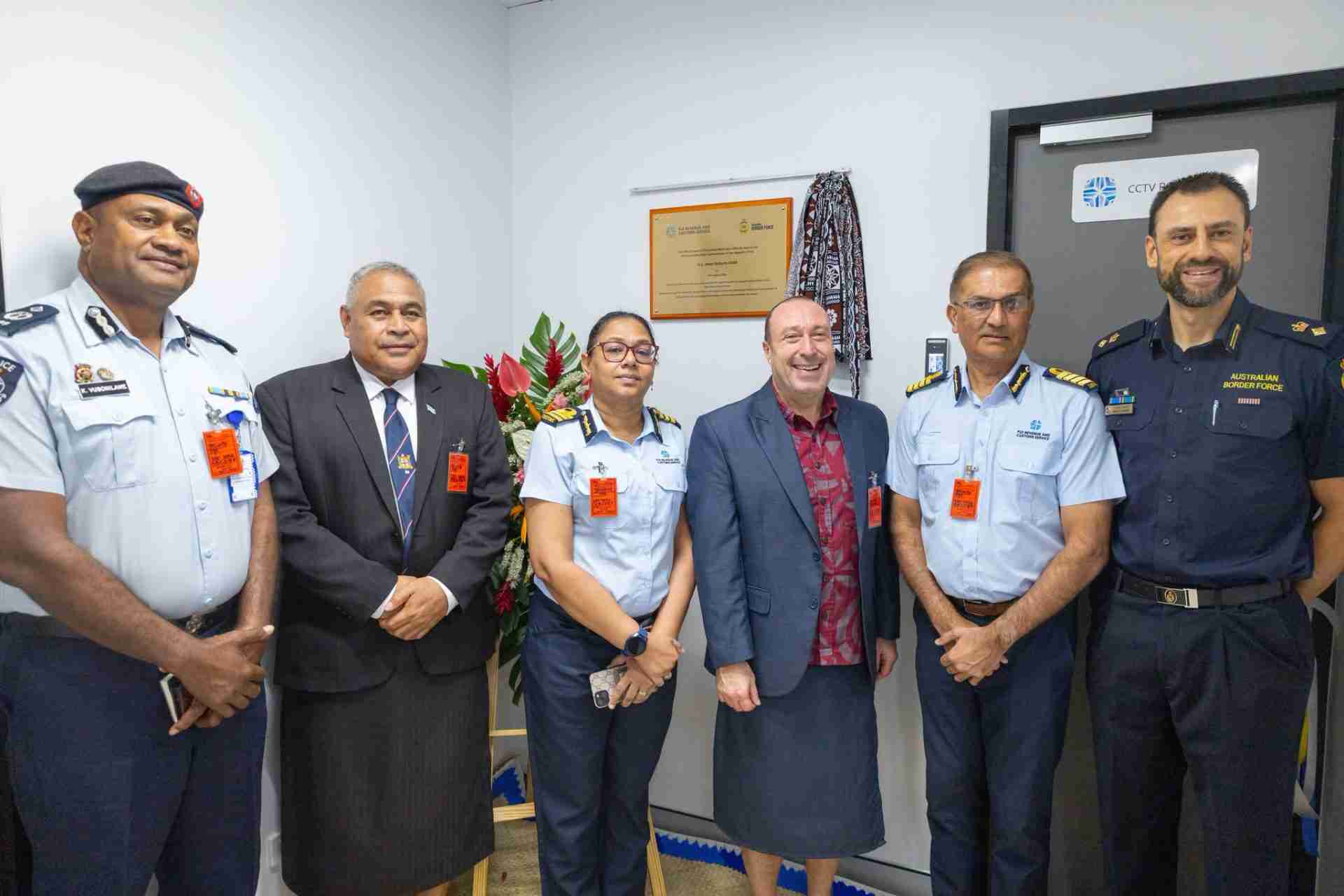
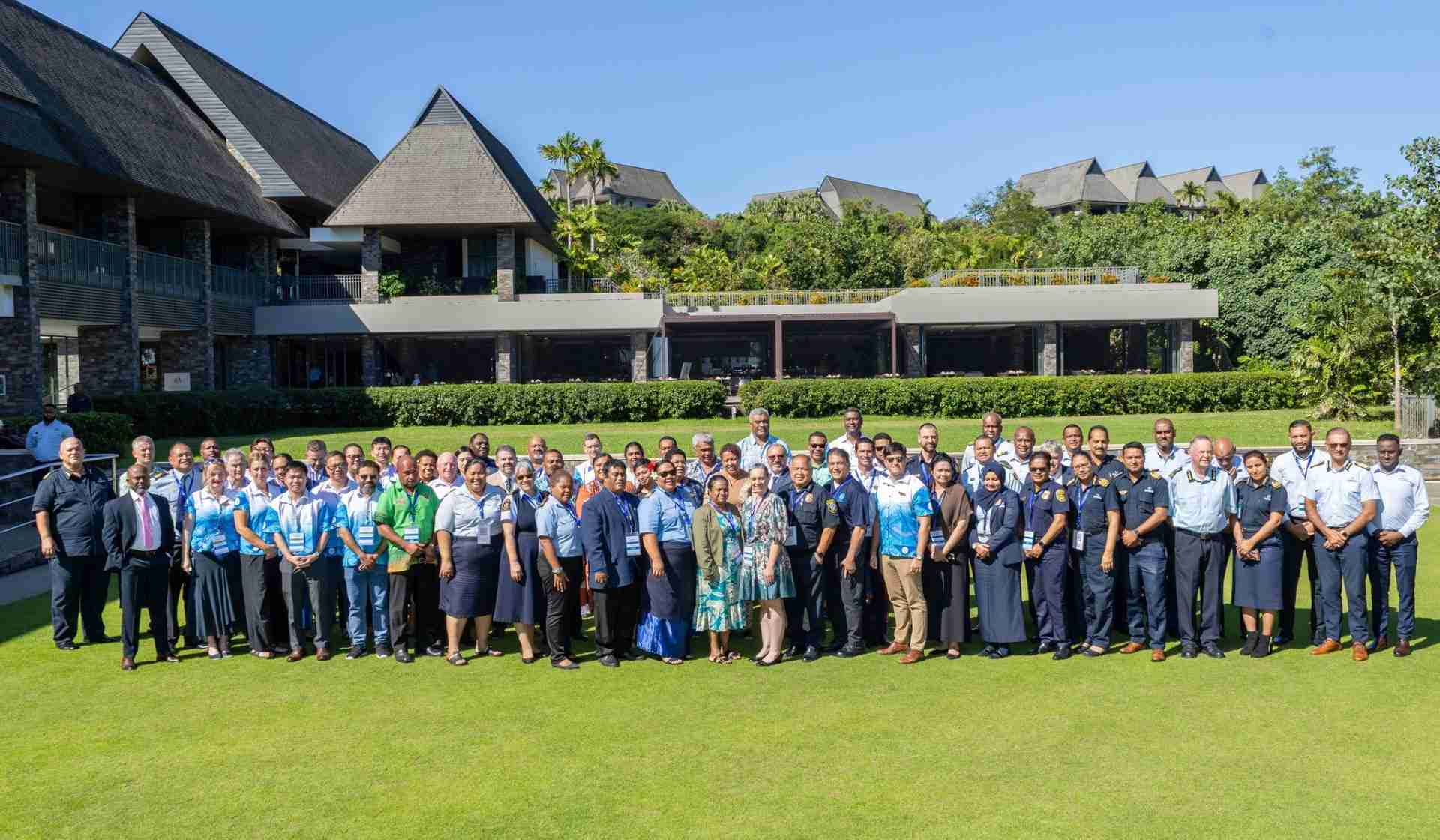
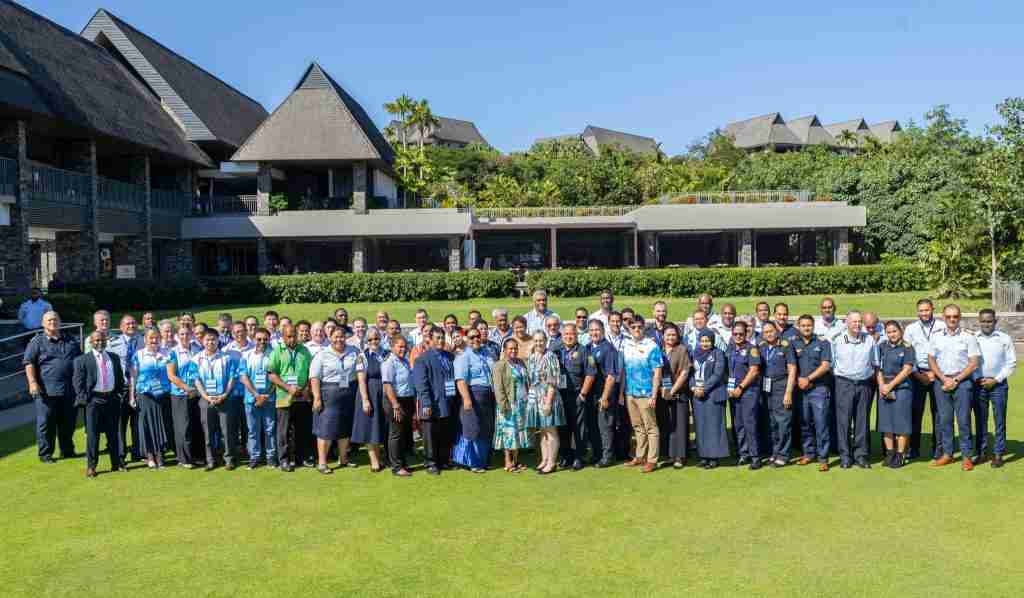
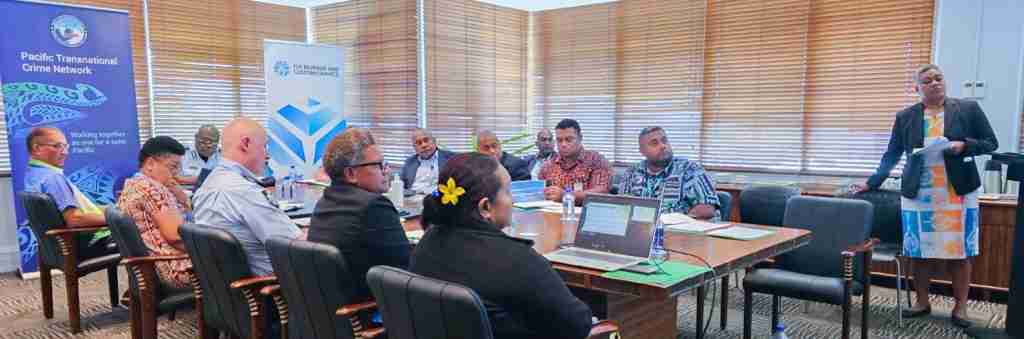
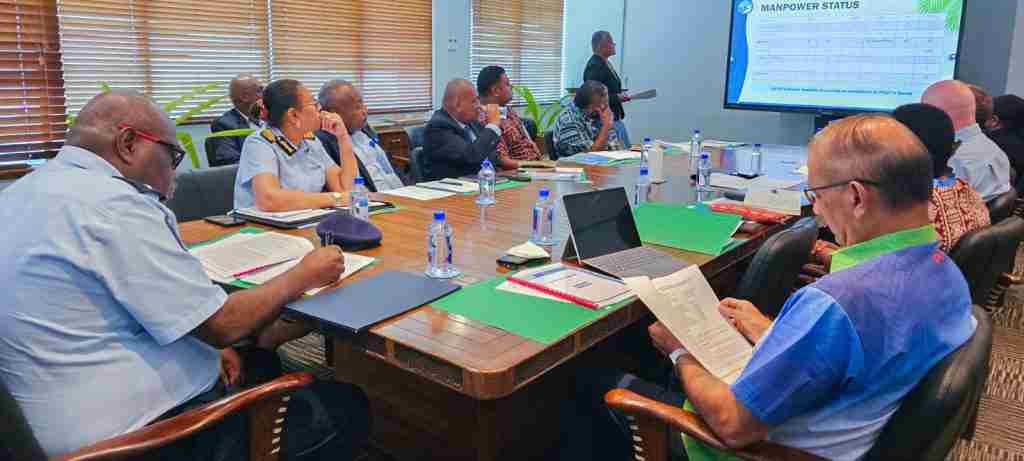
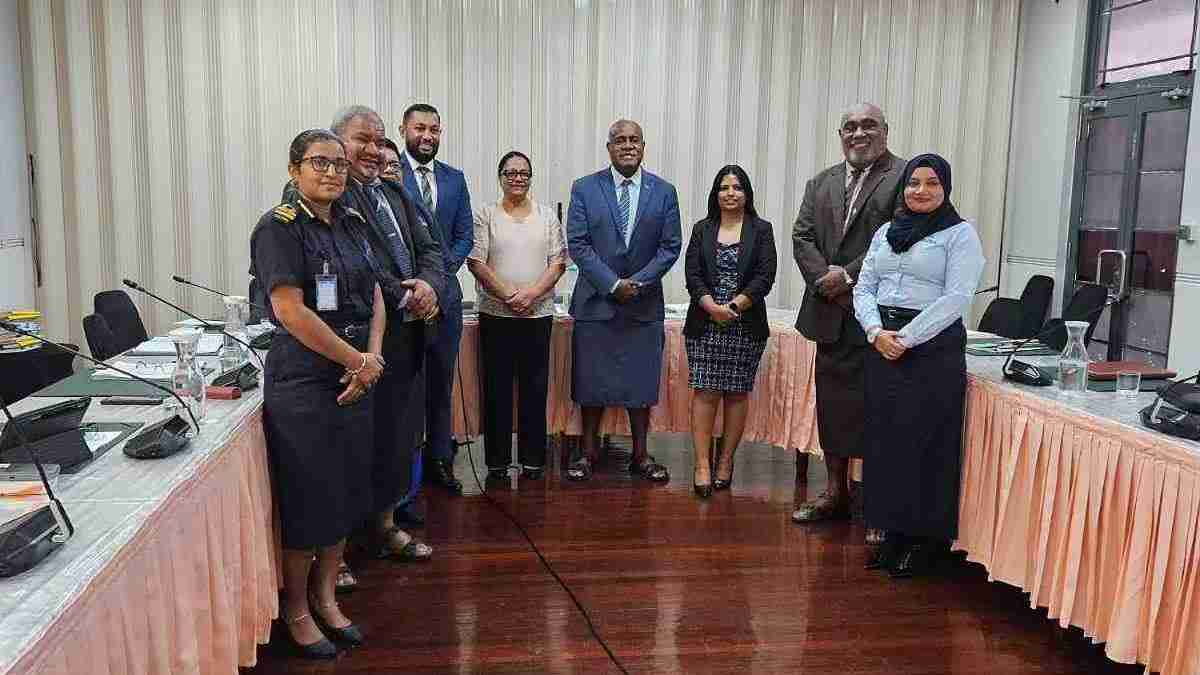
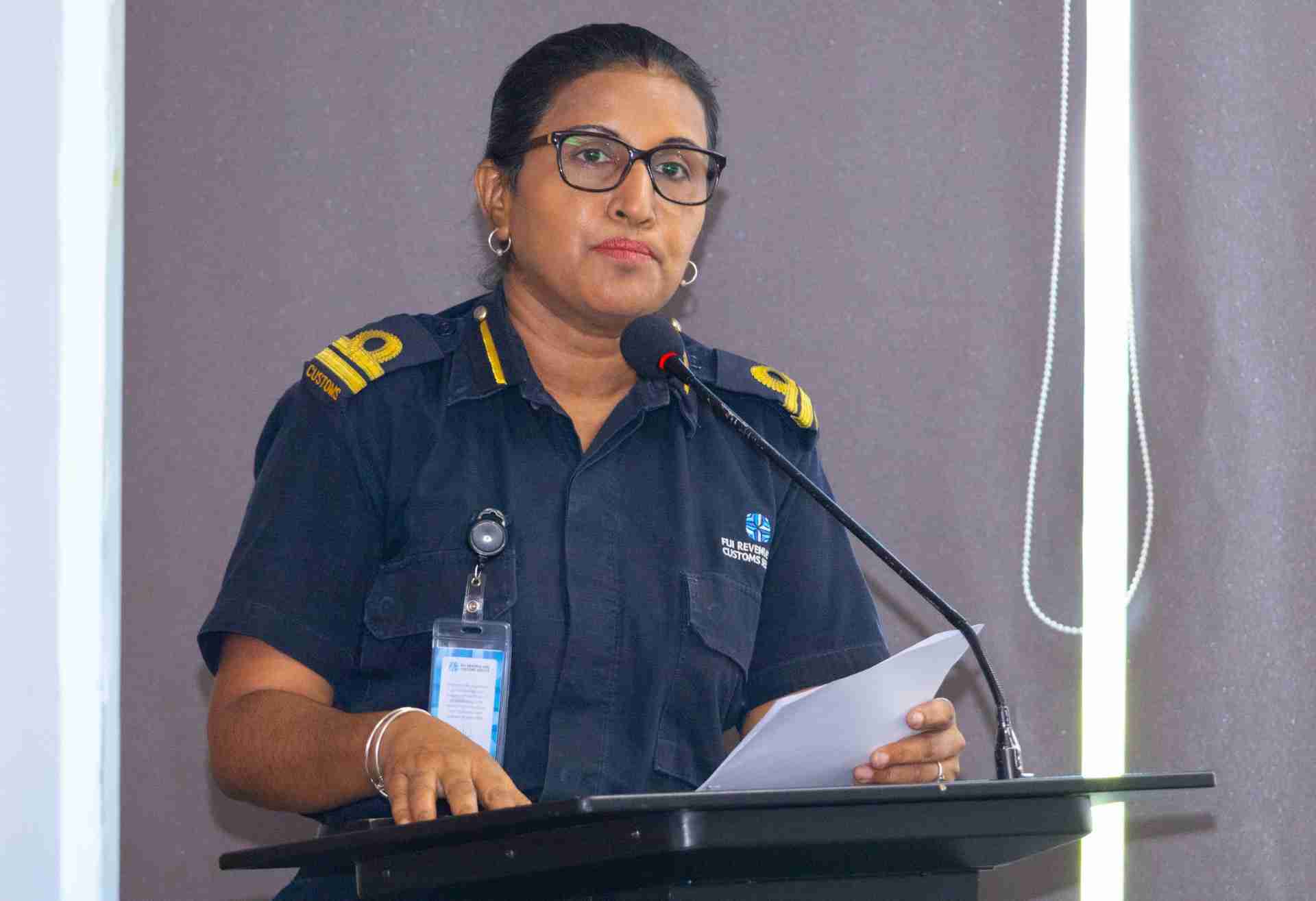
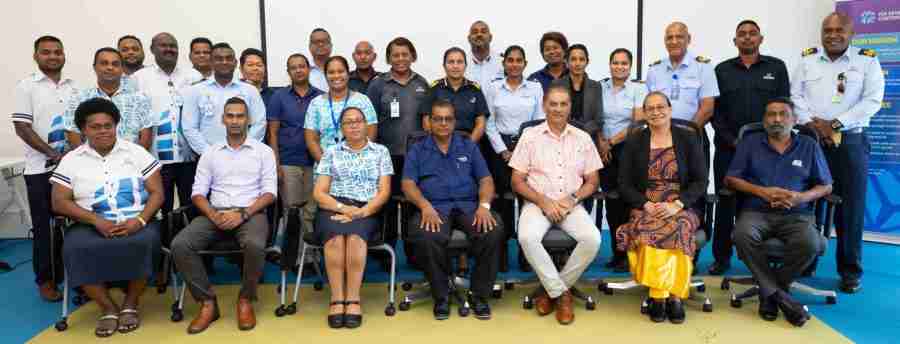
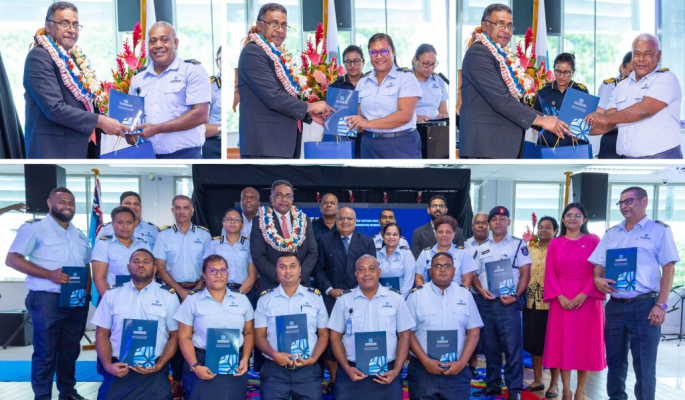
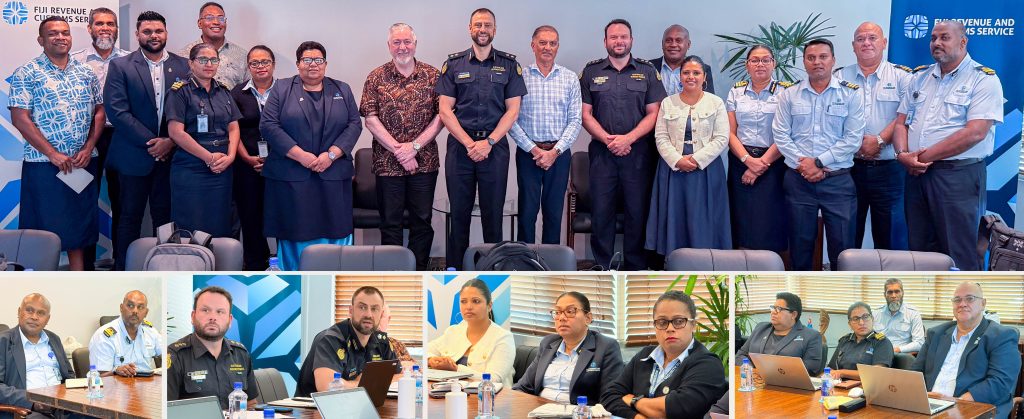
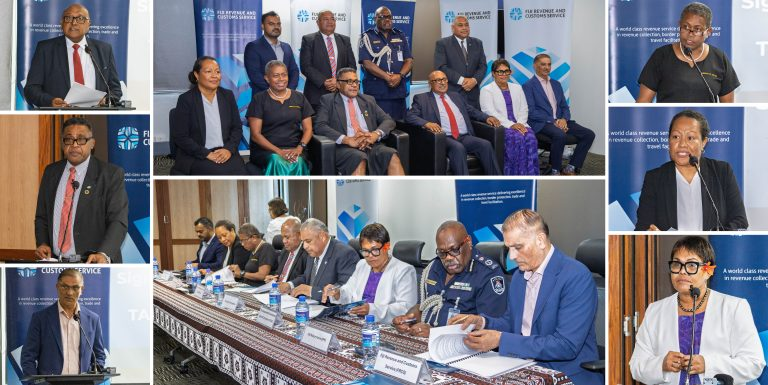
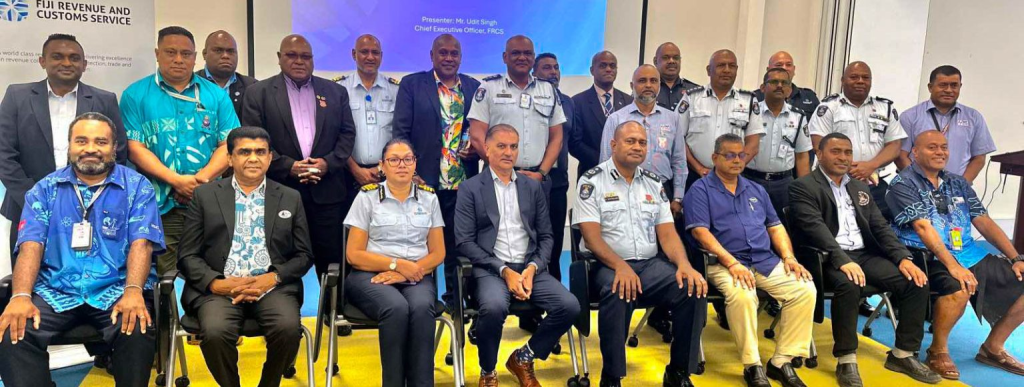
The Fiji Revenue and Customs Service (FRCS) today marked a major milestone in strengthening Fiji’s border security with the official inauguration of the new CCTV Capability and Multi-Purpose Room at Nadi International Airport, delivered through the support of the Government of Australia under the Vuvale Partnership Program.

Funded by the Australian Government through the Australian Border Force (ABF), the state-of-the-art facility is designed to enhance Fiji’s border protection capabilities through real-time surveillance, improved threat detection, and more effective incident response. The new capability will strengthen coordination among border agencies, improve monitoring of airport operations and restricted areas, and support training, operational planning, and intelligence-led border management.

Officially inaugurating the facility, Australian High Commissioner to Fiji, His Excellency Peter Roberts OAM, said the project reflects the strong and enduring partnership between Fiji and Australia. “As Vuvale, Fiji and Australia work together on the issues that matter most to our people. This is another example of our countries working side by side to strengthen border security, build capability and address transnational crime,” said High Commissioner Roberts.

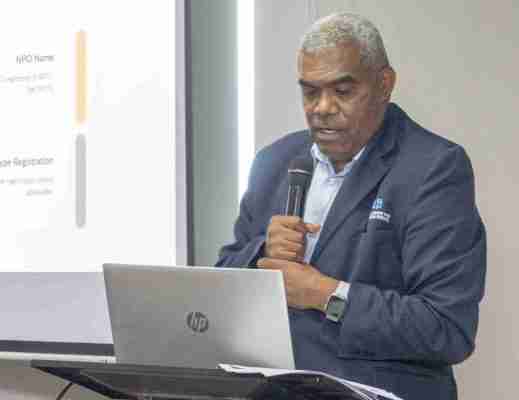
FRCS Chief Executive Officer, Mr. Udit Singh described the facility as a significant investment in Fiji’s national security and border management framework. “The facility inaugurated today represents much more than a modern surveillance and monitoring centre. It embodies our ongoing commitment to innovation, operational excellence, and collaborative border management, while strengthening our collective capacity to safeguard Fiji’s borders and national security,” Mr. Singh said.

Mr. Singh expressed FRCS’s sincere appreciation to the Government of Australia and the Australian Border Force for their continued support through the Vuvale Partnership. “This initiative reflects the depth and strength of our enduring relationship, underpinned by mutual respect, shared strategic interests, and a common commitment to advancing the security, stability, and prosperity of Fiji and our region.”

He also acknowledged the invaluable contributions of FRCS’s border management partners, including the Fiji Immigration Department, Fiji Police Force, Biosecurity Authority of Fiji – BAF, Fiji Airports Limited, the Republic Of Fiji Navy, and other agencies working collectively to protect Fiji’s borders. “As we confront increasingly complex threats, including illicit trafficking, smuggling, and transnational organised crime, our success depends on strong collaboration, effective information sharing, and a coordinated approach to border security,” he said.

The CEO noted that the new capability will significantly enhance situational awareness, strengthen frontline operations, and improve the ability of border agencies to identify, assess, and respond to emerging risks in a timely manner. “The capability we launch today represents a significant step forward in strengthening Fiji’s border security. It will enhance our situational awareness, strengthen frontline operations, and improve our ability to identify, assess, and respond to emerging risks. Just as importantly, it will support better coordination and more timely decision-making across partner agencies.”

As Fiji continues to grow as a regional hub for tourism, aviation, trade, and commerce, Mr. Singh emphasized the importance of remaining intelligence-led, risk-focused, technologically enabled, and united in addressing the evolving challenges facing border agencies.

Australian Border Force Superintendent Uriah Turner reaffirmed the strong partnership between the ABF and FRCS, highlighting their shared commitment to combating border-related threats and enhancing regional security. “The ABF and the Fiji Revenue and Customs Service maintain a close and productive partnership, working together on border security priorities, information sharing, and efforts to detect and disrupt border-related threats. The provision of this equipment and these enhanced capabilities will significantly strengthen our Fiji colleagues’ ability to identify and respond to threats at the border, further supporting regional security and cooperation.”

ABF has continued to support FRCS through specialised equipment, operational tools, technical expertise, and capability-building programmes that have strengthened the effectiveness of frontline officers. Training and professional development opportunities delivered over the years have played a critical role in enhancing border enforcement, intelligence gathering, and risk management capabilities.

The inauguration of the CCTV Capability and Multi-Purpose Room represents another tangible outcome of the Vuvale Partnership and reinforces the shared commitment of Fiji and Australia to safeguarding borders, combating transnational crime, and promoting a secure and prosperous Pacific region.

Last Updated - 3 days ago

Strengthening Fiji’s Frontline Defenders at the Port of Suva

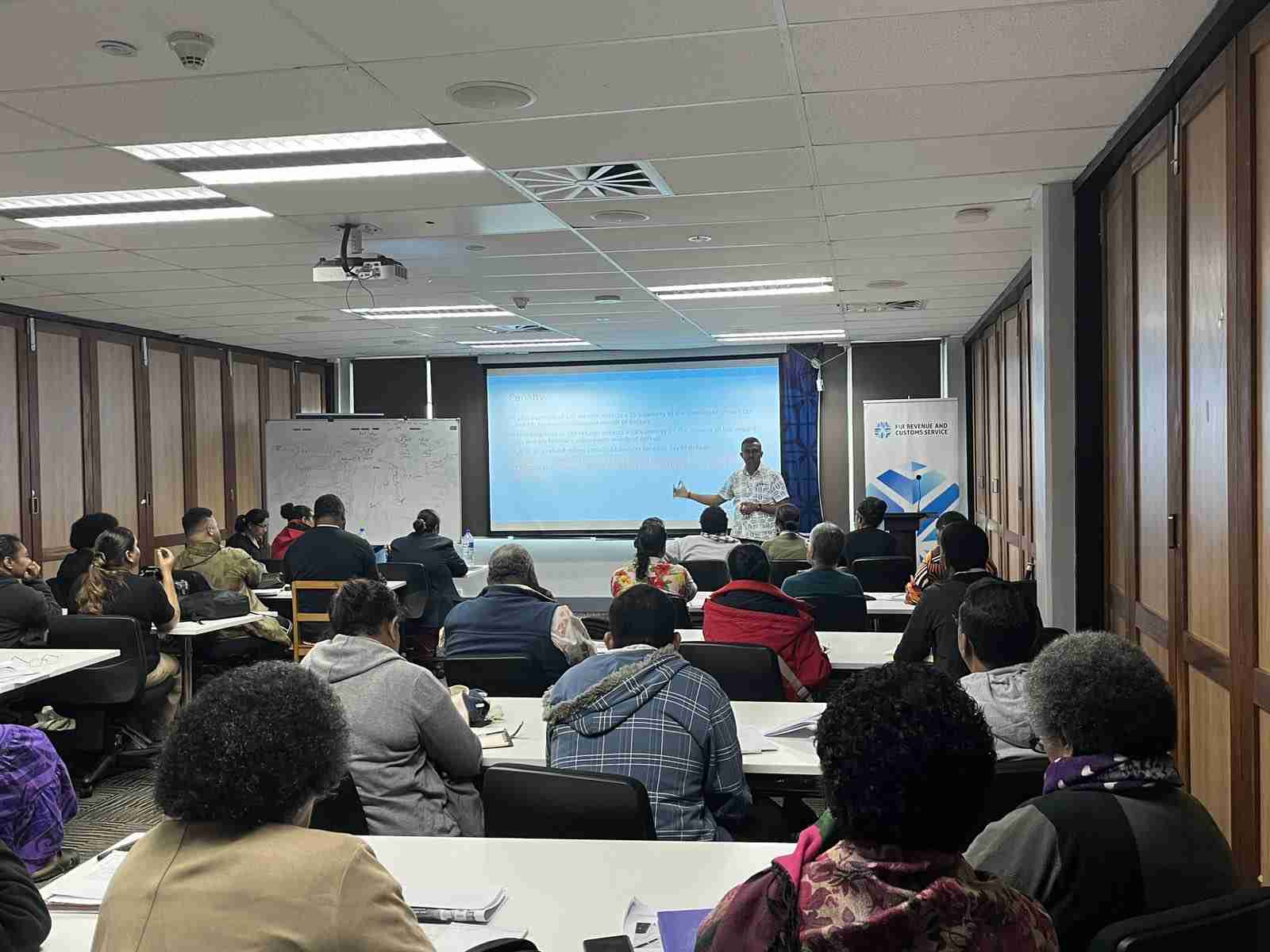
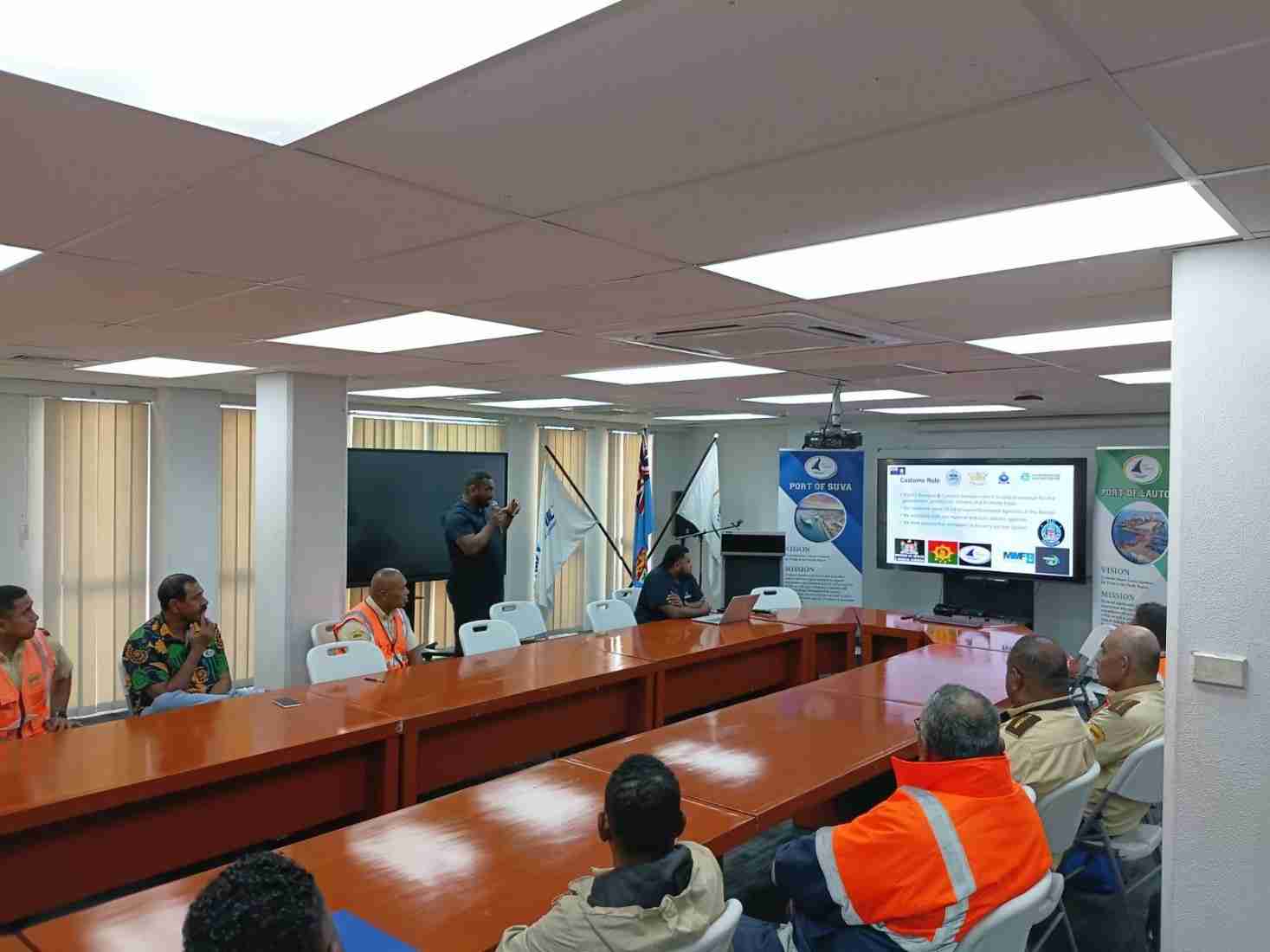
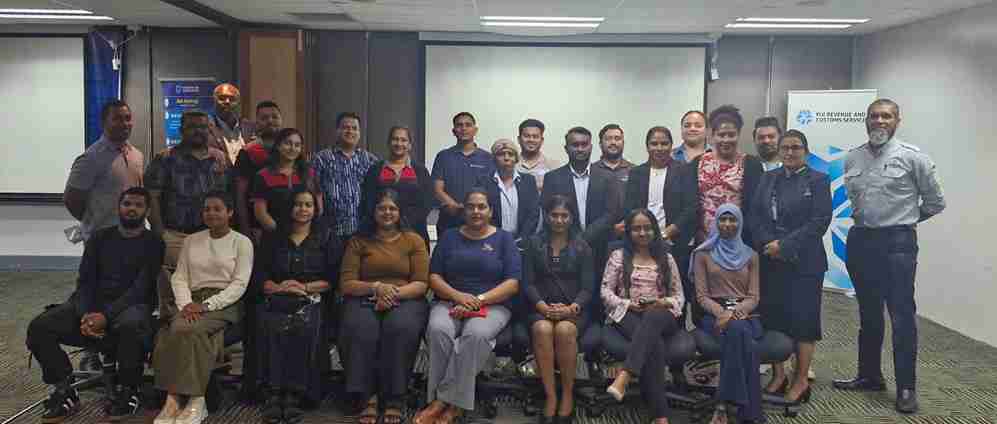
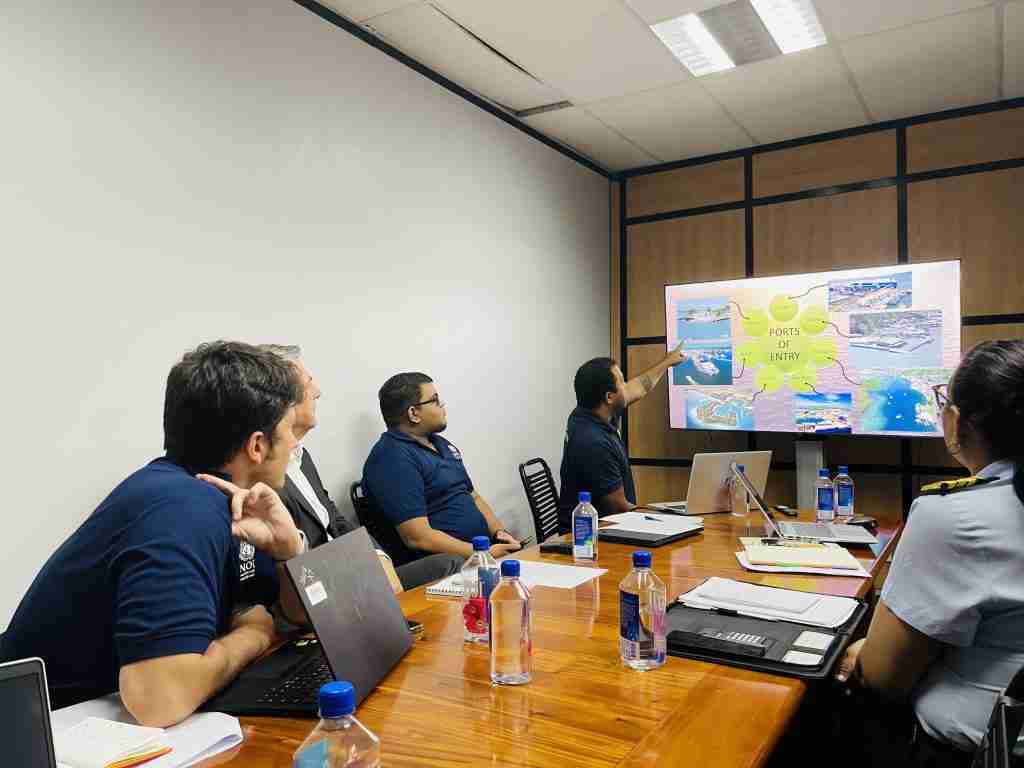
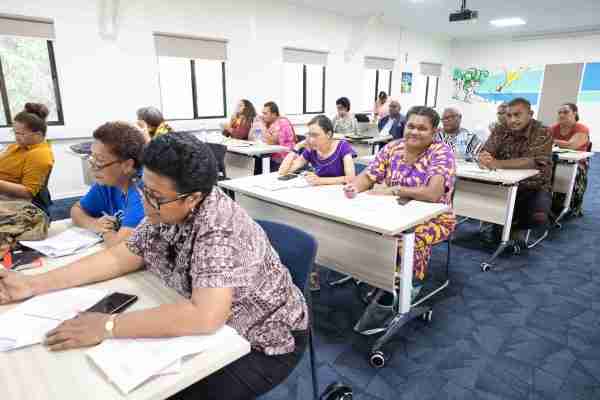
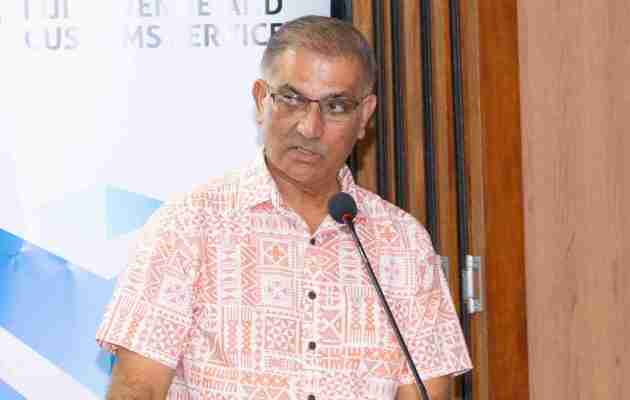
FRCS Maritime and Outer Ports Team recently delivered a border security awareness session for Port of Suva Security Officers and Grid Guards, highlighting the critical role they play in safeguarding Fiji’s gateways.

The interactive session enhanced knowledge and awareness across several key border security areas, including:

  • Insider Threat Detection and Prevention
  • Supply Chain Security Checks
  • Customs Legislative Powers
  •  Customs Control Areas and Access Procedures
  • Types of Container Seals
  •  Container Tampering Indicators
  •  International Ship and Port Facility Security (ISPS) Standards

As the first line of defence at our ports, security personnel are essential in maintaining the integrity of Fiji’s borders, facilitating secure trade, and ensuring the safe movement of people and goods.

Through initiatives like these, FRCS continues to strengthen partnerships, build capacity, and foster greater collaboration with key stakeholders and partner agencies. Together, we are enhancing our collective ability to detect risks, prevent illicit activities, and protect Fiji’s economic and national security interests.

Strong Borders. Trusted Partnerships. Secure Futures.

FRCS remains committed to working hand-in-hand with our partners to safeguard Fiji’s borders through vigilance, professionalism, and a shared commitment to security

Last Updated - 5 days ago

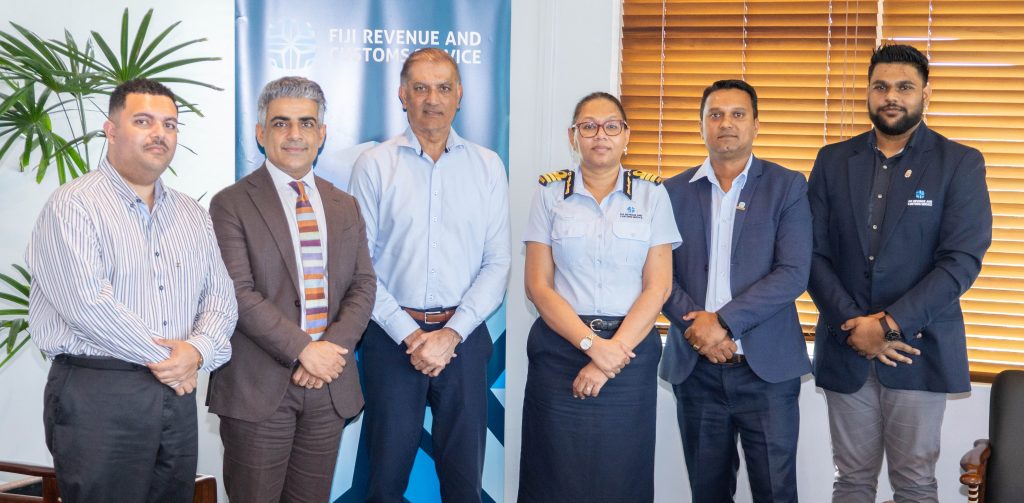
FRCS and Australian Border Force Reaffirm Commitment to Stronger Border Security Cooperation

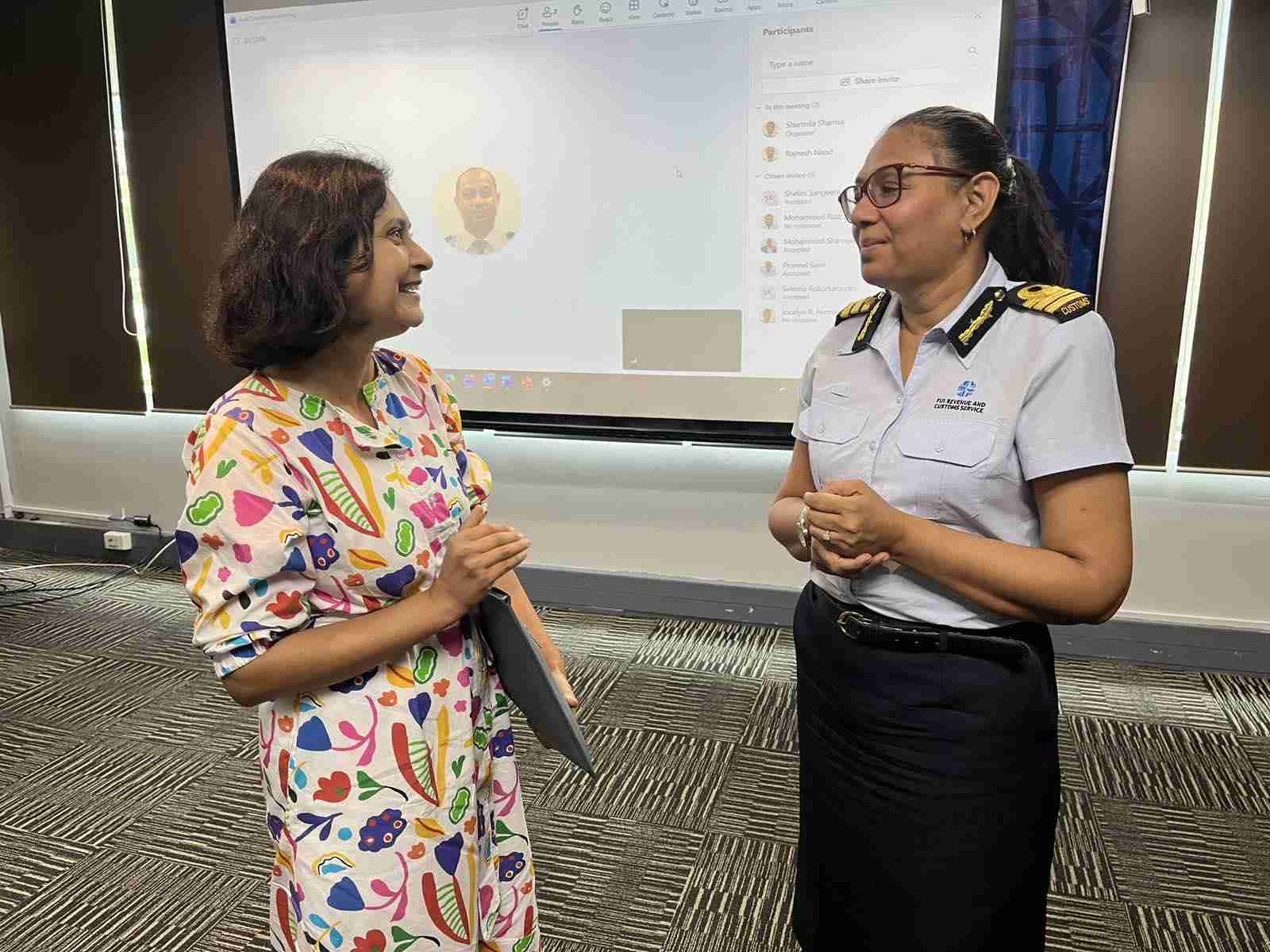
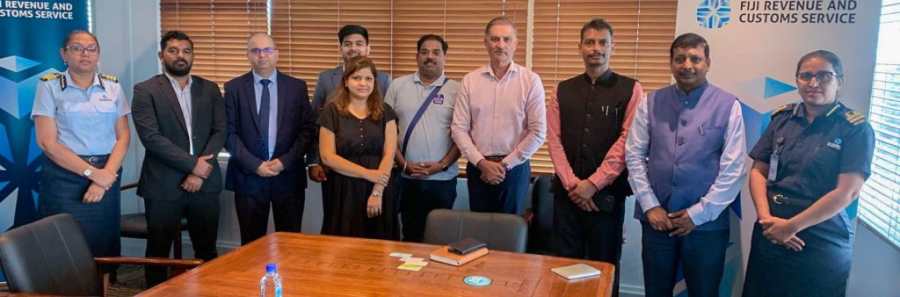
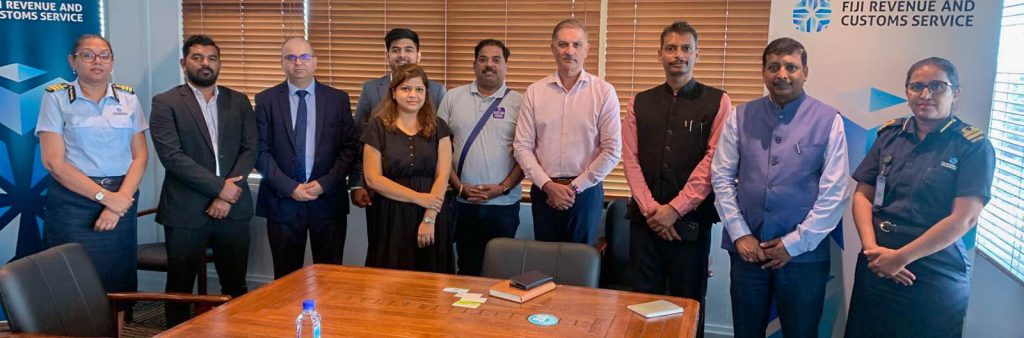
The Fiji Revenue and Customs Service (FRCS) and the Australian Border Force (ABF) have reaffirmed their shared commitment to strengthening border security, customs capability and regional cooperation between Fiji and Australia.

During a recent bilateral meeting, representatives from both agencies reviewed progress under the existing Memorandum of Understanding and discussed ongoing and future areas of cooperation aimed at enhancing Fiji’s border management and operational capability.

Key areas of discussion included the Container Examination Facility project, support for FRCS maritime vessels and associated training, integrity initiatives, the risk assessment of the Nadi Parcel Post, and a range of current and proposed capacity-building programmes.

The meeting also highlighted ABF’s continued technical and operational support to Fiji Customs in areas including maritime enforcement, intelligence development, digital forensic capability, trade-based money laundering, and specialised officer training.

This partnership continues to strengthen the capability and readiness of FRCS officers to identify, assess and respond to emerging border risks, transnational organised crime, and threats within Fiji’s maritime domain.

FRCS and ABF acknowledged the importance of sustained cooperation, information sharing and capability development in protecting national borders, facilitating legitimate trade and travel, and promoting security across the wider Pacific region.

Both agencies remain committed to building on their longstanding partnership and identifying further opportunities for practical cooperation and mutual support.

Last Updated - 1 week ago

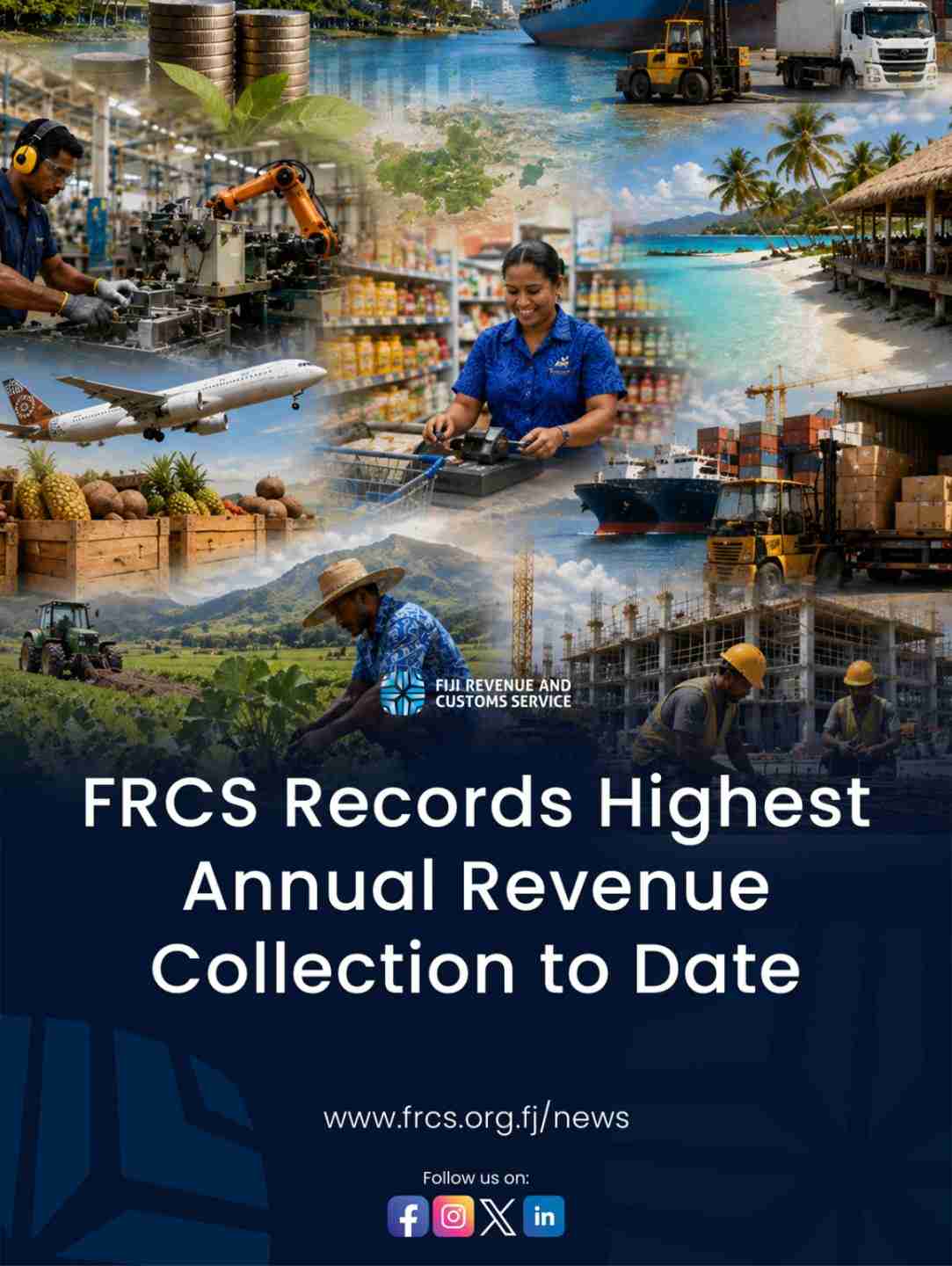
FRCS Records Highest Annual Revenue Collection to Date

The Fiji Revenue and Customs Service (FRCS) has collected net revenue of $3.510 billion for the financial year ended 31 July 2026—the highest annual revenue collection recorded by the Service.

The result is $136.2 million, or 4.0 per cent, above the Government’s annual forecast of $3.374 billion. It is also $25.8 million, or 0.7 per cent, higher than the $3.485 billion collected in the previous financial year.

FRCS Chief Executive Officer Mr Udit Singh said the result demonstrated the resilience of Fiji’s economy despite geopolitical uncertainty, international fuel-supply pressures, imported inflation and softer expectations for tourism and consumer activity.

“This record result reflects the strength of Fiji’s underlying business and employment base. Businesses continued to operate and contribute, employers-maintained jobs and wages, trade remained active, and taxpayers continued to support the country despite a challenging economic environment,” Mr Singh said.

Growth was led by Net Income Tax, which increased by $53.7 million, Net Customs collections, which increased by $46.6 million, and Departure Tax, which increased by $43.7 million.

Within these categories, PAYE increased by $37.9 million and Company Income Tax rose by $28.3 million. These results point to continued resilience in formal employment, wages, and business profitability. Fiscal Duty, Domestic Excise Duty, Withholding Tax, and Import Excise Duty also recorded positive annual growth.

Net VAT declined by $102.8 million compared with the previous year, principally reflecting the reduction in the VAT rate from 15 per cent to 12.5 per cent, together with refund and payment-timing effects. The decline should therefore not be interpreted as an equivalent reduction in underlying economic activity.

The July collection was $288.8 million, which was $16.6 million below forecast and $22.3 million below July 2025. The softer monthly result was influenced by the timing of Company Income Tax payments and higher refunds. Nevertheless, the strong performance over the preceding eleven months enabled FRCS to finish the year well above its annual forecast.

Mr Singh said the result was broadly consistent with the Reserve Bank of Fiji’s assessment that the economy continues to grow, although at a slower pace and with elevated risks from fuel prices, inflation, and global uncertainty.

“We should view this achievement with confidence but not complacency. The economic risks remain real, but the breadth of the revenue result shows that Fiji enters the new financial year with a resilient economic and fiscal foundation.”

Mr Singh thanked Fiji’s taxpayers, businesses, employers, importers, exporters, customs brokers, and tax agents for their contribution.

“This achievement belongs first and foremost to Fiji’s taxpayers. Every dollar collected supports essential public services, including healthcare, education, infrastructure, social assistance, and border protection.”

“I also thank the FRCS Board for its leadership and governance, our staff for their professionalism and commitment, and the Government, Ministry of Finance, Reserve Bank of Fiji and our partner agencies for their continued cooperation and support.”

KEY HIGHLIGHTS

• Net revenue: $3.510 billion

• Highest annual collection recorded by FRCS

• Above annual forecast: $136.2 million, or 4.0 per cent

• Above the previous financial year: $25.8 million, or 0.7 per cent

• July 2026 net revenue: $288.8 million

Last Updated - 1 week ago

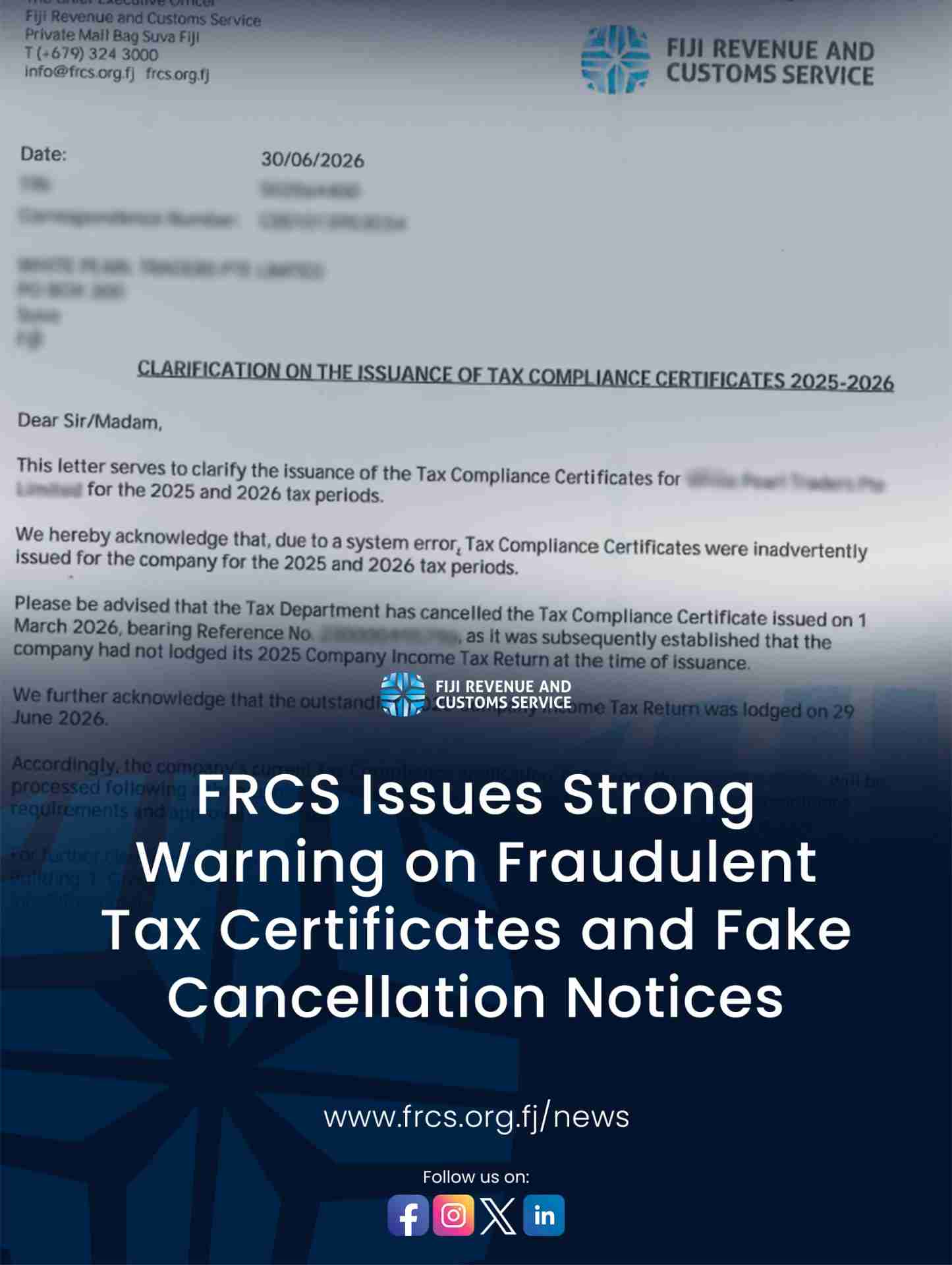
FRCS Issues Strong Warning on Fraudulent Tax Certificates and Fake Cancellation Notices

The Fiji Revenue and Customs Service (FRCS) has detected the circulation of fraudulent Tax Clearance and Tax Compliance Certificates (TCCs), as well as fake letters falsely claiming that legitimately issued certificates have been cancelled due to a system error.

FRCS advises that these documents are fraudulent, unauthorised, and do not originate from the Service. The creation, distribution, possession, use, or presentation of false tax documents may constitute serious criminal offences and may result in investigation and prosecution under the applicable laws of Fiji. Offenders may face substantial fines, imprisonment, or both.

FRCS is urging businesses, government ministries and departments, statutory bodies, financial institutions, procurement entities, and members of the public to exercise extreme caution and independently verify the authenticity of any certificate purportedly issued by FRCS before relying on it for any official purpose.

FRCS also wishes to clarify that it does not cancel, revoke, or invalidate Tax Clearance or Tax Compliance Certificates through informal emails, third-party correspondence, or unverified letters. Any change to the status of a certificate is reflected through FRCS’s official systems and can be verified via the FRCS Taxpayer Online Services Certificate Validation Portal.

FRCS Chief Executive Officer, Mr Udit Singh, said the Service takes any attempt to undermine the integrity of Fiji’s tax administration system very seriously. “The circulation of fake tax certificates and fraudulent cancellation notices is a deliberate attempt to deceive businesses, government agencies, and the public. FRCS will not tolerate any activity that compromises the integrity of our systems and processes.”

Mr Singh stressed the importance of verifying certificates through official channels before accepting them as valid. “We strongly urge all organisations and individuals not to accept any tax certificate at face value. Verification should be undertaken immediately through our official certificate validation portal or directly with FRCS.”

Mr Singh further advised organisations that encounter suspicious certificates to take immediate precautionary measures. “Where a fraudulent or suspicious certificate is identified, organisations should retain a copy of the document, suspend or pause the relevant transaction or process, and report the matter immediately to FRCS together with details of the individual or entity that submitted the document.”

He further warned that those involved in producing, distributing, possessing, or using fraudulent tax documents could face significant legal consequences. “Any person found to be producing, distributing, possessing, or using fraudulent tax documents will be subject to investigation and appropriate action under the law. These activities may constitute serious criminal offences, and FRCS will work closely with relevant enforcement agencies to ensure those responsible are held accountable.”

FRCS encourages any person who receives a suspicious certificate, cancellation notice, or related correspondence to report the matter immediately.

Verify Before You Rely

Stakeholders can verify the authenticity of Tax Clearance and Tax Compliance Certificates through the official FRCS Certificate Validation Portal:

https://tpos.frcs.org.fj/certificatevalidator/index.html

FRCS strongly encourages all organisations and individuals to complete this verification process before accepting any certificate for business, procurement, regulatory, financial, or administrative purposes.

Need Assistance?

For further assistance, contact FRCS through the following channels:

Toll-Free: 1326

Phone: 324 3000

Email: info@frcs.org.fj

Visit: Your nearest FRCS office

FRCS remains committed to protecting taxpayers, safeguarding the integrity of its systems, and maintaining public confidence in Fiji’s tax administration framework. All stakeholders are encouraged to verify tax certificates through official FRCS channels and promptly report any suspicious documents or correspondence.

Last Updated - 2 weeks ago

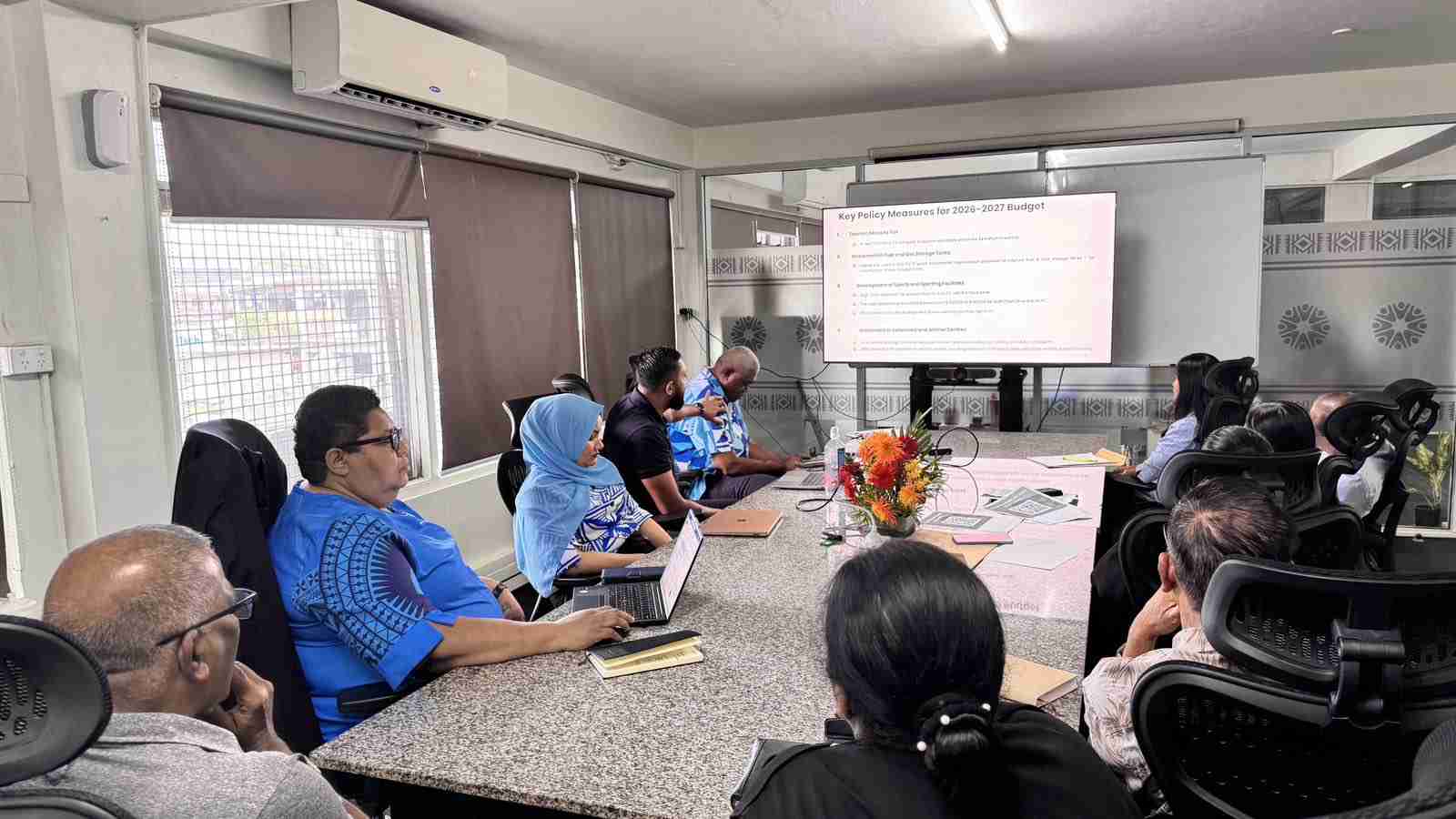
FRCS Engages Customs Brokers on the 2026/2027 National Budget Measures

FRCS recently hosted a Customs Broker forum at the Suva Port by virtually connecting Suva and Nadi Port to provide an awareness on the 2026/2027 National Budget and requirements for importation of the prefabricated home.

The forum formed part of FRCS’ ongoing commitment to strengthening collaboration and engagement with key stakeholders. Customs Brokers remain valued partners in supporting Fiji’s trade environment, playing a critical role in facilitating efficient, transparent, and compliant import and export processes. FRCS recognises that strong partnerships are essential to achieving national economic and revenue objectives.

During the session, FRCS senior officials provided detailed briefings on budgetary and revenue policy measures relevant to Customs Brokers. The forum served as a platform for open dialogue, technical clarification, and the exchange of insights to support a shared understanding of the new fiscal policies and their practical implications.

A key focus of the discussion was on tariff and duty adjustments, including duty concessions, customs tariff reductions, and other revenue measures introduced under the 2026/2027 National Budget. Participants also received updates on compliance requirements and ongoing transformation initiatives aimed at improving service delivery and operational efficiency.

Attendees were given the opportunity to engage directly with FRCS officials, seek clarification on specific matters, and receive tailored guidance on customs and taxation-related issues. The engagement fostered constructive discussions, enhanced stakeholder understanding, and reinforced the spirit of partnership between FRCS and the customs brokerage community.

The forum also provided Customs Brokers with an avenue to raise operational concerns, explore practical solutions to customs and tax challenges, and gain expert advice from FRCS specialists.

FRCS remains committed to supporting businesses and stakeholders through ongoing awareness and engagement initiatives. These efforts are designed to ensure that stakeholders remain well-informed, prepared, and equipped for the effective implementation of the 2026/2027 National Budget revenue policies and related reforms.

Last Updated - 2 weeks ago

FRCS Celebrates MSME Day 2026, Honouring Business Growth, Compliance and Entrepreneurial Success

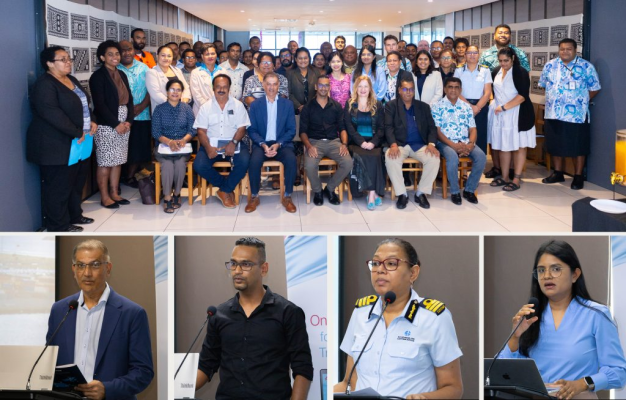
The Fiji Revenue and Customs Service (FRCS) today celebrated a major milestone in its ongoing commitment to empowering Micro, Small and Medium Enterprises (MSMEs), hosting a vibrant MSME Day 2026 event in Suva that highlighted the achievements, resilience, and growth of Fiji’s small business community.

The event was attended by the Deputy Representative of the UN Women Fiji Multi-Country Office, Ms. Eri Taniguchi, who commended the significant progress made by Fiji’s MSME sector and recognized the positive impact of partnerships that support entrepreneurs, particularly women-led businesses.

A total of 252 MSMEs from the FRCS MSME Business Community were presented with certificates in recognition of their dedication to business development, compliance, and continuous learning. Among them, 39 MSMEs successfully completed a comprehensive three-year training and coaching programme, graduating as independent businesses that are fully compliant with tax and customs requirements.

Recognising the strong partnership between FRCS and UN Women through the Markets for Change Project, Ms. Taniguchi highlighted the shared commitment to creating an enabling environment for women entrepreneurs and market vendors throughout Fiji.

“For many years, UN Women’s Markets for Change Programme has worked in close partnership with municipal councils, market vendor associations, government agencies and community leaders to improve the socio-economic security of women market vendors,” said Ms. Taniguchi.

“Central to this work has been empowering women with knowledge, skills, leadership opportunities and access to markets and services that enable them to grow their businesses with confidence.”

“FRCS has been an important partner in this journey. Through its engagement with market vendors and MSMEs, FRCS has helped increase awareness of tax obligations, business registration processes, financial literacy, and the importance of formalising businesses.”

FRCS Director Taxation, Ms. Momina Beg, said the organisation has trained more than 6,000 MSMEs across Fiji over the past four years, demonstrating FRCS’ strong commitment to supporting and strengthening the small business sector.

“This achievement reflects our dedication to educating, supporting and empowering MSMEs while building trust and confidence in tax and customs processes,” said Ms. Beg.

“By helping businesses understand their obligations and access the right support, we are creating pathways for sustainable growth and enabling MSMEs to make a greater contribution to Fiji’s economic development.”

As part of the celebration, FRCS also launched its MSME Newsletter and a new Frequently Asked Questions (FAQ) Guide for MSMEs, further strengthening its efforts to make business and compliance information more accessible.

The newsletter marks another important step in FRCS’ journey to educate, engage and build stronger relationships with MSMEs by providing timely updates, practical information, and success stories from the business community.

The FAQ Guide has been designed as a practical resource for aspiring and existing business owners, addressing common questions about starting and operating a business. Topics include business registration, tax obligations, record keeping and lodging income tax returns, providing entrepreneurs with clear and accessible guidance at every stage of their business journey.

The guide reflects FRCS’ commitment to simplifying tax and customs information and ensuring that every entrepreneur has the knowledge, confidence and tools needed to establish and grow a successful business.

The event also featured inspiring testimonials from MSME owners and partners, who shared how FRCS training programmes helped transform their businesses from informal operations into structured enterprises with sound financial management practices and clear growth strategies.

As MSME Day 2026 celebrations concluded, FRCS reaffirmed its commitment to supporting Fiji’s entrepreneurs through continued education, innovative digital solutions, and personalised coaching, ensuring MSMEs remain a driving force in the nation’s economic growth and prosperity.

Last Updated - 3 weeks ago

FRCS and Japan Customs Sign Memorandum of Cooperation to Strengthen Capacity Building

The Fiji Revenue and Customs Service (FRCS) and the Customs and Tariff Bureau of the Ministry of Finance of Japan have signed a Memorandum of Cooperation (MOC), establishing a new framework of technical cooperation between the two customs administrations.

Under the agreement, Japan Customs will assign a dedicated Liaison Officer for Capacity Building (LOCB) to Fiji. This marks a significant step in deepening the longstanding relationship between the two organizations and reinforces Japan’s continued support for customs modernization across the Pacific.

The signing of the MOC reflects the shared commitment of both FRCS and Japan Customs to strengthening customs capabilities across the region. This agreement builds on Japan’s broader engagement with the Pacific region through initiatives such as the Pacific Islands Leaders Meeting (PALM) framework and complements ongoing regional efforts to harmonise customs standards and practices.

The LOCB will serve as the primary point of contact between FRCS and Japan Customs on all matters relating to technical cooperation. By stationing a dedicated liaison officer in Fiji, Japan Customs aims to provide more direct, sustained, and responsive support allowing capacity building initiatives to be better tailored to the specific needs of FRCS.

FRCS has welcomed the partnership as an opportunity to enhance staff expertise, adopt international best practices, and further align its operations with global customs standards.

Last Updated - July 13, 2026

Supporting the Fijian Diaspora Through Tax Awareness and Digital Services

We were pleased to partner with the Fiji Trade Commission North America to deliver an online seminar focused on providing a general overview of Fiji’s tax system for the Fijian diaspora. The session guided participants through the process of registering for a Taxpayer Identification Number (TIN) using the Taxpayer Online Service (TPOS), while also highlighting key digital services offered by FRCS that support individuals pursuing investment and business opportunities in Fiji.

Our team covered important topics including updating taxpayer information on TPOS, business registration procedures, and the obligations of non-resident individuals. In addition, they addressed a range of other relevant tax matters and responded to participant queries during the session.

We appreciate the opportunity to engage with the diaspora and remain committed to supporting their understanding and compliance with Fiji’s tax system.

Last Updated - July 7, 2026

FRCS Reports Strong 11-Month Revenue Performance As Government Tracks Towards Annual Revenue Target

The Fiji Revenue and Customs Service (FRCS) has recorded net revenue collections of $3.226 billion for the first eleven months of the 2025–2026 financial year, placing Government revenue $156.9 million (5.1%) above the year-to-date forecast and $52.3 million (1.6%) ahead of the same period last year.

The Government’s net revenue target for the financial year ending 31 July 2026 is approximately $3.37 billion. With 95.7% of that target already achieved and one month remaining, FRCS is well positioned to meet, and potentially modestly exceed, the annual target, subject to normal revenue performance in July.

For the month of June alone, FRCS collected $430.1 million, exceeding the monthly forecast by $75.8 million (21.4%) and outperforming June 2025 collections by $49.6 million (13.0%).

Chief Executive Officer Udit Singh said the results demonstrate the resilience of Fiji’s revenue base and the effectiveness of FRCS’s compliance and revenue collection programs, despite a more challenging domestic and global economic environment.

“The Reserve Bank has recently highlighted a more cautious outlook for economic growth due to global uncertainty, higher fuel prices and geopolitical developments. Against that backdrop, these results are encouraging and reflect the resilience of Fiji’s taxpayers, businesses and the broader economy.”

The strongest contributors to revenue growth during the year were Company Income Tax, PAYE and Value Added Tax, supported by positive performances in Excise Duty, Capital Gains Tax and Departure Tax.

The continued strength in Company Income Tax reflects healthy profitability across many sectors of the economy, while PAYE collections indicate that employment and wages have remained resilient. Strong Domestic VAT collections also demonstrate that business activity and consumer spending remained relatively stable throughout much of the financial year.

Mr. Singh said the revenue performance reflects more than inflation alone.

“While imported inflation and higher prices have contributed to growth in some revenue lines, the overall performance has been driven by a combination of genuine economic activity, resilient businesses, sustained employment and stronger tax compliance. At FRCS, we have continued to strengthen intelligence-led compliance, debt recovery, audit programmes and digital risk management, ensuring a fairer and more effective tax system.”

FRCS also continued to process legitimate taxpayer refunds efficiently, with refunds representing 8 percent of gross revenue, supporting business cash flow while maintaining the integrity of the revenue system.

Looking ahead, Mr Singh said FRCS will continue to monitor domestic and international economic developments closely.

“The coming months will provide a clearer picture of how businesses and households respond to recent fuel supply challenges and ongoing global headwinds. While the economic outlook remains cautious, the strength of revenue collections over the first eleven months provides confidence that Fiji enters the new financial year from a solid fiscal position.”

Mr. Singh acknowledged the contribution of Fiji’s taxpayers, employers, importers, exporters, customs brokers, and the wider business community for their continued commitment to voluntary compliance.

“These results reflect the partnership between FRCS and Fiji’s taxpayers. Every dollar collected supports essential public services, national infrastructure, education, healthcare and economic development. We thank all compliant taxpayers for the important role they play in building a stronger Fiji.”

Revenue Snapshot – 11 Months to June 2026

  • Annual Net Revenue Target (FY ending 31 July 2026): Approximately $3.37 billion
  • Year-to-Date Net Revenue: $3.226 billion (95.7% of annual target)
  • Above Year-to-Date Forecast: $156.9 million (+5.1%)
  • Above Same Period Last Year: $52.3 million (+1.6%)
  • June 2026 Net Revenue: $430.1 million
  • June Above Forecast: $75.8 million (+21.4%)
  • June Above June 2025: $49.6 million (+13.0%)

Last Updated - July 5, 2026

FRCS Clarifies Departure Prohibition Order Process

The Fiji Revenue and Customs Service (FRCS) wishes to clarify several factual matters regarding the recent departure of a taxpayer who was subject to a Departure Prohibition Order (DPO).

On 26 March 2026, FRCS issued a Departure Prohibition Order under Section 31 of the Tax Administration Act 2009 in relation to Company A and transmitted the order to the Department of Immigration for implementation within the Integrated Border Management System (IBMS).

Following further compliance activities and legal review, FRCS prepared and signed, on 13 April 2026, a revised suite of DPO documents to administratively transition the DPO from Company A to Company B through the simultaneous revocation of the original DPO and the immediate issuance of a new DPO.

This administrative transition ensured that the DPO remained legally valid, active, and enforceable under the correct legal entity.

On 14 April 2026 at 9:57 am, FRCS transmitted the revised DPO documentation to the Department of Immigration for implementation.

At 11:00 am, the Department of Immigration confirmed in writing that the revised DPO had “been actioned.” Further confirmation was received at 11:35 am that the revised Departure Prohibition Order relating to Company B had been successfully activated within the Immigration system.

At approximately 2:00 pm on the same day (14th April), the taxpayer was personally served with the revised Departure Prohibition Order and acknowledged receipt by signing the notice.

Despite these actions, the taxpayer departed Fiji at 11.55 pm that evening.

FRCS wishes to reiterate that at all times, according to the documentation issued by FRCS to the Ministry of Immigration, an active DPO was always in place.

FRCS has requested the Department of Immigration to undertake a comprehensive review of the matter, including a full audit trail of all actions undertaken within the Integrated Border Management System, to establish the sequence of events and determine how the taxpayer was able to depart despite the existence of a valid Departure Prohibition Order.

FRCS remains committed to protecting the integrity of Fiji’s tax system and will continue working closely with the Department of Immigration and other law enforcement agencies to strengthen inter-agency enforcement processes.

As this matter is currently under active investigation, it would be inappropriate to comment further until the investigation is complete.

Last Updated - June 29, 2026

Strengthening Border Security: FRCS Frontline Officers Enhance Detection Skills Through New Zealand-Led Clan Lab Awareness Training

Frontline officers of the Fiji Revenue and Customs Service (FRCS) have strengthened their capabilities in identifying illicit drug manufacturing activities following a specialized Clan Lab Awareness training programme delivered by New Zealand Customs Service, in partnership with the New Zealand Police and supported by the Ministry of Foreign Affairs and Trade (MFAT).

The initiative forms part of ongoing regional cooperation to combat transnational organized crime, particularly the growing threat of methamphetamine production and trafficking across the Pacific.

Designed specifically for frontline border personnel, the awareness sessions focused on equipping officers with the knowledge and practical skills needed to detect indicators of clandestine laboratories (“clan labs”) and related criminal activity. The training highlighted how seemingly ordinary environments, such as warehouse facilities inspected during routine cargo examinations, could potentially be used for illicit drug production.

Participants were guided through the identification of everyday items and imported goods that may be associated with the manufacture of methamphetamine. This included recognizing chemicals, equipment, and materials that, while legitimate in isolation, could signal suspicious activity when found in certain combinations or quantities.

The sessions also explored the various pathways through which illicit substances and precursor materials are smuggled into the country. Officers received targeted insights into risks across cargo shipments, mail streams, unaccompanied baggage, freight consignments, and passenger movements. A key component of the training examined concealment techniques used by criminal networks, with real-life examples demonstrating how methamphetamine can be hidden in unconventional ways.

Visual case studies formed an important part of the programme, including examples from New Zealand. Officers reviewed images and scenarios involving substances concealed in picture frames, impregnated fabrics, and other atypical items. These practical illustrations were aimed at sharpening officers’ ability to identify anomalies and apply risk-based judgement during inspections.

Delivered through interactive presentations and supported by a question-and-answer session, the workshop provided an engaging and informative platform for knowledge exchange. The content underscored the importance of vigilance and informed decision-making at the border, particularly as drug trafficking methods continue to evolve.

The Clan Lab Awareness workshop was conducted at the request of Fiji, reflecting the country’s proactive approach to strengthening border protection measures. It also builds on the strong and longstanding partnership between New Zealand Customs and FRCS. In recent years, this collaboration has included capacity-building initiatives such as intelligence-gathering workshops and the Pacific Leadership Programme delivered in both Nadi and Suva.

New Zealand Customs reaffirmed its commitment to supporting FRCS and acknowledged the value of the close working relationship between the two agencies. Through continued cooperation and shared expertise, both countries aim to enhance regional resilience against organised crime and safeguard the Pacific’s borders.

FRCS expressed its sincere appreciation to New Zealand Customs, the New Zealand Police, and the Government of New Zealand for their continued support and partnership. FRCS acknowledged the significant value of not only the Clan Lab Awareness initiative, but also the broader range of capacity-building programmes delivered in recent years, which have played a critical role in strengthening Fiji’s border security capabilities and advancing regional collaboration.

Last Updated - June 23, 2026

FRCS Strengthens National Reach by Delivering Essential Services to Remote Naitasiri Communities

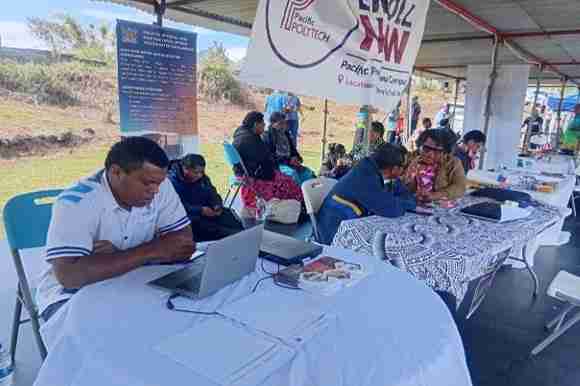
FRCS was proud to participate as one of the key service delivery agencies in the Naitasiri Community Outreach Program, led by the Fiji National Provident Fund (FNPF). This initiative underscored a shared commitment to extending essential services to rural and remote communities, ensuring inclusivity and accessibility for all Fijians.

As part of this outreach, FRCS conducted a series of Talanoa sessions across five villages including Nasava, Nasauvere, Tubarua, Matawailevu, and Korovou and providing vital services while fostering greater awareness and understanding of taxation and business obligations. Notably, this engagement represents a significant milestone for FRCS, marking the first time services have been delivered in the interior regions of Naitasiri, reaching communities that have traditionally had limited access due to geographical constraints.

Services Provided:

• Taxpayer Identification Number (TIN) registrations

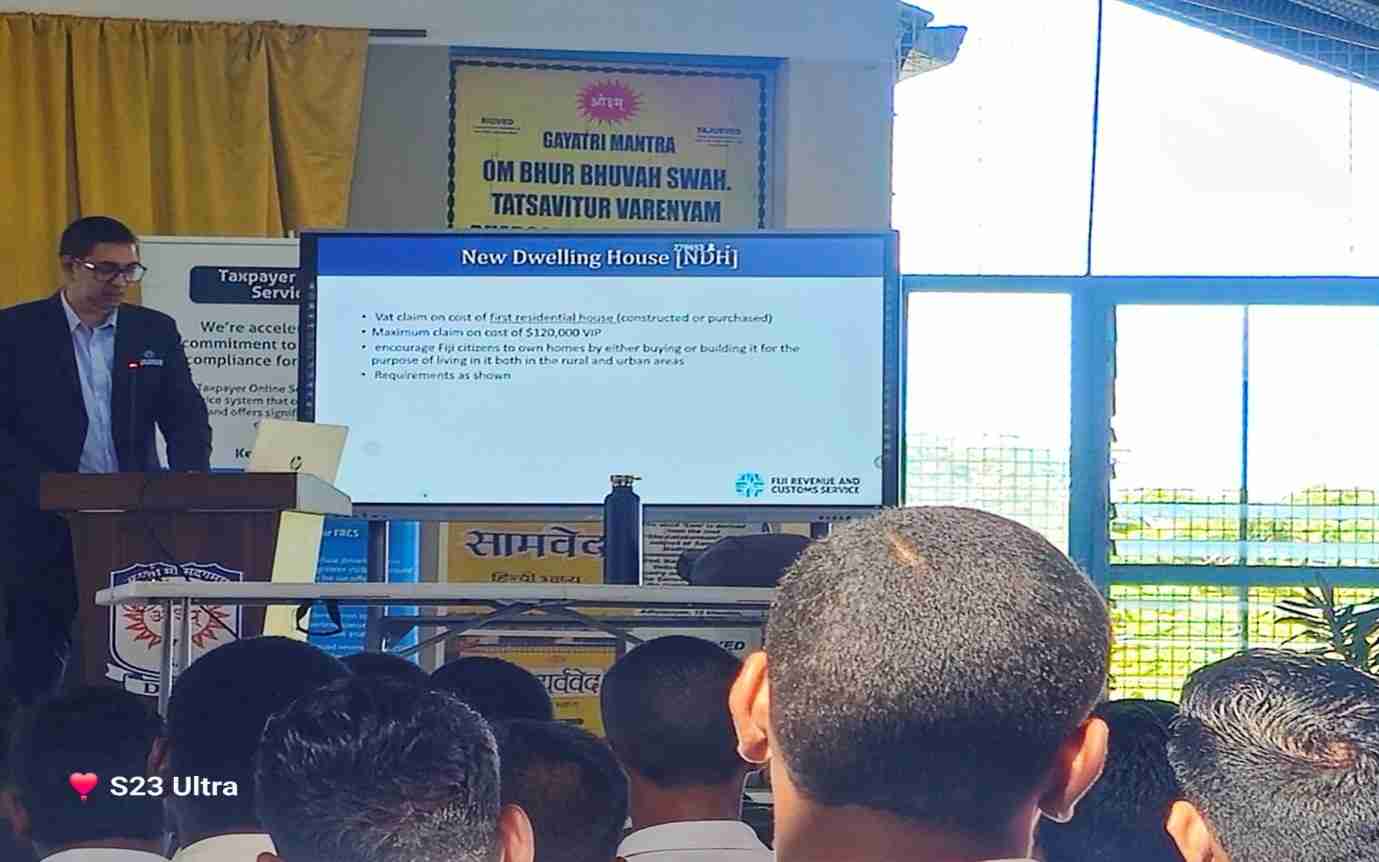
• Guidance on New Dwelling House (NDH) refund requirements

• Assistance with business registration inquiries

• Support for online tax return filing

• General taxation advice and information

Key Advisory to Business Owners:

• Register their businesses with the Registrar of Companies (RoC)

• Complete registration with FRCS

• Maintain accurate records to support online tax filing.

• Understand requirements related to TIN and NDH refunds.

The village halls in the five villages served as central venues, ensuring accessibility and convenience for participants from surrounding areas.

Despite the logistical challenges, including multiple river crossings on foot to access interior villages without formal road networks, the team remained committed to delivering services to these communities. The outreach also highlighted the need for improved internet connectivity to support systems such as TPOS.

Additionally, community members were guided on the importance of safeguarding their joint cards, noting that replacement fees are now set at $20. Clarifications were also provided to address common misunderstandings, particularly for sole traders, emphasizing that registration with the RoC is only the initial step and must be followed by FRCS registration and the submission of tax returns, regardless of whether income falls below the $30,000 threshold.

Overall, the outreach program reflects FRCS’s ongoing dedication to bridging service gaps and empowering communities through direct engagement, education, and accessible service delivery in even the most remote parts of Fiji.

FRCS extends its sincere appreciation to its valued partners, whose collaboration has been instrumental in supporting our initiatives. We acknowledge the FNPF, Ministry of iTaukei Affairs (Vola ni Kawa Bula), the Ministry of Justice (Births, Deaths and Marriages), HFC Bank, the Naitasiri Provincial Council, and Naitasiri Community Policing for their continued partnership and commitment. Their collective efforts have greatly contributed to the successful delivery of services and strengthened engagement within the community.

Last Updated - June 23, 2026

Pacific Customs Leaders Unite to Strengthen Regional Border Security and Cooperation

Customs administrations from 21 Pacific countries have jointly adopted a communiqué pledging strengthened, coordinated efforts to combat transnational crime operating across regional borders. This commitment was formalized at the close of the 28th Oceania Customs Organisation (OCO) Annual Conference, held from 2 – 4 June 2026 at the InterContinental Fiji Golf Resort and Spa in Natadola.

Convened by the FRCS, the conference brought together Heads of Customs and appointed delegates representing 21 Pacific Island countries and territories. The forum served as an important opportunity to reinforce collective approaches to border protection, enhance cooperation in trade facilitation, and advance ongoing customs modernisation initiatives across the region.

In reaffirming Fiji’s strong commitment to the OCO and shared regional priorities, FRCS Chief Executive Officer and outgoing OCO Chair, Mr. Udit Singh, highlighted Fiji’s leadership role during its tenure. “As Chair of the OCO, Fiji has sought to lead by example by championing regional training initiatives, leadership development, and Customs modernisation,” Mr. Singh stated. “We recognise that our collective strength is determined by the capacity of each member administration. Hosting this conference reflects Fiji’s continued commitment to partnership, cooperation, and shared progress across the Pacific.”

Mr. Singh emphasised that Pacific Customs administrations are united by a clear and forward-looking vision. He underscored the importance of strengthening regional partnerships, enhancing intelligence-sharing frameworks, and expanding capacity-building initiatives for customs officers across the region. He also called for accelerated adoption of advanced technologies and modern border management systems to improve operational efficiency and effectiveness. “Above all, we must emerge with a unified Pacific Customs voice, one that is strong, coordinated, and influential on both regional and global platforms,” he added. “The challenges before us are significant, but so too are the opportunities. By working together, we can build a safer Pacific, foster a more secure and efficient trading environment, and develop stronger, more resilient economies for our people.

Reflecting on the conference proceedings, Mr. Singh noted that participants engaged in an intensive and highly productive programme of dialogue and collaboration. Discussions were marked by a high level of engagement and knowledge exchange among member administrations and development partners.

“The depth and quality of deliberations have been commendable,” he said. “These exchanges have provided valuable insights into the evolving landscape of customs administration, border security, and trade facilitation across Oceania. Importantly, they have enabled us to collectively assess emerging challenges, identify shared priorities, and shape a more coordinated, forward-looking approach to regional cooperation.

Mr. Singh also extended his congratulations to the newly appointed OCO leadership, welcoming Mr. Tekaie Ititaake, Comptroller of Customs for Kiribati, as the incoming Chair, and Mr. Jose Mafnas of the Commonwealth of the Northern Mariana Islands as Vice Chair. The successful hosting of the 28th OCO Conference by the FRCS has been widely acknowledged as a significant achievement, reinforcing Fiji’s leadership role and commitment to advancing regional customs cooperation and security.

Last Updated - June 18, 2026

OCO Members and Partners Discuss a Coordinated Regional Approach to Protect Pacific Economies

Day Two of the 28th OCO Annual Conference brought together 60+ delegates from across the Pacific and beyond for an open session on strengthening Customs’ commitment to our Pasifika communities.

Delegates shared key updates, priorities, and opportunities for greater regional collaboration, while partners highlighted the vital role of Customs in maritime security, trade transparency, and tackling organized crime.

A key takeaway: the need for a stronger, intelligence-led and coordinated regional approach — with OCO members united through cooperation, knowledge sharing, and capacity building to protect our people, economies, and the future of our Blue Pacific.

Last Updated - June 4, 2026

Uniting Pacific Customs: 28th OCO Conference Gets Underway

Delegates and partners have officially arrived for the 28th Oceania Customs Organisation (OCO) Annual Conference, and everything is set for day one! Leaders from Customs agencies across 24 Pacific countries are in Fiji from 2–4 June 2026 for this key gathering.

The event brings together Heads of Customs, senior government officials, development partners, and international organisations, all coming together to share ideas and strengthen efforts to keep communities safe, secure borders, boost trade, and support sustainable growth across the Pacific.

Fiji is hosting the conference in its role as OCO Chair, with this year’s theme focused on “Scaling Up the Commitment of Customs to Protect and Grow our Pasifika Communities.”

Last Updated - June 2, 2026

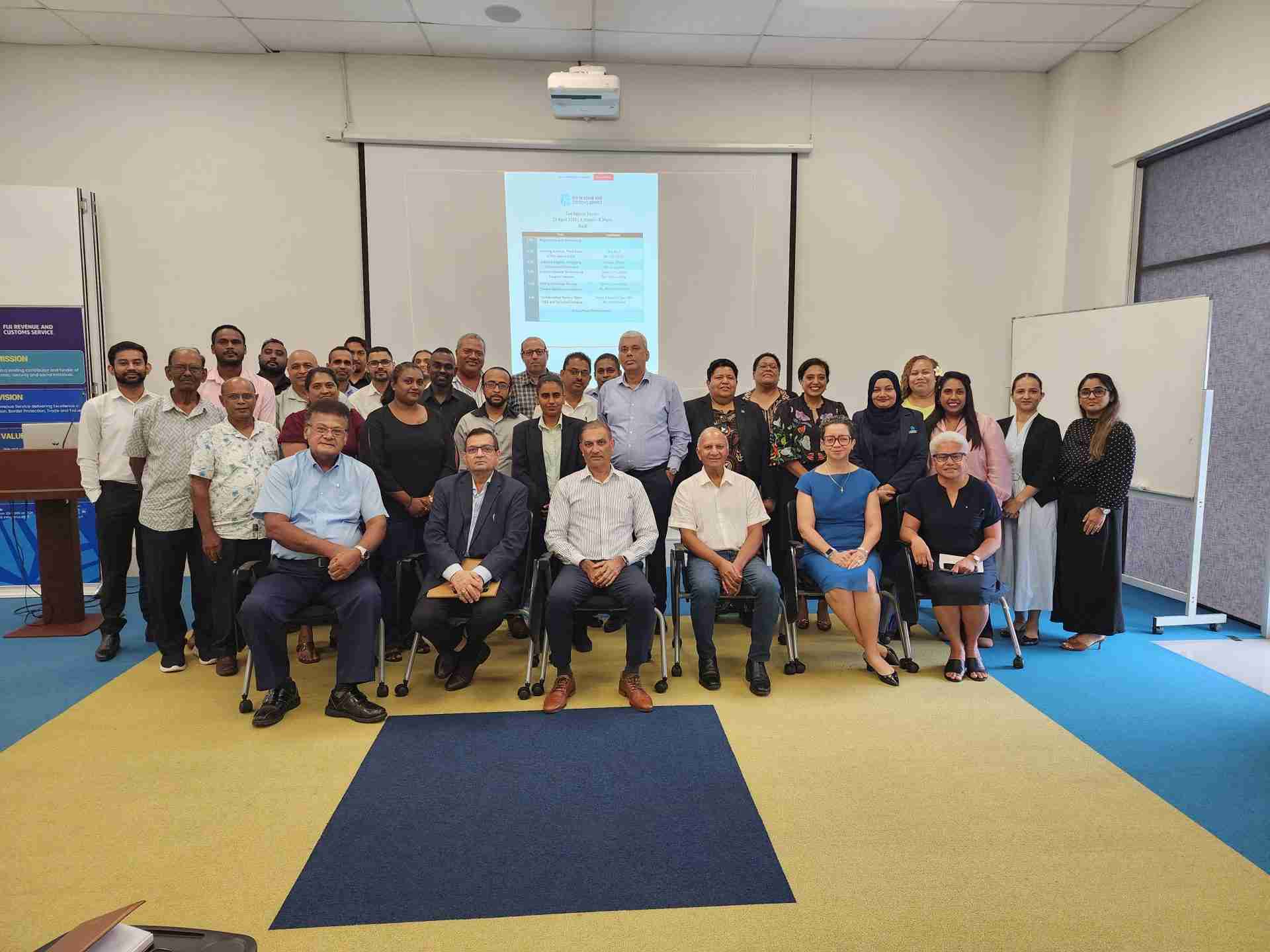
Board of Management Meeting Strengthens Fiji’s Border Security Framework

FRCS hosted a Board of Management (BOM) meeting in Suva, chaired by the Commissioner of Police (COMPOL), Mr. Rusiate Tudravu. Also present at the meeting were the CEO of FRCS, the Acting Director of Immigration, senior officials from Police, Immigration, and FRCS, along with representatives from the Australian Federal Police (AFP).

The meeting focused on discussions around the review of the Memoranda of Understanding (MOUs), Standard Operating Procedures (SOPs), Joint SOPs, and Terms of Reference. These deliberations form part of a broader effort to revamp the BOM platform, ensuring stronger governance, clearer coordination, and more effective collaboration across agencies.

The engagement highlighted Fiji’s recognition that modern border management requires not only operational capacity but also robust frameworks for intelligence sharing, joint enforcement, and accountability. The participation of the AFP underscored the importance of international partnerships in tackling organized crime, drug trafficking, money laundering, and cyber-enabled threats.

By focusing on the review and modernization of these foundational instruments, Fiji is reinforcing its commitment to proactive, intelligence-led border security. The BOM meeting demonstrated the collective resolve of national and international agencies to safeguard Fiji’s borders, enhance regional stability, and contribute meaningfully to global security efforts.

Last Updated - May 22, 2026

FRCS Reports Strong Financial Performance and Advances in Compliance Transformation

FRCS Executive Leadership Team (ELT) presented its 2023–2024 Annual Report to the Standing Committee on Economic Affairs, highlighting a year of significant achievement and strategic progress.

Chief Executive Officer, Mr. Udit Singh, described the 2023–2024 financial year as a milestone for FRCS, with the organisation delivering a record $3.1 billion in revenue, an exceptional growth of 35.8 percent. This marked the first time FRCS surpassed the $3 billion revenue benchmark, reflecting strong national economic recovery.

Mr. Singh noted that this performance was driven by a broad-based rebound in tourism consumption and trade, alongside a growing contribution from Value Added Tax (VAT), which accounted for approximately 44 percent of total revenue. He also emphasised FRCS’s continued shift toward data-driven compliance, supported by enhanced digital systems such as the Taxpayer Online Service (TPOS).

“These results demonstrate a strong rebound and an evolving revenue structure that reflects consumption-led growth,” Mr. Singh said. “They also highlight the importance of strengthening compliance systems and operational capabilities to sustain long-term performance.”

He acknowledged that the year also brought valuable insights into areas requiring further enhancement, including the management of refund liabilities, system capacity during digital transitions, and risks associated with informal sector activities and illicit trade. These insights have informed FRCS’s strategic priorities moving forward.

Mr. Singh informed the Committee that in the 2024–2025 fiscal year, FRCS has made targeted progress in addressing these areas. Revenue increased further to $3.48 billion, with growth moderating to a sustainable 12.3 percent. Strategic compliance initiatives have delivered measurable outcomes, including the identification of $45 million in tax liabilities, with approximately $30 million already collected.

The Tax Amnesty Programme also achieved strong results, generating $75 million in collections and facilitating the filing of over 40,000 tax returns. In parallel, FRCS has made substantial progress in reducing refund backlogs, stabilising digital systems, and strengthening both service delivery and enforcement capabilities.

“In summary, FRCS is transitioning from a recovery-driven phase to a more stable, compliance-led and digitally enabled revenue system,” Mr. Singh stated. “Our focus remains on building resilience and addressing structural risks identified during the 2023–2024 financial year.”

Mr. Singh highlighted that FRCS is making strategic investments in the development of a Single Window System, an integrated digital platform that will allow traders to submit all import, export, and regulatory documentation through a single entry point. This initiative is expected to streamline and standardise border processes, improve efficiency and turnaround times, strengthen inter-agency coordination, and reduce compliance costs for businesses. Importantly, it will enhance transparency and enable data-driven decision-making, significantly strengthening risk management capabilities to better detect and deter illicit trade. In the context of evolving border security challenges, this system will play a critical role in safeguarding Fiji’s borders while facilitating legitimate trade in a more secure and controlled environment.

He further noted that the implementation of the FRCS Yacht Management System has already improved the management of yacht arrivals and departures through a streamlined digital platform. The system simplifies clearance processes, enhances service delivery, and reduces administrative burdens for both officers and stakeholders. At the same time, it strengthens monitoring and compliance by providing greater visibility over vessel movements, thereby contributing to stronger border control, and supporting Fiji’s overall maritime security framework.

Deputy Chair of the Standing Committee on Economic Affairs, Ms. Premila Kumar, commended FRCS for its performance, noting the positive feedback received from customers regarding service improvements. Ms. Kumar highlighted the impact of TPOS in enhancing accessibility and convenience for taxpayers and praised FRCS as a benchmark for customer service across government agencies.

“We have started using FRCS as a benchmark when assessing improvements in customer service within government departments. This is a commendable achievement,” she said. She also congratulated FRCS on its role in supporting Fiji’s removal from the European Union (EU) blacklist, recognising this as a significant milestone for the nation.

Last Updated - May 21, 2026

FRCS Hosts Tax Agents Forum in Nadi to Strengthen Collaboration and Tax Administration

FRCS successfully hosted the Tax Agents Forum in Nadi recently, bringing together registered Tax Agents, senior FRCS leadership, and members of the Tax Agents Board for a constructive and forward-looking dialogue on Fiji’s tax administration landscape.

This forum marked the first occasion on which the Tax Agents Forum was convened with the participation of the Tax Agents Board, underscoring a shared commitment to strengthened collaboration, transparency, and continuous improvement within the tax profession.

The Chief Executive Officer of FRCS and Chairman of the Tax Agents Board, Mr. Udit Singh outlined the evolving role of Tax Agents and shared perspectives on the future direction of tax agency services in Fiji.

Participants also benefited from:

• Industry insights on addressing operational challenges faced by Tax Agents.

• A strategic update from FRCS on the modernisation of taxation services and enhancements to service delivery.

• A compliance-focused overview highlighting shared responsibilities and practical outcomes.

• An open question-and-answer session and technical discussion, facilitating meaningful engagement and the exchange of views between Tax Agents and FRCS officials.

FRCS extends its sincere appreciation to all speakers, members of the Tax Agents Board, and participating Tax Agents, both in person and online, for their valuable contributions and active engagement.

FRCS also looks forward to building on the outcomes of these discussions as it continues to work collaboratively with Tax Agents towards seamless compliance and a stronger, more efficient tax system for Fiji.

Last Updated - May 11, 2026

FRCS Engages With UK National Crime Agency to Enhance Transnational Crime Enforcement

Senior representatives from the United Kingdom’s National Crime Agency (NCA), executives Daniel Newell and Laura Boon, accompanied by a senior official from the British High Commission, met with officials of the Fiji Revenue and Customs Service (FRCS) at the FRCS headquarters to discuss enhanced cooperation in combating transnational, serious, and organized crime.

The meeting provided a platform for substantive dialogue on strengthening institutional networks and operational linkages between Fiji and the United Kingdom’s law enforcement agencies. Both parties recognized the critical importance of sustained collaboration in addressing the increasingly complex and cross-border nature of organized crime.

The discussions further provided a valuable opportunity to explore and deepen cooperative efforts across several key priority areas. These encompassed the investigation of environment exploitation, cybercrime prevention, incident of increase seizures of drugs, and the establishment of robust intelligence sharing frameworks. In addition, discussions were held regarding the forthcoming implementation of the FRCS Yacht Management System (YMS), which is anticipated to play a significant role in enhancing maritime oversight and regulatory compliance within the region.

Furthermore, the FRCS emphasized that tackling drug infiltration at the border requires a collective partnership between law enforcement agencies, regulators, and industry stakeholders through a unified strategic drive. It was noted that Fiji’s border control agencies have a strong capability to maintain pressure across Fiji’s maritime domain to advance and protect the sovereignty. The NCA team assured their support in information and intelligence sharing with FRCS to curb transnational organized crime and their networks.

FRCS assured that their continuous seizures is a significant step in strengthening the security, resilience and enforcement of legitimate trade and travel across their borders. FRCS under the WCO SAFE framework will continue to work with its international partners to exchange information and build capability to deter, detect and dismantle the crime network through effective partnership and capital investment in areas of border security.

FRCS also expressed its strong commitment to engaging with international partners in pursuit of shared security objectives. The FRCS further conveyed its sincere appreciation for the continued support extended by the British Government, implemented in conjunction with the United Nations Office on Drugs and Crime (UNODC), in advancing Fiji’s law enforcement capacity and regional security efforts.

Last Updated - May 7, 2026

FRCS Enhances Outreach to Sigatoka Market Vendors

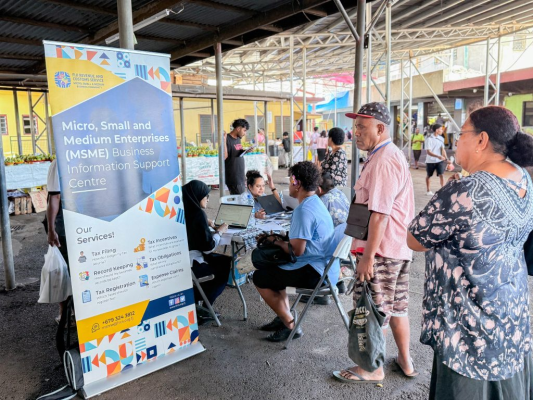
FRCS, through its Micro, Small and Medium Enterprises (MSME) Team, recently conducted an outreach visit to the Sigatoka Market to engage directly with produce suppliers, middlemen, and vendors. The initiative aimed to raise awareness and provide practical guidance on essential tax and compliance requirements.

During the visit, vendors received hands-on education on key areas including business registration, record keeping, filing obligations, and general tax processes. This proactive engagement underscores FRCS’s ongoing commitment to supporting small business operators by delivering services in a manner that is accessible, practical, and minimally disruptive to their daily operations.

By taking its services directly to the marketplace, FRCS ensured that vendors were able to receive compliance support without interrupting normal trading hours. This people-cantered approach not only strengthens vendor confidence but also promotes inclusivity and encourages sustainable and responsible business practices across Fiji’s marketplace economy.

FRCS remains committed to empowering micro, small, and medium enterprises with the knowledge and tools they need to succeed, while fostering a culture of compliance, transparency, and long-term economic resilience.

Last Updated - May 7, 2026

Fiji–UK Security Partnership Strengthened Through Advanced Border Equipment Handover

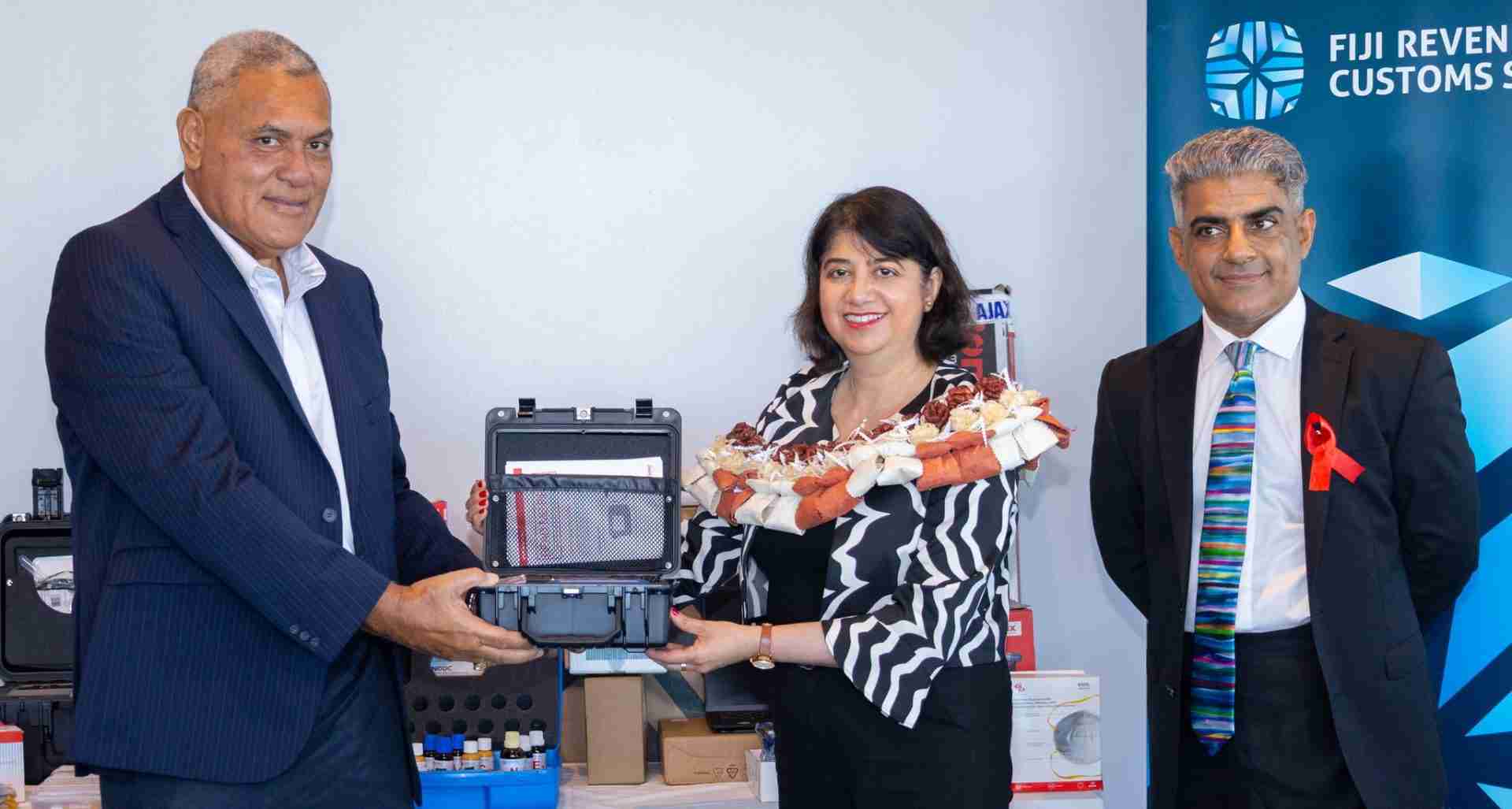
The Fiji Revenue and Customs Service (FRCS) welcomed the receipt of advanced border security equipment from the Government of the United Kingdom, marking a significant milestone in strengthening Fiji’s border control capabilities. The Right Honourable Seema Malhotra, Member of Parliament, and Minister of State for the Indo Pacific, formally handed over the equipment at the FRCS Headquarters in Suva to FRCS Board Director, Mr. Jitoko Tikolevu.

The donation includes state of the art handheld devices such as TruNarc analysers, 1064 First Defender instruments, and pocket drug testing kits. These tools will substantially enhance the operational effectiveness of FRCS frontline officers by enabling rapid, real-time detection and identification of high-risk substances. The technology will support efforts to detect, disrupt, and deter the smuggling of controlled drugs, including methamphetamine, cocaine, ketamine, MDMA, fentanyl, and other chemical precursors across Fiji’s borders.

The equipment represents a tangible outcome of the strong collaboration between FRCS and the Government of the United Kingdom, delivered in partnership with the United Nations Office on Drugs and Crime (UNODC). The support has been provided through the Passenger and Cargo Control Programme (PCCP), which integrates technical expertise with targeted donor assistance to strengthen frontline border operations.

Mr. Tikolevu expressed his sincere appreciation to the Government of the United Kingdom for its continued and strategic support, noting that the donation goes beyond the provision of equipment. He emphasized that it represents a long-term investment in Fiji’s border security capacity through intelligence led operations, advanced technology, and strengthened institutional capability.

FRCS also extends its gratitude to UNODC for its ongoing technical assistance, expertise, and steadfast partnership in supporting border control efforts across Fiji.

Last Updated - April 29, 2026

FRCS and UNODC Strengthen Collaboration on Waste Management and Border Control

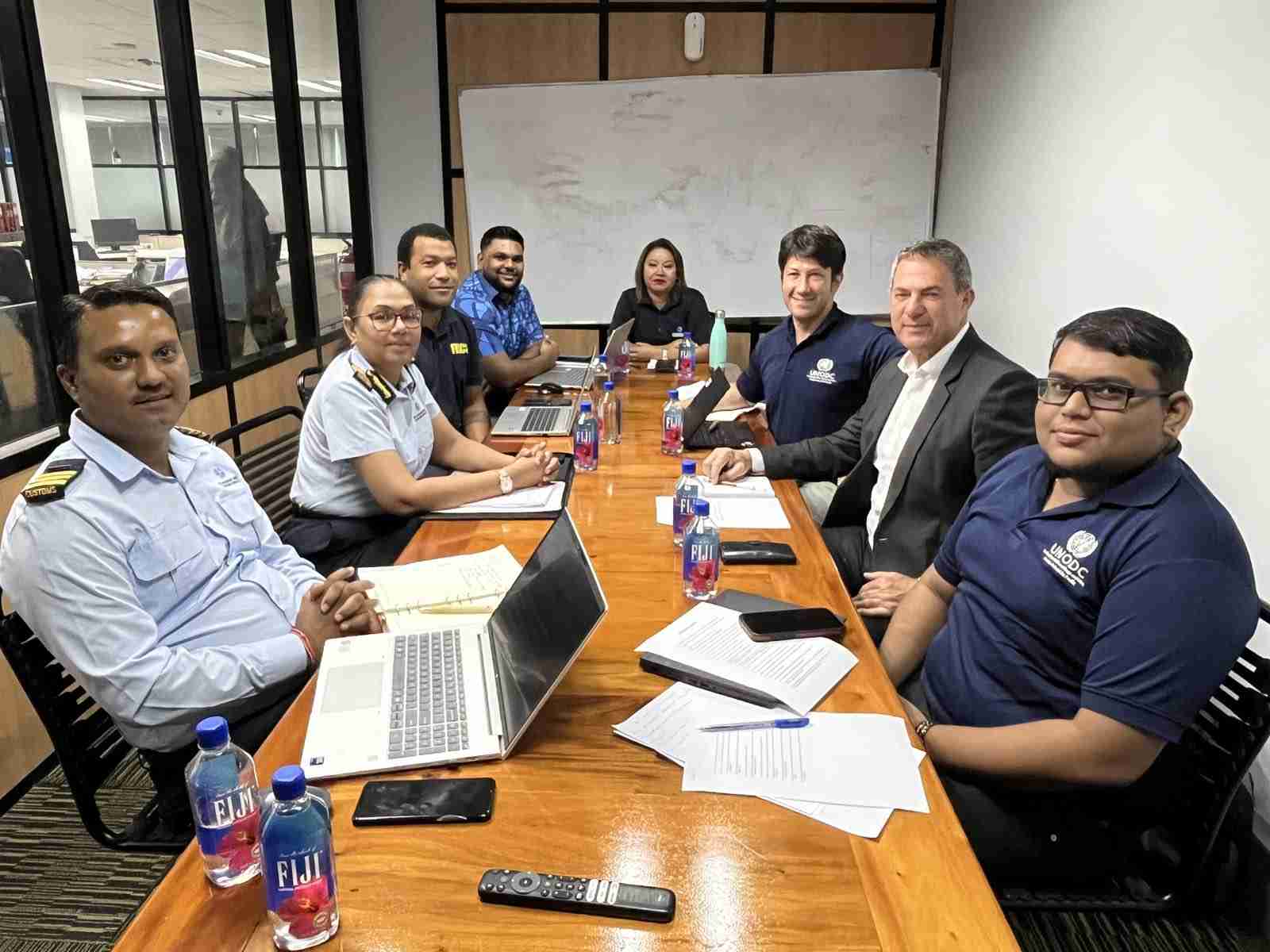
The Fiji Revenue and Customs Service (FRCS) last week hosted officials from the United Nations Office on Drugs and Crime (UNODC) under its Passenger and Cargo Control Programme (PCCP) as part of a technical mission focused on countering illegal hazardous waste trafficking.

The engagement brought together technical experts and frontline officers to assess current border control frameworks, identify operational gaps, and explore practical strategies to strengthen Fiji’s capacity in managing and monitoring hazardous waste movements across its borders.

Throughout the mission, FRCS provided strong institutional support, including facilitating high-level discussions, technical consultations, and coordinated port visits. These engagements enabled a comprehensive assessment of existing systems and reinforced the importance of intelligence-led, risk-based border management in addressing emerging environmental threats.

UNODC acknowledged the professionalism, cooperation, and technical contributions of FRCS officers, noting that their active participation significantly enhanced the quality and outcomes of the mission.

This collaboration reflects FRCS’s continued commitment to safeguarding Fiji’s borders and environment, while aligning with global efforts to combat transnational environmental crime. Strengthened partnerships such as this ensure that Fiji remains proactive in addressing complex challenges such as illegal hazardous waste trafficking, which poses serious risks to public health, ecosystems, and national security.

FRCS looks forward to building on this partnership with UNODC and advancing coordinated national and regional efforts to strengthen border controls, enhance information-sharing, and promote sustainable waste management practices across Fiji and the wider Pacific region.

Last Updated - May 7, 2026

FRCS Engages Fuel and Bus Operators to Mitigate Impact of Rising Fuel Costs

The Fiji Revenue and Customs Service (FRCS) last week convened a high-level consultation with key fuel suppliers and public transport operators to develop coordinated solutions aimed at easing the impact of rising fuel costs on the Fijian economy.

This engagement forms part of Government’s proactive response to global market disruptions arising from the ongoing geopolitical conflict, which continues to exert upward pressure on fuel prices internationally. Recognising the direct and indirect effects on businesses and households, FRCS is working collaboratively with industry stakeholders to identify practical, targeted interventions.

A central focus of the discussions was to safeguard the public transport sector as an immediate priority. Given its critical role in supporting daily mobility, employment access, and economic activity, stakeholders agreed that ensuring the sustainability of bus operators, without passing undue burden onto commuters, is essential.

The first phase of the proposed approach therefore centres on ensuring that public transport providers are not disproportionately affected by escalating fuel costs. This includes exploring mechanisms to stabilise operational costs and maintain fare affordability for the public.

These proposals have been deliberated in close consultation with the Ministry of Finance, ensuring alignment with broader fiscal policy and national economic priorities. The collaborative framework reflects a whole-of-government and whole-of-industry approach to managing external economic pressures.

FRCS Chief Executive Officer Mr. Udit Singh noted that: “This engagement underscores our commitment to working alongside industry to develop balanced, responsive solutions. In times of global uncertainty, strong partnerships and coordinated action are critical to protecting both economic stability and the welfare of our people.”

FRCS will continue to facilitate ongoing dialogue with stakeholders as further phases of the response are refined and implemented. Additional measures may be considered as global conditions evolve, with a continued focus on equity, sustainability, and economic resilience.

Last Updated - April 23, 2026

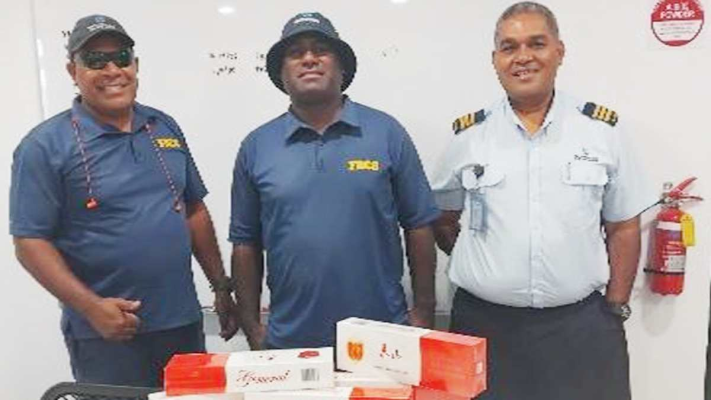
FRCS Foils Drug Smuggling Attempt, Seizes Five Kilograms of Methamphetamine

The Fiji Revenue and Customs Service (FRCS) has successfully intercepted approximately five (5) kilograms of methamphetamine at Nadi International Airport, demonstrating its steadfast resolve to combat transnational crime, secure Fiji’s borders, and protect the safety and well‑being of its communities. The accused has been charged and has made a court appearance. The matter remains before the court.

The detection was made through coordinated risk profiling, intelligence‑led targeting, and thorough examination processes undertaken by FRCS officers. This outcome reflects the strength of FRCS’s integrated border management approach, where multiple operational units work seamlessly together to identify and intercept high‑risk passengers and illicit goods.

The concealment method involved sophisticated attempts to evade detection; however, through vigilance, professionalism, and strict adherence to established procedures, officers were able to uncover the illicit substances concealed within passenger baggage.

The individual concerned, along with the seized substances, has been formally handed over to the Fiji Police Force, including the Criminal Investigations Department (CID) and forensic teams, for further investigation and legal proceedings.

FRCS Chief Executive Officer, Mr. Udit Singh, emphasized that the interception highlights the critical role Customs plays not only in revenue collection, but also as a frontline defense against transnational organized crime.

“This detection is a clear demonstration of FRCS’s operational readiness, capability, and commitment to protecting Fiji and the wider Pacific region from the devastating impacts of illicit drugs. Every interception of this scale prevents harmful substances from reaching our communities and saves countless lives,” Mr. Singh said.

Mr. Singh further acknowledged the importance of strong collaboration within FRCS and with partner border agencies, noting that such partnerships are essential to maintaining effective border security while facilitating legitimate trade and travel.

FRCS remains steadfast in its dual mandate of enabling economic growth while ensuring the security and integrity of Fiji’s borders. The Service will continue to strengthen its operational capabilities, partnerships, and intelligence frameworks to respond to evolving threats.

Members of the public are encouraged to support national efforts by remaining vigilant and reporting any suspicious activities to the relevant authorities.

Last Updated - April 23, 2026

FRCS Hosts National Trade Facilitation Committee Meeting to Advance Trade Reforms

The Fiji Revenue and Customs Service (FRCS) recently hosted a meeting of the National Trade Facilitation Committee (NTFC) at its Headquarters in Nasese, Suva.

The NTFC serves as Fiji’s national coordinating body responsible for planning, coordinating, and overseeing trade facilitation reforms, particularly in support of Fiji’s commitments under the World Trade Organisation (WTO) Trade Facilitation Agreement (TFA).

During the meeting, members received updates on the Time Release Study (TRS), including developments relating to postal sector processes. The Committee was also briefed on progress in the implementation of the National Single Window by the World Bank, as well as updates from FRCS on the establishment of the Project Management Unit (PMU).

Discussions further focused on priority areas moving forward, including the WTO e-commerce moratorium. Members considered recent developments, potential implications for Fiji, and strategic considerations informing Fiji’s position going forward.

Last Updated - April 23, 2026

A Story of Service Beyond the Counter: FRCS Ba Team Makes a Difference

At FRCS, we pride ourselves on going beyond transactions. We serve people, families, and communities. A recent experience at our Ba office beautifully reflects this commitment.

Recently, 63 year old Ilikini Ratavo arrived to renew his JOINT ID Card. Mr. Ratavo, who is elderly and visually impaired, had travelled all the way from Nadarivatu, a remote highland community more than 90 kilometres from Ba Town. The journey itself takes about 2.5 hours along steep, winding mountain roads which is a challenging trip even for the young and able-bodied.

Mr. Ratavo had brought his ID with him, but not his birth certificate, which is required for the renewal. When our team explained the requirement, he shared his concern that due to his disability and the long travel distance, he would not be able to return to Nadarivatu to retrieve the document. He urgently needed his JOINT ID Card for bank purposes, and going back home without it would cause further hardship.

Recognizing the situation, our Ba team immediately stepped into problem-solving mode. As Mr. Ratavo was on social welfare assistance, the team reached out to the Ministry of Social Welfare in Ba and Tavua. In the true spirit of partnership and community support, their officers promptly assisted and provided a copy of Mr. Ratavo’s birth certificate.

With the required documents in hand, our team successfully processed his JOINT ID Card renewal.

Mr. Ratavo left the office smiling, relieved, grateful, and empowered. This experience is a powerful reminder of what service means at FRCS. It is not just about meeting requirements but is about listening, understanding real-life challenges, and working together to make a difference.

The Ba team exemplified our values through:

 Collaboration

 Empathy

 Going the extra mile for our customers

Their actions ensured that one of our elderly citizens received not just a card, but dignity, support, and a positive experience. This is the FRCS spirit in action, Serving our community with heart.

#Service # FRCSNews #Partnership#ServiceWithSmile

Last Updated - April 16, 2026

Six Customs Officers Earn Boat Master Licenses Through UK-Funded Training

Six Customs Officers have successfully graduated with a Boat Master License (BML), a milestone achievement made possible through funding from the Government of the United Kingdom, facilitated via the United Nations Development Programme (UNDP). The training was delivered and certified by the Maritime Safety Authority of Fiji (MSAF).

The cohort included two female officers, marking an important step in empowering women in the maritime sector, an area traditionally dominated by men. Their participation reflects growing opportunities for women to take on specialized and leadership roles within Fiji’s maritime operations.

Honourable Pio Tikoduadua, Minister for Defence and Veteran’s Affairs, officiated as the chief guest at the graduation ceremony, commending the officers for their dedication and highlighting the importance of continuous upskilling in enhancing border security and maritime safety.

The Boat Master License programme strengthens Fiji’s capability at sea by providing officers with specialized knowledge in navigation, emergency response, vessel management, and maritime regulations. These competencies are critical for ensuring safe and effective operations, particularly as Customs officers play a key role in safeguarding Fiji’s borders.

FRCS acknowledged the strong partnership with UNDP, the Fiji Navy, Fiji Police Force, and MSAF, whose collaboration helped create a robust platform to equip officers with the skills and expertise required in an evolving maritime environment.

This initiative underscores Fiji’s ongoing commitment to strengthening maritime security while promoting professional growth and gender inclusivity within the sector.

#FRCS#BorderSecurity#maritimesecurity#ukinfiji

Last Updated - April 16, 2026

FRCS Honours the Strength and Leadership of Women on International Women’s Day

The Fiji Revenue and Customs Service (FRCS) proudly marked International Women’s Day by celebrating the remarkable contributions of women across the organisation.

CEO Udit Singh highlighted that the global occasion serves not only to honour progress already made, but also to remind us of the work that still lies ahead. Each year’s theme invites us to reflect on equity, inclusion, and opportunity. The values that shape resilient institutions and thriving communities.

“At FRCS, we are proud to have women leading at every level. Whether in customer service, audit, compliance, technology, policy, or executive leadership, women bring insight, empathy, and excellence to our organisation. Their contributions are fundamental to the quality of service we provide the people of Fiji,” Mr. Singh said.

He emphasised that International Women’s Day is also a time to reaffirm FRCS’s commitment to gender equality.

As an organisation, FRCS remains focused on:

 Creating a safe, respectful, and inclusive workplace

 Ensuring equal access to opportunities and leadership pathways

 Supporting the professional development of women at every career stage

 Strengthening diversity as a catalyst for innovation and organisational performance

“Achieving equality is not the responsibility of policy alone but each of us plays a role,” Mr. Singh added.

He encouraged staff to actively champion an inclusive culture by challenging bias, empowering women’s voices, fostering respect in every interaction, and mentoring emerging leaders.

“When we take these actions consistently, we move beyond symbolic recognition and create real, lasting impact.”

The celebration also featured inspiring keynote remarks from distinguished guests, including Deputy Head of Mission at the Australian High Commission Ms. Clair McNamara, Assistant Commissioner International Relations, Capacity Building and Transparency from the Australian Taxation Office Ms. Cathy Purcell, and Auditor General Ms. Finau Nagera.

Last Updated - March 30, 2026

Prime Minister of Fiji Officially Opens FRCS Lautoka Office, Reinforcing Commitment to Public Service Modernisation

The Prime Minister of the Republic of Fiji, the Hon. Sitiveni Ligamamada Rabuka, officially opened the Fiji Revenue and Customs Service (FRCS) Lautoka Office, marking a significant milestone in the Government’s ongoing efforts to strengthen public institutions and improve service delivery.

In his address, the Hon. Prime Minister said the opening of the Lautoka Office represented more than the commissioning of a modern facility. He described it as a deliberate and strategic Government investment aimed at strengthening public institutions to better serve the people of Fiji, support economic growth, and uphold the principles of good governance, accountability, and transparency.

“At its core, this initiative reflects our commitment to building a responsive, accessible, and people-centred public service—one that is capable of meeting the evolving needs of all Fijians,” the Prime Minister said.

The Prime Minister acknowledged the progress made by FRCS in recent years, particularly in strengthening compliance systems, enhancing audit capabilities, and modernising its operations. He noted that these reforms are critical not only to improving revenue performance, but also to reinforcing public confidence in Government institutions.

“This new FRCS Lautoka Office stands as a symbol of modern governance, inclusive service delivery, and our shared commitment to building a stronger and more resilient Fiji,” he said.

FRCS acknowledged and thanked the Turaga na Taukei Vidilo and the Turaga na Tui Vitogo for their guidance, support, and leadership during the traditional ceremony. Their participation and blessings added cultural significance and dignity to the official opening.

FRCS Board Chair, Mr. Malakai Naiyaga, thanked the Hon. Prime Minister and the Minister for Finance, Commerce and Business Development, Hon. Esrom Immanuel, for officiating at the opening. He said the Prime Minister’s presence sent a strong message to FRCS staff and the people of the Western Division about the importance of FRCS in nation-building and the Government’s continued support for the organisation’s mandate.

Mr. Naiyaga said the refurbished Lautoka Office reflects FRCS’s commitment to being a customer-centred and service-driven organisation. He noted that the modernised facility provides a professional and accessible environment designed to enhance service delivery for taxpayers and traders.

He highlighted that FRCS continues to perform strongly, with a positive outlook supported by resilient core revenue streams, strengthened compliance initiatives, enhanced audit and enforcement measures, data-driven risk targeting, and ongoing efforts to deepen taxpayer engagement.

“At FRCS, our role extends beyond revenue collection. We facilitate trade and play a critical role in border protection. Ultimately, our work supports the people and communities who drive Fiji’s prosperity, and we carry out these responsibilities with integrity, honesty, and accountability,” Mr. Naiyaga said.
Delivering the vote of thanks, FRCS Chief Executive Officer, Mr. Udit Singh, said the opening of the Lautoka Office symbolised collaboration, progress, and a shared commitment to better serving the people of Fiji.

“This facility will enhance operational efficiency, improve service delivery, and strengthen our engagement with the communities we serve,” Mr. Singh said.

Last Updated - March 30, 2026

FRCS Enhances Tax Compliance Awareness Through Targeted Radio Outreach

As the deadline for the lodgement of Annual Income Tax returns approaches, FRCS has intensified its public education efforts to reinforce understanding of taxpayer obligations and promote timely compliance.

Our team recently featured on several prominent FBC radio programs, including the Gold Focus, Domo-ni-Vanua, and Drishtikon. These sessions provided in-depth guidance on Personal Income Tax (PIT) return filing requirements and general compliance expectations.

During the discussions, the team outlined key information such as:

– What a PIT return is and who is required to file

– The due dates and filing process.

– Penalties for non-compliance, including late filing, late payment, and poor record keeping.

– Practical steps taxpayers can take to ensure they meet their obligations.

The PIT and Corporate Income Tax (CIT) Annual Returns for the financial year ending 31 December 2025 are due on 31 March 2026. FRCS strongly encourages taxpayers not to wait until the deadline, but to file their returns early. Individuals can verify their filing obligations via the Taxpayer Online Service (TPOS) by visiting: https://tpos.frcs.org.fj/taxpayerportal/.

The radio outreach also covered the mandatory Taxpayer Identification Number (TIN) requirement for mobile wallet accounts, providing clarity on the process and its importance.

FRCS remains committed to supporting taxpayers by providing clear, accessible information on various tax types, how they operate, and what is required to stay compliant. We also offer free tax education programs covering a wide range of tax and customs topics.

For further assistance, please contact us at 324 3000, 1326, or email info@frcs.org.fj. Our team is here to help you understand your obligations and take full advantage of available incentives.

Last Updated - March 5, 2026

FRCS Empowers Fiji’s Digital Entrepreneurs with Tax and Customs Training

FRCS is stepping up its support for the country’s fast growing digital economy with delivery of specialised tax and customs awareness sessions for online entrepreneurs, freelancers, content creators, and tech enabled businesses.

Led by the FRCS Education and MSME teams, the interactive sessions covered essential topics tailored to the needs of digital business operators, including:

• Understanding basic tax concepts.

• Tax registration requirements.

• Financial literacy fundamentals.

• Customs processes.

• Record keeping and interpreting financial statements.

Participants engaged in practical discussions designed to demystify compliance and strengthen financial confidence.

FRCS Senior Manager Education, Mr. Vilimone Nailotei, praised the enthusiasm of attendees, noting that Fiji’s digital sector continues to evolve rapidly and with that evolution comes changing tax responsibilities.

He emphasized that staying compliant is more than a requirement: it is a strategic advantage that builds trust, protects businesses from penalties, and positions them for new opportunities.

“Understanding your tax obligations is essential for sustainable growth and long term success,” Mr. Nailotei told participants.

“Ask questions, participate actively, and take away practical insights you can start using immediately.”

To support entrepreneurs at every stage, FRCS continues to offer free education programs, awareness sessions, and professional guidance on both tax and customs matters.

For more information or assistance, contact us on our toll-free number 1326 or email at info@frcs.org.fj.

Last Updated - March 5, 2026

FRCS Launches the National Time Release Study Report 2025 for Airfreight Clearance

The Fiji Revenue and Customs Service (FRCS) officially launched the National Time Release Study (TRS) Report 2025 for Airfreight Clearance on Friday, 27 February 2026, at its office in Votualevu, Nadi.

FRCS led a joint-agency TRS in collaboration with border agencies and industry stakeholders at Nadi Airport to measure the time required for the release and clearance of imported goods.

During the launch, FRCS Chief Executive Officer, Mr. Udit Singh, emphasized that the TRS is a critical tool enabling FRCS and other border agencies to identify and address bottlenecks within the trade facilitation process.

He noted that airport operations function on a 24/7 basis, making efficient clearance procedures essential for time‑sensitive goods such as pharmaceuticals, perishable items, and high‑value consignments. Given that airfreight is generally more costly than sea freight, Mr. Singh highlighted that any delay or inefficiency can significantly increase costs for both industries and consumers.

Mr. Singh stated that the findings of the TRS will guide efforts to streamline processes, reduce delays, and align national procedures with international best practices. He added that these improvements will not only boost competitiveness but also strengthen Fiji’s reputation as a reliable trading partner within the global supply chain.

“This initiative represents a vital step toward enhancing the effectiveness and efficiency of border procedures, while maintaining the integrity of trade control measures. The TRS will also play a major role in improving the Ease of Doing Business, particularly in the trading‑across‑borders indicator. With the TRS in place, industries will benefit from the standardization of trade processes in Fiji, aligned with international standards,” Mr. Singh said.

He expressed appreciation to the World Customs Organization (WCO) and the World Bank Group expert teams for their technical assistance throughout the TRS 2025 implementation. Their collaboration with the TRS Working Group has been instrumental in strengthening cross‑border procedures and creating a more conducive environment for trade.

Mr. Singh also acknowledged the commitment of the TRS Working Group members and the cooperation of key stakeholders, including the Biosecurity Authority of Fiji (BAF), Air Terminal Services (ATS), the Ministry of Health and Medical Services (MOHMS), and various industry groups that contributed to data collection across airports and airfreight clearance points.

He further noted that the successful implementation of the TRS recommendations will reinforce Fiji’s trade facilitation framework, reduce costs, and support the growth of industries nationwide.

Last Updated - March 1, 2026

FRCS Partners with Ministry of Justice to Strengthen Tax Education for Non-Profit Organisations

FRCS recently collaborated with the Ministry of Justice to deliver a dedicated capacity-building session for Non-Profit Organisations (NPOs) as part of the Ministry’s NPO Awareness Workshop. The session aimed to equip NPOs with a clear understanding of their tax responsibilities and ensure they meet their obligations correctly and confidently.

NPOs contribute significantly to Fiji’s social and community landscape, supporting areas such as education, religion, sports, welfare initiatives, and broader community development. While Fiji’s tax framework provides exemptions for certain NPO income to help maximise their social impact, it is important to note that business or property income earned by NPOs does not fall under these exemptions and remains taxable.

FRCS Senior Education Manager, Mr. Vilimone Nailotei, led an in-depth presentation covering key topics essential for the effective administration and compliance of NPOs, including:

· Legislative foundations and the definition of NPOs under the Income Tax Act 2015

· Registration for the Taxpayer Online Service (TPOS)

· Taxpayer Identification Number (TIN) registration for NPOs

· Registration requirements for various tax types

· Filing and payment processes

. Proper record-keeping practices.

· Tax implications specific to NPO operations.

· Detailed clarification on Charitable Institutions and measures to address compliance risks.

The session was highly interactive, with NPO representatives seeking clarification on various issues, including customer service processes and operational requirements. FRCS acknowledges the Ministry of Justice for the invitation and the opportunity to support NPOs in strengthening their governance and compliance capacity.

FRCS remains committed to providing ongoing guidance to organisations across all sectors. NPOs requiring further support or information are encouraged to contact us on our toll-free number 1326 or email info@frcs.org.fj.

Last Updated - March 1, 2026

FRCS Officially Opens New Ba Office, Marking a Milestone in Service Excellence

The Fiji Revenue and Customs Service (FRCS) was honoured to have the Minister for Finance, Commerce and Business Development, Hon. Esrom Immanuel, formally open its new Ba office located at FIFA Building, Level 1 (above Bank of South Pacific), Lot 1 & 2 Ganga Singh Street, Ba.

Hon. Immanuel described the opening as a significant milestone that underscores FRCS’s ongoing commitment to service excellence and national development.

“This evening’s opening is more than a physical upgrade. It represents the remarkable progress that FRCS has achieved in recent years. FRCS continues to modernise its systems, strengthen leadership capability, and enhance compliance frameworks, all with the goal of serving taxpayers more efficiently and fairly. These improvements reflect FRCS’s vision of becoming a transparent, responsive, and performance driven organisation,” the Hon. Minister stated.

He further highlighted that FRCS’s progress is also demonstrated on the global stage through Fiji’s recent removal from the European Union list of non-cooperative jurisdictions for tax purposes (EU Blacklist). This achievement followed extensive reforms led by FRCS in tax transparency, governance, and international compliance.

“I wish to acknowledge and thank the Fiji Revenue and Customs Service for the considerable work undertaken to reach this milestone. It required sustained technical expertise, discipline, and commitment over the past three years. This achievement is a strong endorsement of the organisation’s professionalism and integrity, and it reinforces global confidence in Fiji’s tax system. It shows that FRCS is not only enhancing service delivery at the community level, as seen here in Ba today, but also meeting the highest international standards,” he added.

FRCS Board Director, Mr. Jitoko Tikolevu, reaffirmed FRCS’s commitment to being a customer centric and service driven organisation, noting that this principle lies at the core of every strategic initiative.

Mr. Tikolevu emphasised that the new Ba office represents an investment in FRCS customers, staff, and the nation, reflecting the organisation’s dedication to delivering efficient, transparent, and high quality services to the people of Fiji.

FRCS Chief Executive Officer, Mr. Udit Singh, expressed gratitude to stakeholders, the business community, and the people of Ba and surrounding areas for their trust and continued partnership.

“The new Ba office is here to serve you better and to support economic growth and development within the region. This opening is not just about a new facility. It reflects teamwork, partnership, and a shared commitment to strengthening service to our nation,” he said.

Last Updated - March 1, 2026

Fiji Removed from European Union Blacklist Following Comprehensive Tax Reforms

The Fiji Revenue and Customs Service (FRCS) is pleased to announce that Fiji has officially been removed from the European Union list of non-cooperative jurisdictions for tax purposes (EU Blacklist).

Fiji was first placed on the EU blacklist in March 2019. Fiji was required to address issues related to tax transparency, fair taxation, and the implementation of Base Erosion Profit Shifting (BEPS) minimum standards. Over the last few years, FRCS has undertaken extensive legislative, policy, and institutional reforms to ensure Fiji is successfully removed from the EU Blacklist.

The removal from the EU blacklist restores confidence in Fiji’s tax framework, strengthens Fiji’s international reputation, and demonstrates the country’s commitment to global cooperation and responsible tax governance.

The Minister of Finance, Honourable Esrom Immanuel, stated that removal from the EU Blacklist enhances our international relationship, in particular with countries under the European Union Forum, as this will restore confidence with foreign investors, trading partners and major development partners. This will further enhance our free trade with European Union countries under the EU-Pacific Interim Economic Partnership Agreement.

During the submission of the FRCS 2021–2022 Annual Report to the Standing Committee on Foreign Affairs and Defence on 2 April 2025, the Chief Executive Officer made a commitment that Fiji will secure removal from the EU blacklist within 12 to 18 months. This commitment has now been honoured in 10 months.

The Chief Executive Officer, Mr. Udit Singh, stated that the work undertaken by the FRCS team for the removal of Fiji from the EU blacklist is commendable as it required extensive technical expertise, consistency, and commitment in achieving this important milestone for Fiji. Mr. Singh also expressed his sincere appreciation to the Government of Fiji, the Honourable Ministers for Finance, the Ministry of Finance team, and the Ministry of Foreign Affairs for their continued support and coordination throughout the reform process.

Mr. Singh also acknowledges the technical assistance and continued support provided by the Organisation for Economic Co-operation and Development in ensuring the implementation of required international tax standards for the benefit of the Fijian economy.

FRCS remains committed to maintaining compliance with international standards and will continue with reforms that maximise tax revenue collection, promote tax transparency, fairness, tax compliance and economic resilience.

Last Updated - March 1, 2026

FRCS Strengthens Tax Awareness Through Radio and Television Outreach

As part of our ongoing commitment to taxpayer education, the FRCS team continued its outreach on key tax issues through popular radio and television programs. Our representatives featured on FBC’s Domo-ni-Vanua and Drishtikon radio talk-back shows, as well as Fiji TV’s Nai Katalau and Na Ketekete Nei Nau.

These sessions covered a broad spectrum of important topics, including Value Added Tax (VAT), the VAT Monitoring System (VMS), Capital Gains Tax (CGT), Pay As You Earn (PAYE), and the critical importance of timely tax filing, payment, and compliance.

Regular appearances on radio and television remain a cornerstone of FRCS’s education and awareness initiatives. Our goal is to empower taxpayers with clear, practical information to help them understand different tax types, how they operate, and what is required to remain compliant.

The radio talk-back programs were highly interactive, with our team addressing questions from listeners in real time. This engagement underscores our commitment to transparency and accessibility.

FRCS also offers free tax education programs covering a wide range of tax and customs topics.

Take the next step toward compliance and confidence! If you have questions or need assistance, please contact us on 324 3000 or 1326, or email info@frcs.org.fj

Our team is here to help you understand your obligations and make the most of available incentives.

Last Updated - February 4, 2026

FRCS Officers and Key Partners Honoured with WCO Certificates of Merit for Exemplary Service

The Fiji Revenue and Customs Service (FRCS) proudly congratulates twenty of its officers and external stakeholders who have been awarded the prestigious World Customs Organization (WCO) Certificate of Merit during the 2026 International Customs Day celebrations.

The WCO Certificates of Merit recognise individuals and partners who embody the highest standards of Customs service, demonstrating vigilance, integrity, professionalism, and an unwavering commitment to safeguarding society.

FRCS Director Border and Customs, Ms. Shelini Kumar, while announcing the award recipients, emphasised that the honourees were selected not only for exceptional individual performance but for their collective leadership, impact, and strong partnerships across the broader border ecosystem.

She highlighted that the awardees were chosen through a rigorous, merit‑based process assessing demonstrated contributions to trade facilitation, border protection, and revenue integrity. These individuals consistently exceeded their core responsibilities, delivering meaningful outcomes grounded in service excellence.

Ms. Kumar noted that the recognitions include officers who have been instrumental in major interdictions, intelligence‑driven operations, and complex compliance and enforcement initiatives.

“Several recipients were honoured for their sustained excellence over many years, their adaptability across diverse operational settings, and their leadership under pressure. Others were acknowledged for their mentorship, teamwork, and willingness to step up in demanding situations to advance organisational objectives,” she said.

She further underscored the significance of recognising four external partners, noting that this reflects the reality that effective border security is a shared responsibility.

“These external awardees were selected for their outstanding collaboration with Customs—demonstrating proactive information sharing, operational support, and a steadfast commitment to joint enforcement outcomes. Their efforts have strengthened inter‑agency coordination, enhanced compliance systems, and contributed to successful operations that protect communities and safeguard national interests,” Ms. Kumar added.

The inclusion of external partners highlights the essential role of trust, collaboration, and shared accountability across the border management landscape. Together, the internal and external recipients exemplify the professionalism, partnership, and vigilance that modern Customs administrations require to address evolving challenges and risks.

FRCS warmly congratulates all award recipients and extends its deepest appreciation for their exemplary service and dedication.

The recipients includes: Emitai Cabealawa, Kolinio Rokosuka, Solomone Muakalou, Jai Prakash, Jonacani Tamanivalu, Joana Duabaubau, Rauwate Tadai, Selema Rokodurucoko, Lusiana Kunabuli, Poonam Singh, Tokasa Maiwaikatakata, Kelera Rauluni, Ravneel Ram, Deepak Kumar, Alipate Tukana, Mohammed Shahid, Lanieta Bainiua, Viliame Kanawale, Deepika Singh, Razik Khan.

Last Updated - January 29, 2026

FRCS Commemorates International Customs Day 2026

The Fiji Revenue and Customs Service (FRCS) marked the 2026 International Customs Day (ICD) with an official ceremony at its Headquarters in Nasese, officiated by the Minister for Finance, Commerce and Business Development, Hon. Esrom Yosef Immanuel. The Minister was honoured with a full traditional welcome by FRCS Customs officers.

Observed globally on 26 January, International Customs Day celebrates the essential role Customs administrations play in facilitating trade, securing borders, and protecting communities.

This year’s theme— “Customs: Protecting Society Through Vigilance and Commitment”—underscores the critical responsibility Customs officers hold in safeguarding citizens, ensuring secure and lawful trade, and responding proactively to emerging border threats.

Hon. Immanuel highlighted the significance of this year’s theme, noting that Customs operations have evolved far beyond revenue collection. “Customs today is undeniably a frontline guardian of society. Across the world, and here at home, Customs officers work at the intersection of border security and trade facilitation. Every container examined, every passenger screened, and every document verified represents a decision with national impact. Vigilance is not optional—it is the foundation of our work.”

He noted that increasingly complex global supply chains, expanding criminal networks, and emerging security threats have amplified the importance of Customs.

“Illicit drugs, prohibited weapons, counterfeit goods, environmental crimes, and transnational fraud seek to exploit border vulnerabilities. Customs is our first—and often last—line of defence,” Hon Immanuel. stated.

FRCS Board Chair, Mr. Malakai Naiyaga, reinforced the pivotal national role that Customs plays.

According to Mr. Naiyaga, from a governance perspective, Customs is one of Fiji’s most consequential public institutions. “The decisions made at our borders influence economic confidence, public safety, and the nation’s global reputation, “he stated.

He commended Customs officers for their professionalism and integrity: “Our officers consistently balance firmness with fairness, ensuring enforcement while enabling legitimate trade. Their work protects communities and supports Fiji’s broader development ambitions.”

Mr. Naiyaga also emphasized that effective border management demands strong partnerships across government agencies, private-sector stakeholders, regional counterparts, and the international community.

“These partnerships are essential. Risks today are shared, and so too must be our solutions. We thank all our partner agencies—local and international—for their continued support.”

He also acknowledged the commitment of FRCS leadership and staff navigating an environment of rapid change and evolving challenges. “Progress requires vision, discipline, and a willingness to adapt while holding firm to core principles. That balance is not easy, but it is being pursued with purpose.”

Addressing Customs officers directly, he added: “Your work matters. Your professionalism matters. Above all, your integrity matters. The nation is safer, stronger, and more resilient because of your commitment.”

During the ceremony, twenty FRCS officers and stakeholders were recognised with the World Customs Organization (WCO) Certificate of Merit for their contribution to trade facilitation, border protection, and revenue integrity.

FRCS also introduced the Yacht Management System (YMS) as part of its broader digital transformation agenda.

FRCS Chief Executive Officer, Mr. Udit Singh, noted the global shift toward digital, paperless Customs environments.

“Around the world, Customs administrations are moving decisively toward paperless processes, Single Window systems, and intelligence-led border management—not as optional reforms, but as necessities. Fiji is equally committed to this transformation.”

Introducing the YMS, Mr. Singh highlighted its significance: “The Yacht Management System marks a shift from manual, fragmented processes to a digital, integrated, and risk-based approach. It supports Single Window processing, reduces duplication, and enhances information-sharing across agencies.”

He added that digitisation enables Customs officers to prioritise risk-based interventions.

“By reducing paper-based processing, we improve efficiency, lower costs for government and industry, and allow our officers to focus on intelligence-driven decision-making. As yacht movements increase, this system ensures Customs remains agile, cost‑effective, and secure.”

The YMS reflects FRCS’s commitment to smart regulation, balancing facilitation of legitimate trade with strengthened border security.

Last Updated - February 3, 2026

FRCS Strengthens Collaboration Through Successful Customs Brokers Forum

The Fiji Revenue and Customs Service (FRCS) successfully convened a Customs Brokers Forum aimed at updating brokers on key developments in Customs operations, including advance registration of cargo manifests, customs trade analysis, trade standards, the penalty matrix, and other critical regulatory matters.

Customs brokers remain essential partners of FRCS, playing a pivotal role in ensuring that Fiji’s import–export processes function efficiently, transparently, and in full compliance with national laws.

In welcoming participants, FRCS Chief Executive Officer Mr. Udit Singh emphasized the importance of partnership in achieving national economic goals.

“Today, we stand together as partners in a shared mission to facilitate legitimate trade, safeguard our borders, and strengthen the economic prosperity of our nation,” he stated.

Mr. Singh reaffirmed the indispensable contribution of customs brokers, freight forwarders, and authorized clerks, acknowledging them as frontline professionals who uphold the integrity of Fiji’s trade systems.

He highlighted that their diligence not only supports businesses but also reinforces the trust of communities and international trading partners.

Mr. Singh further noted that FRCS’s success is closely linked to its collaboration with industry stakeholders.

“We cannot achieve our mandate in isolation. Collaboration, dialogue, and partnership are essential to building a customs environment that is fair, efficient, and responsive to global trade demands,” he said.

Mr. Singh reiterated FRCS’s commitment to transparency, accountability, service excellence, and continued digital transformation, emphasizing that modernisation efforts are vital to strengthening border protection and enhancing Fiji’s competitiveness.

He thanked the brokers for their professionalism and ongoing support, acknowledging that their active engagement would help shape improvements and innovations in customs processes for the benefit of both trade and society.

The President of the Customs Brokers and Forwarders Council of Fiji (CBFCF), Mr. Ruwel Lal , expressed appreciation to FRCS for hosting the forum and recognizing the value of collaboration between regulators and industry professionals.

He stated that the combined efforts of FRCS and customs brokers are building a stronger, more transparent, and more efficient trade environment for Fiji.

Mr. Lal emphasized the critical responsibility brokers carry as trusted intermediaries in the global supply chain, noting that their work extends well beyond documentation.

He encouraged members to uphold the highest standards of professionalism, transparency, and accountability while embracing innovation, automation, and digital transformation to keep pace with international trade developments.

The forum concluded with an interactive session, allowing participants to ask questions, provide feedback, and share ideas.

FRCS reiterated its commitment to learning from the insights of customs brokers and strengthening this longstanding partnership as part of its commitment to continuous improvement and stakeholder engagement.

Last Updated - February 3, 2026

FRCS Warns Public on Illegal Importation of Vape Products

The Fiji Revenue and Customs Service (FRCS) wishes to advise the general public that investigations are currently underway into the importation of vape products that have entered the country without the required permits.

FRCS has observed a significant increase in online advertisements promoting the sale of vape products. The public is reminded that the importation of vape products for commercial purposes requires an official permit issued by the Ministry of Health and Medical Services (MOHMS). Any vape products imported without the necessary permits will be confiscated by FRCS.

In a recent case, FRCS detected a consignment that was not only imported without a valid permit but also declared an incorrect quantity compared to what was actually imported. Any attempt to smuggle vape products or provide false or misleading information constitutes a serious offence and will result in forfeiture and further regulatory action.

FRCS strongly advises all individuals and businesses intending to import vape products to consult with the Ministry of Health and Medical Services to ensure full compliance with the relevant importation requirements.

Last Updated - February 3, 2026
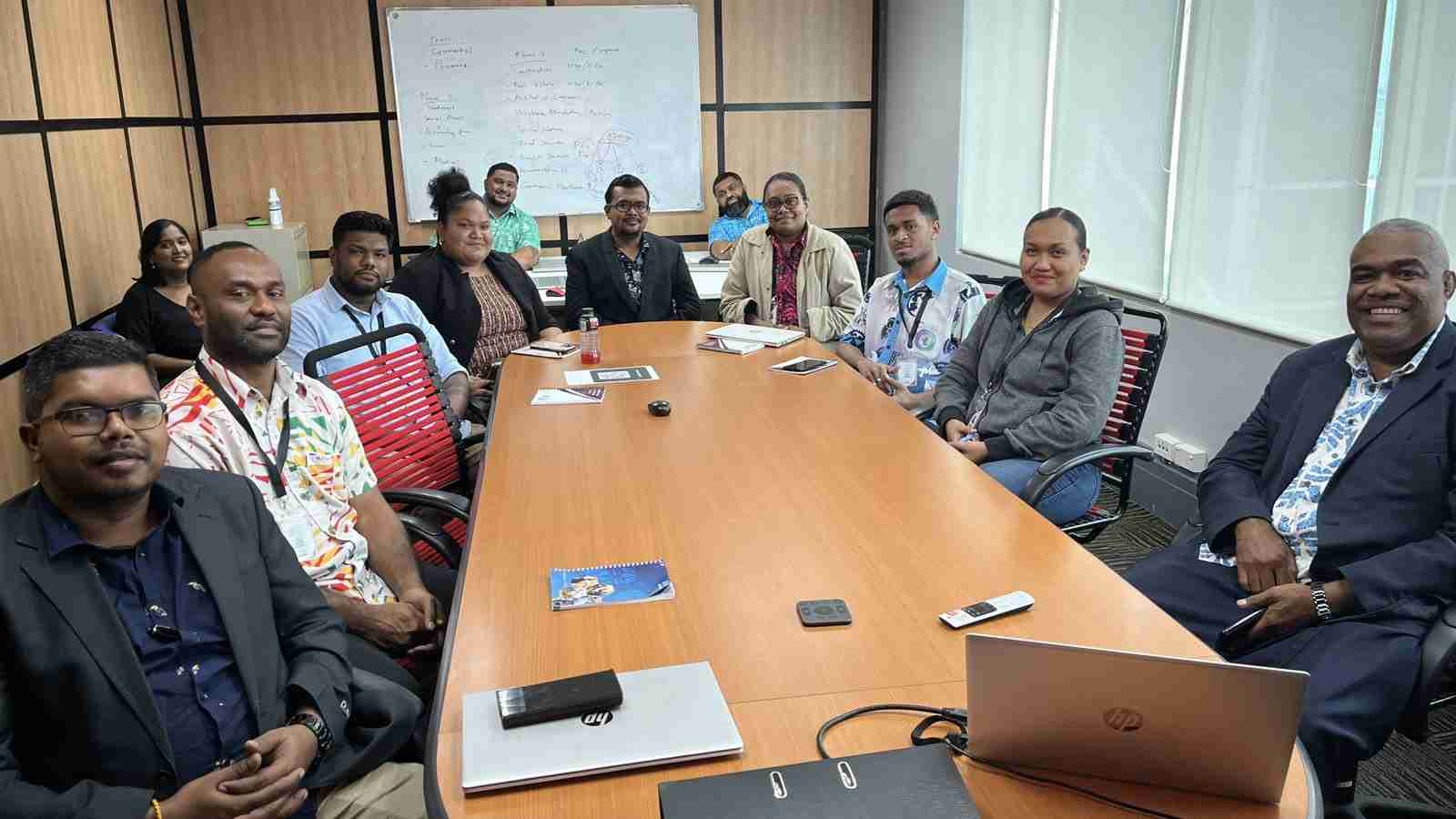
Fiji Signs Multilateral Convention on Mutual Administrative Assistance in Tax Matters (MAAC) to Tackle Tax Evasion and Avoidance

At a signing ceremony held in Paris on Thursday, 15 January 2026, the Minister for Finance, Commerce and Business Development, Honourable Esrom Immanuel, signed the Multilateral Convention on Mutual Administrative Assistance in Tax Matters (MAAC), underscoring Fiji’s strong commitment to tax transparency and effective international cooperation. With this milestone achievement, Fiji becomes the 152nd jurisdiction to join the MAAC. 

The MAAC is the world’s most comprehensive multilateral instrument for tax cooperation. It enables jurisdictions to exchange information on request, spontaneously and automatically, as well as to conduct simultaneous tax examinations and provide assistance in tax recovery.

Speaking at the signing ceremony, the Minister for Finance stated:

“This Convention is a landmark instrument that will bring significant benefits to Fiji, strengthening our cooperation with the international community and advancing our commitment to transparency and fairness. It is also a significant step towards Fiji’s removal from the European Union list of non‑cooperative jurisdictions (EU Blacklist), which will enhance our international standing and economic partnerships.”

Following the signing of the MAAC, Fiji will undertake its required domestic procedures to formally become a Party to the MAAC. Once Fiji becomes a party to the MAAC, it will provide a single legal instrument for the exchange of information with the other 151 jurisdictions, including all major financial centers.

Fiji has already committed to successfully implement the Automatic Exchange of Financial Account Information (AEOI). This will be supported by legislative reforms and confidentiality assessments.

Chief Executive Officer of the Fiji Revenue and Customs Service (FRCS), Mr. Udit Singh, added:

“Joining the MAAC is a significant achievement for Fiji. It provides us with the legal foundation to implement AEOI and Exchange of Information on Request (EOIR) to effectively address tax evasion and avoidance.

Fiji remains fully committed to international standards of tax transparency and to strengthening global cooperation. Fiji is determined to contribute meaningfully to the work of the Global Forum and to the shared goal of a fair, transparent and cooperative international tax system. Importantly, this milestone also represents a decisive step toward Fiji’s removal from the EU Blacklist.

FRCS will continue to work closely with the Global Forum Secretariat and with other international partners to ensure the successful implementation of the required international standards, to improve compliance and to add more dollars to Fiji’s tax revenue.”

Last Updated - February 3, 2026

Fiji and New Zealand Commence Review of Double Taxation Agreement (DTA)

The Fiji Revenue and Customs Service (FRCS) is pleased to announce the commencement of the first round of negotiations with the New Zealand Inland Revenue Department (NZ IRD) to review the Double Taxation Agreement (DTA) between Fiji and New Zealand. The discussions are being held in Wellington from 8–12 December 2025.

The Fiji delegation is led by FRCS Chief Executive Officer, Mr. Udit Singh, accompanied by senior members of FRCS Management.

The negotiation was formally opened by New Zealand’s Commissioner of Inland Revenue, Mr. Peter Mersi, and began with a traditional Māori ceremony underscoring the strong and respectful partnership between the two countries. The New Zealand delegation is led by Ms. Carmel Peters, Strategic Policy Advisor at NZ IRD.

The current DTA was first signed on 27 October 1976 and amended in 1986 and 1994. This comprehensive review, the first since those changes presents a timely opportunity to modernise the agreement in line with current international tax practices and ensure fair and transparent tax outcomes for both jurisdictions.

New Zealand remains one of Fiji’s most important economic partners, with strong cooperation in trade, investment, labour mobility, and tourism. Strengthening tax treaty arrangements plays a vital role in improving investor confidence and supporting sustainable economic growth. This review also reinforces the Fiji–NZ Duavata Partnership, which reflects the shared vision of both nations to deepen collaboration across economic, social, and cultural spheres.

FRCS CEO Mr. Udit Singh said that Fiji values its strong and longstanding partnership with New Zealand, adding that this review reflects the shared commitment of both countries to ensuring a modern and fair tax treaty framework that supports business activity and safeguards the interests of our people. The Duavata Partnership provides an important foundation for these negotiations, highlighting mutual trust and cooperation as we work towards a future-ready agreement.

FRCS looks forward to productive discussions throughout this week and continued collaboration with New Zealand into 2026 as both countries work towards a modernised and mutually beneficial DTA.


Last Updated - February 4, 2026

FRCS Connects Beqa Island to Tax and Compliance Services

In a significant effort to improve access to essential government services for remote communities, the Civil Registration and Vital Statistics (CRVS) team led a multi-agency outreach program to Beqa Island in Fiji’s Central Division. The initiative brought together key stakeholders, including the Fiji Revenue and Customs Service (FRCS), Births, Deaths & Marriages, Ministry of Health and Medical Services, Ministry of Immigration, Ministry of iTaukei Affairs, and other partners, to deliver a comprehensive range of services directly to residents.

The outreach aimed to bridge service gaps and promoted economic inclusion by making critical services accessible without the need for costly travel to urban centers. FRCS played a central role in this initiative by providing Taxpayer Identification Number (TIN) registrations, supporting the issuance of Joint ID cards, and offering business registration and advisory services. These efforts helped individuals understand their tax obligations, guided entrepreneurs on compliance and record-keeping, and highlighted the benefits of joining the formal economy, such as access to government support and financial services.

Represented by Laisa Draunibaka and Eremasi Lolo, FRCS also collaborated with partner agencies to ensure accurate TIN verification during Joint ID card issuance. In addition, the team conducted interactive awareness sessions on taxation and its role in national development, addressing community questions and fostering trust in government processes. By empowering residents with knowledge and resources, FRCS reinforced its commitment to financial inclusion and sustainable economic growth.

This outreach not only streamlined access to essential services but also strengthened community confidence in government institutions. By bringing tax and compliance services closer to remote communities, FRCS and its partners are helping build a foundation for inclusive development. The initiative underscores the government’s commitment to ensuring that no community is left behind, regardless of geographic challenges.


Last Updated - February 4, 2026

Fiji Champions Regional Trade Modernization: A Bold Step Toward a Digitally Connected Pacific

In an era where global competitiveness hinges on speed, transparency, and innovation, Fiji is leading the charge to transform trade facilitation across the Pacific. By hosting the World Bank Group’s landmark workshop in Nadi, Fiji reaffirmed its commitment through the Fiji Revenue and Customs Service (FRCS) to spearhead digital solutions that will redefine how Pacific nations engage in international trade.

From November 25–26, 2025, the World Bank Group (WBG) convened a pivotal regional workshop under the theme “Accelerating Trade Facilitation in the Pacific.” This gathering marked a significant milestone in the region’s journey toward modernizing trade processes through the implementation of the National Single Window (NSW) Project, a World Bank–financed initiative designed to streamline trade documentation and clearance across borders.

The workshop convened delegations from six Pacific nations actively engaged in the NSW project: Fiji, Kiribati, Solomon Islands, Tonga, Tuvalu, and Vanuatu. Each country was represented by senior officials from Customs Administrations, Biosecurity agencies, and Trade departments, ensuring a holistic approach to trade facilitation. This diverse participation highlighted the critical role of cross-sectoral collaboration in building a unified digital trade ecosystem for the Pacific.

At the heart of the discussions was the National Single Window (NSW) Project, a transformative, World Bank, financed initiative aimed at streamlining trade documentation and clearance procedures. By digitizing border processes, the NSW will enable faster, more transparent, and cost-effective trade, positioning Pacific economies for greater competitiveness in global markets.

Key Themes and Strategic Priorities

Over two intensive days, participants explored the foundational pillars for successful NSW implementation, including:

  • Shared Vision and Strategic Direction – Establishing a regional roadmap to enhance efficiency, transparency, and competitiveness.
  • Governance Framework – Defining institutional roles and oversight mechanisms for accountability and sustainability.
  • Financial Model – Developing cost-sharing strategies and ensuring long-term viability.
  • Operational Design – Crafting workflows and technical integration for seamless trade processes.
  • Legal Harmonization – Aligning national legislation to provide a robust legal foundation for NSW operations.

These discussions reinforced the complexity and significance of digitizing border procedures which is a  bold step toward modernizing trade in the Pacific.

Outcomes and Regional Impact

The workshop delivered tangible outcomes:

  • Regional Alignment on NSW vision and governance.
  • Knowledge Sharing among countries, fostering mutual learning and best practices.
  • Foundation for Harmonization of systems and processes to reduce costs, improve transparency, and accelerate trade.

For small island economies, trade facilitation is more than a technical upgrade. It is a strategic imperative for economic growth, resilience, and global integration. By embracing the NSW framework, Pacific nations are unlocking new opportunities for investment, strengthening compliance with international standards, and advancing sustainable development.

Fiji and FRCS at the Forefront

Hosting this workshop in Fiji reflects the country’s pivotal role in shaping the future of Pacific trade. FRCS’s leadership and commitment to modernization signal a strong national and regional resolve to build a more connected, efficient, and competitive trade environment.

The World Bank Group’s initiative was not merely a technical consultation, but it was a regional pledge to cooperation and progress. As Fiji and its Pacific partners move forward with NSW implementation, the partnerships and insights forged in Nadi will serve as a cornerstone for a digitally empowered Pacific economy.

Last Updated - February 4, 2026

FRCS Strengthens Stakeholder Engagement with Gold Card Awareness Session in Nadi

FRCS recently hosted an interactive awareness session for our esteemed Gold Card members in Nadi.
 
The session provided valuable insights into key developments, including the 2025/2026 Budget Policy and the VAT Monitoring System (VMS), initiatives designed to strengthen compliance and enhance service delivery.
 
This engagement reflects our unwavering commitment to fostering transparency, building trust, and working collaboratively with stakeholders. By creating these platforms for dialogue, we aim to deliver exceptional service and drive positive outcomes for businesses and the wider community.
 
Together, we continue to shape a stronger partnership that supports growth and sustainability across Fiji.

Last Updated - February 4, 2026

FRCS Hosts 4th National Trade Facilitation Committee Meeting to Advance Fiji’s Trade Reforms

The Fiji Revenue and Customs Service (FRCS) successfully hosted the fourth meeting of the National Trade Facilitation Committee (NTFC) at its headquarters in Suva this week, reaffirming Fiji’s drive toward a more modern, efficient, and predictable trading environment.

Established in 2017 under Article 23.2 of the World Trade Organization (WTO) Trade Facilitation Agreement (TFA), the NTFC brings together government agencies and private-sector partners to coordinate and implement reforms that simplify cross-border trade. The Committee is co-chaired by FRCS and the Customs Brokers and Freight Forwarders Association — a structure that ensures national reforms are shaped through genuine public-private collaboration.

FRCS Chief Executive Officer, Mr. Udit Singh, highlighted the importance of Fiji’s commitment to the TFA, describing it as a foundation for reducing trade costs and strengthening transparency.

“The TFA focuses on simplifying, modernizing, and harmonizing export and import procedures. For Fiji, this translates to reduced red tape, faster clearance times, and improved predictability. These are benefits that directly support our business community, especially MSMEs,” Mr. Singh said.

He noted that coordinated border management, risk-based controls, and digital transformation — including the National Trade Portal and the upcoming National Single Window — are central to Fiji’s reform efforts. These initiatives enhance transparency and consistency, ultimately boosting investor confidence and improving Fiji’s competitiveness in regional and global markets.

Mr. Singh further emphasized that the NTFC’s work is aligned with Fiji’s National Development Plan, which prioritizes streamlined and modernized trade processes.

“Whether through digitalization, process re-engineering, or better inter-agency coordination, our reforms are guided by national priorities and the needs of our private-sector partners,” he added.

The NTFC also contributes to the regional Trade Facilitation Strategy endorsed by Pacific Island Leaders, underscoring that efficient and transparent trade processes are essential for regional resilience, cooperation, and economic growth. Fiji’s progress, therefore, carries benefits beyond national borders.

Recognizing the vital role of private-sector engagement, Mr. Singh reaffirmed that trade facilitation is a shared responsibility.

“Real transformation happens when government and industry work hand in hand. Our co-chairmanship model is proof that Fiji’s trade reform agenda is being driven collaboratively, inclusively, and with a shared sense of purpose,” he concluded.

#FRCS #NationalTradeFacilitationCommittee #NTFC #TradeFacilitation #WTO #TradeReforms #TFA #CrossBorderTrade #FijiEconomy #EaseOfDoingBusiness #ModernizingTrade #DigitalTransformation #NationalSingleWindow #NationalTradePortal #RiskBasedControls #CustomsReform #CoordinatedBorderManagement #PublicPrivatePartnership #TradeEfficiency #MSMEs #FijiBusiness #InvestorConfidence #RegionalIntegration #PacificTrade #EconomicGrowth #TradeTransparency #CustomsBrokers #FreightForwarders #FijiGovernment

Last Updated - November 28, 2025

FRCS Reminds the public and businesses of TIN requirements for mobile wallet accounts

The Fiji Revenue and Customs Service (FRCS) wishes to remind all individuals and businesses of the new requirements relating to Mobile Wallet (e-wallet) accounts, as announced in the 2025–2026 National Budget Promulgation.

Mandatory TIN Requirement for All Individuals and Businesses

A valid Taxpayer Identification Number (TIN) is now a mandatory requirement when registering for a Mobile Wallet account. FRCS strongly encourages all individuals and businesses to ensure they have a valid TIN and to update their details with their respective e-wallet service providers well in advance of the deadline.

The deadline to register and update e-wallet accounts with the TIN is 31 December 2025.

Additional Requirement for Businesses

In addition to the general TIN requirement, all businesses must maintain a separate e-wallet account exclusively for business transactions. Businesses are urged to ensure that these accounts are correctly registered with a valid TIN and used solely for business purposes.

Under the new provisions of the Tax Administration Act, non-compliance may attract a fine not exceeding $25,000 or imprisonment for a term not exceeding 10 years, or both.

Non-compliance may also lead to a suspension of services from the e-wallet service providers.

Implementation Support

FRCS continues to work closely with all licensed e-wallet service providers to facilitate the smooth rollout of these requirements. FRCS strongly encourages individuals and businesses to take timely action to avoid service disruptions and potential penalties.

FRCS thanks all taxpayers for their cooperation in supporting national efforts to enhance financial transparency and compliance.

For further information and assistance, please contact us on our toll-free line 1326 or 3243000 or email at info@frcs.org.fj.

Last Updated - November 28, 2025

FRCS Facilitates Dialogue with Indian Delegation on Trade Opportunities

We were delighted to host Mr. Pradeep Menon, Second Secretary (Consular & Commerce) at the High Commission of India, who visited alongside a distinguished business delegation organized by the Trade Promotion Council of India (TPCI).

The delegation comprised leading Indian Food and Beverage (F&B) enterprises specializing in food processing, packaging, and allied technologies, all seeking opportunities to introduce their products to the Fijian market.

During the visit, FRCS Chief Executive Officer, Mr. Udit Singh, together with the Customs leadership team, provided a comprehensive briefing on the necessary permits, documentation, and customs procedures required for market entry. This engagement reaffirmed FRCS’s commitment to facilitating legitimate trade while safeguarding border integrity.

FRCS looks forward to strengthening collaboration with the High Commission of India and the Trade Promotion Council of India (TPCI) to enhance trade cooperation and foster high-value commercial partnerships between our two nations.

Last Updated - November 28, 2025

FRCS and Australian Border Force (ABF) Deepen Strategic Border Security Partnership

FRCS was pleased to host the ABF–FRCS Quarterly Meeting, reaffirming a strong and enduring partnership with the Australian Border Force, one that continues to elevate Fiji’s border security, enforcement capability, and trade facilitation standards.

The meeting featured a comprehensive dialogue covering key priorities such as progress under the ABF–FRCS Joint Work Program, the review of the existing Memorandum of Understanding, updates on the Container Examination Facility project, support on the gifting of vessels to strengthen maritime readiness, enhancement of integrity frameworks, ongoing capacity-building initiatives, and updates on BMS/PNR/API systems that underpin modern passenger screening and risk management.

FRCS emphasised that it deeply values this strategic partnership, acknowledging ABF as a trusted and long-standing ally in advancing border modernisation, intelligence-driven operations, and capability uplift across Fiji’s frontlines. Through consistent engagement and shared commitment, both agencies remain aligned in strengthening border resilience, combating transnational risks, and ensuring secure, efficient, and compliant trade and travel flows.

FRCS looks forward to continued collaboration as both agencies work together to safeguard Fiji’s national interests and enhance the collective security of our region.

Last Updated - November 28, 2025

FRCS Intercepts Undeclared Imports During Inspection at a Commercial Site in Vatukoula

The Fiji Revenue and Customs Service (FRCS) has successfully intercepted a consignment containing undeclared items during a scheduled inspection at a commercial facility in Vatukoula. The goods comprised a mix of industrial components, primarily associated with heavy-duty operations, and consumer products, including packaged food and tobacco.

This incident represents a clear contravention of Section 137(a) of the Customs Act, which prohibits the importation of dutiable goods that are not declared or documented in official import records.

Among the items seized were cigarettes, which are classified as high-revenue goods due to their significant duty rates.  Undeclared goods or smuggling contribute to revenue leakage, undermining the lawful collection of duties that support essential public services and national development initiatives.

FRCS enforcement personnel remain vigilant in their efforts to detect and disrupt illicit importation activities. The Customs team continues to strengthen our border control mechanisms to ensure full compliance with customs legislation and to protect government revenue.

Travellers, shipping agents, and all stakeholders involved in the movement of goods are reminded of their legal obligation to make accurate and complete declarations upon arrival. Failure to comply will result in enforcement action, including penalties and possible prosecution under the relevant laws.

FRCS Chief Executive Officer, Mr. Udit Singh, stated that this operation underscores the vital role FRCS plays in securing Fiji’s borders and preserving the integrity of our revenue system.

“The unlawful importation of goods not only deprives the nation of essential funds needed for development but also disadvantages compliant businesses and individuals. We remain resolute in our enforcement efforts and will continue to implement robust measures to uphold transparency, fairness, and full compliance across all entry points,” Mr. Singh said.

FRCS remains committed to maintaining the highest standards of operational integrity and ensuring that all imports are processed in accordance with national laws and international best practices.

Last Updated - November 28, 2025

UK High Commissioner Pays Courtesy Visit to FRCS

The United Kingdom High Commissioner to Fiji, His Excellency Mr. Kanbar Hossein-Bor, paid a courtesy visit to the Fiji Revenue and Customs Service (FRCS), where he met with Chief Executive Officer Mr. Udit Singh and members of the FRCS Executive Leadership Team.

The visit provided an opportunity for a constructive exchange on shared priorities, particularly in the areas of border security, enforcement capability, trade facilitation, and institutional strengthening. Discussions explored avenues to further enhance cooperation between FRCS and the British High Commission, noting the long-standing relationship and the value of continued technical partnership.

FRCS conveyed its deep appreciation for the support provided by the United Kingdom through the United Nations Office on Drugs and Crime (UNODC) and other collaborative programs aimed at building capacity across Fiji’s border ecosystem. This assistance has contributed to strengthening Fiji’s risk-management systems, intelligence-led operations, and compliance frameworks, ensuring that FRCS remains aligned with international best practices.

The CEO reaffirmed FRCS’s commitment to strengthening partnerships with like-minded countries and development partners, highlighting that sustained cooperation is essential to tackling emerging border risks, improving operational readiness, and supporting Fiji’s long-term economic resilience.

The courtesy visit concluded with both parties expressing confidence in the continued growth of the FRCS–UK partnership and the mutual pursuit of stronger, more secure borders for the benefit of Fiji and the region.


Last Updated - November 28, 2025

Strengthening Fiji’s International Tax Cooperation through Exchange of Information (EOI) and Tax Transparency Training

The Fiji Revenue and Customs Service (FRCS) recently conducted two sessions of EOI training for more than 40 FRCS officials across key divisions, including Auditors, Audit Managers, Transfer Pricing Specialists, Legal Officers, Objection Auditors and Risk Profilers. The training was held from 28–31 October and 10–12 November 2025 in Suva.

Exchange of information (EOI) is the cross‑border sharing of information for tax purposes between tax administrations to detect and prevent tax evasion, to ensure the correct application of a jurisdiction’s domestic tax legislation and the provisions of an international bilateral (e.g. DTA) or multilateral tax agreement (e.g. Multilateral Convention on Mutual Administrative Assistance in Tax Matters or the MAAC) providing for reciprocal assistance in tax matters in effect in Fiji and to foster domestic tax compliance.

We extend our sincere appreciation to the Global Forum team, as the two trainers who conducted these sessions are part of the Train the Trainer program. The Train-the-Trainer program equipped the trainers with the necessary knowledge and skills on EOI to effectively deliver this training to the FRCS officials. Through the EOI training sessions, tax officials gained a deeper understanding of key elements of EOI, including the principle of foreseeable relevance, the importance of confidentiality, the concept of beneficial ownership, and the practical steps involved in drafting an effective EOI request.

This training marks another important step in building Fiji’s capacity to meet international standards and foster transparency in cross-border taxation.


Last Updated - November 28, 2025

FRCS Hosts 4th National Trade Facilitation Committee Meeting to Advance Fiji’s Trade Reforms

The Fiji Revenue and Customs Service (FRCS) successfully hosted the fourth meeting of the National Trade Facilitation Committee (NTFC) at its headquarters in Suva this week, reaffirming Fiji’s drive toward a more modern, efficient, and predictable trading environment.


Established in 2017 under Article 23.2 of the World Trade Organization (WTO) Trade Facilitation Agreement (TFA), the NTFC brings together government agencies and private-sector partners to coordinate and implement reforms that simplify cross-border trade. The Committee is co-chaired by FRCS and the Customs Brokers and Freight Forwarders Association — a structure that ensures national reforms are shaped through genuine public-private collaboration.


FRCS Chief Executive Officer, Mr. Udit Singh, highlighted the importance of Fiji’s commitment to the TFA, describing it as a foundation for reducing trade costs and strengthening transparency.

“The TFA focuses on simplifying, modernizing, and harmonizing export and import procedures. For Fiji, this translates to reduced red tape, faster clearance times, and improved predictability. These are benefits that directly support our business community, especially MSMEs,” Mr. Singh said.


He noted that coordinated border management, risk-based controls, and digital transformation — including the National Trade Portal and the upcoming National Single Window — are central to Fiji’s reform efforts. These initiatives enhance transparency and consistency, ultimately boosting investor confidence and improving Fiji’s competitiveness in regional and global markets.


Mr. Singh further emphasized that the NTFC’s work is aligned with Fiji’s National Development Plan, which prioritizes streamlined and modernized trade processes.

“Whether through digitalization, process re-engineering, or better inter-agency coordination, our reforms are guided by national priorities and the needs of our private-sector partners,” he added.


The NTFC also contributes to the regional Trade Facilitation Strategy endorsed by Pacific Island Leaders, underscoring that efficient and transparent trade processes are essential for regional resilience, cooperation, and economic growth. Fiji’s progress, therefore, carries benefits beyond national borders.


Recognizing the vital role of private-sector engagement, Mr. Singh reaffirmed that trade facilitation is a shared responsibility.


“Real transformation happens when government and industry work hand in hand. Our co-chairmanship model is proof that Fiji’s trade reform agenda is being driven collaboratively, inclusively, and with a shared sense of purpose,” he concluded.


#FRCS #NationalTradeFacilitationCommittee #NTFC #TradeFacilitation #WTO #TradeReforms #TFA #CrossBorderTrade #FijiEconomy #EaseOfDoingBusiness #ModernizingTrade #DigitalTransformation #NationalSingleWindow #NationalTradePortal #RiskBasedControls #CustomsReform #CoordinatedBorderManagement #PublicPrivatePartnership #TradeEfficiency #MSMEs #FijiBusiness #InvestorConfidence #RegionalIntegration #PacificTrade #EconomicGrowth #TradeTransparency #CustomsBrokers #FreightForwarders #FijiGovernment

Last Updated - February 4, 2026

FRCS Facilitates Dialogue with Indian Delegation on Trade Opportunities

We were delighted to host Mr. Pradeep Menon, Second Secretary (Consular & Commerce) at the High Commission of India, who visited alongside a distinguished business delegation organized by the Trade Promotion Council of India (TPCI).

The delegation comprised leading Indian Food and Beverage (F&B) enterprises specializing in food processing, packaging, and allied technologies, all seeking opportunities to introduce their products to the Fijian market.

During the visit, FRCS Chief Executive Officer, Mr. Udit Singh, together with the Customs leadership team, provided a comprehensive briefing on the necessary permits, documentation, and customs procedures required for market entry. This engagement reaffirmed FRCS’s commitment to facilitating legitimate trade while safeguarding border integrity.

FRCS looks forward to strengthening collaboration with the High Commission of India and the Trade Promotion Council of India (TPCI) to enhance trade cooperation and foster high-value commercial partnerships between our two nations.

Last Updated - February 4, 2026

FRCS and Australian Border Force (ABF) Deepen Strategic Border Security Partnership

FRCS was pleased to host the ABF–FRCS Quarterly Meeting, reaffirming a strong and enduring partnership with the Australian Border Force, one that continues to elevate Fiji’s border security, enforcement capability, and trade facilitation standards.

The meeting featured a comprehensive dialogue covering key priorities such as progress under the ABF–FRCS Joint Work Program, the review of the existing Memorandum of Understanding, updates on the Container Examination Facility project, support on the gifting of vessels to strengthen maritime readiness, enhancement of integrity frameworks, ongoing capacity-building initiatives, and updates on BMS/PNR/API systems that underpin modern passenger screening and risk management.

FRCS emphasised that it deeply values this strategic partnership, acknowledging ABF as a trusted and long-standing ally in advancing border modernisation, intelligence-driven operations, and capability uplift across Fiji’s frontlines. Through consistent engagement and shared commitment, both agencies remain aligned in strengthening border resilience, combating transnational risks, and ensuring secure, efficient, and compliant trade and travel flows.

FRCS looks forward to continued collaboration as both agencies work together to safeguard Fiji’s national interests and enhance the collective security of our region.

Last Updated - February 4, 2026

FRCS Intercepts Undeclared Imports During Inspection at a Commercial Site in Vatukoula

The Fiji Revenue and Customs Service (FRCS) has successfully intercepted a consignment containing undeclared items during a scheduled inspection at a commercial facility in Vatukoula. The goods comprised a mix of industrial components, primarily associated with heavy-duty operations, and consumer products, including packaged food and tobacco.

This incident represents a clear contravention of Section 137(a) of the Customs Act, which prohibits the importation of dutiable goods that are not declared or documented in official import records.

Among the items seized were cigarettes, which are classified as high-revenue goods due to their significant duty rates.  Undeclared goods or smuggling contribute to revenue leakage, undermining the lawful collection of duties that support essential public services and national development initiatives.

FRCS enforcement personnel remain vigilant in their efforts to detect and disrupt illicit importation activities. The Customs team continues to strengthen our border control mechanisms to ensure full compliance with customs legislation and to protect government revenue.

Travellers, shipping agents, and all stakeholders involved in the movement of goods are reminded of their legal obligation to make accurate and complete declarations upon arrival. Failure to comply will result in enforcement action, including penalties and possible prosecution under the relevant laws.

FRCS Chief Executive Officer, Mr. Udit Singh, stated that this operation underscores the vital role FRCS plays in securing Fiji’s borders and preserving the integrity of our revenue system.

“The unlawful importation of goods not only deprives the nation of essential funds needed for development but also disadvantages compliant businesses and individuals. We remain resolute in our enforcement efforts and will continue to implement robust measures to uphold transparency, fairness, and full compliance across all entry points,” Mr. Singh said.

FRCS remains committed to maintaining the highest standards of operational integrity and ensuring that all imports are processed in accordance with national laws and international best practices.


Last Updated - February 4, 2026

UK High Commissioner Pays Courtesy Visit to FRCS

The United Kingdom High Commissioner to Fiji, His Excellency Mr. Kanbar Hossein-Bor, paid a courtesy visit to the Fiji Revenue and Customs Service (FRCS), where he met with Chief Executive Officer Mr. Udit Singh and members of the FRCS Executive Leadership Team.

The visit provided an opportunity for a constructive exchange on shared priorities, particularly in the areas of border security, enforcement capability, trade facilitation, and institutional strengthening. Discussions explored avenues to further enhance cooperation between FRCS and the British High Commission, noting the long-standing relationship and the value of continued technical partnership.

FRCS conveyed its deep appreciation for the support provided by the United Kingdom through the United Nations Office on Drugs and Crime (UNODC) and other collaborative programs aimed at building capacity across Fiji’s border ecosystem. This assistance has contributed to strengthening Fiji’s risk-management systems, intelligence-led operations, and compliance frameworks, ensuring that FRCS remains aligned with international best practices.

The CEO reaffirmed FRCS’s commitment to strengthening partnerships with like-minded countries and development partners, highlighting that sustained cooperation is essential to tackling emerging border risks, improving operational readiness, and supporting Fiji’s long-term economic resilience.

The courtesy visit concluded with both parties expressing confidence in the continued growth of the FRCS–UK partnership and the mutual pursuit of stronger, more secure borders for the benefit of Fiji and the region.

Last Updated - February 4, 2026

Strengthening Fiji’s International Tax Cooperation through Exchange of Information (EOI) and Tax Transparency Training

The Fiji Revenue and Customs Service (FRCS) recently conducted two sessions of EOI training for more than 40 FRCS officials across key divisions, including Auditors, Audit Managers, Transfer Pricing Specialists, Legal Officers, Objection Auditors and Risk Profilers. The training was held from 28–31 October and 10–12 November 2025 in Suva.

Exchange of information (EOI) is the cross‑border sharing of information for tax purposes between tax administrations to detect and prevent tax evasion, to ensure the correct application of a jurisdiction’s domestic tax legislation and the provisions of an international bilateral (e.g. DTA) or multilateral tax agreement (e.g. Multilateral Convention on Mutual Administrative Assistance in Tax Matters or the MAAC) providing for reciprocal assistance in tax matters in effect in Fiji and to foster domestic tax compliance.

We extend our sincere appreciation to the Global Forum team, as the two trainers who conducted these sessions are part of the Train the Trainer program. The Train-the-Trainer program equipped the trainers with the necessary knowledge and skills on EOI to effectively deliver this training to the FRCS officials. Through the EOI training sessions, tax officials gained a deeper understanding of key elements of EOI, including the principle of foreseeable relevance, the importance of confidentiality, the concept of beneficial ownership, and the practical steps involved in drafting an effective EOI request.

This training marks another important step in building Fiji’s capacity to meet international standards and foster transparency in cross-border taxation.

Last Updated - February 4, 2026

FRCS Hosts Strategic Forum for Gold Card Members on Post-2025/2026 Budget Implications and VMS

We were pleased to host a dedicated forum for its Gold Card Members, focusing on the implications of the post-2025/2026 National Budget and the implementation of the VAT Monitoring System (VMS).

Established in 2012, the Gold Card Membership is a premium recognition and service initiative designed to honour companies that consistently demonstrate exemplary compliance with tax and customs regulations.

In her opening remarks, FRCS Director of Taxation, Ms. Momina Beg, acknowledged the presence of Gold Card Members as a reflection of their commitment to remaining informed and actively engaged with Fiji’s evolving economic landscape. She noted that many members were unaware of the wide range of existing incentives, tax deductions, and tariff concessions available These opportunities could significantly benefit their businesses.

Ms. Beg emphasized FRCS’s intention to work closely with Gold Card Members to ensure they are well-positioned to leverage these opportunities, thereby fostering a mutually beneficial partnership.

The forum also featured a comprehensive presentation on the VAT Monitoring System. Ms. Beg highlighted the importance of VMS in promoting regulatory compliance, ensuring fair competition, and enhancing financial management and operational transparency for businesses.

“We must create a level playing field for all Fijians. It is fundamentally unfair to compliant taxpayers like yourselves, who consistently meet your obligations, if we do not enforce compliance among those who evade taxes or delay filings. The VMS is not merely a tax tool; it is a system designed to support your growth and safeguard your business,” she stated.

FRCS encourages all eligible businesses to take a proactive approach in implementing the VMS. For assistance, Gold Card Members are invited to contact their dedicated relationship officers or reach out via email at suvagoldcardservices@frcs.org.fj or gcsnaditax@frcs.org.fj.

FRCS remains committed to fostering transparency, compliance, and collaboration with its Gold Card Members, and looks forward to continued engagement that supports sustainable business growth and national development.


Last Updated - November 23, 2025

FRCS and Partner Agencies Sign Landmark MOU to Strengthen Tax Crime Enforcement

The Fiji Revenue and Customs Service (FRCS), together with key partner agencies of the Tax Crimes Taskforce, has signed a Memorandum of Understanding (MOU, a significant milestone in formalizing inter-agency collaboration to combat tax crime and financial misconduct in Fiji.

The Tax Crimes Taskforce is a multi-agency initiative designed to strengthen enforcement against serious tax evasion and financial crimes, while promoting integrity and fairness within Fiji’s tax system. Since its inception, the Taskforce has achieved notable progress, including the referral of several high-profile cases to the Fiji Independent Commission Against Corruption (FICAC) for prosecution.

The signing ceremony was officiated by the Minister for Finance, Commerce and Business Development, Hon. Esrom Immanuel, who emphasized the MOU as a critical step in national efforts to enhance compliance, transparency, and safeguard the integrity of Fiji’s financial and revenue systems.

Hon. Immanuel reaffirmed the Government’s commitment to equipping institutions to detect, deter, and disrupt financial crimes, tax evasion, and other illicit activities that undermine the economy and public trust.

“This multi-agency approach reflects our understanding that no single institution can address these challenges in isolation. The complexity and transnational nature of financial crimes demand a coordinated response. One that leverages the strengths, expertise, and intelligence of all relevant stakeholders,” he stated.

In addition to FRCS, the Taskforce comprises the Ministry of Justice, Ministry of Immigration, Land Transport Authority (LTA), FICAC, Fiji Police Force, Office of the Director of Public Prosecutions (ODPP), and Fiji Financial Intelligence Unit (FFIU).

Taskforce Chair Mr. Nitin Gandhi highlighted the progress made since inception, including intelligence sharing, relationship building, and enforcement enhancements.

“Several significant cases have been formally referred to FICAC for prosecution. The Taskforce also utilizes the whistleblower avenue to encourage confidential reporting and protect those who come forward in the interest of justice. Confidentiality remains a cornerstone of this work,” Mr. Gandhi said.

FRCS CEO Mr. Udit Singh expressed gratitude to all partner agencies for their commitment.

“Your dedication reflects the strength of our national institutions and the shared responsibility we hold in safeguarding Fiji’s economic integrity. Through this collaboration, we aim to improve intelligence sharing, streamline investigations, and ensure timely prosecution of tax-related offences. This initiative will not only help recover lost revenue but also serve as a deterrent to future tax crimes, reinforcing public trust in our systems,” he stated.


Last Updated - November 23, 2025

FRCS Engages Tourism Sector in Post-2025/2026 Budget Forums

FRCS recently hosted two strategic forums for members of the Fiji Hotel and Tourism Association (FHTA) in Suva and Nadi, focusing on the Post-2025/2026 National Budget Implications for the tourism industry. These forums were held under the broader objective of strengthening collaboration between FRCS and key stakeholders in one of Fiji’s most vital economic sectors.

FRCS Chief Executive Officer, Mr. Udit Singh, led a delegation comprising executive leadership and senior managers to provide clarity on budgetary measures impacting the tourism industry, including the implementation of the VAT Monitoring System (VMS). The sessions offered a platform for open dialogue, technical insights, and mutual understanding of fiscal policies.

Fiji’s tourism industry remains a cornerstone of the national economy, contributing significantly to employment, foreign exchange earnings, and GDP. As one of the largest and most dynamic sectors, tourism supports a wide range of industries from hospitality and transport to agriculture and retail, making it essential for inclusive and sustainable economic growth.

The forums featured comprehensive presentations on the 2025/2026 Budget Policies, the VMS rollout, and panel discussions involving representatives from FRCS, FHTA, and Grant Thornton Fiji. These engagements allowed FHTA members to raise sector-specific concerns, explore practical solutions to tax and customs challenges, and gain expert guidance directly from FRCS officials.

FRCS acknowledges and appreciates the continued commitment of FHTA members to fulfilling their tax and customs obligations. The high level of engagement and constructive dialogue during the forums reflects the strength of this partnership and the shared goal of fostering a transparent, responsive, and growth-oriented fiscal environment for Fiji’s tourism sector.


Last Updated - November 23, 2025

Empowering MSMEs Through Accessible Tax and Customs Support

Our Micro, Small and Medium Enterprises (MSME) team  was delighted to witness the enthusiastic participation of small business owners during the MSME Community Day held at the Suva Market this week. The event showcased the proactive spirit of our MSME community in seeking support and guidance on tax and customs-related matters.

As part of our commitment to making services more accessible, our MSME teams established mobile booths in areas heavily populated by small business operators. This initiative was designed to minimize disruption to their daily operations while ensuring they could conveniently access our services. Beyond service delivery, the Community Day also served as a valuable platform for building relationships, gathering feedback, and understanding the evolving needs of MSMEs.

Throughout the day, our team provided hands-on assistance with a range of services including:

  • Registration on the Taxpayer Online Services (TPOS) portal
  • Filing of income tax returns
  • Applications for tax compliance certificates
  • Tax registrations
  • Resolution of various tax and customs-related queries

In addition to these outreach efforts, FRCS continues to offer support through the MSME Support Centre, which provides free guidance to help MSMEs understand their tax obligations and achieve compliance.

We encourage all MSMEs seeking assistance with tax or customs matters to reach out to us via phone at 3243000 or 1326 or email us at msme@frcs.org.fj.


Last Updated - November 23, 2025

FRCS Hosts Strategic Industry Forum in Fiji’s Northern Division

The Fiji Revenue and Customs Service (FRCS) recently convened an industry forum at the Fiji Football Association Academy in Labasa, under the theme “Strengthening Partnership Between Stakeholders and FRCS.”  This initiative aimed to foster greater collaboration and dialogue between FRCS and key industry players operating in the Northern Division.

In his opening remarks, FRCS Chief Executive Officer, Mr. Udit Singh, acknowledged the Northern Division’s growing importance in Fiji’s economic landscape. He highlighted the region’s increasing development momentum, infrastructure investments, and expanding business activities as critical contributors to national growth.

FRCS Board Chair, Mr. Malakai Naiyaga, further emphasized that as investment continues to shift toward the North, its contribution to Fiji’s GDP, revenue generation, and regional development is becoming increasingly significant. This positions the Northern Division as a vital engine of national prosperity.

The forum featured a presentation by FRCS Director Corporate Services/Chief of Staff, Mr. Shavindra Nath, who outlined key elements of the 2025/2026 National Budget Policies, including trends in revenue, Value Added Tax (VAT), and the use of e-wallets. He also elaborated on available incentives, tax deductions, and tariff structures designed to support business growth.

FRCS Director Compliance, Ms. Kelerayani Dawai, presented on the Compliance Improvement Strategy (CIS) and the VAT Monitoring System (VMS), reinforcing FRCS’s commitment to transparency and accountability.

Participants had the opportunity to engage directly with FRCS Board members, executive leaders, and senior managers, gaining valuable insights and clarifications on tax and compliance matters.

Hosting such forums in the Northern Division not only strengthens stakeholder relationships but also ensures that businesses in remote regions are well-informed, empowered, and aligned with national regulatory frameworks. These engagements promote inclusive economic development, encourage investments and support sectors such as agriculture, tourism, and cooperatives, ultimately contributing to a more balanced and resilient national economy.

FRCS remains committed to conducting similar forums across Fiji to ensure consistent outreach and support for all regions.

Last Updated - November 17, 2025

Border Agencies Strengthen Collaboration Through Inter-Agency Meeting in Nadi

Senior representatives from Fiji’s leading border enforcement and maritime agencies convened in Nadi recently for a landmark inter-agency meeting aimed at strengthening cooperation and building a more coordinated national approach to border security and port management.

The meeting brought together leadership from the FRCS, Fiji Police Force, Fiji Immigration Department, Biosecurity Authority of Fiji (BAF), Fiji Ports Corporation Limited, Fiji Navy, Maritime Safety Authority of Fiji (MSAF), Fiji Postal Services Limited and Air Terminal Services (ATS).

The discussion focused on areas of common interest, including strengthening coordination in maritime operations, promoting information-sharing, and enhancing crisis response capabilities. Participants also highlighted the growing importance of technology, strategic planning, and clear governance in ensuring effective border management.

While acknowledging the emerging challenges of transnational crime and illicit trade, agencies reaffirmed their shared commitment to a unified national response through intelligence collaboration, efficient use of resources, and alignment of operational priorities.


In relation to collaboration progress and future direction, participants agreed that stronger partnerships and clarity of roles among agencies are vital for achieving collective impact. Through coordinated efforts, agencies would be able to jointly address issues such as smuggling, tax evasion, and illicit trade. This collective approach would reinforce national security and enhance FRCS’s capacity to safeguard revenue and economic integrity. Inter-agency collaboration supports alignment of policies and priorities with the government’s broader strategic direction. It would encourage integrated approaches to policy development, implementation, and monitoring.


“Bringing all border law enforcement agencies and strategic stakeholders together under one roof provided a valuable platform to reflect on our shared challenges, align on key priorities, and explore practical solutions”, one participant noted. “There was genuine appreciation for the open and constructive dialogue that took place”.


The forum concluded with an agreement that such inter-agency meetings will now be held on a regular and structured basis to maintain ongoing collaboration.

A proposal was also discussed to establish a committee, a formal mechanism that would guide coordination and decision-making among border agencies through a structured Terms of Reference. The proposed committee will work to enhance unified government coordination across Fiji’s border and maritime sectors, driving stronger alignment and strategic oversight.


Last Updated - November 17, 2025

FRCS Hosts Strategic Forum for Gold Card Members on Post-2025/2026 Budget Implications and VMS

We were pleased to host a dedicated forum for its Gold Card Members, focusing on the implications of the post-2025/2026 National Budget and the implementation of the VAT Monitoring System (VMS).

Established in 2012, the Gold Card Membership is a premium recognition and service initiative designed to honour companies that consistently demonstrate exemplary compliance with tax and customs regulations.

In her opening remarks, FRCS Director of Taxation, Ms. Momina Beg, acknowledged the presence of Gold Card Members as a reflection of their commitment to remaining informed and actively engaged with Fiji’s evolving economic landscape. She noted that many members were unaware of the wide range of existing incentives, tax deductions, and tariff concessions available These opportunities could significantly benefit their businesses.

Ms. Beg emphasized FRCS’s intention to work closely with Gold Card Members to ensure they are well-positioned to leverage these opportunities, thereby fostering a mutually beneficial partnership.

The forum also featured a comprehensive presentation on the VAT Monitoring System. Ms. Beg highlighted the importance of VMS in promoting regulatory compliance, ensuring fair competition, and enhancing financial management and operational transparency for businesses.

“We must create a level playing field for all Fijians. It is fundamentally unfair to compliant taxpayers like yourselves, who consistently meet your obligations, if we do not enforce compliance among those who evade taxes or delay filings. The VMS is not merely a tax tool; it is a system designed to support your growth and safeguard your business,” she stated.

FRCS encourages all eligible businesses to take a proactive approach in implementing the VMS. For assistance, Gold Card Members are invited to contact their dedicated relationship officers or reach out via email at suvagoldcardservices@frcs.org.fj or gcsnaditax@frcs.org.fj.

FRCS remains committed to fostering transparency, compliance, and collaboration with its Gold Card Members, and looks forward to continued engagement that supports sustainable business growth and national development.

Last Updated - February 4, 2026

FRCS and Partner Agencies Sign Landmark MOU to Strengthen Tax Crime Enforcement

The Fiji Revenue and Customs Service (FRCS), together with key partner agencies of the Tax Crimes Taskforce, has signed a Memorandum of Understanding (MOU, a significant milestone in formalizing inter-agency collaboration to combat tax crime and financial misconduct in Fiji.


The Tax Crimes Taskforce is a multi-agency initiative designed to strengthen enforcement against serious tax evasion and financial crimes, while promoting integrity and fairness within Fiji’s tax system. Since its inception, the Taskforce has achieved notable progress, including the referral of several high-profile cases to the Fiji Independent Commission Against Corruption (FICAC) for prosecution.


The signing ceremony was officiated by the Minister for Finance, Commerce and Business Development, Hon. Esrom Immanuel, who emphasized the MOU as a critical step in national efforts to enhance compliance, transparency, and safeguard the integrity of Fiji’s financial and revenue systems.


Hon. Immanuel reaffirmed the Government’s commitment to equipping institutions to detect, deter, and disrupt financial crimes, tax evasion, and other illicit activities that undermine the economy and public trust.


“This multi-agency approach reflects our understanding that no single institution can address these challenges in isolation. The complexity and transnational nature of financial crimes demand a coordinated response. One that leverages the strengths, expertise, and intelligence of all relevant stakeholders,” he stated.


In addition to FRCS, the Taskforce comprises the Ministry of Justice, Ministry of Immigration, Land Transport Authority (LTA), FICAC, Fiji Police Force, Office of the Director of Public Prosecutions (ODPP), and Fiji Financial Intelligence Unit (FFIU).


Taskforce Chair Mr. Nitin Gandhi highlighted the progress made since inception, including intelligence sharing, relationship building, and enforcement enhancements.


“Several significant cases have been formally referred to FICAC for prosecution. The Taskforce also utilizes the whistleblower avenue to encourage confidential reporting and protect those who come forward in the interest of justice. Confidentiality remains a cornerstone of this work,” Mr. Gandhi said.


FRCS CEO Mr. Udit Singh expressed gratitude to all partner agencies for their commitment.


“Your dedication reflects the strength of our national institutions and the shared responsibility we hold in safeguarding Fiji’s economic integrity. Through this collaboration, we aim to improve intelligence sharing, streamline investigations, and ensure timely prosecution of tax-related offences. This initiative will not only help recover lost revenue but also serve as a deterrent to future tax crimes, reinforcing public trust in our systems,” he stated.

Last Updated - April 3, 2026

FRCS Engages Tourism Sector in Post-2025/2026 Budget Forums

FRCS recently hosted two strategic forums for members of the Fiji Hotel and Tourism Association (FHTA) in Suva and Nadi, focusing on the Post-2025/2026 National Budget Implications for the tourism industry. These forums were held under the broader objective of strengthening collaboration between FRCS and key stakeholders in one of Fiji’s most vital economic sectors.
 
FRCS Chief Executive Officer, Mr. Udit Singh, led a delegation comprising executive leadership and senior managers to provide clarity on budgetary measures impacting the tourism industry, including the implementation of the VAT Monitoring System (VMS). The sessions offered a platform for open dialogue, technical insights, and mutual understanding of fiscal policies.
 
Fiji’s tourism industry remains a cornerstone of the national economy, contributing significantly to employment, foreign exchange earnings, and GDP. As one of the largest and most dynamic sectors, tourism supports a wide range of industries from hospitality and transport to agriculture and retail, making it essential for inclusive and sustainable economic growth.
 
The forums featured comprehensive presentations on the 2025/2026 Budget Policies, the VMS rollout, and panel discussions involving representatives from FRCS, FHTA, and Grant Thornton Fiji. These engagements allowed FHTA members to raise sector-specific concerns, explore practical solutions to tax and customs challenges, and gain expert guidance directly from FRCS officials.
 
FRCS acknowledges and appreciates the continued commitment of FHTA members to fulfilling their tax and customs obligations. The high level of engagement and constructive dialogue during the forums reflects the strength of this partnership and the shared goal of fostering a transparent, responsive, and growth-oriented fiscal environment for Fiji’s tourism sector.

Last Updated - February 4, 2026

Empowering MSMEs Through Accessible Tax and Customs Support

Our Micro, Small and Medium Enterprises (MSME) team  was delighted to witness the enthusiastic participation of small business owners during the MSME Community Day held at the Suva Market this week. The event showcased the proactive spirit of our MSME community in seeking support and guidance on tax and customs-related matters.

As part of our commitment to making services more accessible, our MSME teams established mobile booths in areas heavily populated by small business operators. This initiative was designed to minimize disruption to their daily operations while ensuring they could conveniently access our services. Beyond service delivery, the Community Day also served as a valuable platform for building relationships, gathering feedback, and understanding the evolving needs of MSMEs.

Throughout the day, our team provided hands-on assistance with a range of services including:

  • Registration on the Taxpayer Online Services (TPOS) portal
  • Filing of income tax returns
  • Applications for tax compliance certificates
  • Tax registrations
  • Resolution of various tax and customs-related queries

In addition to these outreach efforts, FRCS continues to offer support through the MSME Support Centre, which provides free guidance to help MSMEs understand their tax obligations and achieve compliance.

We encourage all MSMEs seeking assistance with tax or customs matters to reach out to us via phone at 3243000 or 1326 or email us at msme@frcs.org.fj.


Last Updated - February 4, 2026

FRCS Hosts Strategic Industry Forum in Fiji’s Northern Division

The Fiji Revenue and Customs Service (FRCS) recently convened an industry forum at the Fiji Football Association Academy in Labasa, under the theme “Strengthening Partnership Between Stakeholders and FRCS.”  This initiative aimed to foster greater collaboration and dialogue between FRCS and key industry players operating in the Northern Division.

In his opening remarks, FRCS Chief Executive Officer, Mr. Udit Singh, acknowledged the Northern Division’s growing importance in Fiji’s economic landscape. He highlighted the region’s increasing development momentum, infrastructure investments, and expanding business activities as critical contributors to national growth.

FRCS Board Chair, Mr. Malakai Naiyaga, further emphasized that as investment continues to shift toward the North, its contribution to Fiji’s GDP, revenue generation, and regional development is becoming increasingly significant. This positions the Northern Division as a vital engine of national prosperity.

The forum featured a presentation by FRCS Director Corporate Services/Chief of Staff, Mr. Shavindra Nath, who outlined key elements of the 2025/2026 National Budget Policies, including trends in revenue, Value Added Tax (VAT), and the use of e-wallets. He also elaborated on available incentives, tax deductions, and tariff structures designed to support business growth.

FRCS Director Compliance, Ms. Kelerayani Dawai, presented on the Compliance Improvement Strategy (CIS) and the VAT Monitoring System (VMS), reinforcing FRCS’s commitment to transparency and accountability.

Participants had the opportunity to engage directly with FRCS Board members, executive leaders, and senior managers, gaining valuable insights and clarifications on tax and compliance matters.

Hosting such forums in the Northern Division not only strengthens stakeholder relationships but also ensures that businesses in remote regions are well-informed, empowered, and aligned with national regulatory frameworks. These engagements promote inclusive economic development, encourage investments and support sectors such as agriculture, tourism, and cooperatives, ultimately contributing to a more balanced and resilient national economy.

FRCS remains committed to conducting similar forums across Fiji to ensure consistent outreach and support for all regions.


Last Updated - February 4, 2026
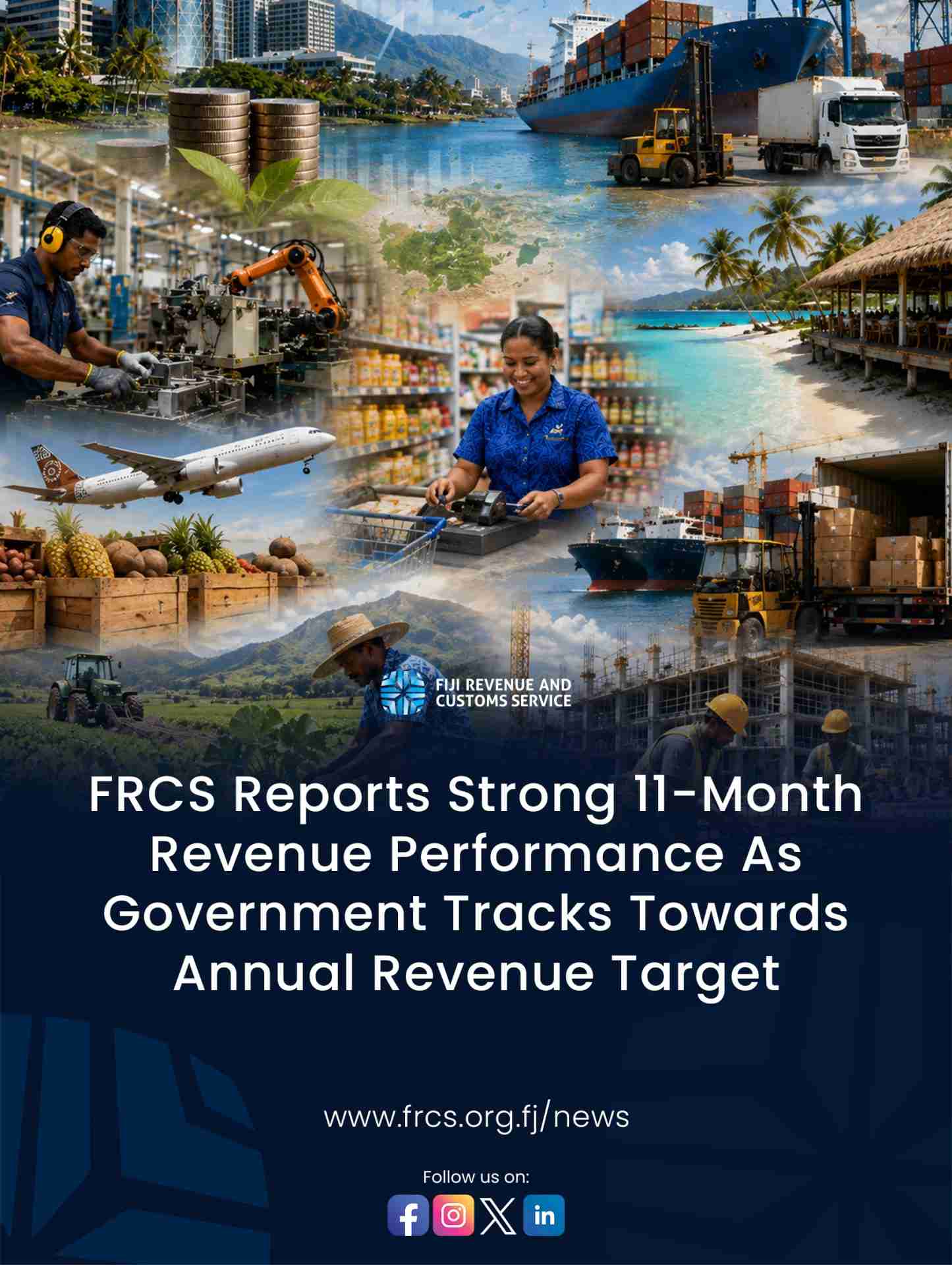
Border Agencies Strengthen Collaboration Through Inter-Agency Meeting in Nadi

Senior representatives from Fiji’s leading border enforcement and maritime agencies convened in Nadi recently for a landmark inter-agency meeting aimed at strengthening cooperation and building a more coordinated national approach to border security and port management.
The meeting brought together leadership from the FRCS, Fiji Police Force, Fiji Immigration Department, Biosecurity Authority of Fiji (BAF), Fiji Ports Corporation Limited, Fiji Navy, Maritime Safety Authority of Fiji (MSAF), Fiji Postal Services Limited and Air Terminal Services (ATS).
 
The discussion focused on areas of common interest, including strengthening coordination in maritime operations, promoting information-sharing, and enhancing crisis response capabilities. Participants also highlighted the growing importance of technology, strategic planning, and clear governance in ensuring effective border management.
 
While acknowledging the emerging challenges of transnational crime and illicit trade, agencies reaffirmed their shared commitment to a unified national response through intelligence collaboration, efficient use of resources, and alignment of operational priorities.
 
In relation to collaboration progress and future direction, participants agreed that stronger partnerships and clarity of roles among agencies are vital for achieving collective impact. Through coordinated efforts, agencies would be able to jointly address issues such as smuggling, tax evasion, and illicit trade. This collective approach would reinforce national security and enhance FRCS’s capacity to safeguard revenue and economic integrity. Inter-agency collaboration supports alignment of policies and priorities with the government’s broader strategic direction. It would encourage integrated approaches to policy development, implementation, and monitoring.
 
“Bringing all border law enforcement agencies and strategic stakeholders together under one roof provided a valuable platform to reflect on our shared challenges, align on key priorities, and explore practical solutions”, one participant noted. “There was genuine appreciation for the open and constructive dialogue that took place”.
 
The forum concluded with an agreement that such inter-agency meetings will now be held on a regular and structured basis to maintain ongoing collaboration.
 
A proposal was also discussed to establish a committee, a formal mechanism that would guide coordination and decision-making among border agencies through a structured Terms of Reference. The proposed committee will work to enhance unified government coordination across Fiji’s border and maritime sectors, driving stronger alignment and strategic oversight.

Last Updated - February 4, 2026
FRCS and CAAF Strengthen Collaboration on ICAO Annex 9 Facilitation Standard

FRCS, through its Nadi Customs and Border Division, hosted an insightful engagement with the Civil Aviation Authority of Fiji (CAAF) at the FRCS Airport Conference Room to strengthen cooperation under Annex 9 of the International Civil Aviation Organization (ICAO) framework.

The session was led by Mr. Rigamoto Aisake, Executive Manager for Aviation Security and Facilitation at CAAF, supported by Mr. Mosese, and focused on enhancing understanding of ICAO’s “Facilitation” standards which is a key global instrument promoting the efficient and secure movement of passengers, baggage, cargo, and mail across international borders.

Mr. Aisake’s presentation underscored the critical alignment required among border agencies, the strategic contribution of Customs to Fiji’s aviation obligations, and the importance of balancing facilitation with national security. Participants gained valuable insights into how inter-agency coordination supports Fiji’s international compliance and reputation in global aviation.

Speaking after the session, FRCS officials noted that the engagement served as a timely reminder of Customs’ pivotal role beyond inspections, emphasizing its contribution to trade, tourism, and border integrity.

“What we do at the frontline doesn’t just impact passenger movement, but it also  defines how Fiji connects with the world,” commented the participants.

The engagement reflects FRCS’s ongoing commitment to modernize border processes, strengthen strategic partnerships, and uphold Fiji’s international obligations in aviation security and facilitation.

Last Updated - February 4, 2026
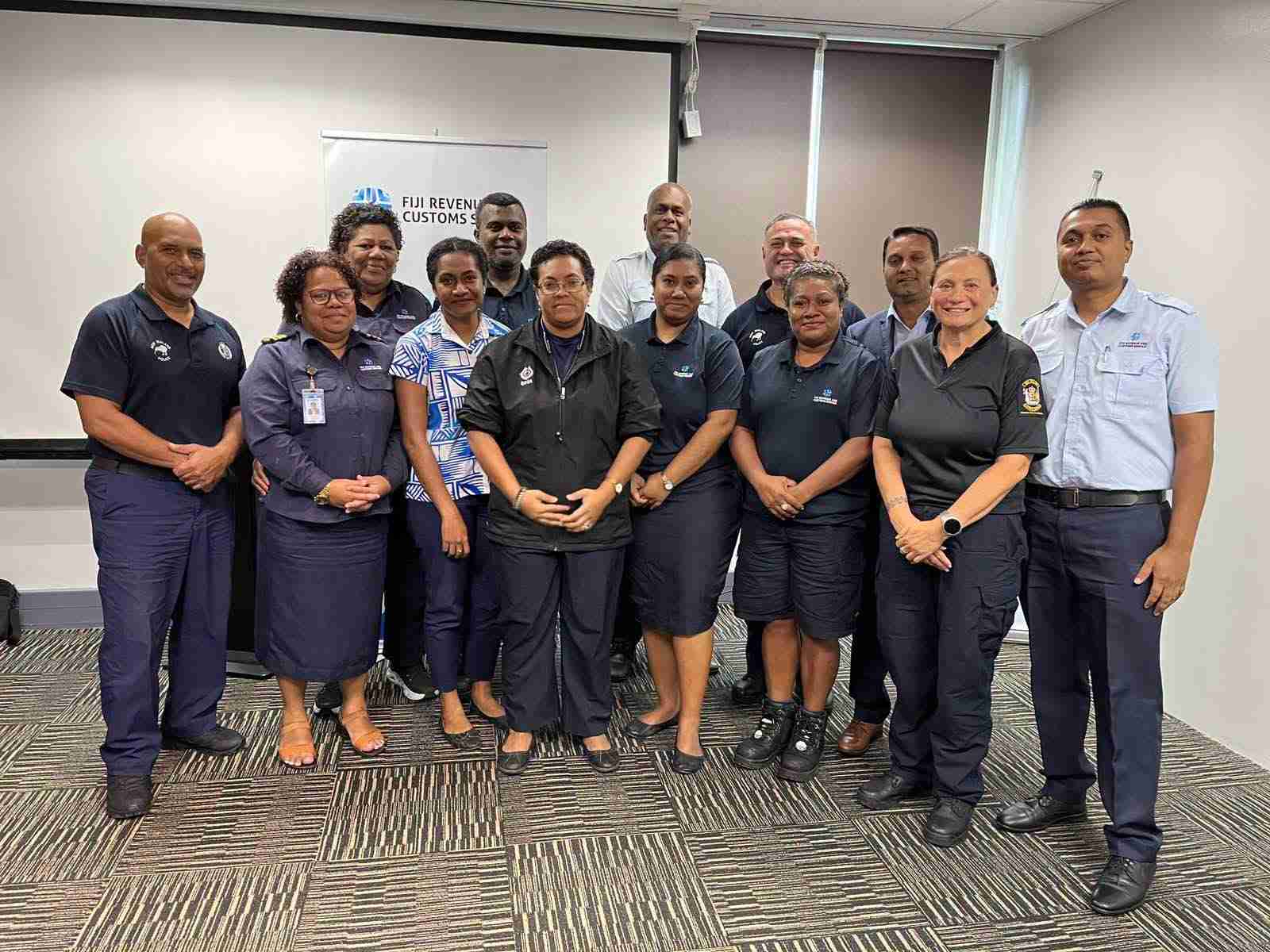
FRCS and CAAF Strengthen Collaboration on ICAO Annex 9 Facilitation Standard

FRCS, through its Nadi Customs and Border Division, hosted an insightful engagement with the Civil Aviation Authority of Fiji (CAAF) at the FRCS Airport Conference Room to strengthen cooperation under Annex 9 of the International Civil Aviation Organization (ICAO) framework.

The session was led by Mr. Rigamoto Aisake, Executive Manager for Aviation Security and Facilitation at CAAF, supported by Mr. Mosese, and focused on enhancing understanding of ICAO’s “Facilitation” standards which is a key global instrument promoting the efficient and secure movement of passengers, baggage, cargo, and mail across international borders.

Mr. Aisake’s presentation underscored the critical alignment required among border agencies, the strategic contribution of Customs to Fiji’s aviation obligations, and the importance of balancing facilitation with national security. Participants gained valuable insights into how inter-agency coordination supports Fiji’s international compliance and reputation in global aviation.

Speaking after the session, FRCS officials noted that the engagement served as a timely reminder of Customs’ pivotal role beyond inspections, emphasizing its contribution to trade, tourism, and border integrity.

“What we do at the frontline doesn’t just impact passenger movement, but it also  defines how Fiji connects with the world,” commented the participants.

The engagement reflects FRCS’s ongoing commitment to modernize border processes, strengthen strategic partnerships, and uphold Fiji’s international obligations in aviation security and facilitation.

Last Updated - October 19, 2025

FRCS Announces Appointment of New Board Director

The Fiji Revenue and Customs Service (FRCS) is pleased to announce the appointment of Ms. Emily King to its Board of Directors. Her appointment, made in accordance with Section 4 of the FRCS Act 1998, is effective for a three-year term beginning 30th September 2025.

FRCS Chief Executive Officer, Mr. Udit Singh, warmly welcomed Ms. King to the Board, stating: “Ms. King brings a wealth of expertise and fresh perspectives that will significantly contribute to the strategic direction and governance of FRCS. Her diverse skill set will strengthen our Board and enhance our ability to deliver on our strategic goals as we continue our journey towards excelling in revenue collection, border protection, and the facilitation of trade and travel.”

Ms. King is a distinguished corporate lawyer with over 15 years of experience in the financial services sector and leading legal firms in Fiji. Her career is marked by excellence in advisory and commercial transactions, and she has successfully led legal teams with integrity and professionalism.

Beyond her legal expertise, Ms. King has extensive experience in Regulatory Compliance, Enterprise Risk Management, Governance, and Anti-Money Laundering/Counter-Terrorism Financing. She currently serves as General Counsel at the Fiji National Provident Fund (FNPF), specializing in mergers, acquisitions, and finance.

Ms. King is no stranger to boardrooms, having served as Company Secretary and as a member of Board Audit, Risk, and Compliance Committees for various private entities. She has also contributed significantly to industry bodies, including her role as Chairperson of the Insurance Association of Fiji in 2023 and as a Council Member of the Fiji Law Society for three consecutive terms from 2016 to 2021.

She recently completed a Juris Doctor bridging course at the University of Melbourne.

Commenting on her appointment, Ms. King said: “I am deeply honoured to join the Board of the Fiji Revenue and Customs Service and extend my sincere gratitude to the Board and the Minister for Finance for this opportunity. I accept this role with humility and a strong sense of responsibility to the people of Fiji. I am committed to upholding the values of transparency, accountability, and service excellence, and I look forward to working collaboratively with the Board and management to support FRCS in its mission to serve taxpayers and strengthen national revenue systems.”

Last Updated - February 4, 2026

FRCS Announces Appointment of New Board Director

The Fiji Revenue and Customs Service (FRCS) is pleased to announce the appointment of Ms. Emily King to its Board of Directors. Her appointment, made in accordance with Section 4 of the FRCS Act 1998, is effective for a three-year term beginning 30th September 2025.

FRCS Chief Executive Officer, Mr. Udit Singh, warmly welcomed Ms. King to the Board, stating: “Ms. King brings a wealth of expertise and fresh perspectives that will significantly contribute to the strategic direction and governance of FRCS. Her diverse skill set will strengthen our Board and enhance our ability to deliver on our strategic goals as we continue our journey towards excelling in revenue collection, border protection, and the facilitation of trade and travel.”

Ms. King is a distinguished corporate lawyer with over 15 years of experience in the financial services sector and leading legal firms in Fiji. Her career is marked by excellence in advisory and commercial transactions, and she has successfully led legal teams with integrity and professionalism.

Beyond her legal expertise, Ms. King has extensive experience in Regulatory Compliance, Enterprise Risk Management, Governance, and Anti-Money Laundering/Counter-Terrorism Financing. She currently serves as General Counsel at the Fiji National Provident Fund (FNPF), specializing in mergers, acquisitions, and finance.

Ms. King is no stranger to boardrooms, having served as Company Secretary and as a member of Board Audit, Risk, and Compliance Committees for various private entities. She has also contributed significantly to industry bodies, including her role as Chairperson of the Insurance Association of Fiji in 2023 and as a Council Member of the Fiji Law Society for three consecutive terms from 2016 to 2021.

She recently completed a Juris Doctor bridging course at the University of Melbourne.

Commenting on her appointment, Ms. King said: “I am deeply honoured to join the Board of the Fiji Revenue and Customs Service and extend my sincere gratitude to the Board and the Minister for Finance for this opportunity. I accept this role with humility and a strong sense of responsibility to the people of Fiji. I am committed to upholding the values of transparency, accountability, and service excellence, and I look forward to working collaboratively with the Board and management to support FRCS in its mission to serve taxpayers and strengthen national revenue systems.”

Last Updated - October 19, 2025

Undeclared Firearms Seized from Yacht at Savusavu Port

The Fiji Revenue and Customs Service (FRCS) intercepted a foreign-flagged yacht upon its arrival at Savusavu Port this week.

An advance notification of arrival was submitted prior to docking, which was duly assessed for risk indicators. During this assessment, several red flags were identified, prompting FRCS maritime officers to carry out a targeted inspection of the vessel.

The search led to the discovery of two semi-automatic pistols, 30 pieces of C02 cartriage and 1138 pallets that were not declared by the yacht’s skipper. Under Fiji’s Arms and Ammunition Act, all firearms and ammunition are strictly regulated. Permits and licenses are required for the possession of such items, while transit vessels are obligated to declare them in advance.

The matter has since been referred to the Fiji Police Force for further investigation.

FRCS reminds all travelers, including yacht owners and sailors, to make accurate and complete declarations when submitting advance arrival information. Failure to do so will result in enforcement action under the law.

FRCS remains committed to protecting Fiji’s borders and ensuring compliance with all regulatory requirements.

Last Updated - February 4, 2026
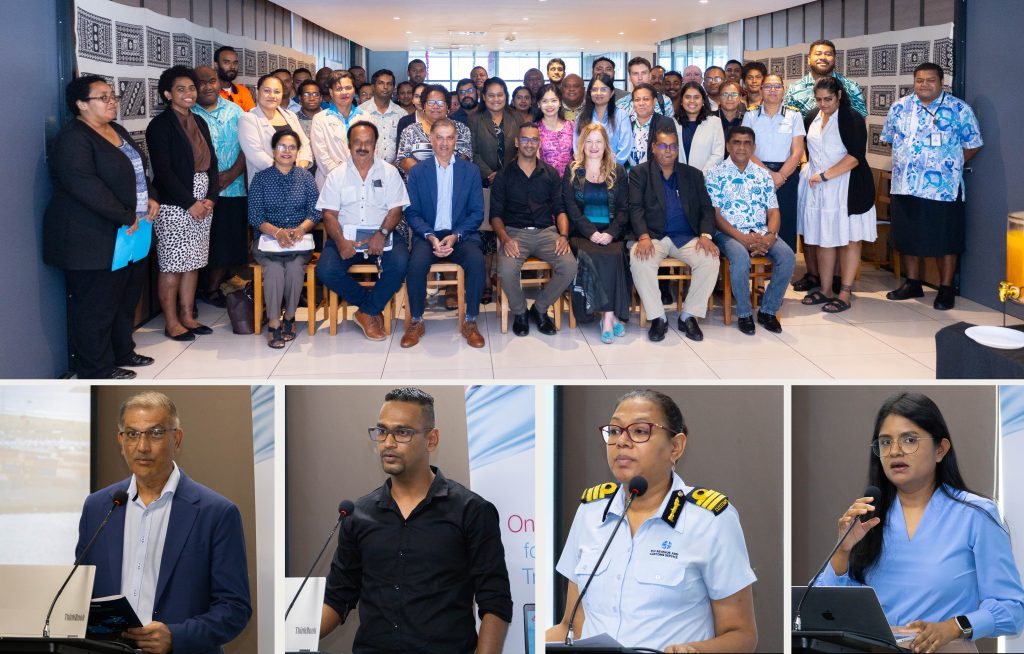
Undeclared Firearms Seized from Yacht at Savusavu Port

The Fiji Revenue and Customs Service (FRCS) intercepted a foreign-flagged yacht upon its arrival at Savusavu Port this week.

An advance notification of arrival was submitted prior to docking, which was duly assessed for risk indicators. During this assessment, several red flags were identified, prompting FRCS maritime officers to carry out a targeted inspection of the vessel.

The search led to the discovery of two semi-automatic pistols, 30 pieces of C02 cartriage and 1138 pallets that were not declared by the yacht’s skipper. Under Fiji’s Arms and Ammunition Act, all firearms and ammunition are strictly regulated. Permits and licenses are required for the possession of such items, while transit vessels are obligated to declare them in advance.

The matter has since been referred to the Fiji Police Force for further investigation.

FRCS reminds all travelers, including yacht owners and sailors, to make accurate and complete declarations when submitting advance arrival information. Failure to do so will result in enforcement action under the law.

FRCS remains committed to protecting Fiji’s borders and ensuring compliance with all regulatory requirements.

Last Updated - October 19, 2025

FRCS LAUNCHES PUBLIC DASHBOARD FOR THE VAT MONITORING SYSTEM (VMS)

The Fiji Revenue and Customs Service (FRCS), in partnership with Data Tech International (DTI), today announced the launch of a new public dashboard for the VAT Monitoring System (VMS). The platform offers citizens and businesses a clear, daily-updated view of Fiji’s fiscalization progress and introduces tools for direct public participation in VAT compliance.

The dashboard, accessible through the FRCS VMS portal, displays indicators refreshed daily, including the number of fiscalized taxpayers and business locations, activated secure elements, recorded sales, invoice volumes, and receipt verifications. Users may filter data by administrative area to understand local trends, while integrated tools allow the public to verify invoices, report when fiscal invoices are not issued, and flag suspicious receipts.

“This launch is both a transparency milestone and a practical step toward fair competition,” said FRCS Chief Executive Officer Mr. Udit Singh. “By expanding VMS coverage to new sectors and opening access to real-time indicators, the public can see progress, understand expectations, and play an active role by verifying receipts. It sends a clear message that the rules apply equally and that honest businesses will not be undercut by non-compliance.”

DTI Chief Executive Officer Mr. Goran Todorov emphasized the system’s accessibility. “DTI is proud to support FRCS with a tested, reliable, and mobile-friendly dashboard designed for every Fijian. By combining daily data, local drill-downs, and easy reporting tools, we strengthen trust in the tax system and support FRCS’s modernization efforts.”

The initiative coincides with FRCS’s phased expansion of VAT monitoring to business sectors previously outside scope, reinforcing a level playing field and ensuring all taxpayers meet their obligations.

What the public can do on the VMS portal:

  • Verify whether an invoice is valid (with or without a QR code).
  • Report non-issuance of a fiscal invoice.
  • Flag suspicious invoices for further review.
  • Explore daily VMS metrics and trends, including views by province or area.

FRCS is urging businesses to maintain compliance and encouraging citizens to make use of the portal. “Transparency protects compliant taxpayers, informs smart enforcement, and builds public confidence that the system is fair,” Mr. Singh added.

The Public VAT Monitoring Dashboard is now live and accessible at: https://vms.frcs.org.fj/

Last Updated - February 4, 2026

FRCS LAUNCHES PUBLIC DASHBOARD FOR THE VAT MONITORING SYSTEM (VMS)

The Fiji Revenue and Customs Service (FRCS), in partnership with Data Tech International (DTI), today announced the launch of a new public dashboard for the VAT Monitoring System (VMS). The platform offers citizens and businesses a clear, daily-updated view of Fiji’s fiscalization progress and introduces tools for direct public participation in VAT compliance.

The dashboard, accessible through the FRCS VMS portal, displays indicators refreshed daily, including the number of fiscalized taxpayers and business locations, activated secure elements, recorded sales, invoice volumes, and receipt verifications. Users may filter data by administrative area to understand local trends, while integrated tools allow the public to verify invoices, report when fiscal invoices are not issued, and flag suspicious receipts.

“This launch is both a transparency milestone and a practical step toward fair competition,” said FRCS Chief Executive Officer Mr. Udit Singh. “By expanding VMS coverage to new sectors and opening access to real-time indicators, the public can see progress, understand expectations, and play an active role by verifying receipts. It sends a clear message that the rules apply equally and that honest businesses will not be undercut by non-compliance.”

DTI Chief Executive Officer Mr. Goran Todorov emphasized the system’s accessibility. “DTI is proud to support FRCS with a tested, reliable, and mobile-friendly dashboard designed for every Fijian. By combining daily data, local drill-downs, and easy reporting tools, we strengthen trust in the tax system and support FRCS’s modernization efforts.”

The initiative coincides with FRCS’s phased expansion of VAT monitoring to business sectors previously outside scope, reinforcing a level playing field and ensuring all taxpayers meet their obligations.

What the public can do on the VMS portal:

  • Verify whether an invoice is valid (with or without a QR code).
  • Report non-issuance of a fiscal invoice.
  • Flag suspicious invoices for further review.
  • Explore daily VMS metrics and trends, including views by province or area.

FRCS is urging businesses to maintain compliance and encouraging citizens to make use of the portal. “Transparency protects compliant taxpayers, informs smart enforcement, and builds public confidence that the system is fair,” Mr. Singh added.

The Public VAT Monitoring Dashboard is now live and accessible at: https://vms.frcs.org.fj/

Last Updated - October 19, 2025

FRCS Maritime Seaport Seizes Over 57,000 Illicit Cigarette Sticks in the Last Financial Year

The Fiji Revenue and Customs Service (FRCS) Maritime Seaport Enforcement Team successfully intercepted 57,740 undeclared cigarette sticks during the last financial year. Cigarettes are classified as highly dutiable goods and are often smuggled by seafarers upon arrival at ports of entry.

Revenue leakage occurs when such goods are not declared at the time of arrival with the intent to evade lawful payment of import duties. These practices undermine government revenue, which is vital for sustaining national development.

FRCS enforcement officers remain steadfast in their commitment to detecting, intercepting, and preventing illegal activities to protect revenue collection and ensure full compliance with customs laws and regulations.

We strongly urge all travellers, seafarers, and shipping agents to make honest and accurate declarations of their goods upon arrival. Non-compliance will result in penalties and legal action under the applicable laws.

FRCS will continue to strengthen border control measures and safeguard government revenue, ensuring it supports the sustainable growth and development of our nation.

FRCS Chief Executive Officer, Mr. Udit Singh, stated:

“This interception is another reminder of the crucial role FRCS plays in protecting Fiji’s borders and safeguarding government revenue. Smuggling not only deprives the nation of much-needed funds for development, but also undermines fairness for compliant taxpayers and businesses. We remain fully committed to enforcing our laws and will continue to adopt stronger measures to ensure integrity and compliance across all ports of entry.”

Last Updated - February 4, 2026

FRCS Maritime Seaport Seizes Over 57,000 Illicit Cigarette Sticks in the Last Financial Year

The Fiji Revenue and Customs Service (FRCS) Maritime Seaport Enforcement Team successfully intercepted 57,740 undeclared cigarette sticks during the last financial year. Cigarettes are classified as highly dutiable goods and are often smuggled by seafarers upon arrival at ports of entry.

Revenue leakage occurs when such goods are not declared at the time of arrival with the intent to evade lawful payment of import duties. These practices undermine government revenue, which is vital for sustaining national development.

FRCS enforcement officers remain steadfast in their commitment to detecting, intercepting, and preventing illegal activities to protect revenue collection and ensure full compliance with customs laws and regulations.

We strongly urge all travellers, seafarers, and shipping agents to make honest and accurate declarations of their goods upon arrival. Non-compliance will result in penalties and legal action under the applicable laws.

FRCS will continue to strengthen border control measures and safeguard government revenue, ensuring it supports the sustainable growth and development of our nation.

FRCS Chief Executive Officer, Mr. Udit Singh, stated:

“This interception is another reminder of the crucial role FRCS plays in protecting Fiji’s borders and safeguarding government revenue. Smuggling not only deprives the nation of much-needed funds for development, but also undermines fairness for compliant taxpayers and businesses. We remain fully committed to enforcing our laws and will continue to adopt stronger measures to ensure integrity and compliance across all ports of entry.”

Last Updated - October 19, 2025

FRCS Contributes to Fiji’s Participation in Asia Pacific Group Mutual Evaluation Committee Meetings

FRCS was honoured to be part of the Fiji delegation attending the Mutual Evaluation Committee (MEC) meetings of the Asia Pacific Group on Money Laundering (APG), held in Tokyo, Japan. The delegation was led by Ms. Selina Kuruleca, Permanent Secretary for Justice, in her capacity as Chair of the Anti-Money Laundering (AML) Council. Our Manager Risk Assessment & Financial Intelligence, Mr Rohitesh Dass represented FRCS at the MEC meetings.
 
FRCS’s participation in these high-level discussions reflects its critical role in Fiji’s national framework for combating money laundering and terrorist financing. As a key agency responsible for monitoring cross-border financial flows and enforcing customs regulations, FRCS contributes significantly to the integrity and effectiveness of Fiji’s AML/CFT (Combating the Financing of Terrorism) regime.
The MEC meetings provided a valuable platform for Fiji to strengthen regional and international cooperation, share best practices, and prepare for its upcoming mutual evaluation scheduled for late 2025 and into 2026. Discussions focused on:
  •  Technical assistance and capacity-building initiatives
  •  Reviews of recent evaluations of other jurisdictions
  •  Identifying sectoral gaps and opportunities for improvement in AML/CFT efforts
FRCS continues to play a pivotal role in safeguarding Fiji’s financial system from illicit activities, working in close partnership with other national and international stakeholders to uphold transparency, accountability, and security. By learning from the experiences of others and engaging with international partners, FRCS as well as Fiji is committed to continuously improving its AML/CFT (Combating the Financing of Terrorism) framework.

Last Updated - February 4, 2026

FRCS Contributes to Fiji’s Participation in Asia Pacific Group Mutual Evaluation Committee Meetings

FRCS was honoured to be part of the Fiji delegation attending the Mutual Evaluation Committee (MEC) meetings of the Asia Pacific Group on Money Laundering (APG), held in Tokyo, Japan. The delegation was led by Ms. Selina Kuruleca, Permanent Secretary for Justice, in her capacity as Chair of the Anti-Money Laundering (AML) Council. Our Manager Risk Assessment & Financial Intelligence, Mr Rohitesh Dass represented FRCS at the MEC meetings.

FRCS’s participation in these high-level discussions reflects its critical role in Fiji’s national framework for combating money laundering and terrorist financing. As a key agency responsible for monitoring cross-border financial flows and enforcing customs regulations, FRCS contributes significantly to the integrity and effectiveness of Fiji’s AML/CFT (Combating the Financing of Terrorism) regime.

The MEC meetings provided a valuable platform for Fiji to strengthen regional and international cooperation, share best practices, and prepare for its upcoming mutual evaluation scheduled for late 2025 and into 2026. Discussions focused on:

  •  Technical assistance and capacity-building initiatives
  •  Reviews of recent evaluations of other jurisdictions
  •  Identifying sectoral gaps and opportunities for improvement in AML/CFT efforts

FRCS continues to play a pivotal role in safeguarding Fiji’s financial system from illicit activities, working in close partnership with other national and international stakeholders to uphold transparency, accountability, and security. By learning from the experiences of others and engaging with international partners, FRCS as well as Fiji is committed to continuously improving its AML/CFT (Combating the Financing of Terrorism) framework.

Last Updated - October 19, 2025

FRCS Promotes Tax Awareness Through FBC Radio Talk-Back Shows

FRCS was pleased to participate in FBC’s Domo-ni-Vanua and Drishtikon radio talk-back shows this week, as part of its ongoing public education and awareness initiatives. The focus of the discussion was the VAT on New Dwelling House (NDH) incentive which is a tax refund scheme introduced under Section 70 of the Value Added Tax Act 1991. This initiative is designed to support Fijian citizens in acquiring or constructing their first home by allowing them to claim a refund on VAT paid.

During the program, FRCS representatives provided detailed information on eligibility criteria, the maximum VAT-inclusive price allowable for claims, required documentation, and the step-by-step process for submitting claims through the Taxpayer Online Services (TPOS) platform.

FRCS’s regular participation in radio talk-back shows reflects its strong commitment to taxpayer education and public engagement. By simplifying complex tax concepts and addressing real-time queries, FRCS empowers individuals and businesses to better understand their tax obligations and encourages voluntary compliance.

The sessions were highly interactive, with the team responding to a wide range of questions from listeners. FRCS continues to offer free tax education programs covering various aspects of tax and customs administration. For further assistance or to learn more about upcoming training opportunities, please contact us at 32430001326, or email info@frcs.org.fj.

Last Updated - October 19, 2025

FRCS Promotes Tax Awareness Through FBC Radio Talk-Back Shows

FRCS was pleased to participate in FBC’s Domo-ni-Vanua and Drishtikon radio talk-back shows this week, as part of its ongoing public education and awareness initiatives. The focus of the discussion was the VAT on New Dwelling House (NDH) incentive which is a tax refund scheme introduced under Section 70 of the Value Added Tax Act 1991. This initiative is designed to support Fijian citizens in acquiring or constructing their first home by allowing them to claim a refund on VAT paid.


During the program, FRCS representatives provided detailed information on eligibility criteria, the maximum VAT-inclusive price allowable for claims, required documentation, and the step-by-step process for submitting claims through the Taxpayer Online Services (TPOS) platform.


FRCS’s regular participation in radio talk-back shows reflects its strong commitment to taxpayer education and public engagement. By simplifying complex tax concepts and addressing real-time queries, FRCS empowers individuals and businesses to better understand their tax obligations and encourages voluntary compliance.


The sessions were highly interactive, with the team responding to a wide range of questions from listeners. FRCS continues to offer free tax education programs covering various aspects of tax and customs administration. For further assistance or to learn more about upcoming training opportunities, please contact us at 3243000, 1326, or email info@frcs.org.fj.

Last Updated - February 4, 2026

FRCS Intercepts Illicit Substances Onboard Cruise Vessel Norwegian Sun

The Fiji Revenue and Customs Service (FRCS) reiterates its commitment to robust border enforcement following the interception of illicit substances onboard the cruise vessel Norwegian Sun.


Acting on credible intelligence, FRCS Customs officers conducted a targeted search of a passenger’s cabin, resulting in the discovery of prohibited substances. The individual was subsequently referred to the Fiji Police Force for further investigation.


The matter was brought before the court, where the passenger was formally charged and penalised in accordance with the law. This outcome underscores the seriousness with which such offences are treated under Fiji’s legal framework.


Commenting on the incident, FRCS CEO, Mr. Udit Singh stated: “This interception reflects the vigilance and professionalism of our border enforcement teams. FRCS remains unwavering in its duty to protect Fiji’s borders and uphold the integrity of our customs operations. We urge all travellers to comply with Fiji’s laws and respect the regulations in place to ensure the safety and wellbeing of our communities.”


FRCS continues to emphasise its role in safeguarding Fiji’s borders, ensuring the safety of all travellers, and protecting the wellbeing of the Fijian public. The Service reminds all visitors and members of the public that the possession and trafficking of illicit substances are criminal offences that attract severe penalties.

Last Updated - February 4, 2026

FRCS Welcomes the TADAT Assessment Team

FRCS is pleased to host the Tax Administration Diagnostic Assessment Tool (TADAT) Assessment Team, who are currently conducting a standardized, evidence-based evaluation of key components of our tax administration system. This assessment will assist FRCS in identifying areas for improvement and prioritizing reforms that align with international best practices, ultimately strengthening our service delivery and operational efficiency.


The assessment is led by Ms. Margaret Cotton, Deputy Division Chief, Revenue Administration Division, Fiscal Affairs Department at the International Monetary Fund (IMF) in Washington D.C. She has also worked for the Pacific Financial Technical Assistance Centre (PFTAC).Throughout the assessment, the TADAT team has been engaging with various FRCS departments including tax, compliance, governance and risk, people and culture, finance and corporate services to gather data and insights across critical areas of tax administration.


This marks the second TADAT assessment for Fiji, with the first conducted in 2015. Since then, FRCS has undergone significant transformation. The current assessment will benchmark our progress, highlight opportunities for further improvement, and guide future reforms. It also reinforces FRCS’s commitment to strengthening core tax administration functions, enhancing revenue collection, and improving service delivery to taxpayers.


The other TADAT Assessment Team includes distinguished experts:

  • Mr. Stephen Vesperman, former Deputy Commissioner of the Australian Taxation Office (ATO)
  • Mr. Yuhei Chiba, Public Sector Specialist (Taxation), Asian Development Bank
  • Mr. Vincent de Paul Koukpaizan, Senior Economist, IMF Fiscal Affairs Department
  • Ms. Katrina Williams, Resident Advisor, IMF Pacific Financial and Technical Assistance Centre (PFTAC)


FRCS extends its sincere appreciation to the Government of Japan and the Asian Development Bank (ADB) for funding this assessment and acknowledges the continued support and partnership of the IMF’s Revenue Administration Division, the TADAT Secretariat, and PFTAC.

Last Updated - February 4, 2026

FRCS to Conduct National Time Release Study (TRS) at Nadi Airport

The Fiji Revenue and Customs Service (FRCS), with the support of the World Bank Group and the World Customs Organization (WCO), will be conducting a Time Release Study (TRS) to assess the efficiency of commercial cargo importation processes at Nadi International Airport.


The TRS is a globally recognized WCO tool designed to measure the actual time required for the release and clearance of goods from the moment of arrival until the physical release of cargo. This provides valuable insights into the efficiency of border procedures and highlights areas for improvement.


The study aims to identify bottlenecks and congestion in trade flow processes, enabling border agencies to take targeted measures that will enhance the effectiveness and efficiency of cargo clearance at Fiji’s borders. The TRS is referenced under Article 7.6 of the World Trade Organization (WTO) Trade Facilitation Agreement (TFA), which encourages members to measure and publish the average release time of goods. The last air cargo TRS at Nadi Airport was conducted in 2014.


Globally, TRS has become a key instrument for strategic planning and sequencing the implementation of WTO TFA measures in line with National Trade Facilitation Committees (NTFC). In recent years, the WCO and WTO, with support from the World Bank Group, have mobilized technical experts and resources to help countries streamline supply chains and adopt best practices for assessing, evaluating, and improving trade facilitation.


The 2025/2026 TRS will specifically focus on imported commercial cargoes and will commence in the second quarter of the financial year. The study will be undertaken in partnership with Air Terminal Services (ATS), the Biosecurity Authority of Fiji (BAF), and the Ministry of Health and Medical Services (MHMS).


FRCS CEO, Mr. Udit Singh said: that the TRS is not only about measuring time but it is about measuring progress.


“By identifying delays and inefficiencies, we can create smarter solutions that benefit traders, agencies, and the economy as a whole. This study reflects our commitment to transparency, accountability, and aligning Fiji with international best practices in trade facilitation,”Mr. Singh said.


This initiative reinforces Fiji’s commitment to strengthening border efficiency, improving trade facilitation, and supporting economic growth through streamlined processes.

Last Updated - February 4, 2026

FRCS Participates in Study Visit to Australian Border Force

Six Customs officers from various divisions of FRCS recently participated in a three-day study visit to the Australian Border Force (ABF). This collaborative initiative was jointly organized by the United Nations Office on Drugs and Crime (UNODC) and ABF, with technical funding support provided by the UK Government.

Led by Acting Chief Customs Officer Mr. Robeen Chand, the FRCS delegation engaged in an in-depth exploration of emerging border-related crimes, including serious non-compliance and criminal activities within the trade environment and the challenges that continue to impact FRCS operations. The visit aimed to enhance FRCS’s capabilities in virtual profiling and targeting, managing border risks associated with both known and unknown entities in the supply chain, and improving the integrity of cargo reporting. A key objective was to strengthen the detection of criminal networks operating within international trade.

Participants were also introduced to advanced border control technologies, including large-scale x-ray container scanners equipped with image analysis capabilities. These tools enable Customs officers to identify inconsistencies in cargo, detect anomalies, and mitigate associated risks. At ABF’s modern facility in Brisbane, the team was provided with extensive research opportunities into various border risks, including methods used by criminal networks such as the “Rips Method,” “Dope on a Rope,” the use of duplicate container seals, and insider threats within trusted networks.

The study visit offered valuable insights into evolving trade patterns and border crime trends, allowing officers to trial alternative targeting approaches and methodologies aimed at enhancing trade enforcement capabilities.

FRCS remains committed to its ongoing collaboration with UNODC and ABF to continuously build capacity, re-skill its workforce, and strengthen intelligence-sharing with regional partners. These efforts are geared towards developing a more agile, intelligence-led risk management framework and leveraging Non-Intrusive Inspection Equipment (NIIE) to detect, disrupt, and dismantle transnational organized crime.

Looking ahead, FRCS is confident in expanding its operational capabilities through both intrusive and non-intrusive methods, which will be instrumental in the establishment of the upcoming Container Examination Facility (CEF).

FRCS extends its sincere appreciation to the UK Government for its generous support of this initiative, and to our technical border partners including UNODC and ABF for their continued engagement and contribution to resource development.

Last Updated - February 4, 2026

Strengthening Public Understanding of VAT Reforms and VMS Implementation

The FRCS team continues to play a pivotal role in enhancing public education and awareness on key tax reforms, particularly the recent changes to the Value Added Tax (VAT) as announced in the 2024/2025 National Budget. These include the reduction in the VAT rate from 15% to 12.5%, as well as other VAT-related adjustments and the ongoing implementation of the VAT Monitoring System (VMS).


As part of our outreach efforts, our Senior Education Specialist, Mr. Esala Vukinavanua, recently appeared on Fiji TV’s Na Ketekete Nei Nau program. During the segment, Mr. Vukinavanua provided a comprehensive overview of what consumers should expect when purchasing goods and services following the VAT rate reduction. He also explained how FRCS is collaborating with other agencies to ensure that the revised VAT rate is accurately reflected in pricing, and shared updates on Phase 3 of the VMS rollout.


This engagement offered an invaluable opportunity for viewers to gain clarity on matters that directly affect their daily lives. By simplifying complex tax concepts and highlighting consumer rights, FRCS is empowering individuals and businesses to make informed decisions.


We remain committed to ongoing education and outreach initiatives to ensure that all Fijians are well-informed and supported. For further assistance or inquiries, members of the public are encouraged to contact us via our toll-free number 1326, direct line 3243000, or email info@frcs.org.fj

Last Updated - February 4, 2026

FRCS Honours Over 40 Entrepreneurs for Tax and Customs Compliance During MSME Day Celebrations in the Western Division

FRCS today marked a significant milestone in its ongoing commitment to empowering Micro, Small, and Medium Enterprises (MSMEs) with a vibrant celebration of MSME Day 2025 in the Western Division. This event, held for the first time in the West, took place at the FRCS Nadi Office, and was graced by the Honourable Minister for Women, Children and Social Protection, Ms. Sashi Kiran, as Chief Guest.


In recognition of their dedication to business development and regulatory compliance, more than 40 MSMEs members of the FRCS MSME Business Community were awarded certificates. These businesses have successfully completed the first and second years of FRCS’s training and coaching programme in tax and customs, positioning themselves as independent, tax and customs-compliant enterprises.


“The trainings delivered by FRCS have enabled MSMEs to better understand their tax obligations, access available incentives, and navigate complex customs procedures that are critical to their growth and expansion. These initiatives are not only about promoting compliance butthey are about building capacity, enhancing transparency, and fostering economic empowerment,” stated Honourable Minister Kiran.


She further emphasized the Fiji Government’s unwavering commitment to the growth and sustainability of the MSME sector. Through various programmes under the Ministry of Trade, Co-operatives, SMEs and Communications, the Government continues to provide financial support, training, market access, and digital tools to help MSMEs scale up. Efforts are also underway to simplify regulatory processes to create an enabling environment for small businesses to thrive.


According to FRCS data, there are currently:


  • 28,570 active registered women taxpayers in the Micro Entrepreneur category (annual turnover up to $50,000),
  • 3,110 women in the Small Entrepreneur category (annual turnover between $50,000 and $300,000), and
  • 357 women operating at the Medium Entrepreneur level (annual turnover between $300,000 and $1.25 million).


“These figures reflect the depth of women’s participation in the business sector and the immense potential for further growth through sustained and strategic support,” added Honourable Minister Kiran.


FRCS Chief Executive Officer, Mr. Udit Singh, highlighted that over 6,000 MSMEs have been trained by FRCS in tax and customs processes.


“This initiative is not solely about compliance, but it is about building a stronger, more resilient economy. MSMEs are the backbone of our communities, and when they thrive, Fiji thrives,” Mr. Singh stated.


He emphasized that tax and customs literacy is essential for MSMEs to grow sustainably, access new markets, and contribute meaningfully to national development. “By equipping MSMEs with the tools and knowledge they need, we are not only supporting their success but also strengthening the economic fabric of our nation.”


The event also featured testimonials from MSME owners who shared how FRCS’s training transformed their businesses from informal operations into structured enterprises with clear financial records and strategic growth plans.


As the celebrations concluded, FRCS reaffirmed its commitment to supporting MSMEs through continued education, digital tools, and personalized coaching.

Last Updated - February 4, 2026

FRCS Hosts Strategic Mission from Australian Taxation Office

FRCS successfully hosted a three-day strategic mission from the ATO recently, marking a significant milestone in bilateral tax administration partnership operated under the Vuvale Partnership Agreement between Fiji and Australia.

The distinguished ATO delegation was led by Ms. Cathy Purcell, Assistant Commissioner – International Relations, Capacity Building, MAP and Transparency, accompanied by Ms. Isabelle Hu, Fiji Program Manager; Mr. Adam Johnson, Director Risk, and Intelligence; and Mr. Howard Sun, Director Business Systems.

The mission operated under the framework of the ATO and FRCS Tax Partnership (AFTP), with three primary objectives:

  • Formally concluding the current partnership program while gaining comprehensive insight into FRCS’s strategic vision and future priorities.
  • Conducting a comprehensive performance review of business risk functions and providing targeted support to enhance compliance capabilities.
  • Evaluating existing system processes and recommending improvements to operational efficiency.

Ms. Cathy Purcell gained the comprehensive insights how each technical assistance provided by ATO has enhanced and added value to the business operation of FRCS and tremendously contributing towards the strategic objectives of FRCS such customer engagement and revenue collection.

Ms. Purcell also had an official visit to FRCS offices located in Sigatoka and Nadi to obtain the better understanding of the operations of outer ports and how it contributes in serving the customers of FRCS.

FRCS greatly appreciates assistance from ATO which has improved its operational capacity and service delivery.

Last Updated - February 4, 2026

Empowering Conversations: Hon. Sashi Kiran Meets FRCS Women Leaders

We were honoured to welcome the Minister for Women, Children and Social Protection, the Honourable Ms. Sashi Kiran, to the FRCS Headquarters.

Her visit provided a valuable opportunity for our women leaders including Directors, senior managers, and team leads to engage directly with Hon. Kiran and gain meaningful insights into the impactful work being conducted by her Ministry. The discussion focused on initiatives aimed at economically empowering women, children, and elderly Fijians, and uplifting their overall quality of life.

Hon. Kiran also inspired our team by encouraging women at FRCS to reflect on their personal and professional goals, leadership journeys, health, and overall well-being. She emphasised on the importance of self-empowerment and holistic growth. She further urged us to extend our support to vulnerable members of our communities, reinforcing the values of compassion and collective responsibility.

We deeply appreciate Hon. Kiran’s time and the enriching dialogue shared during her visit. It was a privilege to host her and her team, and we look forward to continued collaboration in support of inclusive and sustainable development.

Last Updated - February 4, 2026

FRCS and FNPF Join Forces to Empower Children of Dilkusha Home and Residents of Homes of Hope Fiji

In a commendable display of collaboration and community spirit, FRCS partnered with the Fiji National Provident Fund (FNPF) to support a voluntary membership drive for the children of Dilkusha Home and Residents of Homes of Hope Fiji.

The initiatives aimed to provide the children and the residents with essential financial and legal documentation to help secure their future. As part of the drive, FRCS facilitated the registration of Taxpayer Identification Numbers (TIN).

This joint outreach effort was more than just a registration exercise; it was a gesture of empowerment. By equipping the children with TINs and JOINT ID Cards, the initiative ensures they are better prepared for future opportunities, including access to education, employment, and financial services.

FRCS expressed its pride in being part of such a meaningful cause.

The event also highlighted the importance of inter-agency collaboration in addressing the needs of vulnerable communities.

Both FRCS and FNPF reaffirmed their commitment to supporting inclusive development and ensuring that no one is left behind.

For assistance related to tax and customs, please contact us on our toll-free number 1326 or email @ info@frcs.org.fj.

Last Updated - February 4, 2026

FRCS Participates in Lesu Mai Reintegration Event to Empower Returning Workers

FRCS was proud to participate in the Lesu Mai: A Reintegration Event, hosted by the Ministry of Employment, Productivity and Workplace Relations (MEPWR).

This important initiative served as a platform for knowledge sharing and collaboration, aimed at enhancing support for returning workers. The initiative significantly boosted their confidence and deepened their understanding of how to access FRCS services more effectively.

Participants were particularly encouraged to learn about the convenience of the Taxpayer Online Service (TPOS), which allows users to access a wide range of services without the need to queue in person. These services include:

  • Applying for a Tax Compliance Certificate (TCC), JOINT ID Card and VAT on New Dwelling House
  • Requesting a Certificate of Exemption for Resident Interest Withholding Tax (RIWT)
  • Downloading copy of their Tax Identification Number (TIN) letter
  • Registering for a new TIN and JOINT ID Card for their children

The FRCS team also guided participants on how to conveniently access the latest updates on tax and customs matters through the official FRCS website and social media platforms.

Additionally, they provided valuable insights into the concessions available for returning residents on personal effects and offered step-by-step guidance on registering a new business and fulfilling associated filing obligations.

This digital transformation reflects FRCS’s commitment to making tax and customs services more accessible, efficient, and user-friendly for all Fijians.

FRCS also reaffirmed that all its offices remain open and ready to assist anyone seeking further information or support, underscoring its dedication to public service and community engagement.

Last Updated - February 4, 2026

FRCS Strengthens Engagement with Technology Partners on VAT Monitoring System Enhancements

As part of its ongoing engagement strategy on the Value Added Tax (VAT) and the VAT Monitoring System (VMS), the Fiji Revenue and Customs Service (FRCS) recently convened a consultative session with accredited Point of Sale (POS) and Electronic Sales Data Controller (ESDC) developers. The session focused on upcoming enhancements to the VMS and the Electronic Fiscal Device (EFD) framework.


This collaborative forum served as a valuable platform for open dialogue on key developments, including the transition from VMS Version 2 to Version 3, alignment with Phase 3 of the 2025/2026 National Budget Announcement, implementation of new VAT requirements, and strategies to address current challenges while improving service delivery.


The session was highly interactive, with developers actively contributing insights, feedback, and innovative ideas. Their engagement is instrumental in strengthening the VMS ecosystem and enhancing the overall taxpayer experience.


FRCS acknowledges the valuable contributions of a number of vendors who attended the session virtually and appreciates their continued support and engagement in this important initiative.


To ensure sustained collaboration and progress, these consultative meetings will be scheduled on a quarterly basis. This will allow FRCS and its technology partners to monitor the progress of key issues and explore new opportunities to ease business requirements and enhance service delivery.


FRCS remains committed to fostering strong partnerships with technology providers to ensure a smooth transition and effective implementation of regulatory changes. This initiative reflects FRCS’s dedication to transparency, collaboration, and continuous improvement in delivering efficient and responsive services to the public.

Last Updated - February 4, 2026

FICA IN COLLABORATION WITH FRCS HOSTS POST 2025-2026 BUDGET IMPLICATIONS FORUM

The Fiji Institute of Chartered Accountants in collaboration with the Fiji Revenue and Customs Service (FRCS) recently hosted a forum based on the 2025-2026 Budget Policies and VAT Monitoring System (VMS) in Suva and Nadi.

The Suva Forum featured impactful discussions led by FRCS representatives. Mr Shavindra Nath, Director of Corporate Services and Chief of Staff at FRCS, provided a comprehensive overview of the 2025-2026 Budget Policies, highlighting VAT adjustments and investment incentives aimed at stimulating economic growth. Mr Rohit Pillay Manager VAT Compliance at FRCS, presented on VMS outlining its objectives and the role it will play in enhancing tax transparency and efficiency.

A dynamic panel discussion followed, featuring representatives from both FRCS and FICA. The panel included Mr Shavindra Nath, Mr Rohit Pillay and Ms. Momina Beg, Director Taxation from FRCS, alongside Ms. Lisa Apted, Partner at KPMG and Ms. Deepa Kapadia, Partner at Grant Thornton from FICA. The dialogue centered on the implications of the 2025-2026 Budget Policies, fostering insightful exchanges amongst the panellists and the attendees.

Continuing the discussions, the Nadi Forum featured an engaging session where Mr Rahul Goundar, Manager Policy presented on the 2025-2026 Budget Policies, offering insights into fiscal priorities. Mr Rohit Pillay followed with a detailed presentation on VMS emphasising its operation and compliance expectations.

The panel discussion brought together FRCS representatives Mr Vilimone Nailotei, Senior Manager, Taxpayer Education, Mr Rohit Pillay and Mr Rahul Goundar alongside FICA representatives Mr Deepak Prasad, Senior Manager at EY and Ms. Radika Raj, Associate Director at KPMG.

The panellists articulated their views assertively. which resonated strongly with the attendees. The interactive session encouraged strong discussions with participants actively engaging through questions and reflections on the presented topics.

Both forums highlighted the importance of open dialogue and collaboration between regulatory bodies and professionals in navigating reforms and technological advancements.

FICA remains committed to facilitating platforms that promote informed discussions, enhance professional understanding and support the successful implementation of national policies. FICA commends FRCS for its continued partnership and looks forward to future engagements that strengthen the accounting profession and contribute to Fiji’s economic development.

Last Updated - February 4, 2026

Smart Borders, Safer Trade: FRCS Enhances Officer Capabilities with Advanced Targeting Training

FRCS has taken a major stride in strengthening border security and facilitating trade through its recent Integrated Targeting Centre Workshop. This initiative was designed to equip customs officers with advanced skills to detect illicit goods including narcotics, weapons, and counterfeit products while maintaining the smooth movement of legitimate trade.


Organized by the Integrated Targeting Centre with support from the Port and Air Cargo Control Unit, the workshop brought together frontline officers from Suva Maritime and Suva Cargo. Participants were trained in sophisticated profiling techniques using pre-arrival cargo data, intelligence sharing, and risk-based targeting to accurately identify high-risk consignments. The training was aligned with the World Customs Organization (WCO) SAFE Framework of Standards, ensuring


FRCS’s approach meets global benchmarks for secure and efficient trade facilitation.

A key highlight was the introduction of the 1064 Defender and TruNarc handheld Raman analysers, state-of-the-art tools that enable officers to identify hazardous substances instantly. These devices enhance safety, provide rapid intelligence, and support enforcement decisions in real time.


The workshop also laid the foundation for the operationalization of the Integrated Targeting Centre which is a centralized hub aimed at streamlining risk profiling, intensifying enforcement, reducing duplication, and improving coordination across border units. This initiative is part of FRCS’s broader modernization strategy, which emphasizes data-driven decision-making, technology integration, and continuous capacity building.


By strengthening its targeting capabilities, FRCS is not only bolstering national security but also improving operational efficiency. This includes faster clearance for low-risk cargo, enhanced revenue collection, and more effective detection of customs fraud.


Interactive sessions during the workshop fostered cross-unit collaboration and practical application of new tools, reinforcing FRCS’s commitment to smarter borders and safer trade.


Looking ahead, FRCS is confident in expanding its operations through both intrusive and non-intrusive inspection capabilities, which will be central to the upcoming Container Examination Facility (CEF).


FRCS also extends its sincere appreciation to the United Nations Office on Drugs and Crime for their continued guidance and support in developing resources for the use of inspection technologies in detecting and disrupting drug trafficking at borders. We remain committed to working in partnership with stakeholders and the community to achieve shared border security and trade management goals through strategic planning and ongoing capacity development in response to emerging challenges

Last Updated - February 4, 2026

FRCS Team Engages Public on FBC’s Na Vakekeli Radio Talk-Back Show to Raise Awareness on 2025–2026 National Budget Policies

FRCS recently participated in FBC’s Na Vakekeli radio talk-back show to raise public awareness on key components of the 2025–2026 National Budget. The session provided an important platform for FRCS to engage directly with listeners and clarify budget-related changes.

A central topic of discussion was the reduction in the Value Added Tax (VAT) rate from 15% to 12.5%. FRCS representatives explained that this policy change is part of the Government’s broader intention to ease the cost of living and ensure that economic relief reaches everyday consumers. To support this initiative, FRCS is actively working as part of the Joint Taskforce on Price Surveillance, alongside the Ministry of Finance (MoF), the Fijian Competition and Consumer Commission (FCCC), and the Consumer Council of Fiji (CCF). The taskforce is conducting market inspections to ensure that the VAT reduction is accurately reflected in final retail prices.

The team also provided insights into the VAT Monitoring System (VMS), highlighting its role in improving compliance and transparency across businesses. Updates on customs tariff reductions and the personal importation process under Code 212 were also shared, helping listeners better understand how these changes affect their purchasing and importing activities.

Throughout the program, FRCS officers responded to a wide range of questions from listeners, offering clear and practical guidance. The session reinforced FRCS’s commitment to public engagement and education, ensuring that individuals and businesses are well-informed and supported during the implementation of new budget measures.

Members of the public seeking further assistance or clarification are encouraged to contact FRCS via the toll-free number 1326 or email info@frcs.org.fj.


Last Updated - February 4, 2026

Safeguarding Consumer Interests: FRCS Joins Forces with MoF, FCCC, and CCF for Coordinated Price Surveillance

FRCS, in close coordination with the Ministry of Finance (MoF), the Fijian Competition and Consumer Commission (FCCC), and the Consumer Council of Fiji (CCF), is actively engaged in monitoring market prices following the reduction of Value Added Tax (VAT) from 15% to 12.5% and customs duties on various items, as announced in the 2025–2026 National Budget.

This initiative is being carried out under the Joint Taskforce on Price Surveillance, which is committed to ensuring that the benefits of the reduction in VAT and customs duties are accurately reflected in final retail prices and that the Government’s intention to ease the cost of living is fully realized. The taskforce is conducting inspections and assessments to verify compliance and promote fair pricing practices.

Beyond enforcement, the taskforce aims to translate policy into tangible benefits for Fijians by fostering transparency and accountability. FRCS is working closely with businesses to provide guidance and support in implementing the new budget measures and ensuring full compliance with tax regulations.

Consumers are encouraged to remain vigilant and check that tax invoices or receipts issued by VAT registered businesses correctly reflect the 12.5% VAT rate.

For further assistance or clarification, members of the public can contact FRCS via the toll-free number 1326 or email info@frcs.org.fj.

Last Updated - February 4, 2026